Last updated November 18, 2026




Free written scope consultation - allowances, timeline, and change-order rules on paper before a single trade is scheduled
Construction Emergency Preparedness Guide for Paradise Homes
A construction emergency isn’t just a natural disaster. It’s a contractor who stops showing up on day three of a roof tear-off with a monsoon in the forecast. That scenario plays out in Paradise every summer, and most homeowners have no plan for it. The emergencies that actually hurt Paradise homeowners are the quiet ones: an abandoned site, a slab poured wrong in a 115°F stretch, a half-finished addition open to the first hard rain. This guide walks through the emergencies that actually happen in the desert Southwest, what to do in the first 24 hours, and how to build your safety net before the first shovel hits the ground in Paradise.
Quick Answer
A construction emergency in Paradise is any situation where an active job leaves your home exposed, unsafe, or legally at risk – an abandoned contractor, a storm hitting an open roof or unfinished wall, or a failed inspection that halts work. Your plan needs three things in place before construction starts: a written contract that names who owns temporary weatherproofing, an emergency contact list that includes the Nevada State Contractors Board and your insurer, and documentation habits that protect you if a contractor walks off the job. Having those ready is what separates a manageable week from a five-figure mess.
Styles & brands we work with
- Kitchen remodeling
- Bathroom remodeling
- Home additions & ADU
- Roofing
- Windows & doors
- Driveway & pavers
- Fence
Table of Contents
- How to Tell a Construction Emergency From a Construction Problem
- The Contractor Abandonment Response Plan
- Storm Damage During Active Construction
- What Your Homeowner’s Insurance Actually Covers During Renovation
- Building Your Emergency Contact List Before Work Starts
- Monsoon and Heat: The Desert-Specific Risks
- Permit Stops, Failed Inspections, and Code Emergencies
- How to Recover After the Emergency Passes
How to Tell a Construction Emergency From a Construction Problem
Not every bad day on a job site is an emergency. A slow crew, a delayed material delivery, a disagreement over a tile color – those are problems. They’re frustrating and worth a phone call, but they don’t require emergency action. The threshold that makes something an emergency is exposure, safety, or legal jeopardy. If any of those three is in play, treat it as an emergency and act within hours, not days.
Here’s the practical test we use. Ask yourself four questions:
- Is the home open to the weather? A roof torn off and left un-tarped, a wall removed before a storm, a window frame with no glass – these expose the interior to water and the structure to damage that compounds by the hour.
- Is there a safety hazard? Exposed electrical, an unstable wall, a stairwell with no railing, a gas line left uncapped. Any of these can injure someone today.
- Has the contractor abandoned the job? No crew, no communication, no materials delivered for several days while your home sits half-built. That’s an emergency, not a scheduling hiccup.
- Has work been halted by a stop-work order or failed inspection? If the permit office has red-tagged your job, work legally cannot continue until it’s resolved. That counts.
If you answered yes to even one of those, you’re past the “problem” stage. In Paradise, the exposure question comes up more than you’d think. The desert climate fools people into thinking a dry week means there’s no rush. Then a monsoon cell drops two inches of rain in forty minutes and finds every opening in an unfinished build. We’ve seen it on remodels off Cheyenne and on additions near the wetlands.
The Contractor Abandonment Response Plan
Contractor abandonment is the most common construction emergency Paradise homeowners face, and the least discussed. A contractor takes a deposit, pulls a permit, tears into the roof or the kitchen, then stops showing up. No answer on the phone. No crew for two weeks. The home is now half-finished and open to the elements, and you’re holding a contract that seems to say nothing useful about what happens next. Here’s how to respond in order.
Step 1: Document the site immediately
Before you touch anything, photograph and video the entire job site. Walk every room, every wall, every opening. Photograph materials, the permit card on the wall, and any written notes the contractor left. Get the date and time stamped on your photos. If the contractor later claims the job was further along than it was, your documentation is your evidence.
Step 2: Send a written notice demanding performance
Send a dated, written notice – email and certified mail – stating that work has stopped, asking the contractor to resume within a specific deadline, and putting them on notice that you’re documenting the abandonment. This matters because most contracts require written notice before you can terminate. It also creates a paper trail for the Nevada State Contractors Board.
Step 3: File a complaint with the NSCB
The Nevada State Contractors Board investigates abandonment and can act on your behalf. File the complaint in writing, attach your photos, your contract, your payment records, and your written notices. The NSCB has a formal process that often gets a response that a phone call never does. Keep the complaint number.
Step 4: Protect the property
Tarp the openings, brace anything unstable, and get a licensed contractor out to secure the site. Do this quickly and keep every receipt. Some of those costs may be recoverable, and more importantly, letting the house sit open can turn a construction problem into a mold or water-damage claim your insurer may dispute.
Step 5: Before you hire the replacement, verify the permit status
Abandoned jobs often leave open permits that were never closed out. Before a new contractor takes over, pull the permit record and see what was inspected and what wasn’t. A replacement crew that doesn’t close the original permit can inherit the problem. When we take over a Paradise job, the first call we make is often to the permit office to find out what was signed and what wasn’t.
Storm Damage During Active Construction
The most expensive category of construction emergency is a storm hitting an open building envelope. A roof in the middle of a tear-off, an addition framed but not sheathed, a wall removed before the new one is closed – all of these turn a normal desert rainstorm into a water-damage event. The fix is temporary weatherproofing, and the question every homeowner should ask before work starts is: who is responsible for it?
In a well-written contract, temporary weatherproofing is a named line item. It states who supplies the tarps, who does the work, when it gets installed, and what happens if a storm arrives. A contract that is silent on weatherproofing is a contract waiting for an argument. We write weather responsibility into the scope, not into a side conversation, because the answer needs to already exist before the first monsoon cloud shows up.
What emergency tarping actually involves in the first 24 hours
- Call the contractor first. If they’re on the job and responsive, they own the fix. Give them the chance to install tarps or sheathing before you call anyone else.
- If they’re unresponsive, call a licensed roofing contractor. Tarping a partially torn-off roof is not a homeowner task. Roofs are the most dangerous part of the job site. Don’t go up there.
- Document before and after. Photograph the exposed areas before the tarp goes on and after. Keep the tarping invoice.
- Notify your insurer within 24 hours if water has entered the interior. Most policies require prompt notice. Late notice is one of the most common reasons a claim gets denied.
- Dry the interior fast. Desert air dries things quickly, but trapped moisture in wall cavities doesn’t. A fan and a dehumidifier on the wet spots in the first day makes a real difference.
In Paradise, the storm risk isn’t spread evenly through the year. The summer monsoon pattern hits hardest from July through September, when afternoon thunderstorms can dump rain in under an hour. If your contractor is scheduling a roof tear-off, an open wall, or a slab pour in that window, ask how they’ll handle a storm. Their answer tells you whether they’ve done this before.
What Your Homeowner’s Insurance Actually Covers During Renovation
Most homeowners assume their policy covers everything that happens during a remodel. It doesn’t. A standard homeowner’s policy covers the finished home. During active construction, there are real gaps, and knowing them before work starts is the difference between a covered loss and a fight with an adjuster.
What standard policies usually cover
- The existing structure and your personal belongings, as they would be covered on any day (fire, theft, certain storm damage).
- Water damage from a storm hitting an opening in the home, subject to your deductible and the terms of the policy.
- Liability if a worker is injured on your property, if your policy includes that coverage.
What they often don’t cover
- Materials and work-in-progress. The lumber, tile, cabinetry, and fixtures sitting on site or already installed but not yet accepted. These are not part of the “home” the policy knows about.
- Faulty workmanship. If the contractor’s mistake causes the damage, most homeowner policies exclude it. That’s a claim against the contractor, not the insurer.
- Long-term exposure damage. A wall left open for weeks during active construction isn’t the same as an accidental loss. The insurer will ask why the opening wasn’t protected.
That’s where builder’s risk coverage comes in. A builder’s risk policy (sometimes called course-of-construction insurance) covers the structure while it’s being built or substantially renovated, including materials and work in progress. For a large Paradise addition or a gut remodel, asking your contractor whether they carry builder’s risk – or whether you need to add your own rider – is a normal question. If the contractor can’t answer it, that’s a sign the job management is thin.
Call your insurance agent before demolition day. Ask two things: does my current policy cover the home during active construction, and do I need a rider for work in progress? Get the answer in writing. Then confirm your contractor carries general liability insurance and can name you as an additional insured. These are the kinds of checks the last contractor many homeowners used never thought to ask.
Building Your Emergency Contact List Before Work Starts
The worst time to look up a phone number is the day you need it. Before the first dumpster arrives, build a single page with every contact you might need during construction. Print it. Tape it inside a kitchen cabinet. The list takes thirty minutes to build and saves hours when something goes wrong.
Your pre-construction emergency contact list
- Permit office emergency line. The city or county building department that issued your permit. Have the permit number and the inspector’s name written down.
- Nevada State Contractors Board complaint hotline. The NSCB is the agency that licenses and regulates contractors in Paradise. Save their complaint and inquiry numbers.
- Your insurance company’s claims line. And your assigned agent, if you have one. Put the policy number next to it.
- A backup licensed contractor. Someone who can step in if your primary crew disappears or a storm hits. Line this up before you need it. A contractor walking the site once and confirming they could take over is worth its weight in gold.
- Your contractor’s emergency contact. Not just the office number. The number they actually answer. Confirm in writing who to call after hours and how fast they’ll respond.
- A roofing contractor and a water-damage restoration company. For tarping and interior drying. Both are needed fast when a storm hits.
That last item is where most homeowners fall short. They have a general contractor’s number, but not a roofer who can tarp, not a restoration crew who can dry, and no idea who to call if the primary crew disappears. We keep a list like this for every Paradise job we run. It’s not a marketing gimmick. It’s the boring work that keeps a bad day from becoming a bad year. If you’re planning a project and want that list to include our number, Barrett & Sons Construction Paradise is happy to talk.
Monsoon and Heat: The Desert-Specific Risks
Paradise is in the Mojave, and the desert creates construction emergencies that a national preparedness checklist never mentions. The two biggest are the summer monsoon and the extreme heat. Each creates failures that surprise homeowners who assumed the dry climate was forgiving.
Monsoon exposure
From roughly July through September, Paradise gets afternoon thunderstorms that can drop more rain in an hour than the area sees in a typical month. A home with an open roof or a missing wall during that window is at real risk. The damage isn’t just the wet drywall. It’s water in wall cavities that doesn’t dry fast, warped framing, and mold that shows up weeks later. We schedule roof tear-offs carefully around the monsoon season, and when we can’t, the weatherproofing plan is written down before the first shingle comes off.
Heat and concrete
When the temperature climbs past 110°F, concrete behaves differently. A freshly poured slab or driveway dries too fast, and fast-drying concrete cracks. A good concrete contractor places and cures around the heat, sometimes pouring at dawn, sometimes using a curing compound or wet-cover method. If you see a crew pouring a slab at 2 p.m. on a 115°F day with no curing plan, ask questions. Cracks in a new driveway aren’t cosmetic – they’re a sign the pour was mismanaged. If you’re planning hardscape in Paradise, our guide to Driveway & Pavers in Paradise covers how the heat plays into a proper pour.
Wind
Desert wind is the third risk. High-wind events can tear off temporary tarps and send loose materials flying. The fix is heavier tarps, secured edges, and not leaving loose lumber stacked where wind can turn it into a projectile. A crew that has worked in Paradise knows this. A crew that hasn’t may not.
Heat and outdoor work
Extreme heat is also a safety emergency. If a crew is working a roof in direct sun at 115°F without shade and water breaks, the danger is real. Any responsible contractor builds heat breaks into the schedule. Asking how they handle it during the summer tells you a lot about how they’ll handle your job.
Permit Stops, Failed Inspections, and Code Emergencies
A permit stop is its own kind of emergency. When the building department red-tags a job, work has to stop until the issue is resolved. That can mean days or weeks of downtime, a crew you’re still paying, and a home sitting half-built. The way to prevent most of it is to pull the right permits from the start. The last contractor many Paradise homeowners worked with told them permits were optional. They’re not. The permit inspector works for you, not for the contractor. A signed inspection is proof the work was done to code.
What triggers a stop-work order
- Work performed without a valid permit for scope that requires one.
- A failed inspection where structural, electrical, or plumbing work doesn’t meet code.
- Safety violations on site – unstable framing, exposed wiring, unsecured trench.
- A permit that expired while the job was stalled.
What to do if it happens
- Get the inspector’s written report. Don’t rely on a verbal explanation of what’s wrong. Get the violations in writing.
- Ask the contractor for a written plan to fix them. What has to be done, by whom, and when it will be re-inspected.
- Call the permit office directly if the contractor can’t explain the issue or the fix. You have a right to ask questions about your own permit.
- Don’t let the contractor move on to other scope until the inspection issue is resolved. Covering up failed work is worse than redoing it.
In our experience, the Paradise jobs that get through permitting smoothly are the ones where the permit was pulled before the first nail went in and every inspection was scheduled the day the prior work was signed. If you’re planning an addition and want a permit path that’s written down from day one, our Home Additions & ADU in Paradise page lays out the scoping process. And if a fence or site work is part of the project, the Fence Installation in Paradise guide covers the physical-side requirements we see most often.
How to Recover After the Emergency Passes
Once the immediate crisis is handled – the tarp is on, the crew is back or replaced, the NSCB complaint is filed – the recovery phase begins. This is where careful homeowners separate themselves from the ones who end up with a second set of losses. The goal is to preserve your legal options, your insurance claim, and your sanity.
Start by writing a timeline. Every date, every call, every cost. When the contractor last showed up, when work stopped, when the storm hit, when you called the NSCB, when the replacement crew took over. A clear timeline is the single most useful document you’ll have if the dispute ends up in mediation, insurance arbitration, or small claims.
Then assess the damage with a professional. Get an independent licensed contractor to walk the site and give you a written assessment of what needs to be fixed, what was done wrong, and what it will cost. Keep that estimate. If you’ve filed an insurance claim, your adjuster will want it. If you’ve filed a complaint with the NSCB, a written assessment from a licensed professional is strong evidence.
Finally, write down what you’d do differently. Most of our Paradise customers who’ve been through a construction emergency tell us the same thing: they wish they’d had the emergency contact list before construction started, they wish they’d had the weatherproofing in writing, and they wish they’d known to check the contractor’s license before paying a deposit. Those are the lessons that make the next project go better.
Common Mistakes to Avoid
- Assuming your homeowner’s policy covers everything during renovation. It generally doesn’t cover materials, work in progress, or faulty workmanship. Ask your agent before demolition, not after.
- Signing a contract that doesn’t name who owns temporary weatherproofing. If the contract is silent, the first monsoon that hits your open roof becomes a fight over who pays for the water damage.
- Paying a large deposit without verifying the license. Look up the contractor’s license with the NSCB before a check leaves your hand. It takes five minutes and it’s the cheapest insurance there is.
- Trying to tarp or repair a torn-off roof yourself. Roofs are the most dangerous part of any construction job. Call a licensed roofer. The tarping cost is trivial next to an injury.
- Waiting more than 24 hours to notify your insurer after storm water enters the interior. Late notice is a common reason claims get denied. Call your claims line the same day.
- Letting a contractor cover up failed work to move on. If an inspection fails, fixing it correctly before other scope proceeds is the only path that doesn’t create a bigger problem later.
- Skipping the written notice when a contractor abandons the job. Most contracts require written notice before you can terminate. Without it, the contractor may argue you fired them improperly.
See the difference
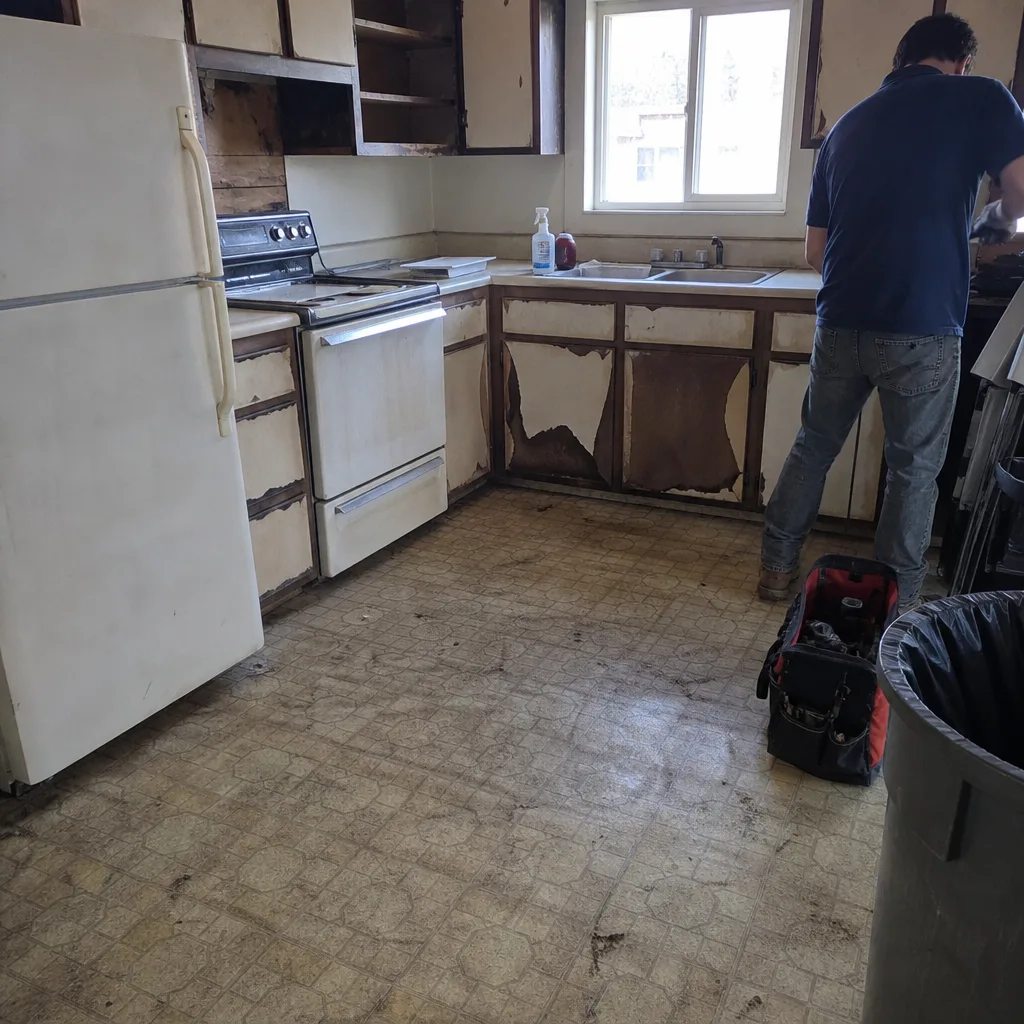 Before
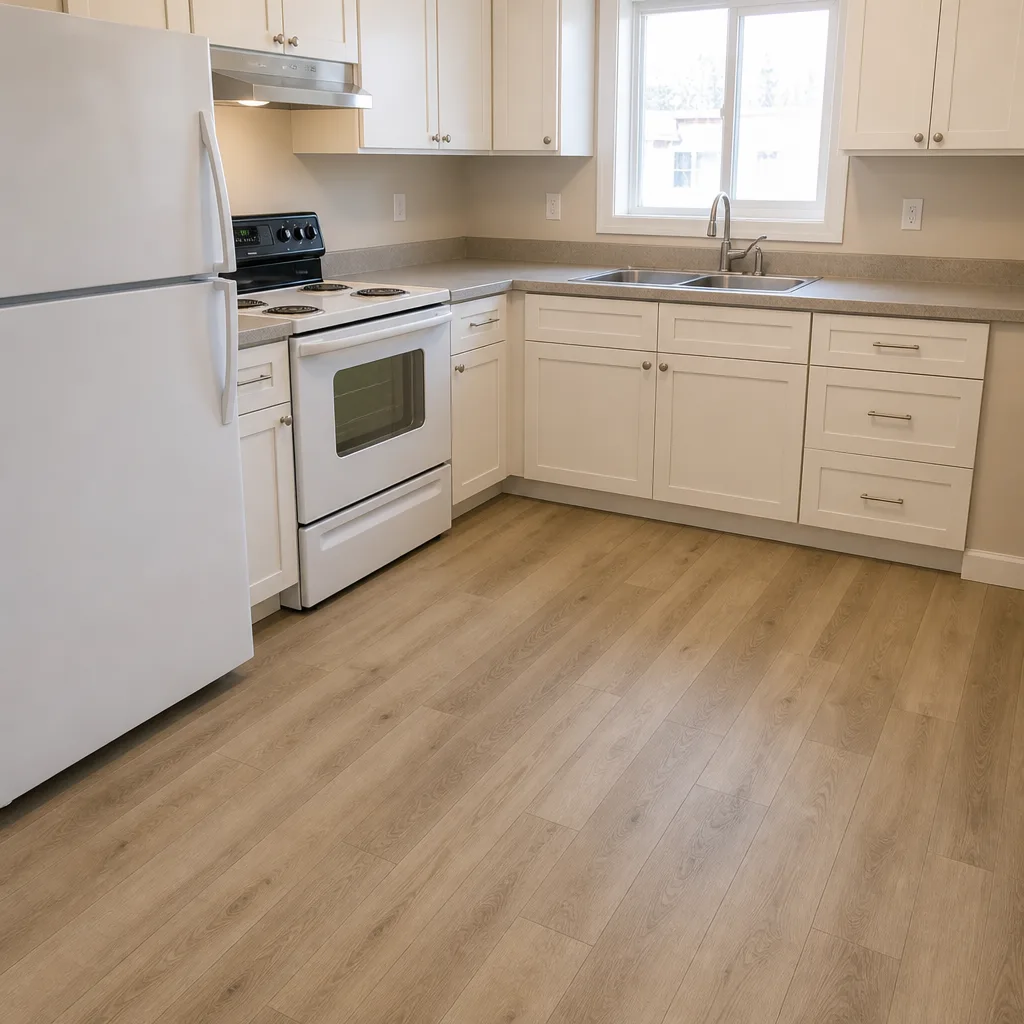 After
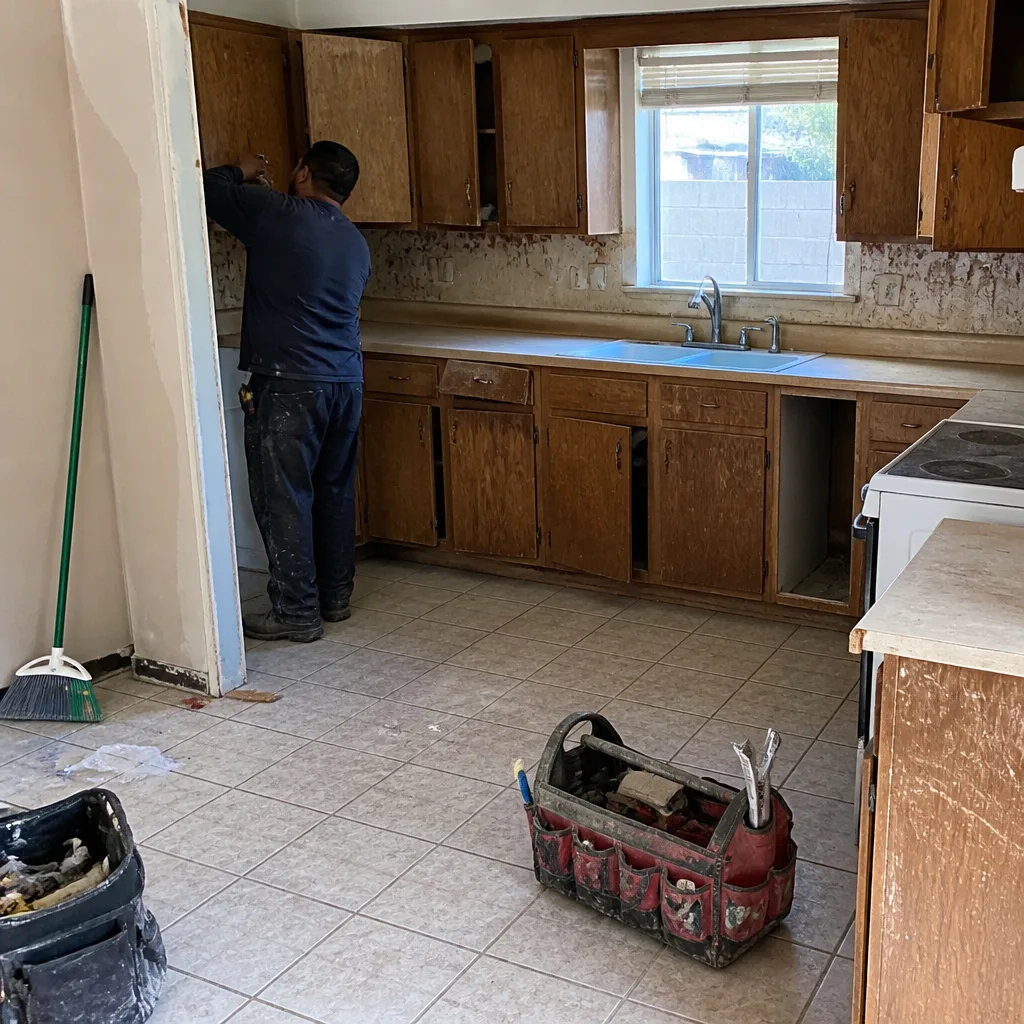 Before
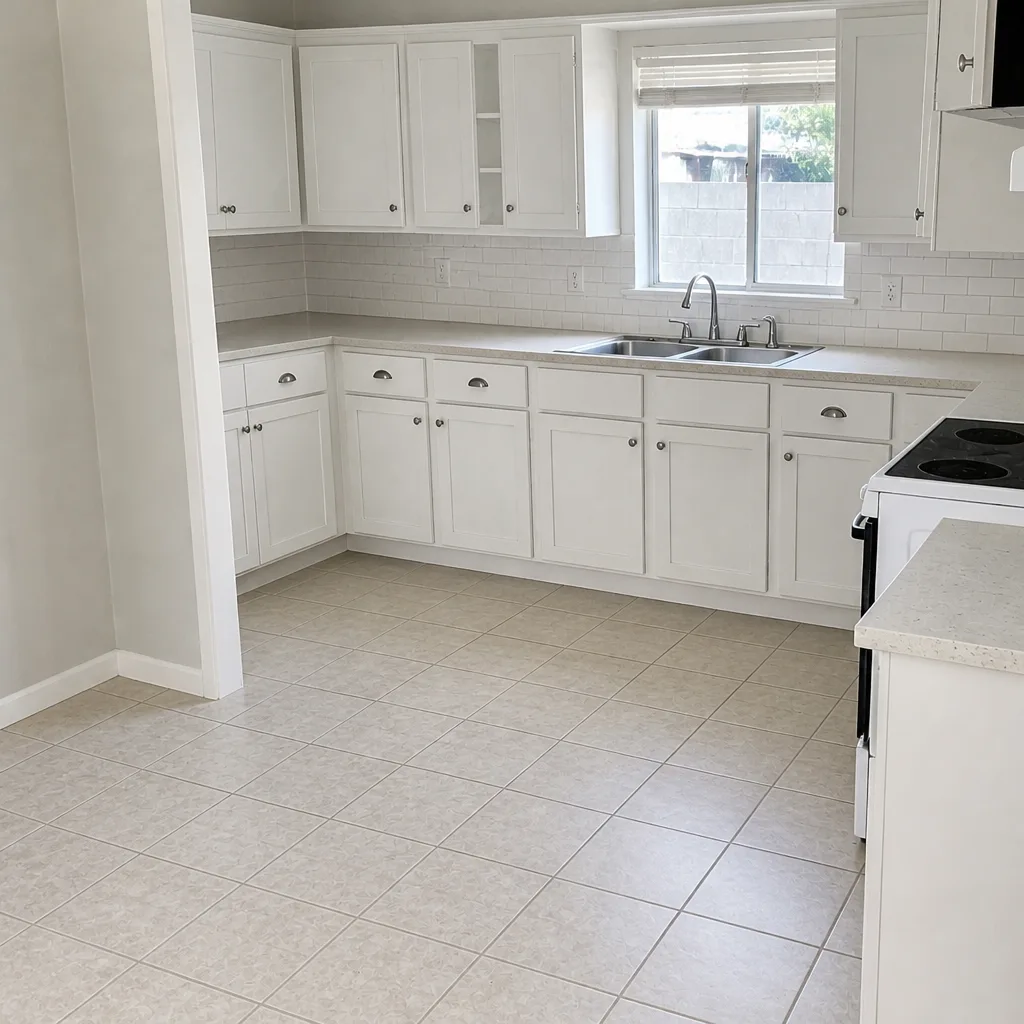 After
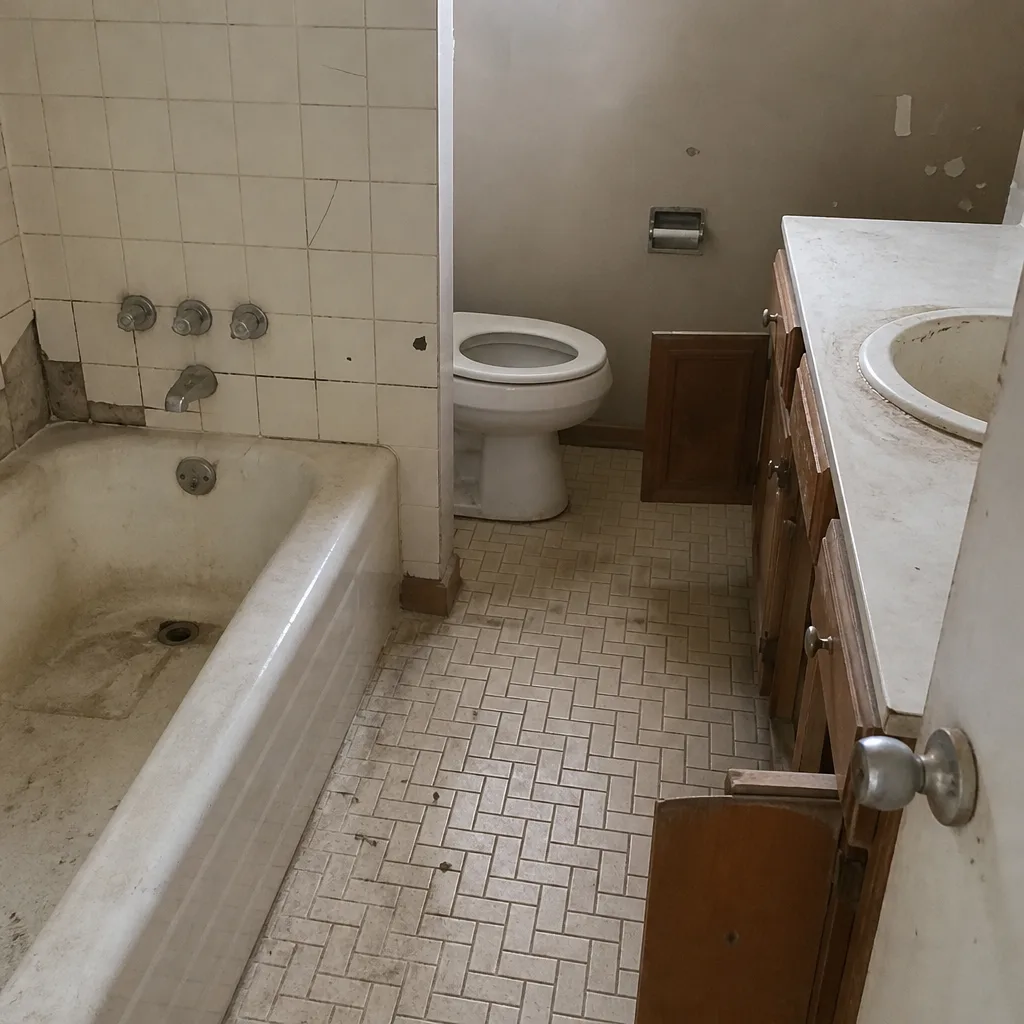 Before
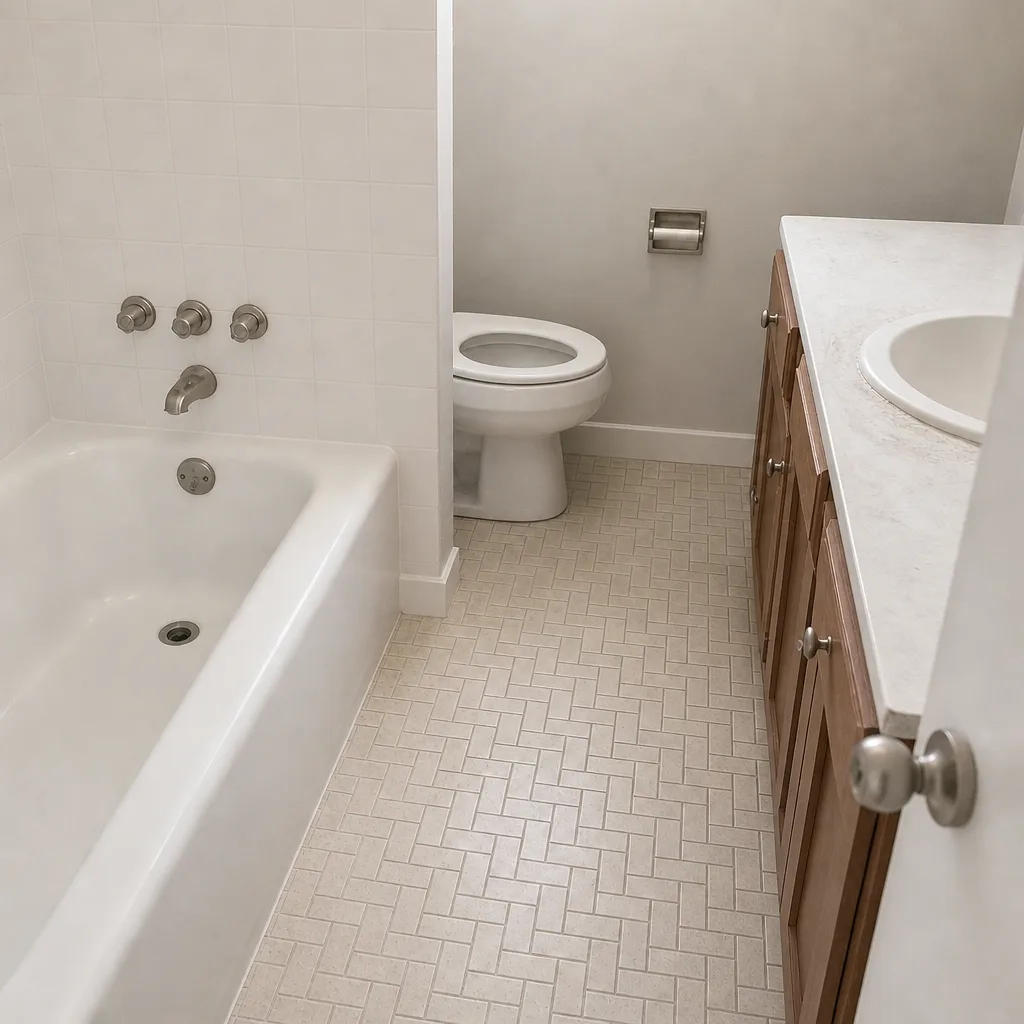 After
When to Call a Professional
Call a licensed professional today when: your home has an open roof, missing wall, or exposed interior and a storm is forecast; a contractor has abandoned the job and the site isn’t secured; an inspection has failed or a stop-work order has been issued; storm water has entered the interior in the last 24 hours; or any electrical, structural, or gas component on the job site is unsafe. Do not attempt roof tarping, electrical work, or structural bracing yourself. Those are the calls that turn a construction emergency into a hospital visit.
Barrett & Sons Construction Paradise writes temporary weatherproofing, written change orders, permit pulls, and inspection schedules into the scope of every eligible job – so the emergency plan exists before the first nail moves. Our crews pull every eligible permit, sign every inspection, and stand behind every scope with the written 90-Day Done Right Promise: if it’s not done right, one call brings us back to make it right. Barrett & Sons Construction Paradise offers free estimates in Paradise – call (855) 596-7029 to schedule yours.
Frequently Asked Questions
Yes. When a contractor stops work and leaves your home exposed or unfinished, it’s a construction emergency because exposure, safety, and legal risk all come into play. File a written complaint with the Nevada State Contractors Board, send the contractor a dated written notice demanding performance, and secure the site immediately. Call (855) 596-7029 for a free estimate if you need a licensed crew to take over a stalled job in Paradise.
The responsible party is whoever your written contract names. If the contract is silent, that’s a gap you should fix before work begins. In well-run jobs, temporary weatherproofing is a named line item with a named owner. If your contractor is unresponsive and a storm is coming, call a licensed roofing contractor for emergency tarping. Don’t go up on the roof yourself.
Partially. A standard homeowner’s policy generally covers the existing structure and some storm damage, but usually excludes materials, work in progress, and faulty workmanship. A builder’s risk policy or a rider closes those gaps. Call your insurance agent before demolition and ask two direct questions: does my policy cover the home during active construction, and do I need a builder’s risk rider? Get the answer in writing.
Check with the City of Paradise building department directly. Ask for the permit record on your address. It will show what permits were pulled, what scope is covered, and whether any inspections are still open. If a contractor told you permits were optional, verify that with the permit office – not with the contractor. Call (855) 596-7029 for a free estimate if you need a job reviewed before the next phase starts.
Call the contractor first to install temporary weatherproofing. If they’re unresponsive and water is entering the interior, call a licensed roofer for emergency tarping and notify your insurance company the same day. Document the exposure with photos before and after. Then dry the interior quickly with fans and a dehumidifier. Trapped moisture in wall cavities is what turns a one-day storm into a month-long mold problem.
Homeowners without a pre-built list waste hours – or days – hunting for phone numbers during a crisis, which is exactly when every hour matters. In Paradise, the monsoon season can put an open roof in real danger in under an hour. Build the list before the first dumpster arrives: permit office emergency line, NSCB complaint hotline, insurance claims line, a backup licensed contractor, and a roofing contractor. Call (855) 596-7029 for a free estimate and we’ll walk the site before work starts.
The Bottom Line
The construction emergencies that actually hurt Paradise homeowners aren’t the ones on the national checklist. They’re a crew that vanishes mid-tear-off, a slab poured wrong in 115°F heat, and a monsoon that finds every opening in a half-finished home. The defense is preparation, not luck: a written contract that names weatherproofing, a permit pulled and inspected correctly, an emergency contact list taped inside a cabinet, and an insurance check before demolition day. Barrett & Sons Construction Paradise writes all of that into the scope on every eligible job, backed by the written 90-Day Done Right Promise. Call (855) 596-7029 to schedule your free estimate and get the emergency plan in place before work begins.
Written by the team at Barrett & Sons Construction Paradise.