Last updated November 18, 2026
Free written scope consultation - allowances, timeline, and change-order rules on paper before a single trade is scheduled
DIY vs Professional Bathroom Remodeling: What’s Safe to Do Yourself
A homeowner who swaps a toilet himself saves about $150 in labor. A homeowner who moves a drain line himself without a permit can face a mandatory tear-out when the house goes to sell, and in Clark County that tear-out often costs more than the entire bathroom was worth. The difference between those two outcomes isn’t how handy you are. It’s whether the task you’re eyeing sits inside or outside the wall. This guide draws that line clearly, so you know exactly what’s safe to tackle yourself in your Paradise home and what legally and physically belongs in the hands of a licensed contractor.
Quick Answer
Cosmetic work is safe to do yourself: painting, swapping hardware, hanging a mirror or new light fixture on an existing circuit, replacing a vanity top, and re-caulking. Anything inside the wall that touches plumbing, electrical, or structural framing requires a licensed contractor and usually a permit in Nevada. That means moving drains, relocating a toilet, adding a circuit, installing a new exhaust fan where none existed, or altering walls. The line isn’t about skill. It’s about risk, code, and what your insurance will and won’t cover.
Styles & brands we work with
- Kitchen remodeling
- Bathroom remodeling
- Home additions & ADU
- Roofing
- Windows & doors
- Driveway & pavers
- Fence
Table of Contents
- The Real Line: Inside the Wall vs Outside the Wall
- Nevada and Clark County Permit Triggers Most Homeowners Miss
- What’s Genuinely Safe to DIY (With No Asterisks)
- Why GFCI Wiring and Exhaust Fan Circuits Fail Inspection
- What an Owner-Builder Permit Actually Allows in Nevada
- How to Sequence a Partial DIY and Actually Save Money
- Paradise Climate and the Bathroom Materials That Hold Up
- The Cost Reality: What DIY Saves and What It Costs Later
The Real Line: Inside the Wall vs Outside the Wall
The useful question isn’t “am I handy enough for this?” It’s “does this task live inside the wall or outside it?” Everything outside the wall is surface. Paint, hardware, trim, fixtures that connect to existing supply and drain in the same spot. Everything inside the wall is systems: water, waste, electricity, framing, ventilation. Those are the things that carry real consequences when they go wrong, and in Paradise the consequences tend to show up twice – once during the work, and again at resale or during an insurance claim.
Here’s how we’ve watched that play out. A homeowner replaces a vanity faucet himself. That’s outside the wall. No permit, no inspection, no problem, and it saves a service call. The same homeowner decides to shift the vanity three feet to fit a bigger sink and re-routes the drain. That’s inside the wall. That’s plumbing work that requires a permit, a licensed plumber, and an inspection signed off before the drywall goes back up. Skip it and you’ve created an unpermitted alteration that a home inspector will flag the moment you go to sell.
Outside the wall (usually safe to DIY)
- Painting walls, ceilings, and cabinets
- Replacing cabinet pulls, towel bars, and shower curtain hardware
- Hanging a mirror or a shelf on an existing wall
- Swapping a light fixture where the wiring already exists and the circuit is correct
- Re-caulking tub and shower joints
- Replacing a toilet in the same location with the same rough-in
Inside the wall (needs a licensed pro and usually a permit)
- Moving a drain, supply line, or toilet location
- Adding or relocating a circuit, outlet, or switch
- Installing a new exhaust fan where there was none, vented through the roof or wall
- Changing or removing a wall – even a partial wall – because it may be structural or hide plumbing
- Converting a tub to a walk-in shower, which reroutes the drain and changes the waterproofing membrane
- Any work that requires opening a wet wall
If you’re planning a larger remodel that touches load-bearing walls or expands the footprint, that work overlaps with what we handle in Home Additions & ADU in Paradise, and the permit sequencing is different enough that it’s worth a conversation before you swing a hammer.
Nevada and Clark County Permit Triggers Most Homeowners Miss
Most DIY bathroom flubs in Paradise aren’t about bad carpentry. They’re about permits nobody pulled because nobody knew one was needed. Nevada and Clark County have specific triggers, and they’re broader than most homeowners expect. The Nevada State Contractors Board requires a licensed contractor for work over a certain dollar threshold, and Clark County’s building department requires a permit for most plumbing, electrical, and structural changes in a bathroom regardless of who’s doing the work.
Here’s what actually trips people up:
- Moving any fixture. A toilet that shifts even a foot from its original drain requires a plumbing permit. The rough-in changes, the vent may need to move, and the inspector wants to see it open.
- Any new electrical circuit. Bathrooms require dedicated circuits and GFCI protection. Adding a circuit is a permitted electrical job, and in Nevada it’s licensed electrical work.
- Exhaust fan installed where none existed. Cutting a new vent through the wall or roof is a permit item because it penetrates the building envelope. It’s also the single most common DIY item we find that fails inspection.
- Waterproofing in a wet area. A tub-to-shower conversion requires a permit in Clark County because the waterproofing membrane and drain assembly must meet code and be inspected before tile goes on.
- Structural changes. Removing any wall or widening a doorway in a bathroom triggers a permit and often a structural review.
The permit inspector works for you, not for us. That’s the part homeowners miss. The inspection is a second set of eyes on the work before it’s hidden behind tile. In Paradise, we pull permits and get inspections signed on every eligible job, because the last contractor most folks used told them permits were optional.
What’s Genuinely Safe to DIY (With No Asterisks)
Some tasks are safe for any reasonably careful homeowner, with no permit and no inspection, and we’d never tell you to pay a contractor for them. Painting is the obvious one. So is hardware. A homeowner who paints a bathroom themselves in Paradise saves $400 to $700 in labor and typically does a better job than a rushed crew because they have more patience for cutting in around the tub. That’s real money and real craft.
Here’s the full list of genuinely safe DIY bathroom work:
- Painting. Walls, ceilings, and properly prepped cabinets. Use a bathroom-rated paint with mildew resistance for the wet walls.
- Hardware swaps. Cabinet pulls, drawer handles, towel bars, toilet paper holders, shower heads, and faucet aerators. A shower head swap is outside the wall and doesn’t require a permit.
- Mirror and shelf hanging. Anything on an existing finished wall, anchored properly. Skip this only if you’re not sure what’s behind the drywall.
- Re-caulking. Tub and shower joints, sink rims, and backsplashes. Use a silicone caulk rated for wet areas and re-do it every few years in Paradise’s hard-water climate.
- Replacing a toilet in the same spot. Same rough-in, same drain, no permit. This is the classic $150 saved and it’s a legitimate one.
- Swapping a light fixture on an existing circuit. Only where the wiring is already correct and the circuit is GFCI-protected. If you’re not sure, hire an electrician for the swap.
- Adding a freestanding vanity or storage cabinet. No plumbing, no electrical. Same as adding furniture.
Everything on that list is safe. Everything off it probably isn’t. If you’re unsure whether a task is in or out, that uncertainty itself is your answer.
Why GFCI Wiring and Exhaust Fan Circuits Fail Inspection
GFCI wiring and exhaust fan circuits are the two most commonly attempted DIY electrical items in bathrooms, and they’re the two that fail inspection most often. Both fail for the same basic reason: the homeowner did the work correctly by feel, not by code, and the inspector is looking for code.
GFCI failures
Nevada code requires GFCI protection on all bathroom receptacles and often on lighting circuits within the wet zone. Common DIY mistakes:
- Protecting only the receptacle and not the downstream bathroom circuit
- Bypassing GFCI on a bathroom light fixture inside the shower or tub zone
- Using the wrong amperage for the circuit
- Not connecting the ground correctly on a knob-and-tube or older two-wire circuit common in some Paradise neighborhoods
Exhaust fan failures
Exhaust fans fail inspection for a related set of reasons:
- Venting into the attic instead of through the roof or wall, which dumps moisture into the attic and rots the sheathing
- Using undersized ducting for the fan’s CFM rating, which chokes airflow
- Terminating the vent too close to an intake, which recirculates moist air back into the bathroom
- Skipping the permit entirely, which means no inspection and no repair of the mistakes above
We regularly see exhaust fans in Paradise that were DIY-installed venting into the attic, and the first sign is a soft spot in the ceiling drywall a year later. That’s a $200 fan job turning into a $3,000 drywall and sheathing repair, and insurance may decline the claim because the work was unpermitted.
What an Owner-Builder Permit Actually Allows in Nevada
Nevada allows homeowners to pull an owner-builder permit for work on their own primary residence, and this is where a lot of DIY bathroom ambitions go sideways. The owner-builder permit does not license you to do all the work. It allows you to act as your own general contractor, which means you can coordinate the project and pull the permit, but the specialty trades still have to be performed by licensed contractors.
In practice, an owner-builder permit in Clark County allows you to:
- Pull the building permit for the bathroom remodel
- Perform non-structural, non-specialty work yourself
- Coordinate and hire licensed plumbing, electrical, and mechanical contractors
It does not allow you to:
- Perform your own plumbing rough-in or electrical rough-in on a permitted job
- Skip inspections by doing the work “informally”
- Use owner-builder status on a rental property or a home you’re flipping
The last point trips up a lot of Paradise homeowners who own more than one property. Owner-builder permits only apply to a primary residence, and using them on a rental is a violation that can void insurance coverage and complicate a sale. If you’re considering this route, get the specifics from the county before you start, and not after the inspector has already visited.
How to Sequence a Partial DIY and Actually Save Money
The smartest money in bathroom remodeling comes from sequencing, not from doing everything yourself. A homeowner who does the demo and the finish work around a contractor’s rough-in can save $3,000 to $6,000 on a mid-size Paradise bathroom without ever touching the risky stuff. The trick is getting the order right and not creating rework for the crew.
Here’s the sequence that works:
- Contractor handles the design and permit. The scope and allowances go in writing before any work starts. This is where professional plans pay for themselves – a written scope with real allowances is worth more than the labor it costs.
- Contractor handles the demo on wet walls and any structural work. Homeowners can do light demo (removing the vanity, toilet, mirrors, trim), but wet-wall demo and structural openings are contractor work because they often reveal surprises that need a change order.
- Contractor does the rough-in. Plumbing, electrical, exhaust, and any structural changes happen in this window, all permitted and inspected. This is the inside-the-wall work.
- Permit inspections signed off. Before anything goes back behind the wall, the inspector signs. Not after.
- Homeowner does the finish work. Painting, cabinet installation (freestanding), hardware, mirror hanging, caulking, and fixture swaps on existing connections. This is the outside-the-wall work, and homeowners can do it at their own pace.
- Contractor completes any finish work that requires craft or warranty. Tile setting, waterproofing membrane, final plumbing trim on new installations.
We’ve run this hybrid model on bathrooms all over Paradise, and the homeowners who use it well end up with a better bathroom for less money than either extreme – full DIY or full turnkey. The key is that every scope, allowance, and price change arrives in writing before work happens, including the boundary between what you’re doing and what we’re doing.
Paradise Climate and the Bathroom Materials That Hold Up
Paradise is in the Mojave, and our climate affects bathroom materials in ways that matter for both DIY and professional work. We get extreme heat and very low humidity most of the year, then a monsoon season with sudden swings in moisture. Bathrooms are the one room in the house where moisture is always high, so the boundary between the two climates is where materials fail first.
What that means in practice:
- Caulk fails fast. The combination of drying heat and wet bathroom environments hardens silicone and latex caulk faster here than in more humid climates. Re-caulk tub and shower joints every two years in Paradise, not every five.
- Waterproofing membrane matters more than you’d think. In low-humidity climates, tile installers sometimes skip the membrane because “the bathroom dries out.” That’s wrong. The wet side of the membrane stays wet regardless of the room’s humidity, and mold behind a tile shower is the most common failure we see.
- Exhaust fans run harder. A properly sized exhaust fan is more important in Paradise than in humid climates because the room needs to dry out fast after use. Undersized or improperly vented fans are a bigger problem here.
- Vanity finishes fade. Wood-grain laminate and painted MDF vanities take a beating in the low desert sun coming through bathroom windows. Solid wood or quality thermofoil holds up better.
Where materials meet the pavement
Bathroom remodels often pair with exterior work – a new paver walkway to the master bath addition, a privacy fence around a new outdoor shower, or hardscape that ties into a yard refresh. For those exterior projects, we install Driveway & Pavers in Paradise and Fence Installation in Paradise ourselves, using brands like Belgard for pavers and Bufftech or ActiveYards for fencing, so the exterior matches the quality of what’s inside.
The Cost Reality: What DIY Saves and What It Costs Later
DIY savings on a bathroom are real but narrower than most homeowners expect. Here’s what the numbers actually look like in the Paradise market:
| Task | DIY labor saved | Risk if done wrong |
|---|---|---|
| Paint walls and ceiling | $400 – $700 | Low |
| Swap cabinet hardware | $50 – $150 | None |
| Replace toilet (same spot) | $125 – $200 | Low |
| Re-caulk tub and shower | $100 – $200 | Low (if done properly) |
| Hang mirror and shelves | $80 – $150 | Low |
| Move a drain line | $350 – $700 | Very high – unpermitted, sale and insurance risk |
| Install new exhaust fan (new vent) | $300 – $600 | Very high – most common inspection failure |
| Add or relocate a circuit | $400 – $900 | Very high – licensed electrical required |
| Tub-to-shower conversion | $1,500 – $3,500 | Very high – waterproofing, permit, and inspection all required |
The math tells the story. DIY saves between $50 and $700 on the safe list, and between $300 and $3,500 on the risky list. That’s the temptation. But a single unpermitted drain move can cost $8,000 to $15,000 to tear out and redo properly when a Paradise home goes to market, and homeowner’s insurance may decline water damage claims caused by unpermitted work. That’s the trade.
We publish a $40 Off Any Repair Over $200 standing offer and a Free Second Opinion on Any Written Estimate, precisely because so many homeowners call us after a project has gone sideways. If you’re not sure where your project sits, a second opinion costs nothing and saves a lot. There’s also No Trip Charge Inside the County, and a permanent 10% Senior & Veteran discount for folks who qualify.
Common Mistakes to Avoid
- Assuming a permit isn’t needed because the job is small. In Clark County, moving a single drain line requires a permit regardless of scope. Homeowners routinely guess wrong on this one and it’s the most expensive mistake on the list.
- Venting an exhaust fan into the attic. This is the single most common DIY failure we find in Paradise bathrooms, and it quietly rots the sheathing for a year before anyone notices.
- Skipping the waterproofing membrane in a shower. In Paradise’s dry climate, some DIYers and even some tile setters incorrectly skip the membrane because they think the air is dry enough. It isn’t, and the wet side of the membrane stays wet.
- Hiring the cheapest bid from a phone quote. Real costs on a Paradise bathroom come from scope, materials, and permit work. A phone quote with no written scope is a number that will change unless it’s locked in writing.
- Doing the electrical without the electrical license. Replacing a switch is fine. Adding a GFCI circuit is not, and a failed inspection on the electrical is the most common one to fail after the drywall is up.
- Doing the demo before the permit is pulled. Demo on a bathroom wall can reveal plumbing or structural issues that turn into a change order. Doing it before the permit and design are set makes the whole project harder to price.
- Re-caulking without removing the old caulk first. Caulk on top of caulk fails in a season. In Paradise’s heat, it fails faster than that.
- Relying on homeowner’s insurance for unpermitted water damage. It may not cover it, and the exclusion is usually in writing before the work is done, not after.
See the difference
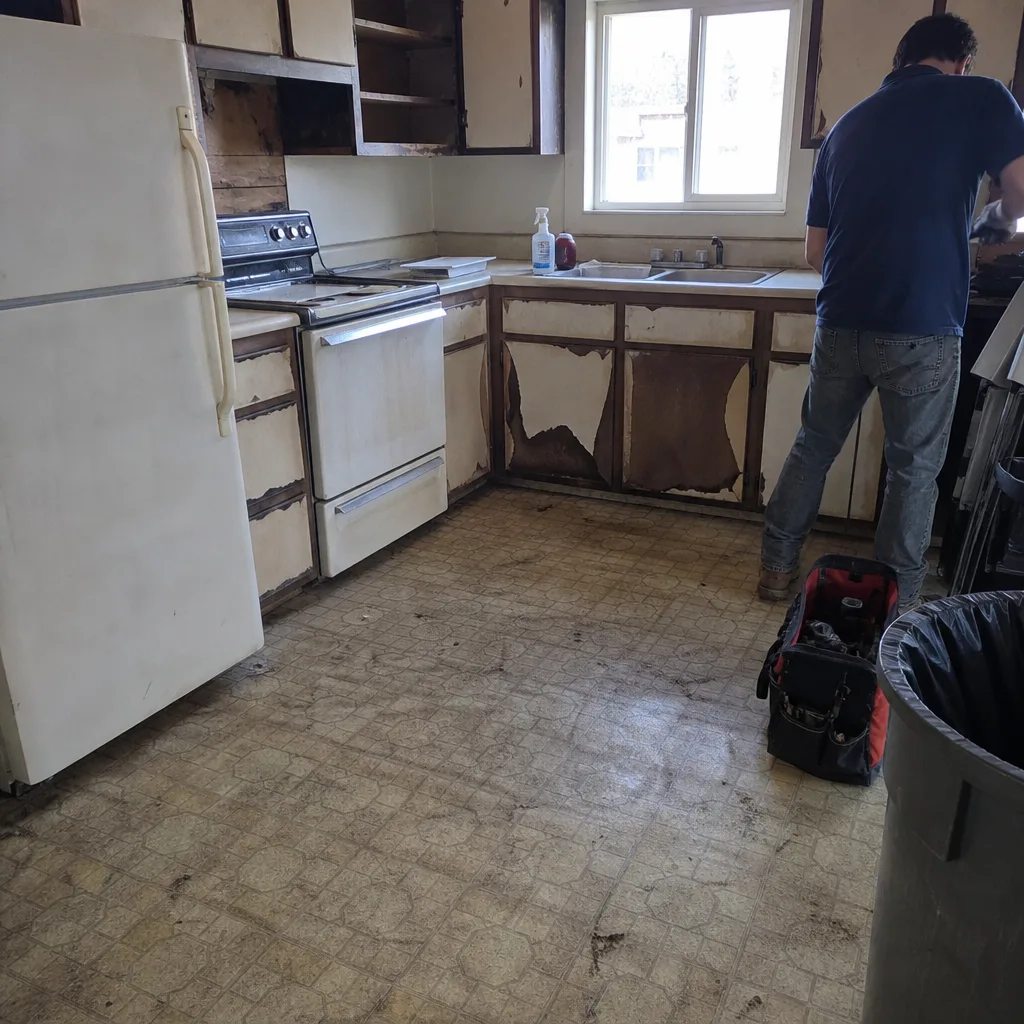 Before
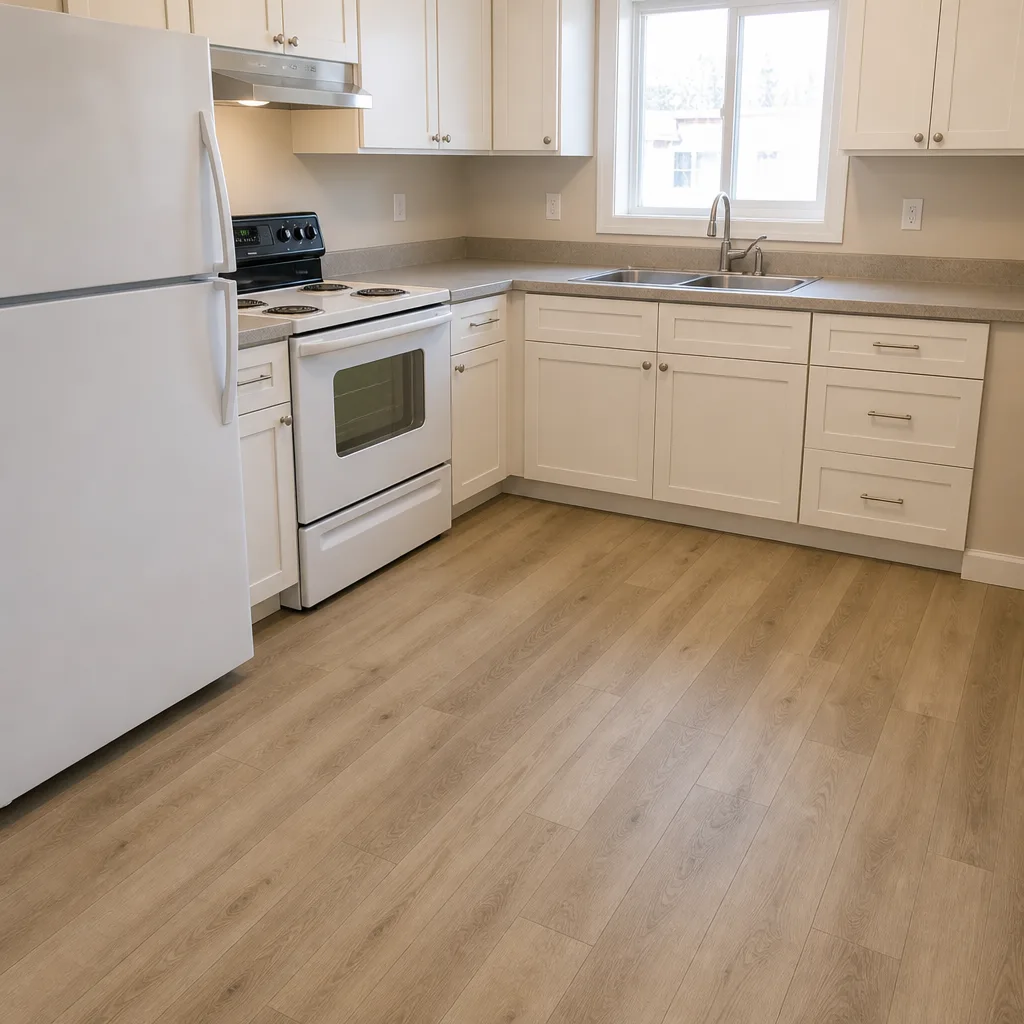 After
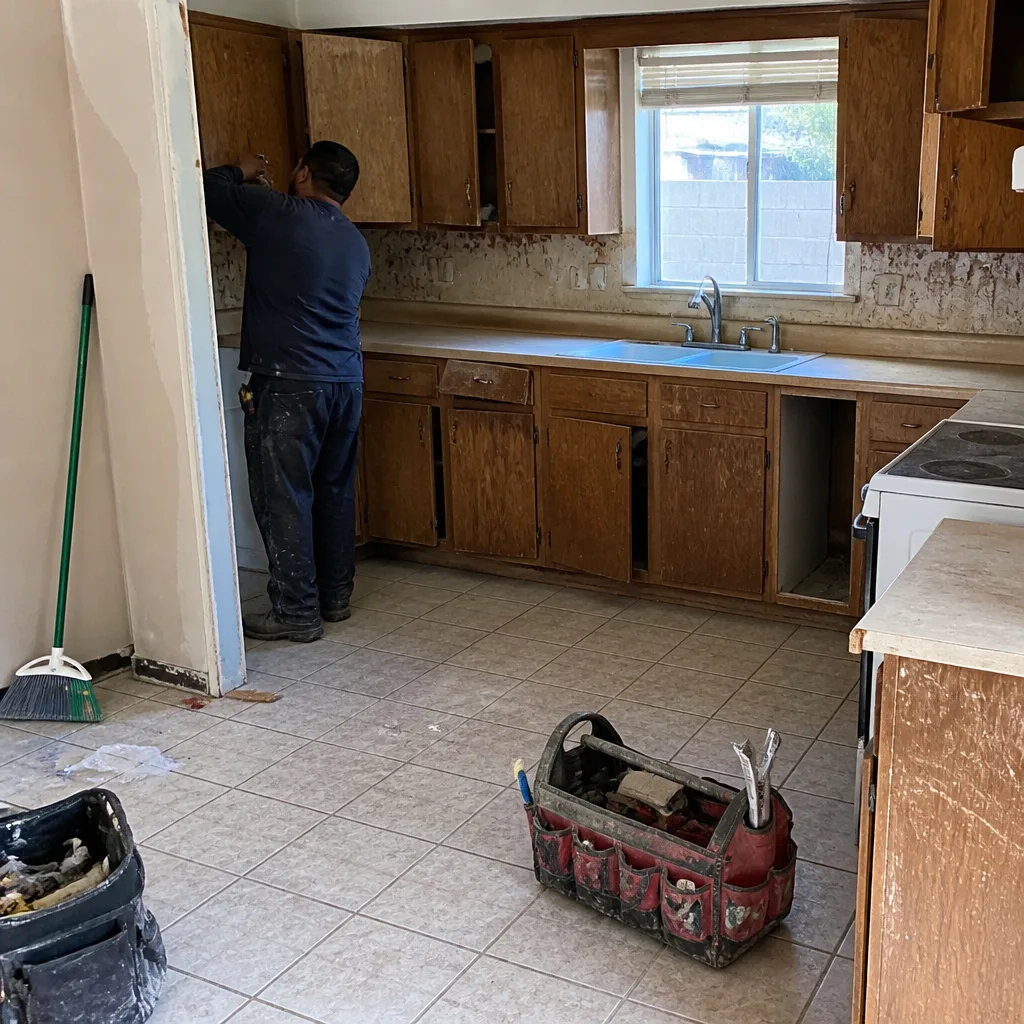 Before
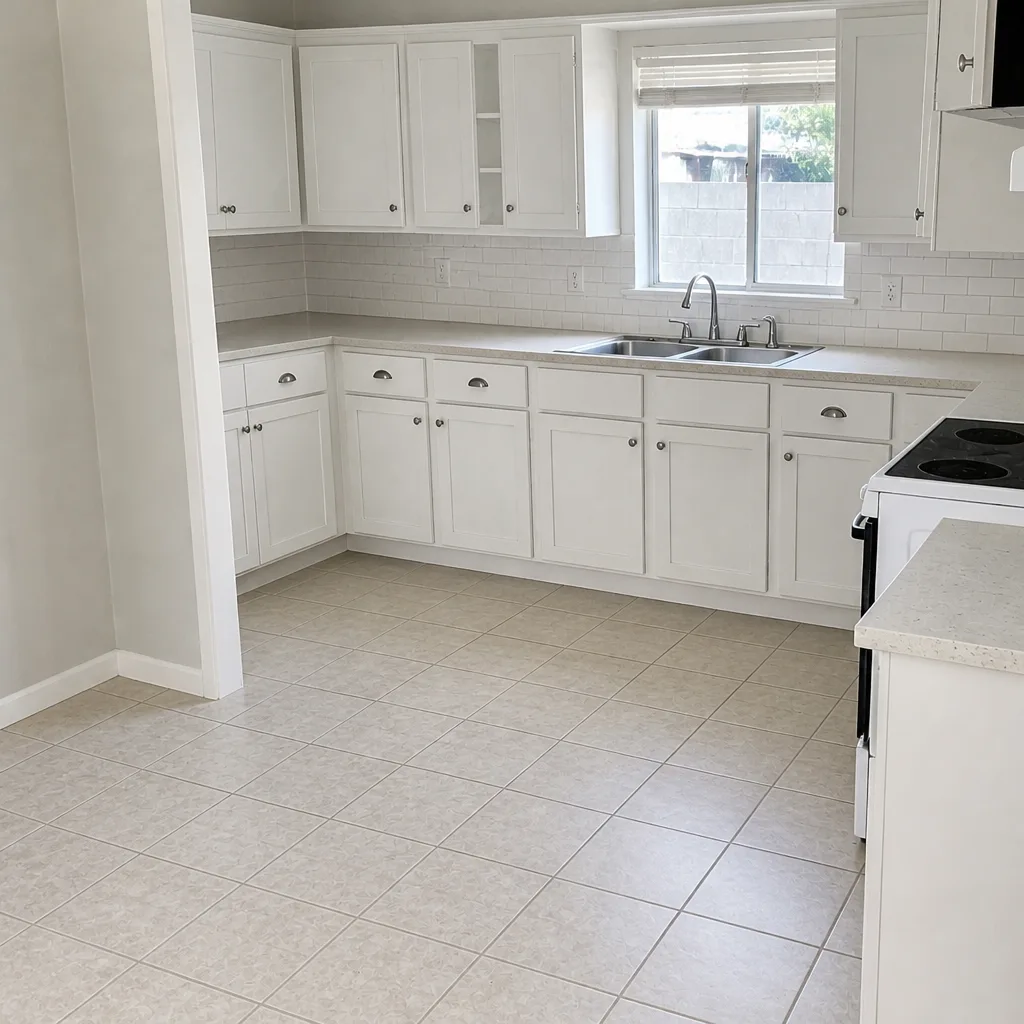 After
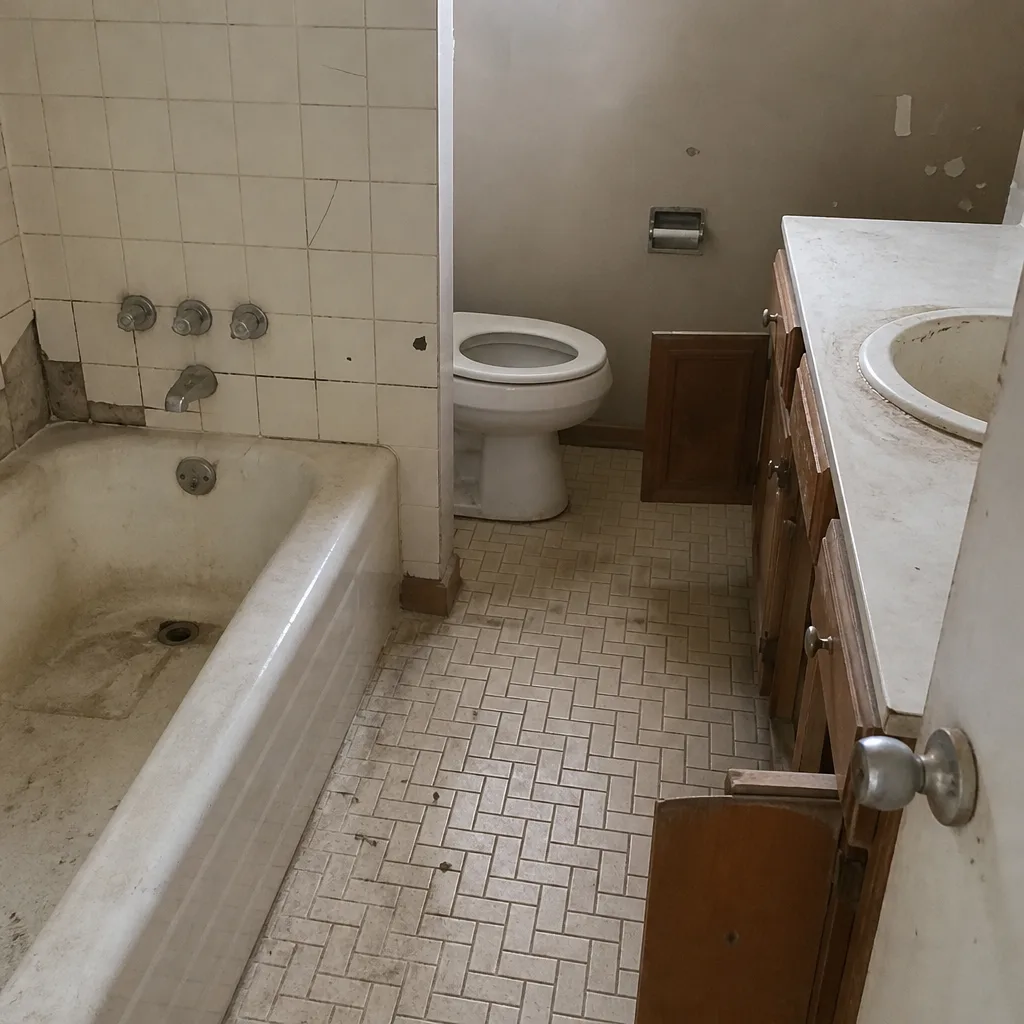 Before
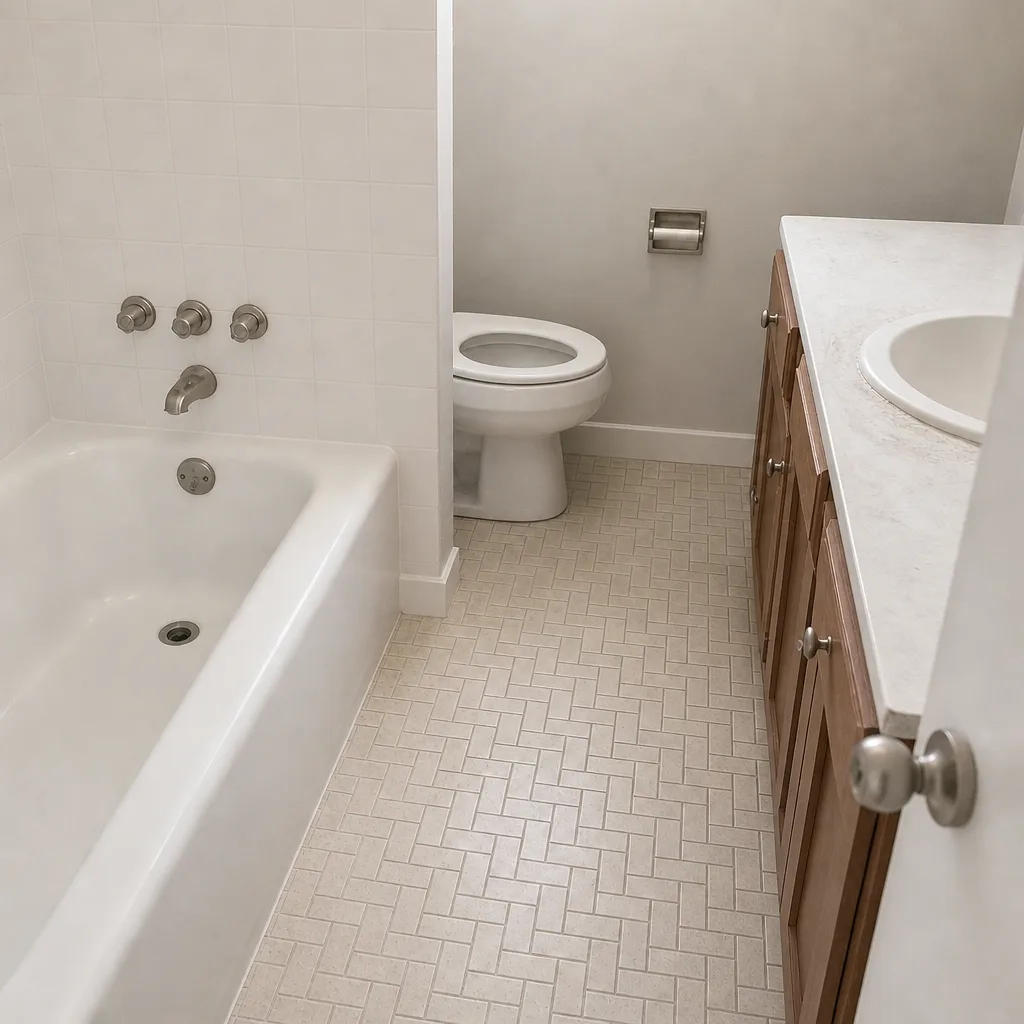 After
When to Call a Professional
Call a licensed contractor the moment your project crosses from outside the wall to inside it. That means: moving a fixture, adding or relocating a circuit, installing a new exhaust fan, changing any wet-wall configuration, converting a tub to a shower, removing or widening a wall, or anything that requires a permit in Clark County. It also includes anything where you’re not sure whether a permit is required, because the answer is usually yes. For larger remodels or additions, the same logic applies – we handle Home Additions & ADU in Paradise with the same permitting discipline we apply to bathrooms.
If you’ve been burned by a phone quote that turned into a different bill, we do it the other way. Written scope, written allowances, written change orders before any price moves. Every permit pulled, every inspection signed. A 90-Day Done Right Promise written on every contract, not buried in fine print. Barrett & Sons Construction Paradise offers free estimates in Paradise. Call (855) 596-7029 and a live person will pick up, any hour of any day.
Frequently Asked Questions
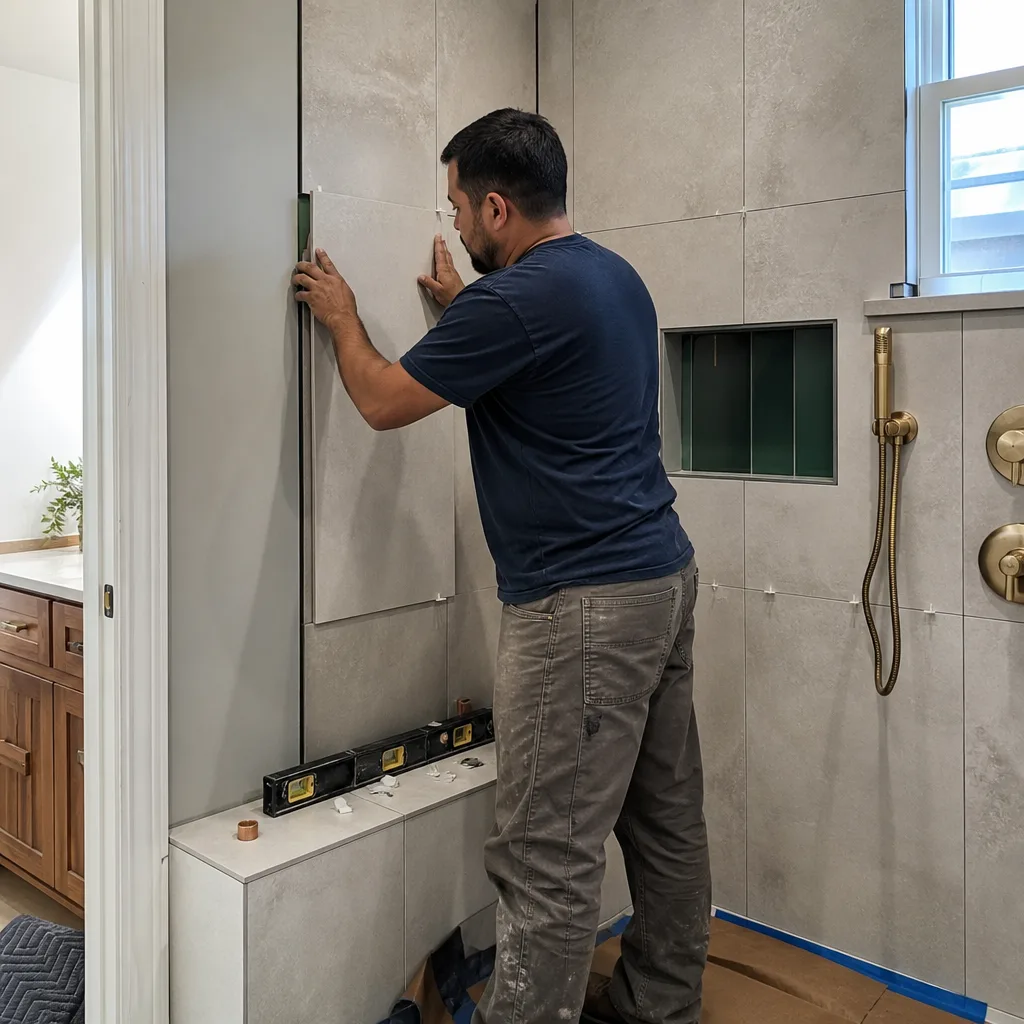
You can do cosmetic work yourself, and you can pull an owner-builder permit as your own general contractor, but plumbing and electrical rough-in on a permitted job still has to be done by licensed contractors in Nevada. Painting, hardware, caulking, and fixture swaps on existing connections are all legal DIY. Moving drains or adding circuits is not. Call (855) 596-7029 if you want us to walk through your specific scope – estimates are free.
Not if the toilet stays in the same location with the same rough-in. Replacing a toilet in place is a swap, not a plumbing alteration. The moment you move the drain or shift the fixture more than a few inches, a permit is required. This is one of the few places where DIY actually saves real money with no asterisks, and it’s also where homeowners sometimes overreach.
It can. Most homeowner’s policies cover sudden water damage from a plumbing failure, but they typically do not cover damage caused by unpermitted or improperly permitted work. An unpermitted drain move that fails and floods the floor below is the classic case where insurance declines, and once it’s declined, the repair is on you. This is one of the reasons permits matter in Paradise even for small jobs.
Between $50 and $700 on the safe cosmetic list, and between $300 and $3,500 on the risky inside-the-wall list. The safe savings are real and we’d never tell you to skip them. The risky savings are the ones that turn into an $8,000 to $15,000 fix when the house goes to market and the home inspector flags unpermitted work. Call (855) 596-7029 for a free second opinion before you commit to the risky side of the list.
Light demo – vanity, toilet, mirrors, trim – is usually fine and can save money. Wet-wall demo, opening structural walls, or anything that might reveal hidden plumbing or electrical issues is contractor work, because that’s where change orders get triggered. If you want to do demo, agree on the exact boundary in writing with your contractor before you start swinging a hammer. Barrett & Sons Construction Paradise puts every scope in writing before work begins.
For bathroom cabinetry, we work with KraftMaid, and for hardscapes and fences in the same neighborhood, we install Belgard pavers and Bufftech or ActiveYards fencing so your exterior matches the quality of your interior. Cabinetry, counters, tile, and fixtures can all be specified in writing with real brands instead of mystery brands off a van. Ask us for a written material list on any bid.
The Bottom Line
The question isn’t whether you’re handy enough to remodel a bathroom yourself. It’s whether the task you want to do sits inside the wall or outside it. Painting, hardware, caulking, mirror hanging, and a same-spot toilet swap are genuinely safe DIY in Paradise and they save real money. Moving drains, adding circuits, installing new exhaust fans, converting a tub to a shower, or opening any wet wall all require a licensed contractor and a permit in Clark County, and the savings from doing them yourself rarely outweigh the tear-out, insurance, and resale costs when something goes wrong. Draw the line at the wall and you’ll save the right money. Cross it and you’re gambling the whole project on a permit inspector you’ll never meet.
Written by the team at Barrett & Sons Construction Paradise.