
Last updated November 18, 2026






Free written scope consultation - allowances, timeline, and change-order rules on paper before a single trade is scheduled
Construction Warning Signs: A Paradise Homeowner’s Reference Guide
Not all cracks are created equal. A horizontal crack running across a block wall is a structural emergency that needs eyes on it this week. A vertical hairline crack in drywall near a door corner is almost always just drywall tape doing what drywall tape does. Knowing the difference saves Paradise homeowners thousands in panic repairs, and it keeps them from ignoring the two or three signs that actually matter. This guide teaches you to read your house the way a contractor does: width, direction, location, and timing. You’ll learn what desert-specific damage looks like, what a roof is telling you from the ground, and how to spot the fingerprints of a contractor who cut corners before you sign anything or hand over a final check.
Quick Answer
In Paradise, the three warning signs that most often mean “call someone now” are horizontal or stair-step cracks in block walls, any crack wider than a quarter inch, and rust stains or sagging at roof penetrations. Vertical hairline cracks in drywall, minor stucco crazing, and faded paint are usually cosmetic or maintenance-level. When in doubt, measure the crack and photograph it with a coin or ruler for scale, because a wide crack in Paradise’s expansive soils behaves very differently from the same crack in a wetter climate.
Styles & brands we work with
- Kitchen remodeling
- Bathroom remodeling
- Home additions & ADU
- Roofing
- Windows & doors
- Driveway & pavers
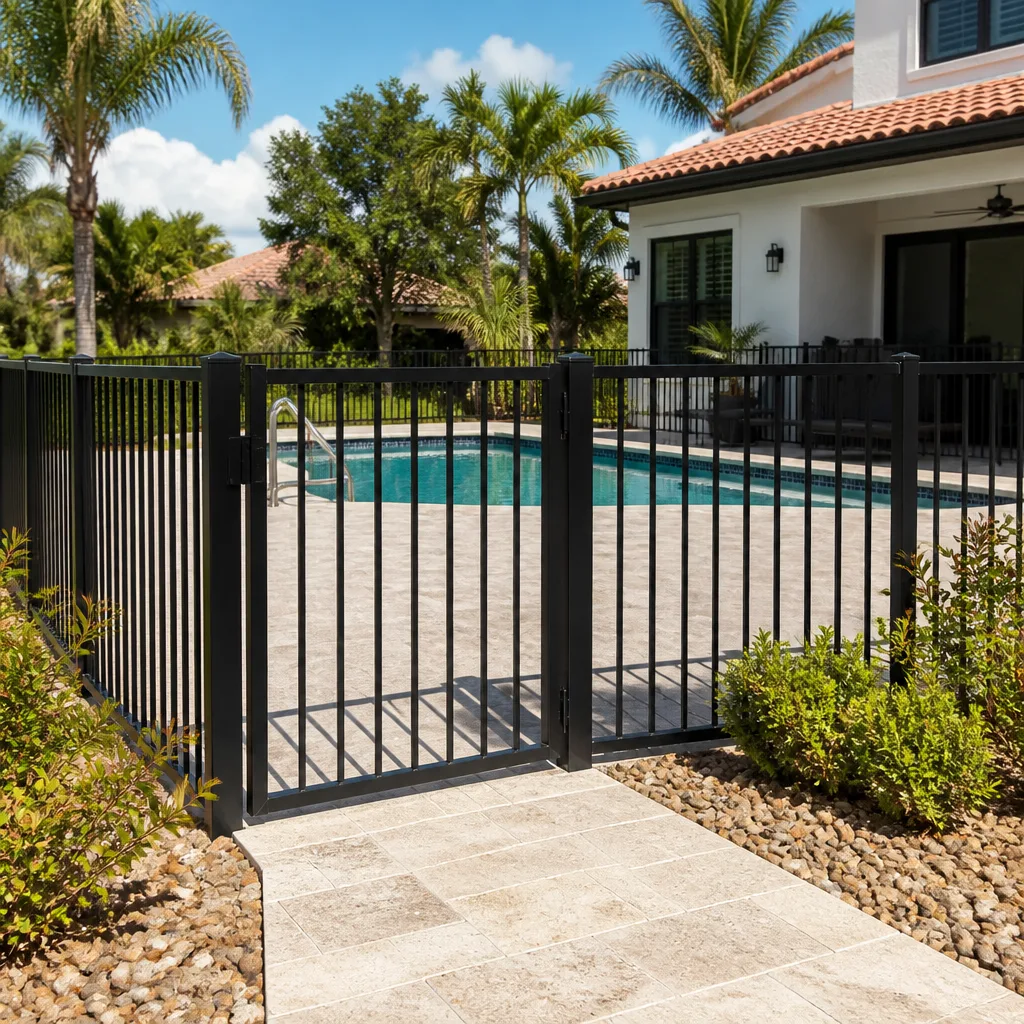
- Fence
Table of Contents
- How do you classify a crack as cosmetic, maintenance, or urgent?
- What desert-specific warning signs should Paradise homeowners watch for?
- What roof warning signs can you spot from the ground?
- What are the five signs a previous contractor cut corners?
- When is a warning sign a warranty issue versus normal wear?
- How do you document a problem before calling the contractor back?
- When do problems show up in Paradise, and why?
How do you classify a crack as cosmetic, maintenance, or urgent?
Width, direction, and location. Those three things tell you almost everything. A crack is cosmetic when it’s under 1/16 inch, vertical, and in a drywall field or at a corner where two sheets of drywall meet. It’s maintenance-level when it’s 1/16 to 1/8 inch, runs vertically in stucco or block, and hasn’t changed in a year. It’s urgent when it’s wider than 1/4 inch, horizontal, stair-steps across block mortar joints, or appears suddenly. In Paradise, that stair-step pattern in a block wall is the one we take most seriously, because expansive clay soils swell and shrink with our monsoon cycles, and block walls take the brunt of that movement.
- Hairline vertical (under 1/16″): cosmetic. Drywall tape or stucco shrinkage. Monitor, don’t panic.
- Vertical, 1/16″ to 1/8″, stable: maintenance-level. Caulk or patch, check again in six months.
- Stair-step in block or brick mortar: urgent. Can indicate foundation movement. Get an inspection.
- Horizontal in any wall: urgent. This is the pattern that signals structural stress, not cosmetics.
- Any crack over 1/4″ wide: urgent, regardless of direction.
- Any crack that appeared or grew in under 30 days: urgent. Movement is happening now.
One more variable: displacement. Run your hand across the crack. If one side is noticeably proud of the other, that’s movement, not settlement of a finish coat. Displacement in a foundation-adjacent wall is a call-a-professional moment. Our crews have up to 28 years of experience reading exactly this kind of pattern, and we’ve learned that a homeowner’s description of “it just looks off” is often more useful than any photograph.
What desert-specific warning signs should Paradise homeowners watch for?
Paradise sits in a climate homeowners assume is “too dry for water damage,” and that assumption causes more expensive repairs than any monsoon. Water finds a way into desert homes through three specific doors, and each leaves a signature. Learn the three signatures and you’ll catch moisture intrusion months before it rots a sill plate.
- Efflorescence on block walls. That white, powdery bloom on masonry isn’t paint or dust. It’s salt pushed to the surface by water moving through the block. It means moisture is inside the wall. Once you see it, check the wall’s top cap and the soil grade around the base.
- Spalling concrete. When the face of a driveway, patio, or foundation wall flakes and pits, water has intruded and frozen or expanded inside the concrete. In Paradise this shows up most on driveways poured without proper control joints, and it accelerates fast once it starts. Look for the first pits near the garage apron.
- Stucco delamination. Tap the stucco with a knuckle. Sound and tight, fine. Hollow and drummy, you have a separation between the stucco and the substrate. Left alone, that gap collects water and the repair grows from a patch to a re-stucco of the whole wall.
While we’re on exteriors: faded or chalky paint on south and west walls is normal sun aging, not a warning sign. Don’t let a high-pressure sales pitch convince you otherwise. Real signs have texture and depth. Sun damage has neither.
What roof warning signs can you spot from the ground?
You don’t need to climb a ladder. Please don’t. Roof work involves real fall hazards and is a job for trained professionals. The good news is that most failing roofs announce themselves clearly from the driveway. Walk a slow lap around your house every spring and fall. Here’s what to look for.
- Curled or lifted shingle edges along the rakes and eaves, especially on the south-facing slope. In Paradise’s summer heat, asphalt shingles age faster on sun-exposed planes.
- Granule piles in the gutters or at downspout discharge. Shingles shed granules as they near end of life. A few is normal. A handful is a warning.
- Rust streaks or dark stains on the fascia and soffit. These usually trace to a failing flashing or a bad seal at a penetration, not the roof field.
- Sagging along the roofline. A dip in the ridge or a wavy eave line is a structural signal, not a cosmetic one.
- Daylight or water stains in the attic. During your next attic visit, look for any daylight or brown rings on the underside of the sheathing.
- Missing or lifted flashing around chimneys and vents. Flashing failures cause more leaks than shingle failure in desert climates.
Our roofing crews work with GAF and CertainTeed systems, and we install them with the manufacturer’s specified underlayment and flashing details because that’s what the warranty actually covers. When you’re ready to talk about a replacement, our Barrett & Sons Construction Paradise home page lays out how we scope a job, written allowances and all.
What are the five signs a previous contractor cut corners?
Inspectors catch these on a walkthrough, and homeowners can learn to spot them too, especially before buying a house or after a recent renovation. These aren’t cosmetic criticisms. They’re fingerprints of shortcuts that cost real money down the line.
- No permit records. Pull the permit history on any home before you buy, and after any renovation, check for records on yours. In Paradise, work that should have been permitted but wasn’t is a red flag and can complicate a future sale or insurance claim.
- Missing or mismatched fasteners. Look at exterior trim, fencing, and deck connections. Missing screws, wrong-sized fasteners, or a mix of what happened to be on the truck signals a crew that improvised.
- Caulk where flashing belongs. Caulk is not a waterproofing method at roof penetrations or window heads. Look for gobs of sealant bridging a gap that should be metal flashing.
- Uneven tile, straight-line grout, or hollow-sounding surfaces. Tap a tile floor or wall. Hollow spots mean poor thinset coverage. That floor may look fine today and pop in two winters.
- No written scope or change orders. If the file left behind by the previous contractor has no written scope, no allowance list, no change orders, treat any “recently renovated” claim with caution. An allowance that isn’t on paper is a surprise waiting for a date.
These are exactly the shortcuts our name-on-the-truck approach is built against. Permits get pulled, inspections get signed, and every price change arrives in writing before a nail moves. Not because we’re special. Because it’s the only honest way to run a job.
When is a warning sign a warranty issue versus normal wear?
This is the question that decides whether your call is a warranty claim or a maintenance visit. The short answer: wear is gradual and even; a warranty issue is sudden, uneven, or tied to a specific installation detail. A roof that sheds granules evenly over 15 years is wearing out. A single shingle course that lifted within two years of installation is a workmanship issue. The difference matters, and it matters most when it’s on paper.
- Normal wear: even sun fading, gradual granule loss, hairline settlement cracks that haven’t moved in a year, faded caulk at expansion joints.
- Warranty or workmanship issue: a leak at a specific flashing detail, a door or window that binds after a recent install, a hardscape paver rock with no base prep under it, paint that peels in a pattern rather than evenly.
- Warranty or workmanship issue: any defect that appeared within the manufacturer’s or contractor’s stated warranty period and traces to installation rather than age.
At Barrett & Sons, every completed job is backed by our written 90-Day Done Right Promise. If something’s not right, one call brings Tom back. That’s in writing on every contract, because “we stand behind our work” is a slogan and a signed promise is a fact. Our Fence Installation in Paradise and Driveway & Pavers in Paradise pages both show how the promise and the written scope work together.
How do you document a problem before calling the contractor back?
Documentation is what separates “something’s wrong” from a claim the contractor can act on. And good documentation protects both sides. Here’s the order that works.
- Photograph with scale. Place a coin, a tape measure, or a ruler next to the crack or defect. A photo of a crack with no scale is nearly useless.
- Photograph wider context. A close-up plus a wide shot showing the whole wall, roof slope, or door frame. The context tells the story the close-up misses.
- Note the date it appeared or first noticed. This is the single most important data point for a warranty claim.
- Track whether it’s changing. Mark the crack ends with a pencil line and a date. Check again in two weeks. If it grew past the mark, that’s movement and it’s documented.
- Locate your original paperwork. Scope, allowance sheet, change orders, final invoice, and any warranty or promise documents. If you don’t have it, ask for it before the visit.
- Write a one-paragraph description. What, where, when, how big, and what you’ve tried. The contractor’s first visit is far more productive with this in hand.
If you’re not sure whether a sign is worth documenting, that’s what the free second opinion on any written estimate is for. Bring the photos and the paperwork, and we’ll read your house with you before you commit to a repair.
When do problems show up in Paradise, and why?
Timing isn’t random. Most of the expensive warning signs surface in specific windows, and knowing the window helps you plan inspections. In our experience around Paradise, the pattern runs like this.
- Late summer into fall: monsoon moisture plus heat shows stucco delamination, efflorescence, and roof flashing failures. The wet gets in, the dry bakes it, the damage presents.
- Winter freezes: any water sitting against or inside concrete and masonry expands. Spalling worsens, driveways crack, and previously “minor” cracks widen.
- Spring: the seasonal drying reveals what winter left behind. This is the best time for your walk-around inspection, because the damage is clean and visible.
- After any major wind event: check the roof edges and fence lines. Our crews see a spike in fence calls the week after a windstorm, and we always walk the base and the hardware before assuming a rebuild.
Homeowners planning a home addition or an ADU in Paradise should document the existing house before any new work begins. The more you know about the house you have, the cleaner the plan for the house you want. Our Home Additions & ADU in Paradise page covers that pre-construction look in detail.
Common Mistakes to Avoid
- Patching a structural crack and calling it done. A stair-step crack in block should be inspected before it’s cosmetically patched. The patch hides the evidence the next inspector will need.
- Assuming “desert means no water problems.” Efflorescence, spalling, and delamination are all moisture signs in Paradise. The climate that hides water damage is also the one that lets it spread quietly.
- Climbing on the roof yourself. Roof work is a fall hazard. Read from the ground, photograph with a zoom lens, and let a trained roofer walk the roof.
- Skipping the permit history before buying. In Paradise, a renovated house with no permit records is a risk you inherit. Ask for the history before closing.
- Calling with no photos or paperwork. A contractor who can’t see what you’re describing has to come out twice. Photograph with scale first.
- Letting a salesman pressure you on the same visit. Real inspections don’t come with one-hour deadlines. No-hassle upfront pricing with a written second opinion beats any same-day close.
- Ignoring small signs on a recent renovation. A door that binds after a remodel, a tile that sounds hollow, a caulk line that peels in a pattern: these are the early reports of workmanship issues. Document them while the warranty is live.
See the difference
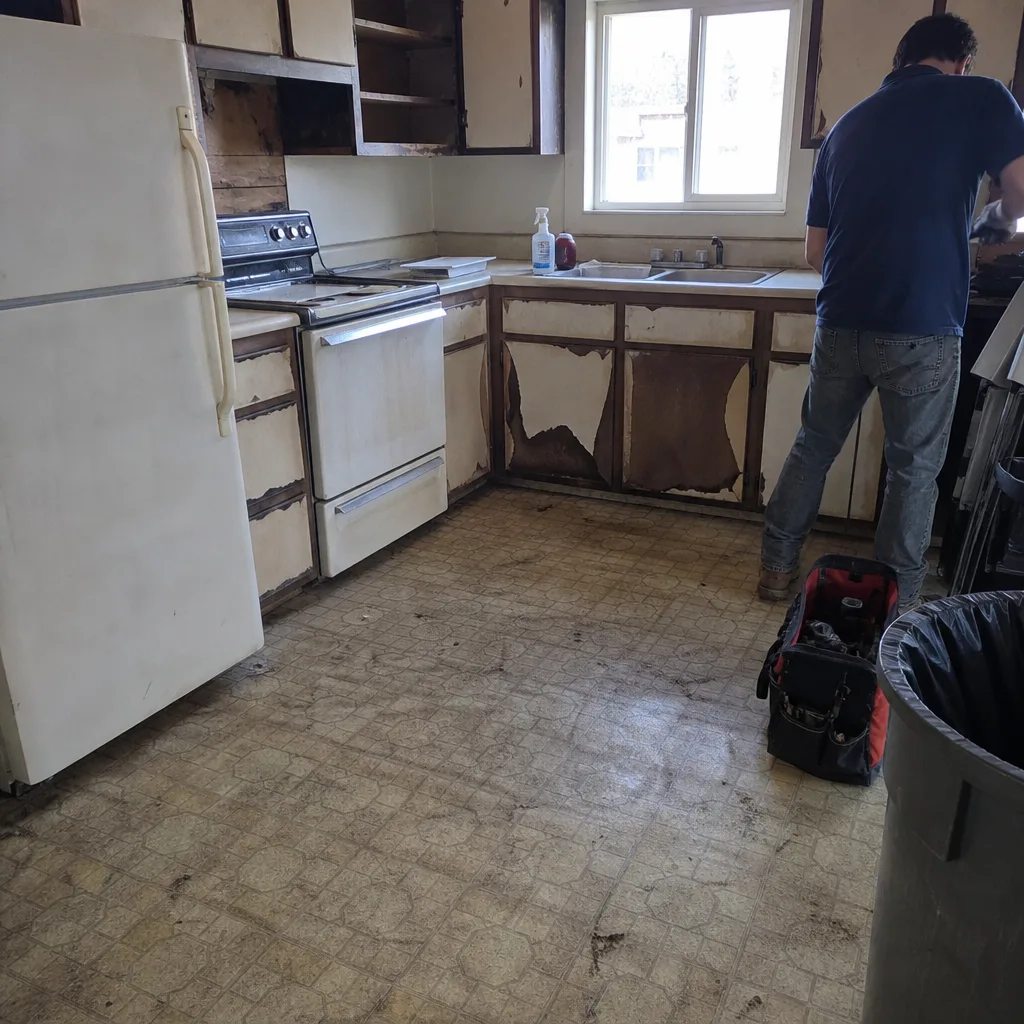 Before
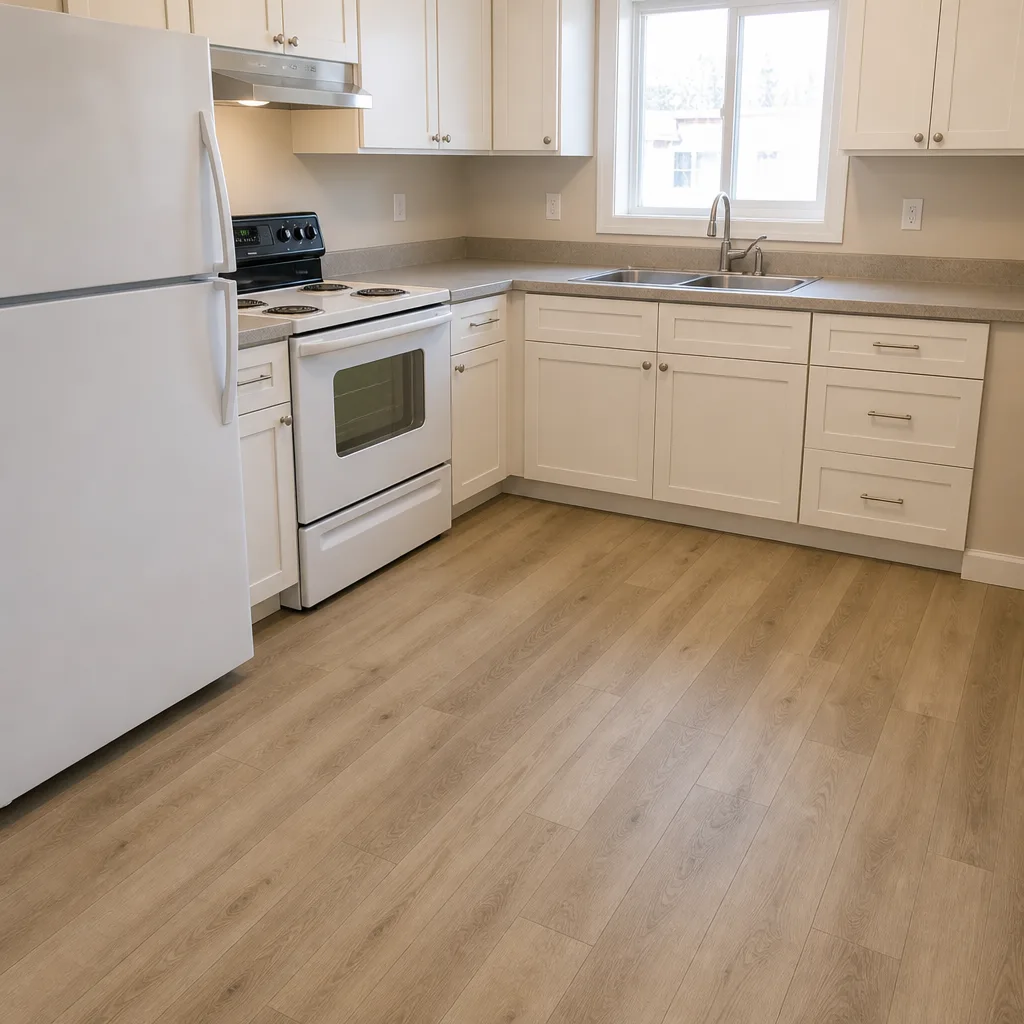 After
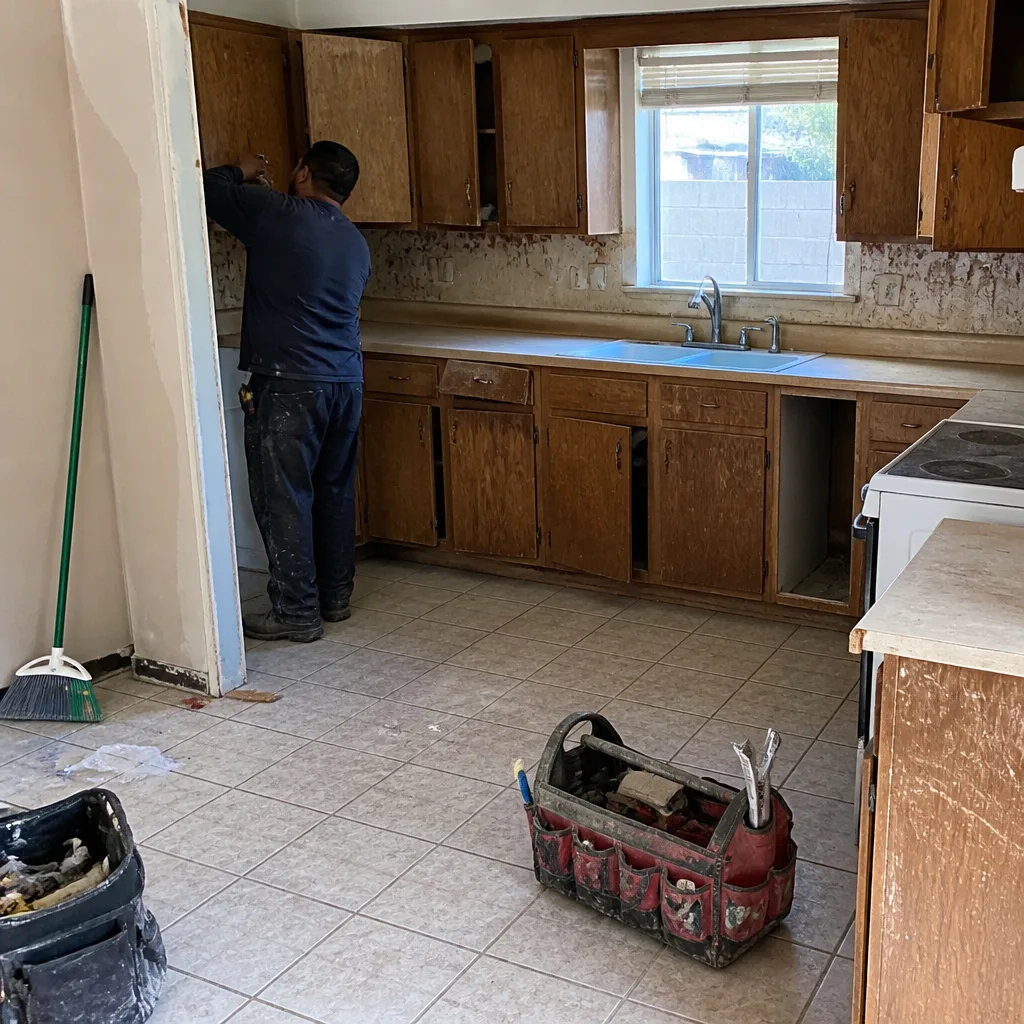 Before
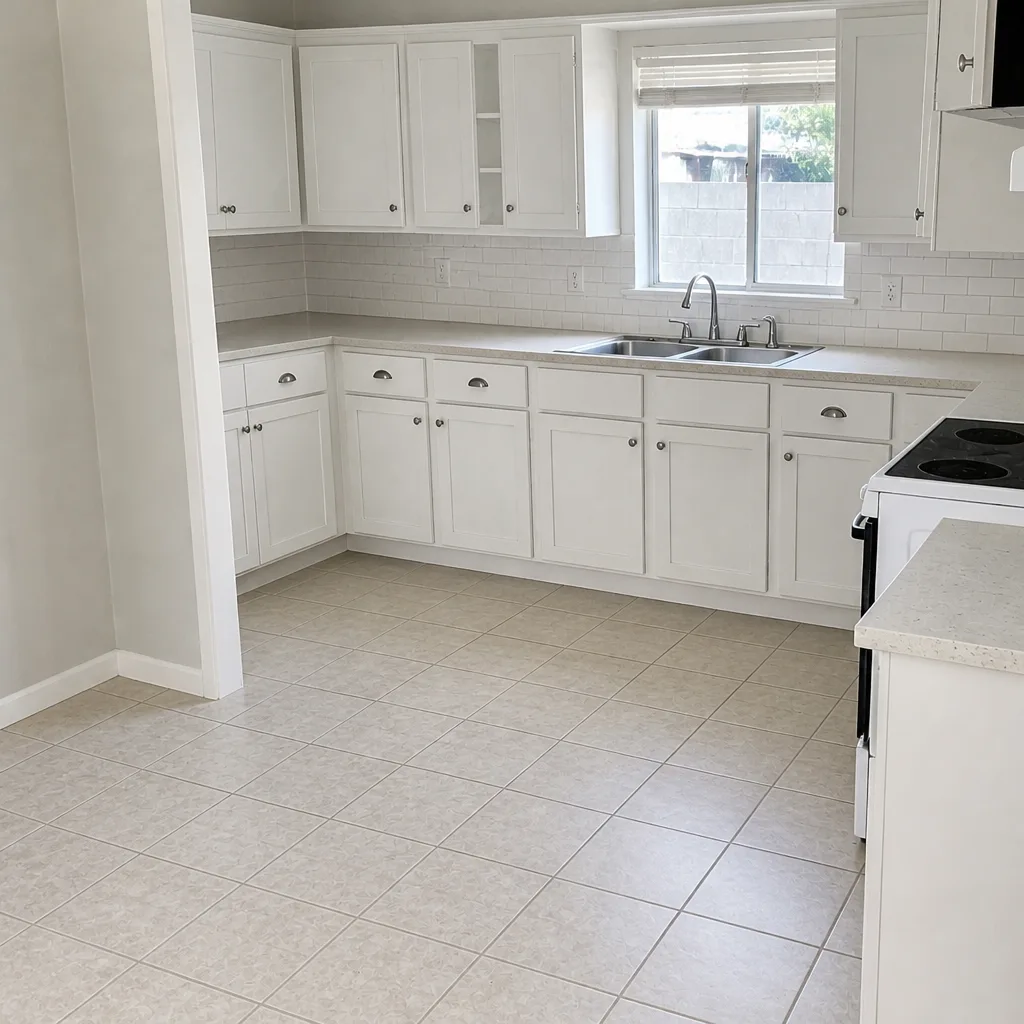 After
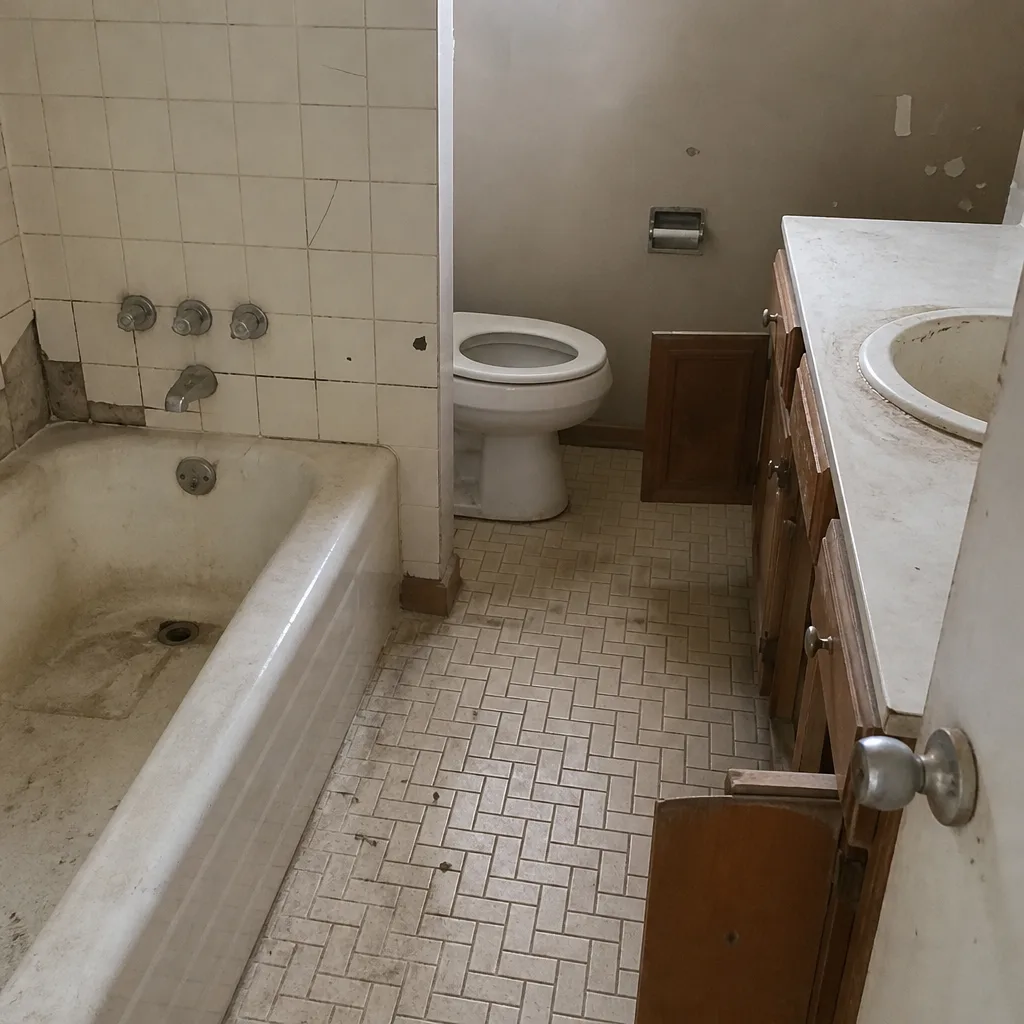 Before
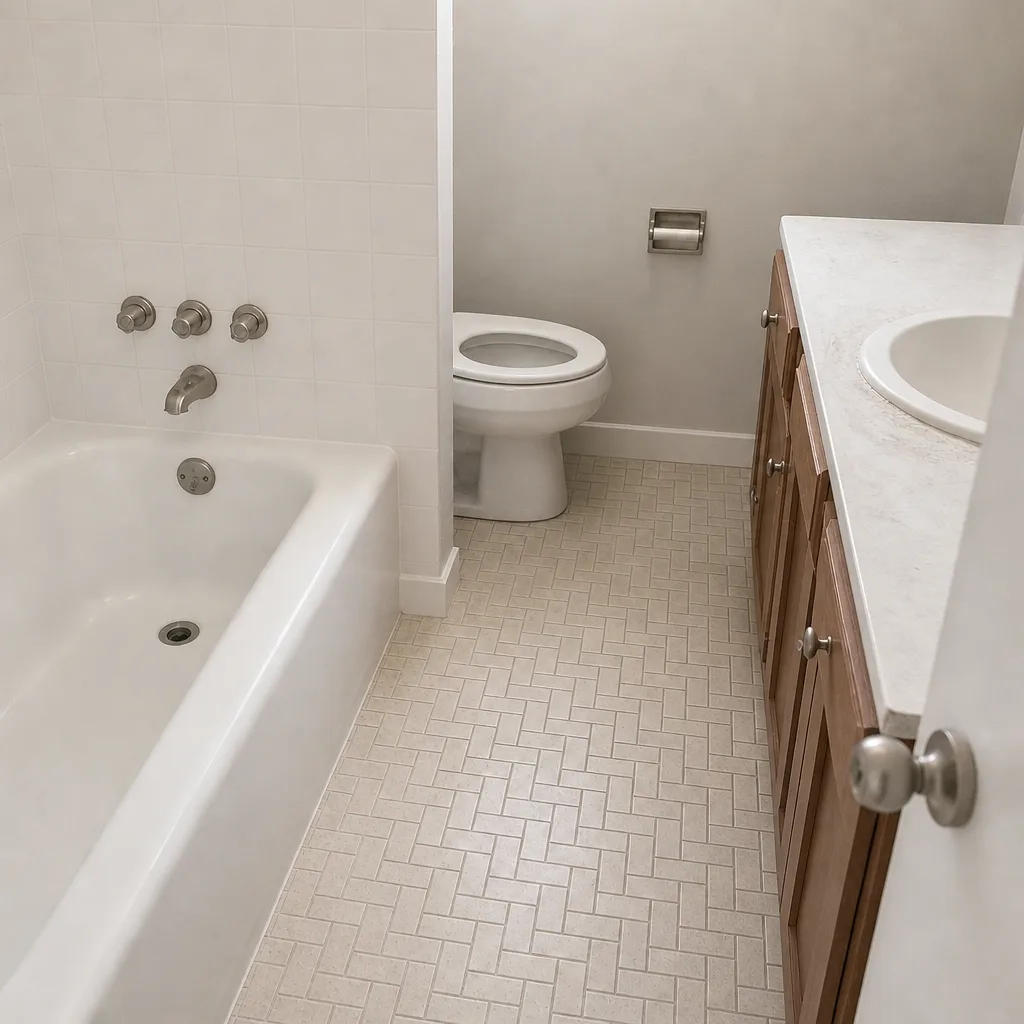 After
When to Call a Professional
Call us now if any of these describes your Paradise home: a crack over 1/4 inch wide, a horizontal or stair-step crack in a block wall, a sudden roof leak or daylight through the sheathing, spalling that’s moving faster than a season, a door or window that binds after a recent install, or a contractor’s estimate that changed at final invoice with no written change order. Those are the situations where a trained eye saves you money, because the repair costs less the earlier it’s scoped. Less urgent? If you’re watching a vertical crack that hasn’t changed in a year, or you’re not sure whether that bloom on the block is efflorescence, a second opinion is free. Barrett & Sons Construction Paradise offers free estimates in Paradise. Call (855) 596-7029 and we’ll read the house with you before you commit to anything.
Frequently Asked Questions
A horizontal crack in a block wall, or a stair-step crack running through the mortar joints, is the most serious because it points to foundation movement rather than surface damage. Paradise’s expansive clay soils swell and shrink with our wet and dry cycles, and block walls show that movement first. Photograph it with a scale and get an inspection before you patch anything. Call (855) 596-7029 for a free estimate on the inspection. An estimate for the actual repair, if one is needed, comes at the same visit.
Efflorescence means moisture is moving through the masonry, but it doesn’t always mean an active leak. It’s a signal to find where the water enters, usually at the wall cap, a grade that slopes toward the wall, or a failed joint. It’s worth a closer look before the next monsoon. Call (855) 596-7029 to schedule a free walkthrough.
Yes. You can spot most roof warning signs from the ground: curled shingle edges, granule piles at the downspouts, rust on the fascia, and sagging along the roofline. Add an attic check for daylight and water stains. Anything you see from the ground is enough to book a professional look. Roof work involves real fall hazards and should be done by trained professionals. Call (855) 596-7029 for a free estimate.
The five signs are missing permits, wrong or missing fasteners, caulk used where flashing should be, hollow or uneven tile, and a paper trail with no written scope or change orders. Any one of them is worth investigating. The permit history and the paperwork are the fastest checks you can run. Call (855) 596-7029 if you’d like a second opinion on a written estimate you’ve already received.
It shouldn’t, and with us, it doesn’t happen silently. Every scope, every allowance, and every price change arrives as a written change order before any work proceeds. That’s the reason an allowance that isn’t on paper is a surprise waiting for a date. If a contractor won’t put a change in writing before touching the job, that’s your warning sign. Call (855) 596-7029 for a no-hassle upfront estimate.
For most structural, electrical, plumbing, and roofing work, yes, and skipping them leaves you holding the liability. We pull permits and sign inspections on every eligible job. The permit inspector works for you, not for us, which is exactly why we like him. Call (855) 596-7029 to ask whether your project needs one, or to schedule a free estimate.
The Bottom Line
Most construction problems announce themselves weeks before they get expensive. The job is knowing what you’re looking at. Measure cracks and photograph them with scale. Take a slow lap around the exterior every spring, and check the roof from the ground and the attic, not the ladder. Treat moisture signs on masonry and stucco as real, because “too dry for water damage” is a myth in Paradise. And when something is urgent, call before you patch, because the patch hides the evidence. Written scope, written change orders, permits pulled, and a signed 90-Day Done Right Promise are the four things that turn a warning sign into a plan. If any of the signs above matches your Paradise home, call Barrett & Sons Construction Paradise at (855) 596-7029 for a free estimate. We’ll read the house with you, put the scope in writing, and stand behind it. You can also start with our Barrett & Sons Construction Paradise home page to see how we run a job from first look to final inspection.
Written by the team at Barrett & Sons Construction Paradise.