Last updated November 18, 2026






Free written scope consultation - allowances, timeline, and change-order rules on paper before a single trade is scheduled
Construction Permits, Codes & Inspections in NV: What You Need to Know
An unpermitted patio cover or room addition won’t cause you problems until it causes you enormous problems. Picture this: you’re 72 hours from closing on a home sale, the buyer’s inspector walks the property, and he flags a converted garage that never had a permit. The deal freezes. The clock starts. And you learn that the work done ten years ago just became this year’s emergency. We’ve watched this play out in Paradise more than once, and it almost never ends with a shrug and a handshake. Here’s how Clark County and Nevada actually run permits, codes, and inspections, and what to do about it.
Quick Answer
Most structural, electrical, plumbing, and mechanical work in Nevada requires a permit through the county or city where the property sits, and in Clark County that means filing through Clark County Development Services for unincorporated areas like Paradise, while Las Vegas and Henderson run their own separate building departments. Unpermitted work can void homeowner’s insurance, complicate title, and must be disclosed at resale under Nevada law. A licensed contractor pulling the permit keeps the liability where it belongs; a homeowner pulling an owner-builder permit takes it on personally.
Styles & brands we work with
- Kitchen remodeling
- Bathroom remodeling
- Home additions & ADU
- Roofing
- Windows & doors
- Driveway & pavers
- Fence
Table of Contents
- Why Paradise Has Its Own Permit Rules
- Which Projects Actually Need a Permit in Nevada
- The Clark County Development Services Portal, Step by Step
- What a Failed Inspection Really Means
- How Unpermitted Work Hits Insurance, Title, and Resale
- Licensed Contractor vs. Owner-Builder Permit
- Common Mistakes to Avoid
- Frequently Asked Questions
Why Paradise Has Its Own Permit Rules
Here’s the part that trips up even seasoned contractors: Paradise is an unincorporated town inside Clark County. It is not a city. It has no city hall of its own issuing building permits. That means a job on a Paradise address runs through Clark County Development Services, not the City of Las Vegas, not Henderson, not North Las Vegas. The rules, forms, and fee schedules are different from each neighboring jurisdiction.
Why does it matter? Because a contractor who does most of his work inside Las Vegas city limits may pull the wrong form, file with the wrong department, or assume a scope that’s allowed in one jurisdiction is allowed in all of them. It isn’t. Setback requirements, ADU rules, and even fence height limits vary by jurisdiction, and Paradise follows the county’s version.
We’ve had homeowners in Paradise tell us their last contractor said permits were optional. They aren’t. They never were. The county wants to know what’s being built on its land, and the inspection process is how the county confirms the work matches what was approved. If you’re remodeling a kitchen in a Paradise neighborhood like Sunrise Manor or Winchester, the permit still runs through the county, not the neighboring city. We’ve found the cleanest way to avoid confusion is to look up the parcel first, confirm the jurisdiction, and start the paperwork from there. If you’re unsure which page you’re on, the Barrett & Sons Construction Paradise home page links to the right starting points.
The other piece worth knowing: because Paradise has no city permit office, everything runs through Clark County’s online system. That’s a good thing once you know it. It’s a headache when you don’t.
Which Projects Actually Need a Permit in Nevada
Most homeowners assume the list is shorter than it is. It’s actually longer, and a few items on it surprise people who’ve been remodeling for decades.
Permits are typically required for:
- Any room addition, bump-out, or new square footage
- Converting a garage, carport, or bonus room to living space
- Adding or relocating plumbing fixtures (sinks, toilets, showers, gas lines)
- New or altered electrical circuits, panel changes, or service upgrades
- HVAC replacement or new ductwork
- Roof replacement when the decking or structure changes, and interior structural repairs
- ADUs (accessory dwelling units), whether attached, detached, or converted
- Patio covers, carports, and pergolas attached to the structure
- Retaining walls above a certain height, and most pools and spas
- Fences above the county height limit, and most block or masonry walls
Permits are usually not required for:
- Painting, both interior and exterior
- Replacing like-for-like cabinets, countertops, flooring, or fixtures in the same location
- Fence repair on an existing permitted fence (new runs typically do require a permit)
- Cosmetic landscaping, sod, and non-structural hardscape work
The catch: “usually not required” depends on whether the project touches structure, electrical, plumbing, or gas. A like-for-like cabinet swap is a no. A cabinet swap that moves the sink and adds an outlet is a yes. In our experience remodeling Paradise kitchens, the projects that snag people are the small ones. Moving a gas line two feet looks minor. It’s not, in the county’s eyes or in ours.
The Clark County Development Services Portal, Step by Step
If your project address is in Paradise, the permit paperwork runs through Clark County Development Services. The process is online, and the sequence is what most homeowners don’t see. Here’s the actual order:
- Confirm jurisdiction. Verify the parcel is unincorporated Clark County (Paradise) versus inside a city limit. This step decides every step after it.
- Assemble the submittal. Most residential permits need a site plan, floor plan, and depending on the scope, structural, electrical, plumbing, or mechanical drawings. Our experience: plans that show dimensions and locations in detail sail through faster than sketches.
- File through the online portal. Clark County Development Services accepts residential submittals through its online system. The portal generates a permit number and a review cycle once filed.
- Wait the first review. Plan review timelines vary by project complexity and county workload. Straightforward alterations move faster than additions or ADUs.
- Respond to corrections. If the county reviewer issues comments, you get a window to correct and resubmit. Every resubmit adds time.
- Pay fees and pull the permit. The permit is officially issued once fees are paid. Work cannot legally begin before this step.
- Schedule inspections. The county inspects at defined points (footings, framing, rough-in, final), and you cannot proceed past certain stages until the previous inspection passes.
- Final inspection and sign-off. The final sign-off closes the permit. This is the piece of paper that protects you at resale.
The most common slowdown is step five. Correction cycles drag when the submittal was thin to begin with. A written scope and detailed plans save weeks, which is why every job we take on starts there. If you’re looking at a home addition or ADU in Paradise, our Home Additions & ADU in Paradise page walks through the planning side of that process.
What a Failed Inspection Really Means
A failed inspection isn’t a moral failing, but it isn’t a formality either. It’s a documented finding that the work observed didn’t match approved plans or code. The county issues a correction notice, and the clock on that notice starts the day it’s issued.
Here’s what homeowners don’t see:
- Re-inspection fees. Clark County charges a re-inspection fee for a second visit to the same failed item. Fees scale with the project type and the county’s current fee schedule. What people assume is a free second look often isn’t.
- A correction window. The notice gives you a defined window to correct the issue and call for re-inspection. Miss it and the permit can go inactive, which means restarting paperwork.
- Demolition in extreme cases. If work was performed without a permit at all, or in a way the county determines cannot be corrected safely within the structure, the county can require removal. Unpermitted patio enclosures, room conversions, and second-story additions are the common candidates. It’s rare, but it happens.
- Stop-work orders. If work proceeds past a stage that hasn’t been inspected, the county can order work halted. That’s not the same as a fine, but the schedule damage is what hurts.
We’ve watched homeowners lose six weeks to a correction window that ran out. Our view: the inspector works for you, not for us. The county inspection is the one independent set of eyes on the job. It’s the reason we insist on permits on every eligible project even when a homeowner says the last guy told them it wasn’t necessary.
How Unpermitted Work Hits Insurance, Title, and Resale
This is the part that has nothing to do with the county and everything to do with the paperwork waiting for you later.
Homeowner’s insurance. Most standard policies cover the dwelling based on what’s disclosed and permitted. If a covered loss occurs in an unpermitted addition, the insurer can dispute the claim, reduce the payout, or in some cases deny coverage for that portion of the structure. We’ve seen it argued both ways after a fire; the homeowner loses the argument more often than not.
Title insurance. Title insurance protects against ownership defects, not building-code violations. A title policy will not pay to demolish an unpermitted addition. What it does is trigger discovery: during a sale, the title company pulls records and the buyer’s lender orders an appraisal. Both can surface unpermitted square footage.
Resale disclosure. Under Nevada law, sellers have a duty to disclose known material defects and known additions or alterations to the property. An unpermitted addition is a known alteration. Not disclosing it exposes the seller to liability after closing; disclosing it often triggers the buyer to demand a price reduction or a permit cure before closing.
The sale itself. Lenders generally will not underwrite a mortgage on square footage that isn’t permitted, because they can’t insure or value it. That’s the 72-hour-vs-closing scenario from the top of this guide. Depending on the situation, the sale may not collapse so much as stall for weeks while a permit is retroactively pulled and inspected.
Paradise has an added wrinkle: a lot of homes here were built in waves during the 1970s through 2000s, and small additions were a common DIY project. If you’re buying in a Paradise neighborhood like Spring Valley or Enterprise, ask for the permit history on any converted garage, enclosed patio, or added bedroom. If the seller doesn’t have it, don’t assume it exists.
Licensed Contractor vs. Owner-Builder Permit
Nevada allows a homeowner to pull a permit as an owner-builder on their own residence, provided they intend to occupy it and are doing the work themselves. It’s a real option, and it’s used often. It’s also a liability decision more than a paperwork decision.
Here’s the difference side by side:
- Contractor permit. The licensed contractor pulls the permit, is named on the record, is responsible for code compliance, and carries insurance and the warranty obligations that come with the classification. If the work fails inspection or fails later, there’s a licensed professional on record to answer for it.
- Owner-builder permit. The homeowner is named as the contractor of record. Code compliance becomes the homeowner’s responsibility. The homeowner’s existing policies and warranties don’t extend to the work in the same way. Disputes with subs, if there are subs, have no contractor of record to resolve them.
There’s one more consequence most people don’t hear about until later: an owner-builder who sells the property too soon after pulling the permit can trigger disclosure and warranty questions the buyer’s agent will absolutely ask about. And if a subsequent owner hires a contractor to modify the work, the contractor inherits a record that started on a homeowner’s name, not a licensed company’s. That’s an awkward starting line for anyone.
We’ve had Paradise homeowners ask us to pull a permit retroactively on work they did years ago. It can be done, sometimes, through a permit cure process, but it’s not cheap and it’s not guaranteed. The better answer is to keep the permit clean from the start. If you’re putting in a fence or a new driveway, our Fence Installation in Paradise and Driveway & Pavers in Paradise pages both cover the permit picture for those projects.
Common Mistakes to Avoid
- Assuming Paradise is a city with its own permit office. It isn’t. Paradise is unincorporated Clark County. Filing with Las Vegas or Henderson when the property is in Paradise wastes time and delays the permit.
- Trusting “permits aren’t required for this” without confirming. Plenty of contractors assume this. Some are wrong, and the homeowner is the one holding the unpermitted work at resale. We’ve seen it more than once in Paradise.
- Starting work before the permit is issued. Filing the application is not the same as having the permit in hand. Work started before permit issuance is unpermitted work, full stop, and can trigger a stop-work order.
- Skipping the correction notice timeline. The correction window is finite. Owners who don’t check the county portal for weeks after a failed inspection sometimes lose the permit and have to start over.
- Assuming the fence height limit is the same as Las Vegas. It isn’t. A fence built to Las Vegas standards on a Paradise parcel might not meet county requirements if it’s above the permitted height.
- Pulling an owner-builder permit for work being done by a hired contractor. Nevada doesn’t allow a homeowner to pull an owner-builder permit to cover work being performed by a licensed contractor. That’s a red flag the county will catch.
- Not keeping the final inspection sign-off. The signed-off permit is the document that protects you at resale. Without it, the addition may as well never have been permitted.
See the difference
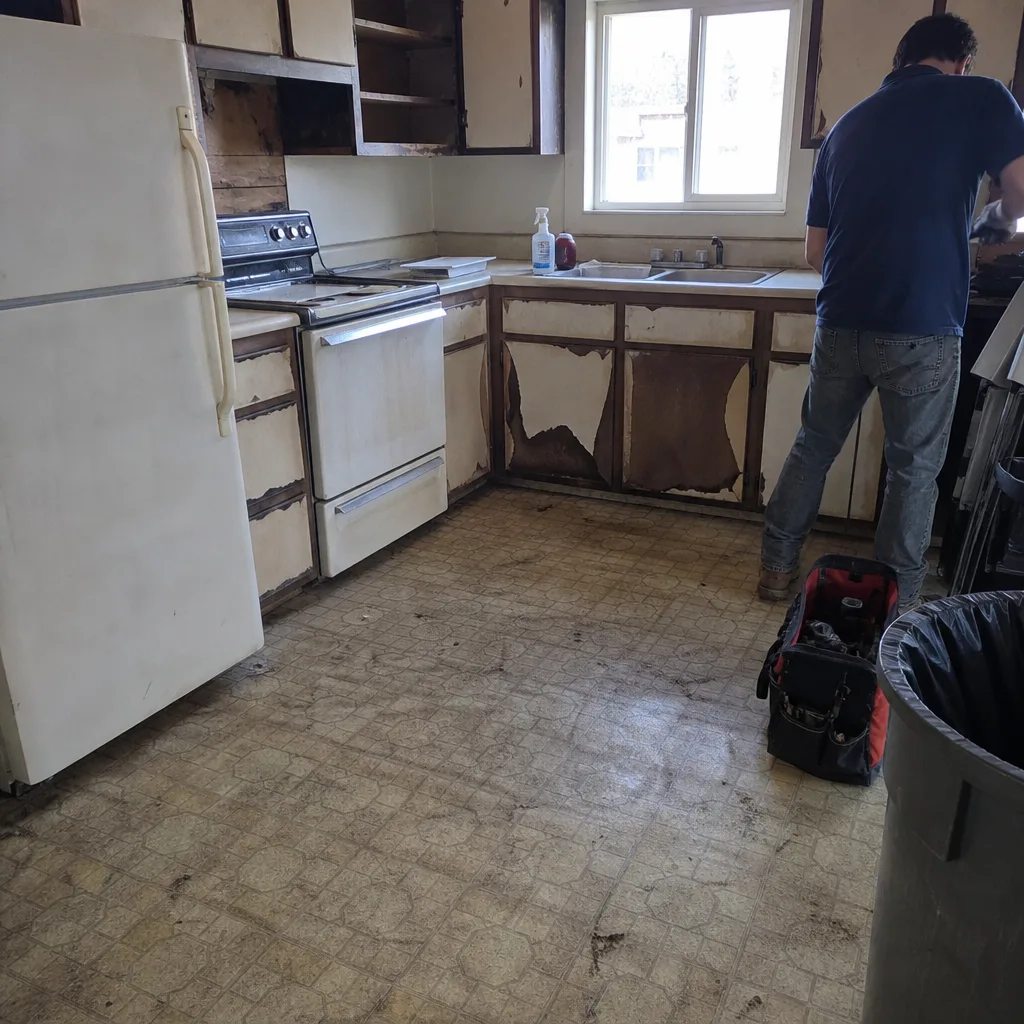 Before
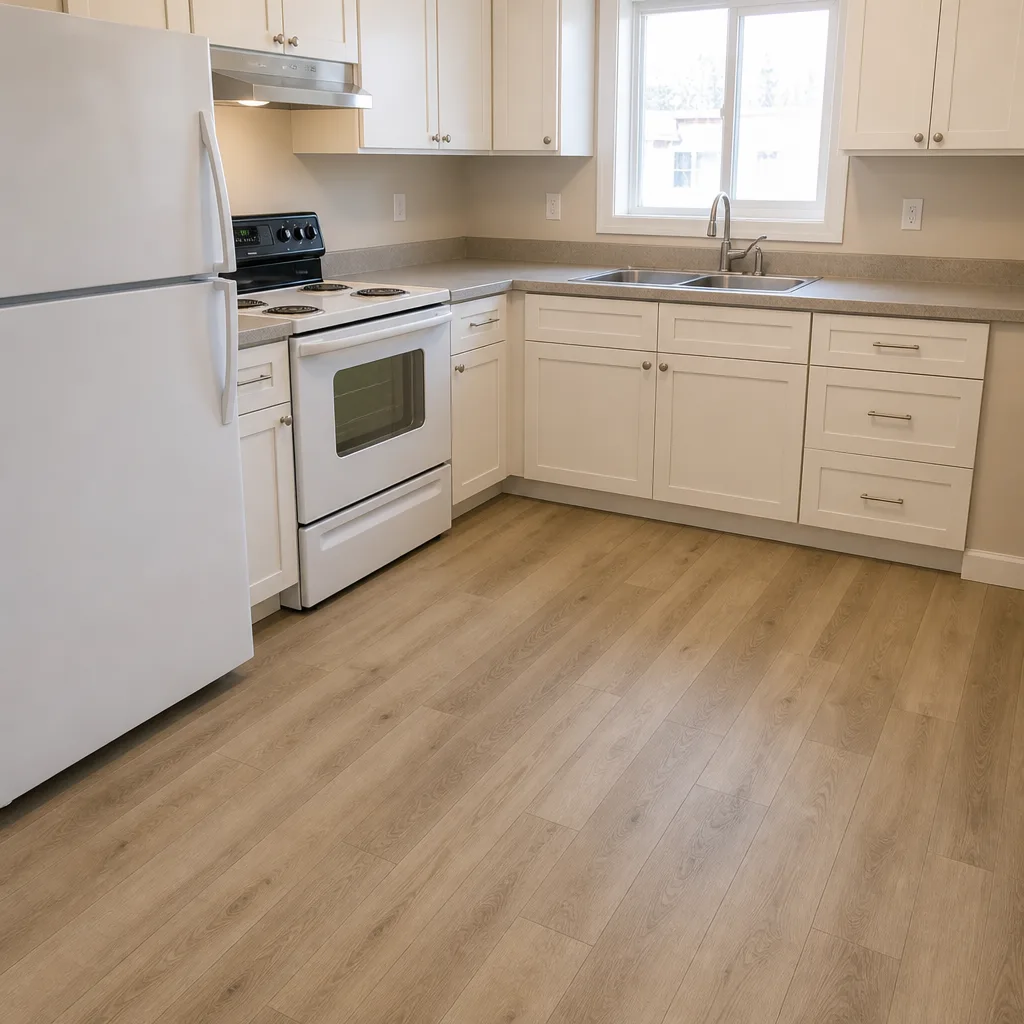 After
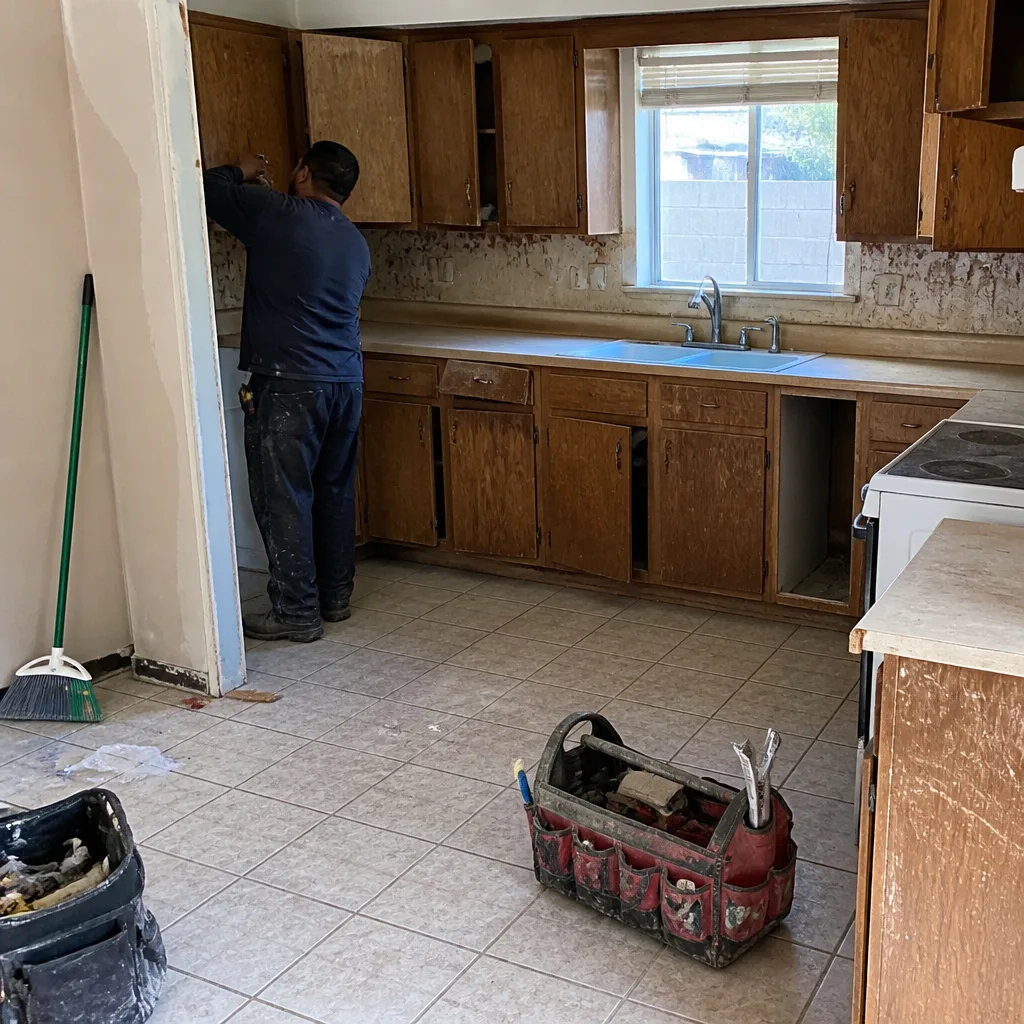 Before
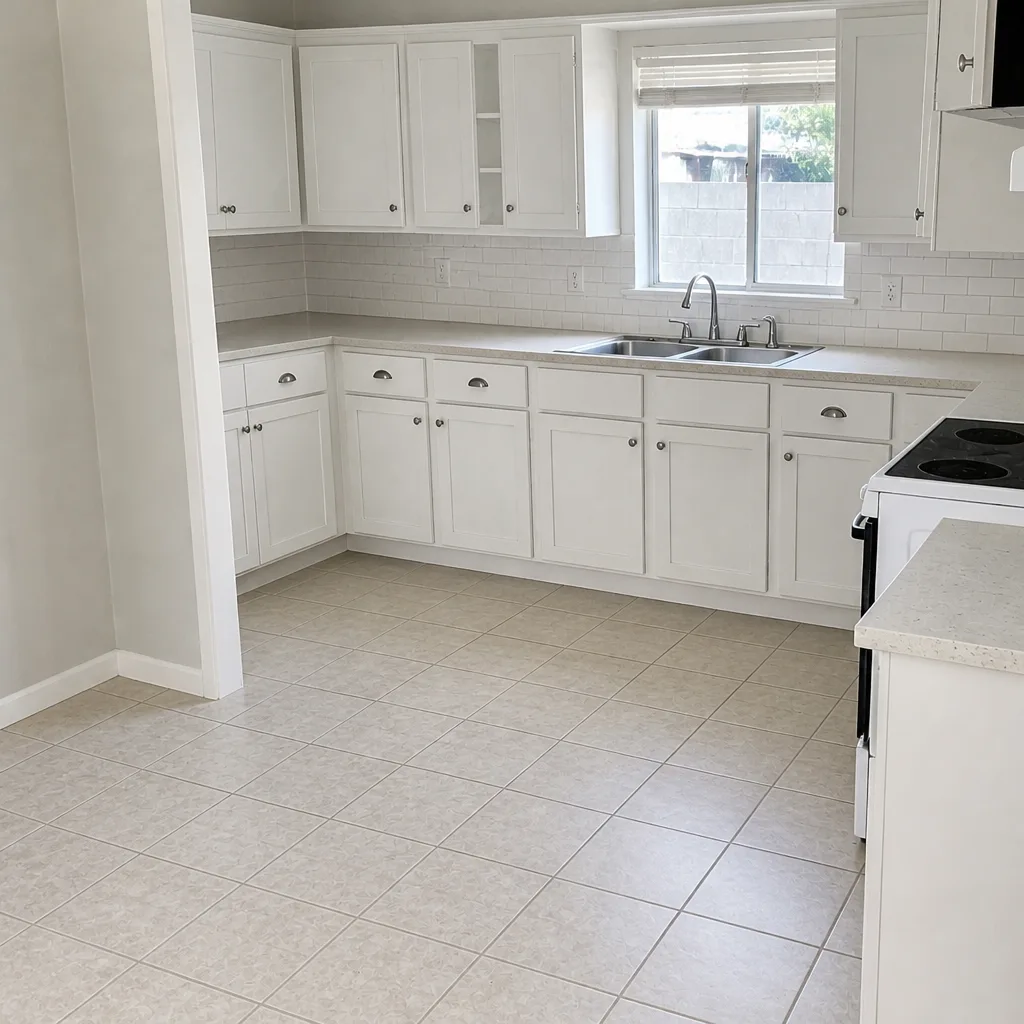 After
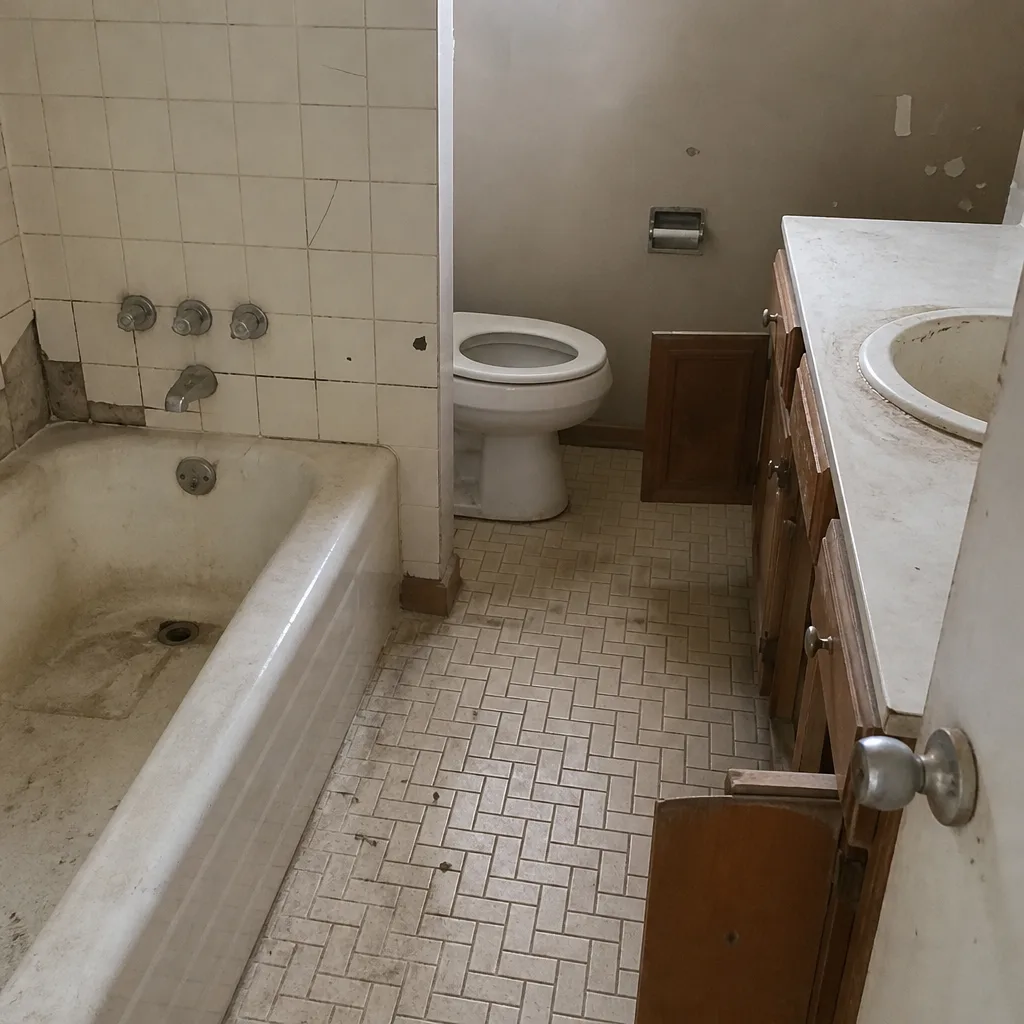 Before
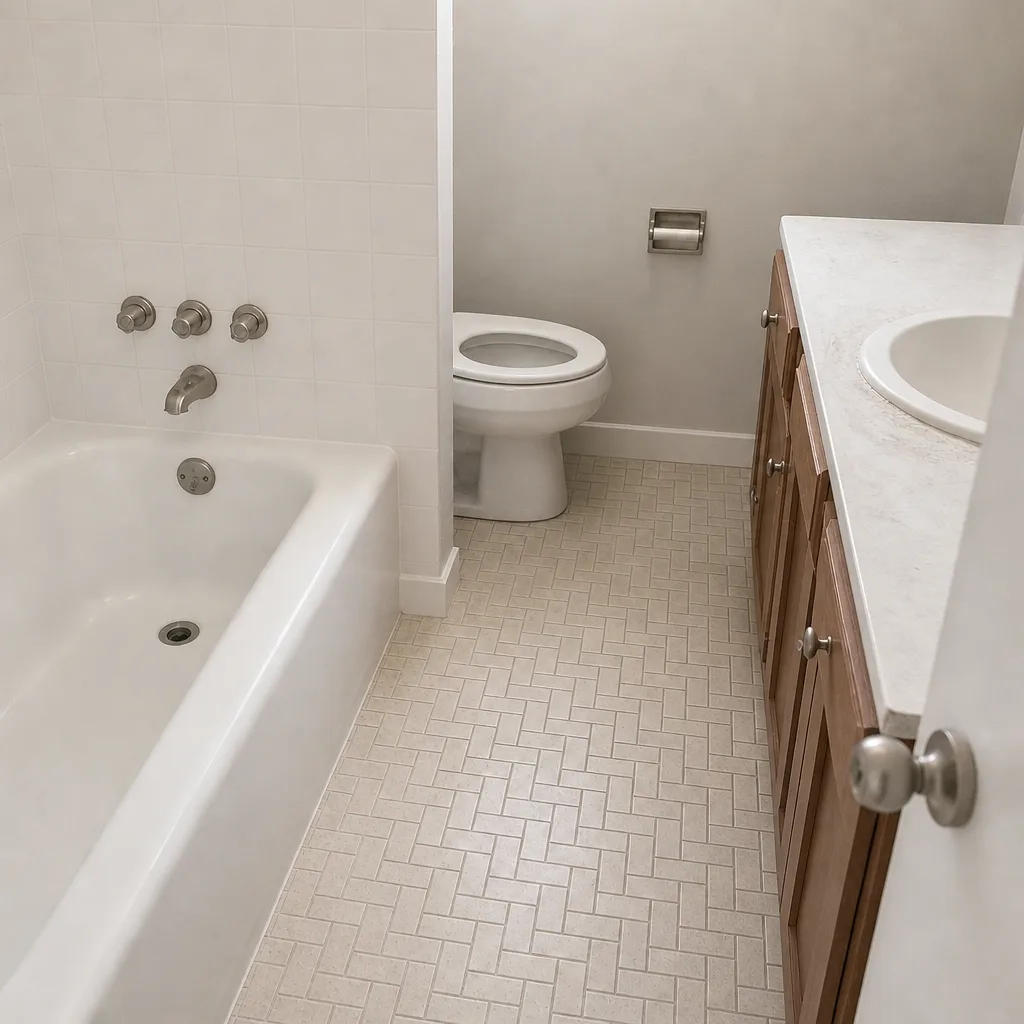 After
When to Call a Professional
Some permit and inspection situations are worth handling yourself, and some aren’t. If the work touches structure, electrical, plumbing, or gas, the safer path is to involve a licensed contractor who pulls the permit and stands behind the work. Structural changes to load-bearing walls, electrical panel work, gas line relocation, and any project that changes the building’s footprint are the situations we’d say don’t go it alone on. Safety matters here, and the code exists because people have been hurt when it wasn’t followed.
Barrett & Sons Construction Paradise offers free estimates in Paradise, and we’ve walked through more failed inspections and retroactive permit situations than we’d like to admit. We pull the permit, keep the change orders in writing, and back the job with our 90-Day Done Right Promise. Call (855) 596-7029 for the estimate. We answer the phone.
Frequently Asked Questions
Yes. Any addition that changes square footage or the structure of the home requires a permit through Clark County Development Services, because Paradise is unincorporated Clark County rather than a separate city. That includes garage conversions, enclosed patios, bump-outs, and second-story additions. Call (855) 596-7029 for a free estimate and we’ll walk you through the submittal.
Fence repair on an existing permitted fence usually doesn’t require a permit; new fence runs and fences above the county height limit typically do. Because Paradise follows Clark County’s height rules rather than Las Vegas’s, a fence that’s compliant by Las Vegas standards may not be compliant at a Paradise parcel. Call (855) 596-7029 and we’ll confirm the rule for your address before you dig.
No. Nevada’s owner-builder permit is for a homeowner who intends to occupy the property and perform the work themselves. Hiring a contractor while keeping the permit in your name is a violation and a liability trap. If a contractor is doing the work, the permit should be in the contractor’s name. Call (855) 596-7029 for a free estimate on permitted work.
It can. Lenders generally won’t underwrite a mortgage on square footage that isn’t permitted, and buyers’ inspectors routinely flag conversions and additions with no permit history. Under Nevada disclosure rules, the seller has to disclose known unpermitted work, which often forces a permit cure before closing or a price reduction. Call (855) 596-7029 if you’re facing a permit cure before closing.
Permit fees are set by Clark County’s fee schedule and scale with project valuation and type, so a kitchen remodel, a room addition, and an ADU each carry different fee ranges. The re-inspection fee schedule is separate and kicks in after a failed inspection. We build the actual permit fee into every written estimate before work starts. Call (855) 596-7029 to schedule yours; estimates are free.
The county issues a correction notice with a defined window to fix the issue and call for re-inspection, and re-inspections typically carry a fee. If work proceeds past an uninspected stage or is beyond correction, the county can order a stop-work or, in rare cases, require removal. Get the correction corrected and back on the schedule. Call (855) 596-7029 if you want a second set of eyes before you resubmit.
The Bottom Line
Permits in Nevada are not a formality and not optional, and in Paradise they follow Clark County’s rules rather than any neighboring city’s. The process is described in detail above because the specifics matter: which department you file with, which projects need a permit, what a failed inspection actually costs you in time and fees, and why an owner-builder permit is a liability decision, not a savings decision. If you’re planning a project in Paradise, start with the jurisdiction question, get the submittal right the first time, and keep the signed-off permit. That document protects you for as long as you own the home.
Contact
Barrett & Sons Construction Paradise is the owner-operated name-on-the-truck alternative for homeowners who’ve been burned by a quote that showed up one way on the phone and another way at the door. Every permit gets pulled, every change order is in writing before work proceeds, every price is documented with a line-item estimate, and every completed job is backed by our 90-Day Done Right Promise. Free estimates in Paradise, no trip charge inside the county, and a permanent 10% Senior & Veteran discount. Call (855) 596-7029 for a free estimate.
Written by the team at Barrett & Sons Construction Paradise.