Last updated November 18, 2026
Free written scope consultation - allowances, timeline, and change-order rules on paper before a single trade is scheduled
Construction Cost Breakdown: The Paradise Homeowner’s Reference for 2026
If you’ve gotten three bids that are $12,000 apart on the same project, the problem isn’t that two contractors are lying. It’s that the scope of work is probably described differently on each bid, and you have no way to compare them without understanding what the line items actually mean. That gap is where homeowners lose money in Paradise. Not on the labor rate. Not on the material markup. On the missing sentence that says who pulls the permit, who pays for the dumpster, and what happens when the stucco patch doesn’t match the wall. This guide breaks down real 2026 cost ranges for the projects Paradise homeowners actually build – additions, patio covers, flatwork, and stucco – so you can read a bid instead of guessing at it.
Quick Answer
In Paradise, Nevada, 2026 construction costs run roughly $180 to $320 per square foot for a room addition, $45 to $85 per square foot for a covered patio, $9 to $18 per square foot for concrete flatwork, and $12 to $22 per square foot for exterior stucco. Those ranges are wide because scope is wide. Clark County permit fees typically add another 1.5% to 3.5% of project value, and the difference between a licensed trade crew and an unlicensed handyman often runs 20% to 35% in labor – a gap that represents liability, not greed.
Styles & brands we work with
- Kitchen remodeling
- Bathroom remodeling
- Home additions & ADU
- Roofing
- Windows & doors
- Driveway & pavers
- Fence
Table of Contents
- Per-Square-Foot Costs for the Projects Paradise Homeowners Actually Build
- What Clark County Permit Fees Really Add in 2026
- The Licensed Labor Premium in the Las Vegas Metro
- How to Read a Construction Bid Line by Line
- The Cost of Doing It Twice: What a Low Bid Really Costs
- Paradise-Specific Variables That Move the Number
- Building Your Own Comparison Worksheet
- Common Mistakes to Avoid
Per-Square-Foot Costs for the Projects Paradise Homeowners Actually Build
Per-square-foot pricing is the fastest way to sanity-check a bid, but only if you know what the number includes. A $190 per square foot addition and a $280 per square foot addition can both be honest – they’re just paying for different things. Here’s how the ranges break down in the Paradise market for 2026.
- Room additions: $180 to $320 per square foot. The low end covers a straightforward bump-out on a slab with standard finishes. The high end covers structural work, a bathroom tie-in, or matching an existing roofline that wasn’t built to be extended.
- Covered patio (attached, engineered): $45 to $85 per square foot. An aluminum patio cover with a permit sits near the bottom. A full framed patio with stucco, electrical, and a finished ceiling lands near the top.
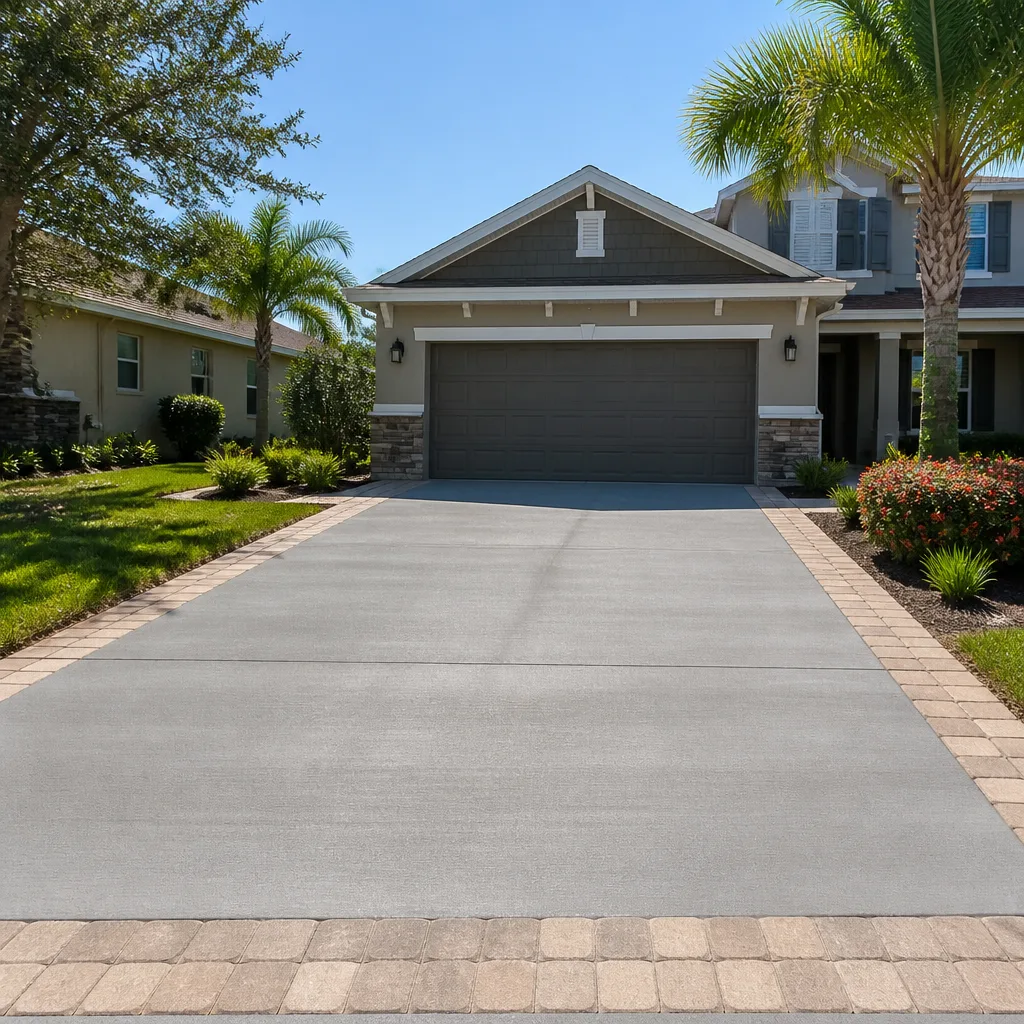
- Concrete flatwork (driveways, walkways, slabs): $9 to $18 per square foot. Standard broom finish with 4-inch pour sits low. Decorative finishes, thicker pours for RV parking, and demolition of the old slab push it up.
- Exterior stucco (repair or full re-stucco): $12 to $22 per square foot. Patch repairs cost more per square foot than full walls because of the color-match and scaffold setup labor.
What moves the number up or down inside those ranges: soil conditions (caliche is common in parts of Paradise and it’s not free to dig through), access to the work area, whether the job requires a structural engineer’s stamp, and how much of the existing finishes get disturbed. A $200 per square foot addition next to a $320 per square foot addition usually comes down to one of those four things – not to whether the contractor likes you. If you’re comparing an addition against the cost of a separate structure, our Home Additions & ADU in Paradise page walks through the tradeoffs in more depth.
What Clark County Permit Fees Really Add in 2026
Clark County permit fees typically land between 1.5% and 3.5% of your project’s construction value, and that’s before inspection-related costs, plan review, and any engineering stamps the county requires. On a $60,000 addition, plan on $1,200 to $2,400 in permit fees alone. It’s the smallest line on the bid and the one that causes the most fights later.
Here’s the checklist we walk every Paradise homeowner through, and the one you should walk any contractor through before signing:
- Ask where the permit fee appears on the bid. If it’s not a separate line item, ask whether it’s included or “handled later.” Handled later means billed later.
- Ask who pulls the permit. In Clark County, the permit must be pulled by the licensed contractor doing the work. If a contractor asks you to pull it as the homeowner, that’s a red flag – it shifts liability to you.
- Ask who pays for re-inspections. If work fails an inspection, who eats the re-inspection fee and the re-work? Good bids state this. Weak bids are silent.
- Verify the permit exists. Clark County’s online permit portal lets you search by address. Look it up before work starts, and look it up again at final inspection.
The permit inspector works for you, not for the builder. That’s why we like him. If a contractor tells you permits are optional on a project that clearly requires one – an addition, a structural change, a patio cover, a new electrical circuit – the conversation is over. It’s not a cost question. It’s an insurance and resale question, and it’s the single fastest way to void a homeowner’s policy if something goes wrong.
The Licensed Labor Premium in the Las Vegas Metro
Licensed, insured, background-checked trade labor in the Las Vegas metro runs roughly 20% to 35% more than the unlicensed handyman market. On a $40,000 project, that premium is $8,000 to $14,000. It’s the line homeowners most often shave when comparing bids, and the one that carries the most risk when they do.
What that premium actually buys:
- Workers’ compensation coverage. If an uninsured worker is hurt on your property, your homeowner’s policy is often the first thing that gets tapped. Then your savings are gone and you’re negotiating a settlement.
- General liability insurance. If a crew member drops a beam through your patio slider, the contractor’s policy pays. Without it, you do.
- Licensed, tested trade knowledge. Nevada licenses specialty trades for a reason. Roofing, plumbing, electrical, and structural work each require specific licenses, and unlicensed crews working those trades are working illegally – which also means the county can red-tag the job.
- Up-to-date code compliance. Concrete reinforcement standards, stucco lath requirements, and wind-load attachments change. Licensed crews track them. Handymen don’t.
- Warranty. A licensed contractor can warranty the work. An unlicensed one can skip town.
Our crew members carry up to 28 years of experience, and part of what that buys you is fewer surprises: they’ve seen caliche, they’ve seen failed slabs from the 1990s, they’ve seen stucco that was never properly lathed. That experience is a cost. It’s also the thing that keeps the job on budget. If you’re weighing pavers or fencing against other projects, Driveway & Pavers in Paradise and Fence Installation in Paradise explain where the licensed labor premium is biggest and smallest.
How to Read a Construction Bid Line by Line
A fair bid has five visible categories – and a reasonable profit margin that isn’t hiding inside any of them. If your bid is missing one of those five, ask for it in writing before you sign. We’ve watched homeowners save $4,000 on the front end and spend $11,000 on the back end because they didn’t know what to look for. Here’s the anatomy of a bid you can trust:
- Materials. Should name brands and models, not “mid-grade tile” or “standard sliding door.” If it doesn’t name the brand, it isn’t a bid – it’s an estimate, and estimates are meant to move.
- Labor. Should break out by trade (framing, electrical, plumbing, finish). If it’s a single number, you can’t audit it and you can’t compare it to the next bid.
- Permits and engineering. Should be its own line, with a dollar amount attached. Engineering stamps on structural work often run $800 to $2,500 in Paradise; if that’s not there, plan to eat it.
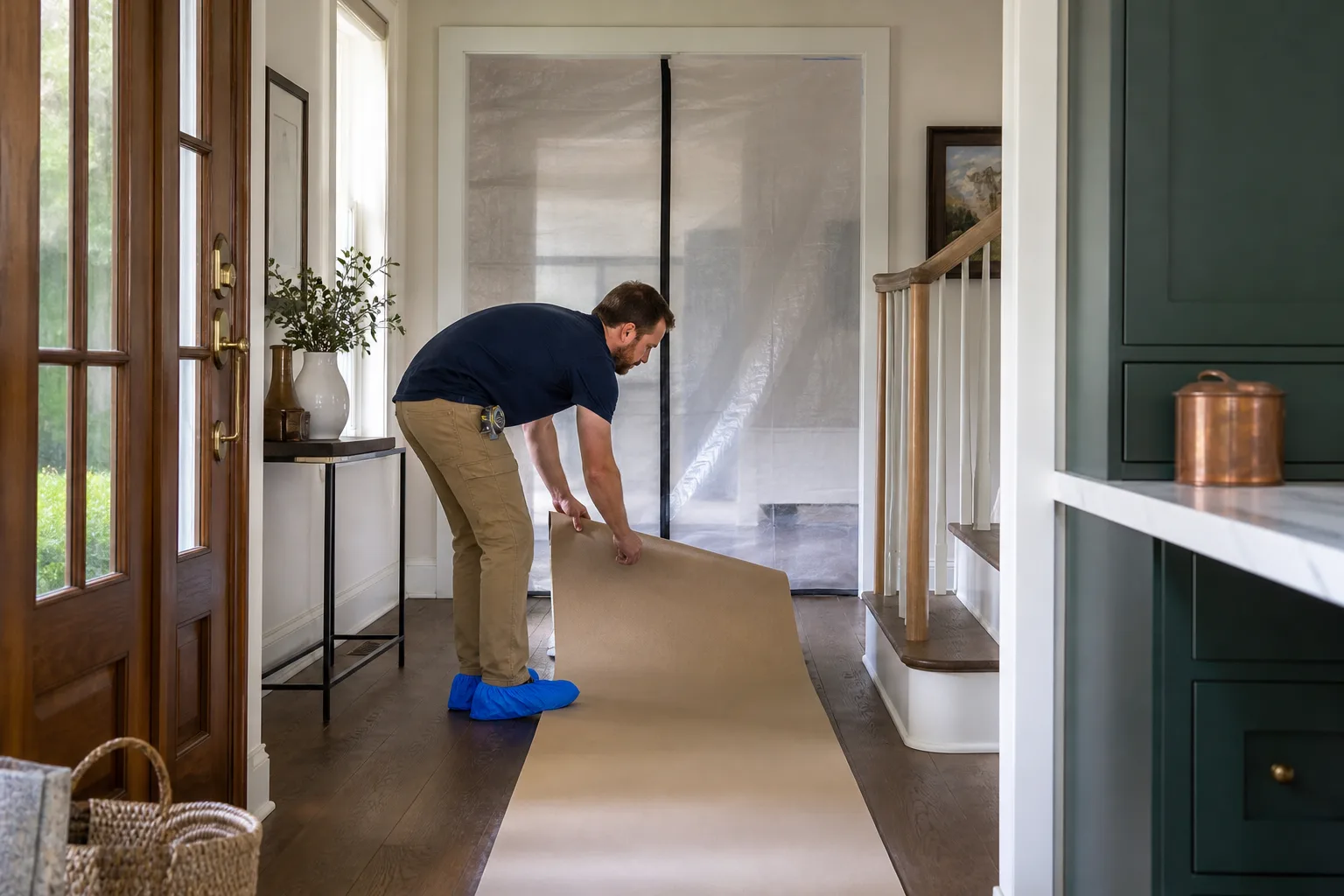
- Disposal and site protection. Dumpster rental, haul-away, and floor/wall protection during the job. Skip this line and you’ll be paying a “disposal fee” three weeks in.
- Allowances. Tile, fixtures, finishes. An allowance that isn’t on paper is a surprise waiting for a date. On our jobs, every allowance is written into the original contract and every line holds its number unless a written change order adjusts it.
The sixth thing to look for isn’t a line item. It’s the profit margin, and it should be visible. A healthy contractor margin in Paradise runs about 15% to 25% of project cost. Anything below 10% means somebody forgot something, and you’ll be paying for it as a change order. Anything above 35% isn’t a red flag by itself – but it should come with a very clear explanation of what’s premium about the job. Ask. A contractor who can’t explain their margin isn’t one who was planning to stand behind it.
Keep every scope, every allowance, and every price change in writing. That’s the whole reason the written change order exists. The bid you sign should be readable by a neighbor who’s never built anything bigger than a fence.
The Cost of Doing It Twice: What a Low Bid Really Costs
The lowest bid is almost never the cheapest job – it’s the job with the smallest number of things written down. When those unwritten things come due, you pay them once as a change order and once as a re-do. In Paradise, the re-do is usually the bigger number, because tearing out and rebuilding costs more than building right the first time.
Three examples we’ve seen in the field:
- The unpermitted patio cover. Homeowner saves $1,400 by skipping the permit. Two years later, the cover shows up on an insurance inspection as a non-permitted structure, and the homeowner pays $2,800 to retroactively permit it – plus a re-inspection and, in one case, having to remove the ceiling panels so the inspector could see the framing.
- The low-bid bathroom shower. Contractor skips the waterproofing membrane to save $340. Water finds the subfloor inside 18 months. The repair runs $6,000 to $9,000 depending on how much adjacent framing got wet.
- The rushed concrete driveway. Contractor pours without proper base prep or reinforcement. Two summers later, the surface cracks from caliche-movement underneath. Full tear-out and re-pour: roughly double the original cost. The original quote looked great until the day the driveway split.
Each of these looks like a good decision on a spreadsheet. Each is a re-do. When you’re comparing bids, the question isn’t “which one is cheapest?” It’s “which one has the least unwritten?” If two bids are close on price but one names the brands, the permit line, the disposal line, and the change-order process while the other doesn’t, the “close” bid isn’t close at all.
Paradise-Specific Variables That Move the Number
Paradise has its own cost drivers that don’t show up in national construction data. A few of them are worth knowing before you get a bid.
- Caliche and hard-dig conditions. Soil testing before an addition often reveals caliche layers that require special equipment to break through. This adds $800 to $2,500 to foundation work, and it’s a fair add – just ask to see the soil report.
- Summer heat windows. Concrete pours and stucco work often require early-morning schedules or admix adjustments from May through September to prevent shrink cracks. That scheduling adjustment is real labor, and good bids include it.
- Older housing stock near the Strip and the airport corridor. Some Paradise neighborhoods have homes built in the 1960s and 1970s, which means matching existing stucco and rooflines is fiddly. A “re-stucco” on a 1968 ranch home can cost 30% more than on a 2015 build because of color-matching and lath upgrades.
- Wind zone compliance. Paradise properties sit in a rated wind zone, and patio covers, fence posts, and roof attachments must be engineered for the local wind speed. If a bid doesn’t mention wind-load attachments, ask why.
- HOA overhead. Many Paradise communities require architectural review before a permit is filed. That adds 4 to 8 weeks to the timeline and, sometimes, revisions to the plan – which cost money.
The result: a $55,000 addition in one part of Paradise and a $74,000 addition in another might both be fair. If you want a clearer sense of how these variables apply across neighborhoods, our Barrett & Sons Construction Paradise home page includes the local context.
Building Your Own Comparison Worksheet
Here’s the exercise that turns three confusing bids into one clear decision. It takes about 30 minutes and saves an average of $3,000 to $8,000 in surprises per project.
- Write down your scope in your own words before you get bids. Every wall, every finish, every fixture. If you can’t describe it, no contractor can bid it.
- Compare bids side by side using the same five categories. Materials, labor, permits, disposal, allowances. If a bid has a “miscellaneous” or “TBD” line, mark it in red – that’s where change orders live.
- Call each contractor and ask about the red marks. A good contractor will explain in a sentence. A bad one will get defensive. That single phone call is worth more than any review site.
- Ask for two references on a similar job in Paradise or a neighboring community in the last 12 months. Call them. Ask whether the price changed and whether the contractor answered the phone when it did.
- Confirm the warranty and the change-order process in writing. Not verbally. Written. Before you sign anything.
We built our own bid process around that worksheet because we got tired of explaining why our number was higher than the one on a competitor’s one-page estimate. The written 90-Day Done Right Promise, the written change orders, the permits pulled and inspections signed – that’s not a sales pitch. It’s the reason our bid holds its number. And the Barrett & Sons Construction Paradise home page links to project examples that show the difference. Ask anyone on your street, or look up the license number before you sign anything. It’s public. Look it up.
Common Mistakes to Avoid
- Comparing a bid against an estimate. An estimate is a guess with letterhead. A bid is a scope with prices. Don’t line them up as if they’re the same document.
- Skipping the permit line. In Paradise, unpermitted work can void homeowner’s insurance and stall a sale. Ask for the permit line in writing and confirm who pulls it.
- Treating allowances as fixed prices. An allowance is a placeholder. If it’s not generous enough for what you actually want, plan to pay more – the only question is whether it’s before or after the work happens.
- Choosing the middle bid for the wrong reason. The “middle” number isn’t automatically safe. It’s only safe if the scope matches the other two.
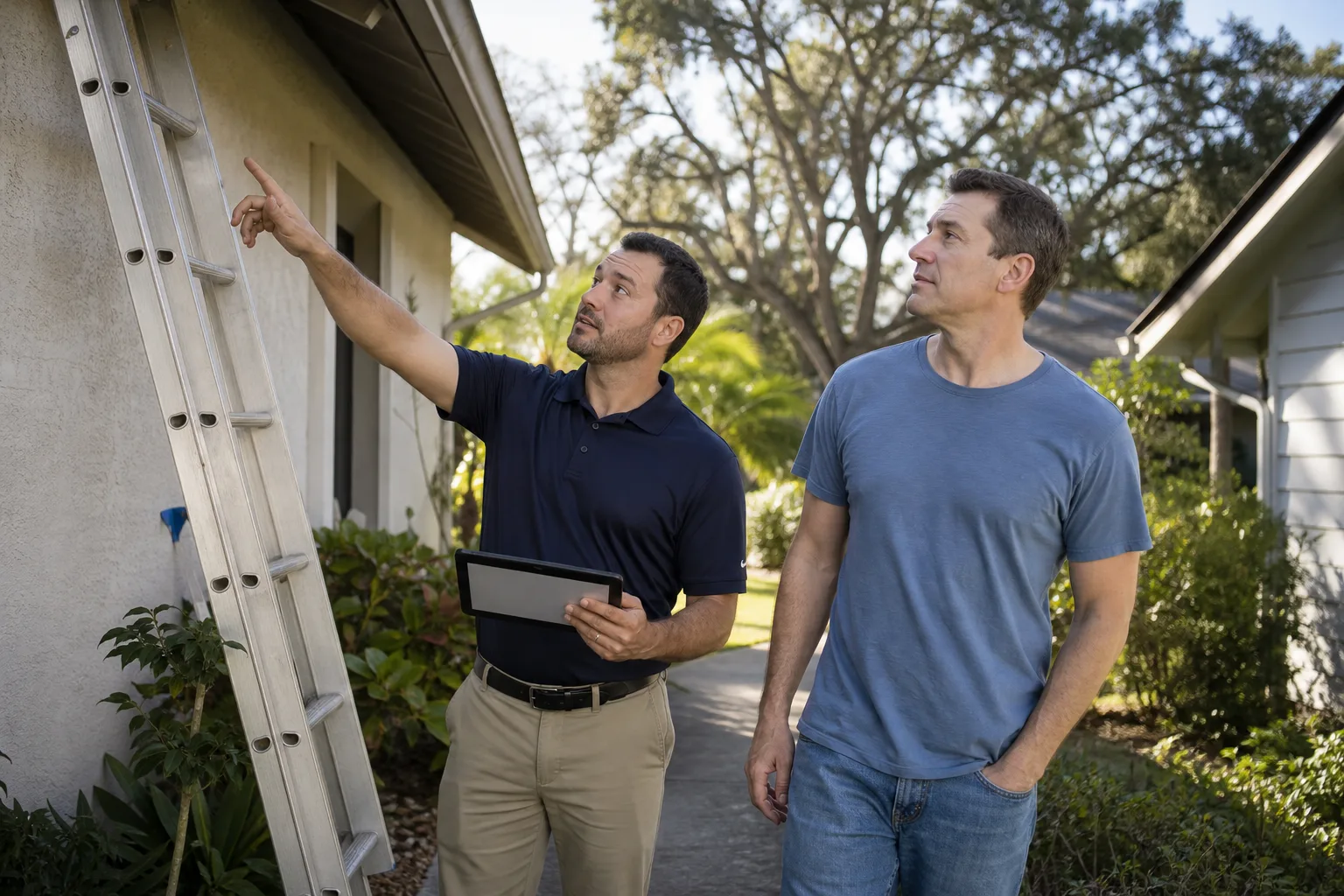
- Not walking the site with the contractor. A bid written from the driveway is a bid written in the dark. Walk the site, ask about caliche, ask about access, ask about roofline tie-in.
- Paying too much up front. A reasonable deposit is 10% to 15%. If a contractor asks for 50% before any materials arrive, that’s not a schedule need – that’s a cash-flow problem on their end.
- Forgetting the HOA. In Paradise, HOA architectural review can add 4 to 8 weeks and, occasionally, revisions. Ask before the bid, not after the deposit.
See the difference
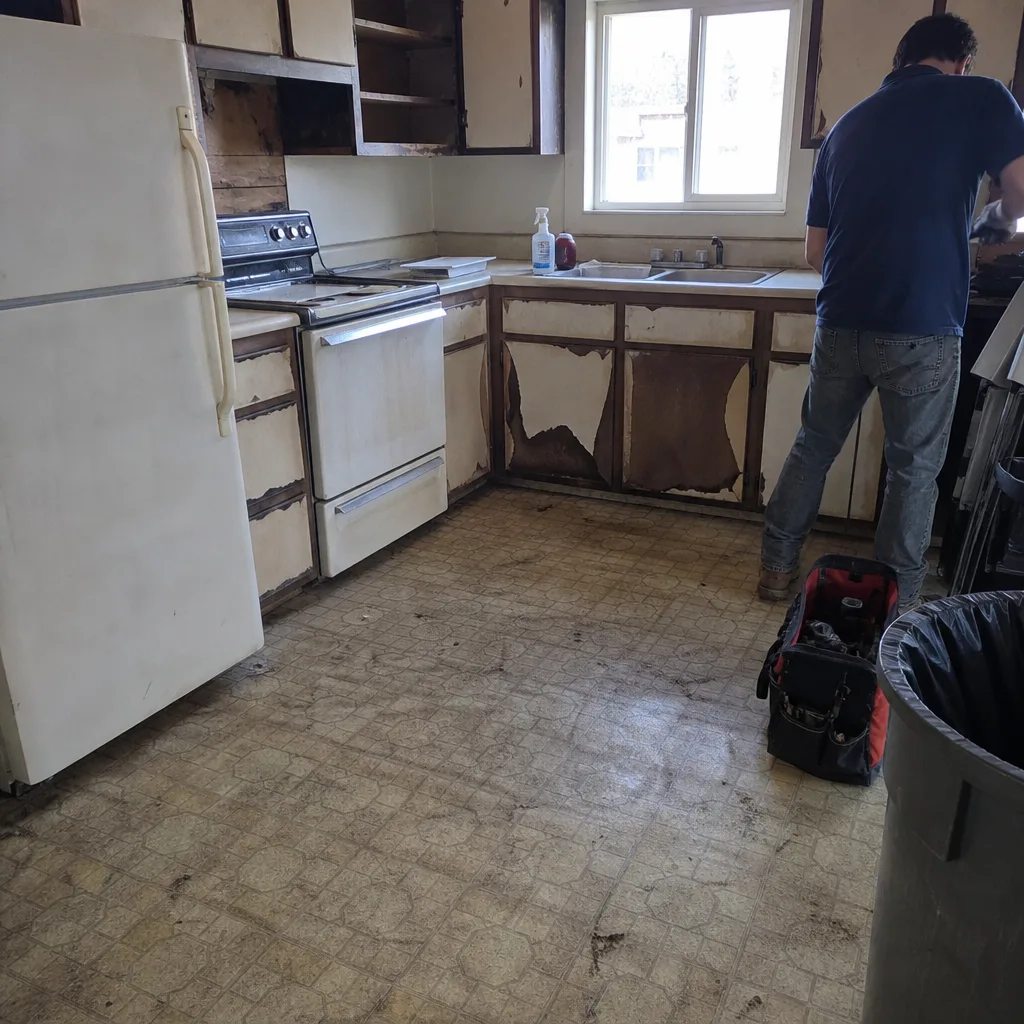 Before
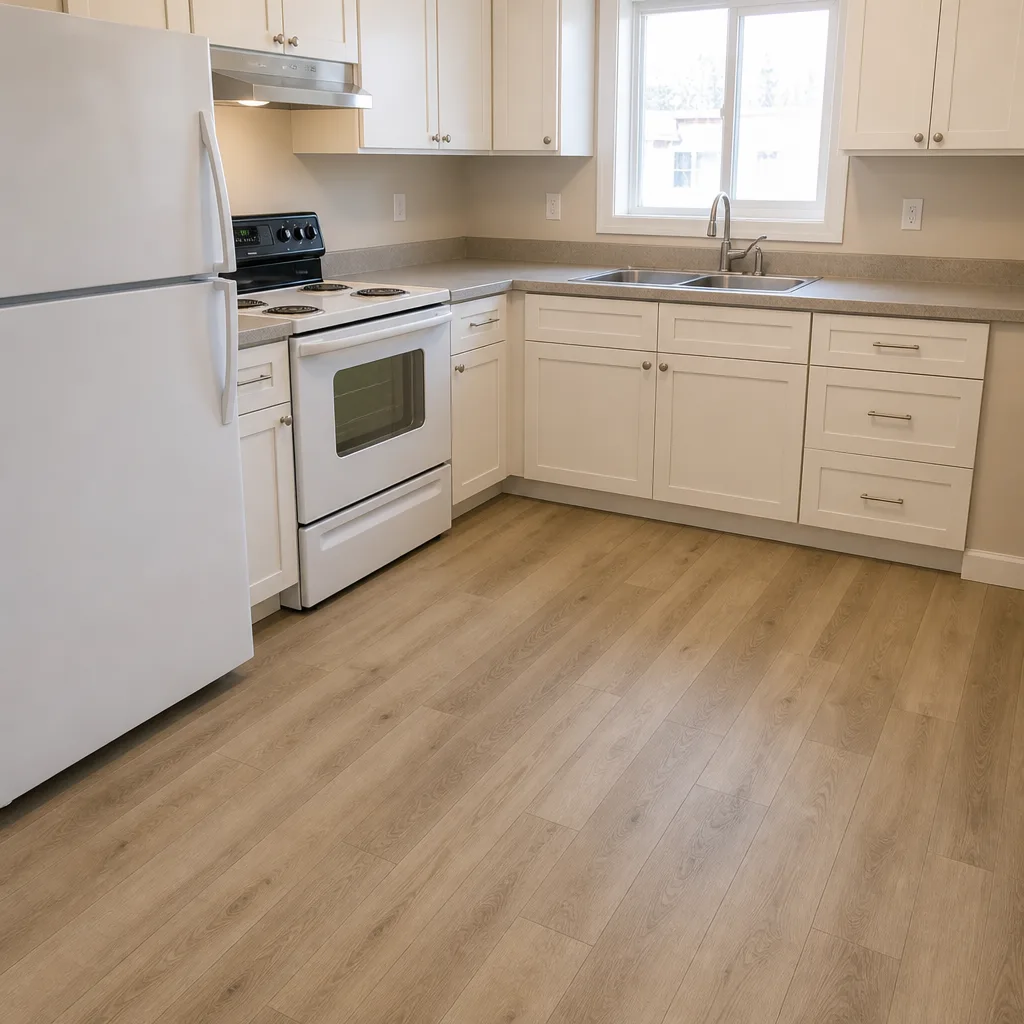 After
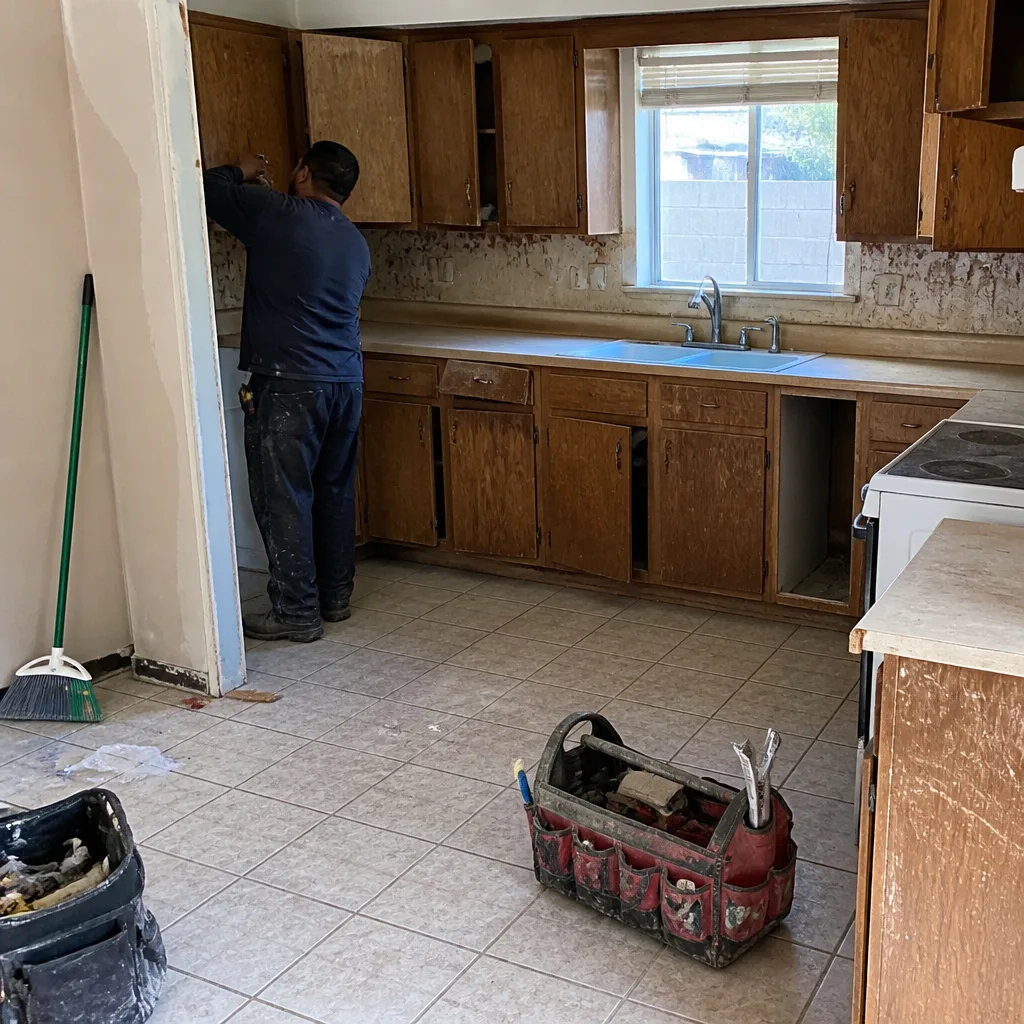 Before
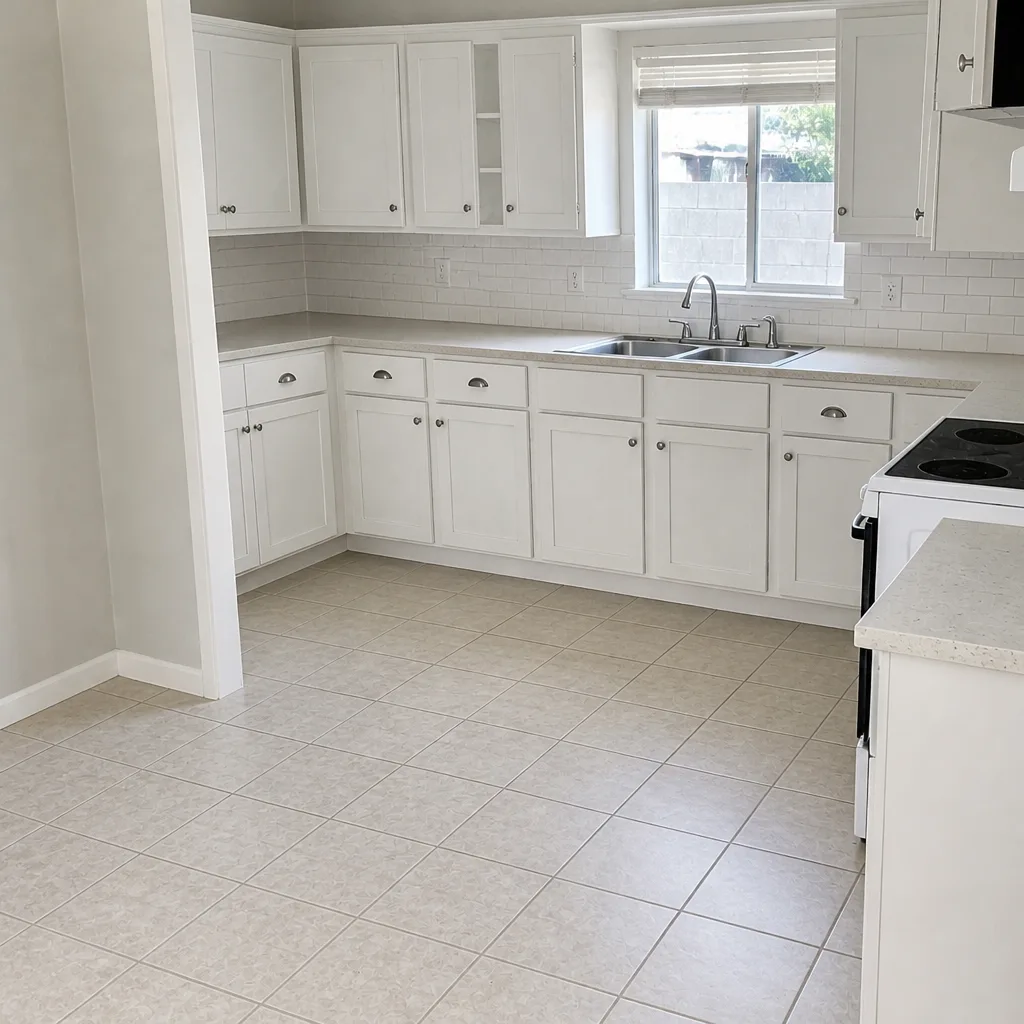 After
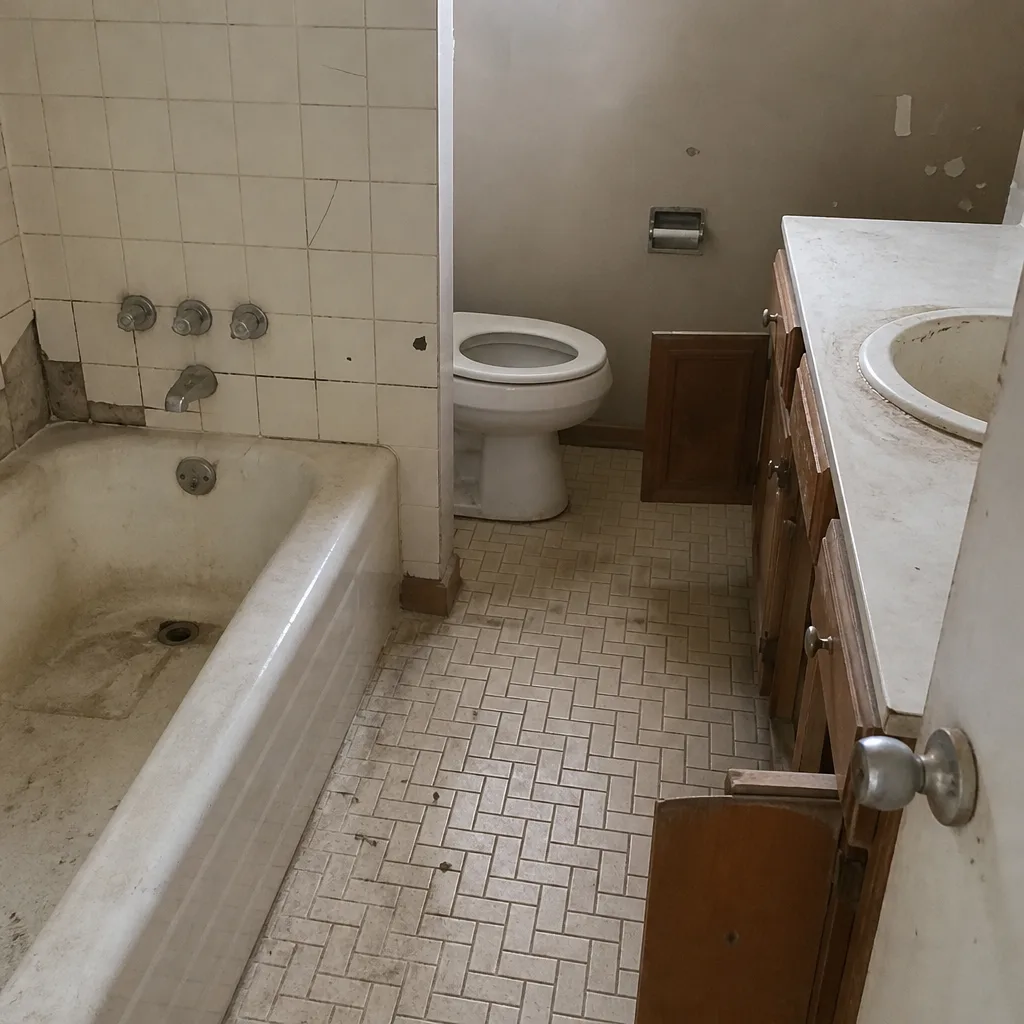 Before
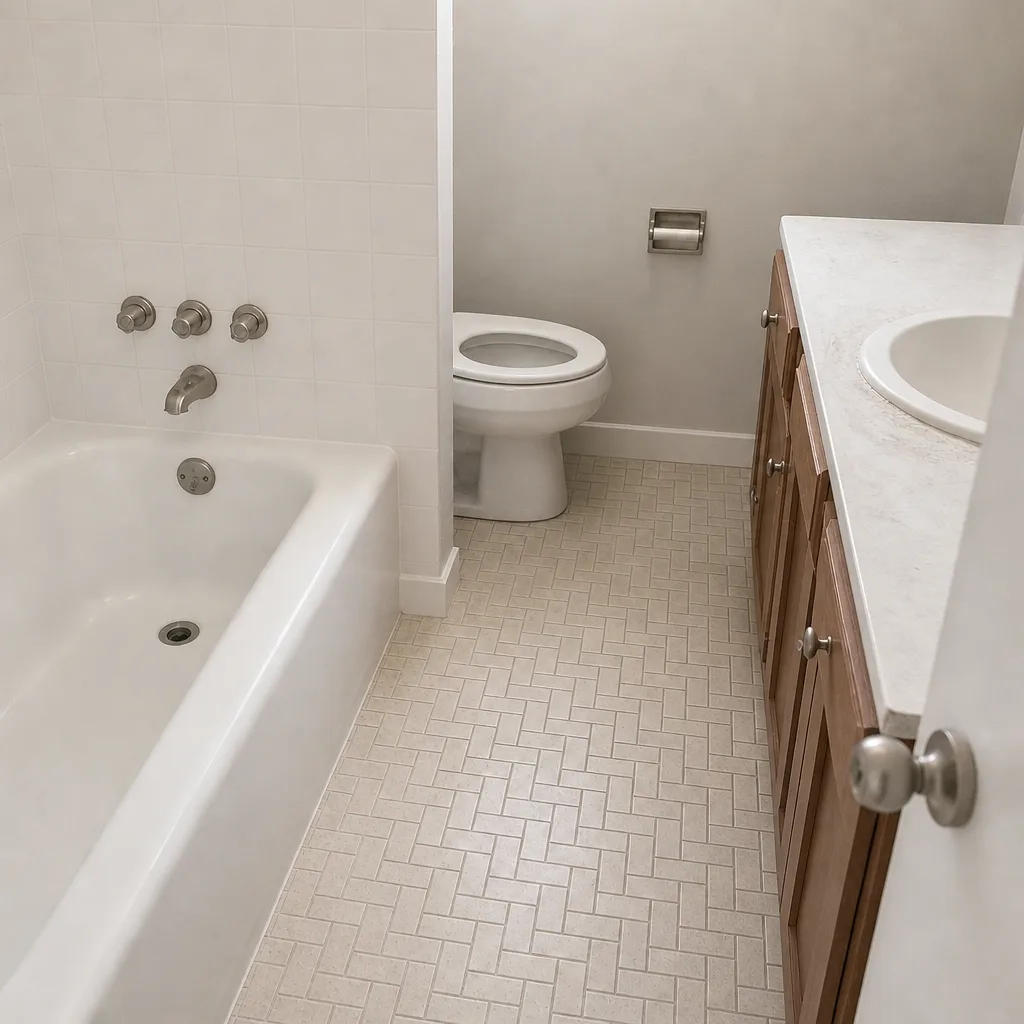 After
When to Call a Professional
Some work belongs in a homeowner’s hands: painting, patching drywall, swapping a light fixture, installing a garden bed. Some doesn’t – and getting the line right is what protects your budget. Call a licensed professional for anything that touches the structural framing, the electrical panel or any new circuit, plumbing rough-in, gas lines, roof penetrations or sheathing, or any building above a single story where fall protection matters. In Paradise, add stucco replacement to the “call a pro” list – a bad stucco patch is easy to do and hard to undo, especially on a 1970s ranch where the color match has to be handled carefully. A quick professional opinion usually costs far less than the re-do.
Barrett & Sons Construction Paradise offers free estimates in Paradise. Call (855) 596-7029 to schedule yours.
Frequently Asked Questions
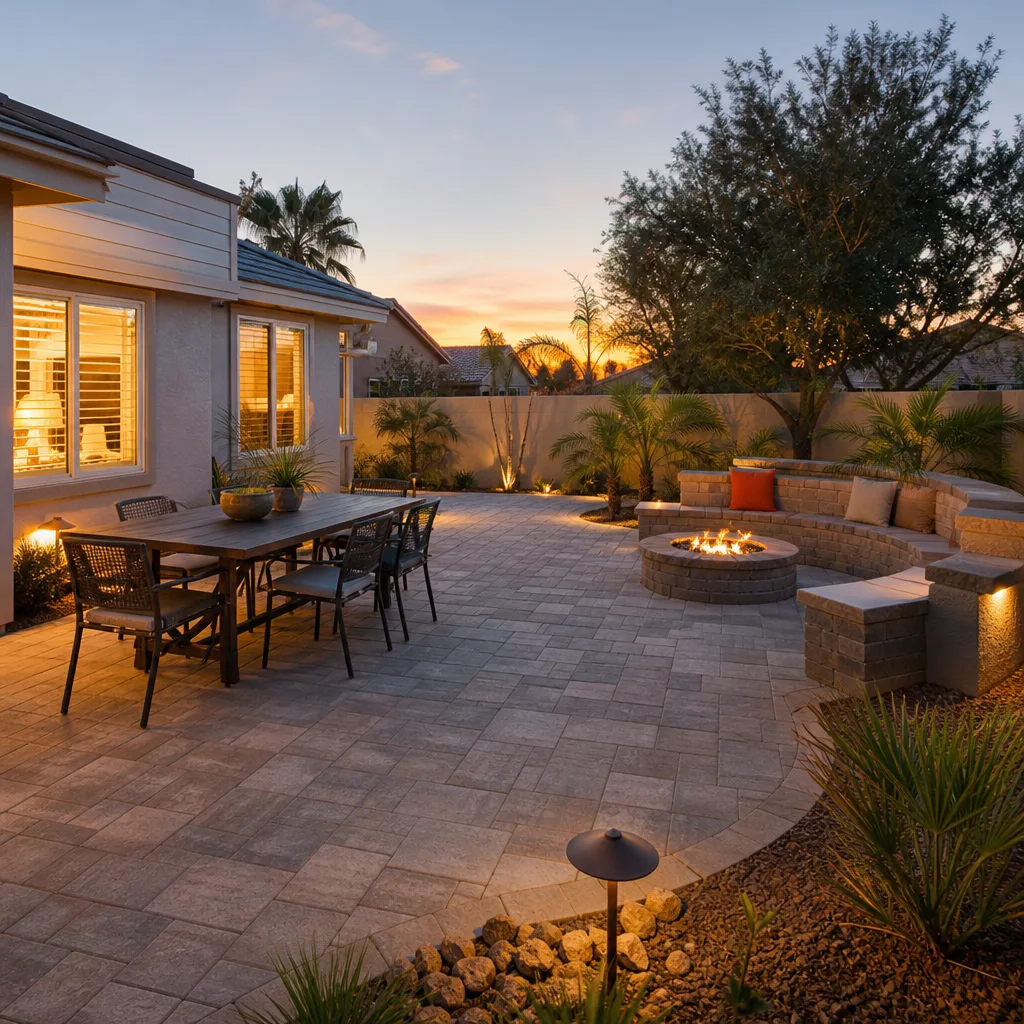
A typical room addition in Paradise runs $180 to $320 per square foot in 2026, which means a 300-square-foot bump-out lands somewhere between $54,000 and $96,000 depending on structural complexity, plumbing tie-ins, and finish level. Add $1,200 to $2,400 for Clark County permit fees. The two biggest swing factors are whether the existing roof can be extended without re-engineering and whether caliche shows up in the soil test. Call (855) 596-7029 for an exact quote – estimates are free.
Yes. Clark County requires a permit for any attached patio cover, room addition, structural modification, new electrical circuit, or plumbing rough-in. Detached covers under certain size thresholds can sometimes avoid a permit, but the threshold is specific and worth confirming with the county before you build. If a contractor tells you permits are “optional” on an addition, that contractor is not the one you want on your property.
Not on a properly written bid – unless the scope changes, and then it changes in writing first. Every change order should state the added work, the added cost, and the added days, and get signed before any work proceeds. A bid that quotes one number on the phone and hands you a different bill at the door isn’t a bid. It’s a sales pitch. Call (855) 596-7029 to see a written sample change order before you sign anything.
Fifteen to twenty-five percent of project cost is a healthy margin for a licensed contractor in Paradise. Below 10% is a warning sign – someone is underbidding to win the job and the difference will come back as a change order. Above 35% isn’t automatically wrong, but the contractor should be able to explain in a sentence what’s premium about the work. Ask them. A fair contractor answers without flinching.
Plan on 1.5% to 3.5% of construction value. On a $60,000 addition that’s $900 to $2,100; on a $15,000 covered patio it’s $225 to $525. Add $800 to $2,500 if the project requires a structural engineer’s stamp, and add re-inspection costs if the work fails inspection (which it shouldn’t, on a properly run job). Ask for a written permit line on the bid and confirm who pulls it and who pays for re-inspections.
Look for missing line items. If the bid doesn’t name materials, doesn’t list permits, doesn’t mention disposal, and doesn’t describe a change-order process, the “low” number is missing 20% to 40% of the actual job. The cost of doing it twice – tear-out, re-work, re-inspection, and lost time – typically runs 1.5 to 2.5 times the original savings on a low bid. Ask for a written line-item bid from every contractor. Call (855) 596-7029 if you want a free second opinion on any written estimate you’ve already received.
The Bottom Line
The spread between Paradise bids in 2026 isn’t usually about which contractor is honest. It’s usually about which bid describes the same job. Read every bid for the five categories – materials, labor, permits, disposal, allowances – and treat any missing one as a question to ask before you sign. Know that Clark County permit fees run 1.5% to 3.5% of project value, that licensed labor runs 20% to 35% more than unlicensed, and that the cheapest bid almost always costs more after the re-do. The number you’re buying isn’t the lowest bid. It’s the number that holds. If you want to talk yours through, we’re twenty minutes away.
Call (855) 596-7029 for a free estimate on any Paradise project – additions, patio covers, flatwork, stucco, or any of the trade work you’re weighing. Our bids arrive in writing, line by line, with permits pulled and inspections signed. Standing offers: $40 Off Any Repair Over $200, Free Second Opinion on Any Written Estimate, No Trip Charge Inside the County, and a permanent 10% Senior & Veteran discount.
Written by the team at Barrett & Sons Construction Paradise.