Last updated November 18, 2026



Free written scope consultation - allowances, timeline, and change-order rules on paper before a single trade is scheduled
Windows & Doors Maintenance Schedule: What to Do and When
Weep holes. Most homeowners in Paradise have never heard the term, and that’s exactly the problem. Those small slots at the bottom of every window frame drain the water that gets behind the sash. In a temperate climate they mostly stay clear. Here in Paradise, desert dust fills them every summer, and when monsoon season hits in July and August, that clogged slot pushes water straight into your wall assembly. Silently. We’ve pulled sills apart to find the damage a single blocked weep hole caused over two summers. This guide gives you a maintenance calendar built for Paradise, Nevada. Not a reprint of a manufacturer care sheet written for Ohio.
Quick Answer
Windows and doors in Paradise need attention four times a year: a pre-monsoon check in June (weep holes, exterior caulk, threshold seals), a post-summer inspection in October (hardware lubrication, UV seal inspection, frame gaps), a light winter pass in December, and a spring deep clean in March. The two tasks that matter most here, weep hole clearing and UV seal inspection, don’t appear in most manufacturer care guides at all. Everything below fits on one page you can print and stick on the fridge.
Styles & brands we work with
- Kitchen remodeling
- Bathroom remodeling
- Home additions & ADU
- Roofing
- Windows & doors
- Driveway & pavers
- Fence
Table of Contents
- Why a Desert Calendar Beats a Manufacturer’s Care Guide
- The June Pre-Monsoon Checklist
- The October Post-Summer Checklist
- Annual Tasks Almost Everyone Skips
- Products That Survive Desert UV (and What Fails)
- What to Photograph Each Year, and Why It Matters Later
- Common Mistakes to Avoid
- Frequently Asked Questions
Why a Desert Calendar Beats a Manufacturer’s Care Guide
Open the care booklet that came with your windows. It almost certainly tells you to inspect seals, wipe the tracks, and lubricate the hardware once a year. Nothing wrong with that advice. It just wasn’t written for a place that hits 110°F in July and then dumps an inch of rain in forty minutes in August.
Paradise sits in a climate that punishes building components in two opposite directions. Summer UV breaks down weatherstripping and sealant faster than the national average, because the sun here doesn’t take a break. Monsoon season then tests every drainage path on the house in a matter of weeks. The maintenance tasks that keep up with those two forces are different from what a generic schedule asks of you.
We’ve watched this play out across the valley. A homeowner who clears weep holes in June avoids the sill rot that a homeowner down the street discovers in September. Same windows. Same exposure. The difference was a fifteen-minute task almost nobody knows about.
There’s a second reason to run a Paradise-specific schedule: documentation. More on that further down, but the short version is that insurance adjusters and window manufacturers both want to see a maintenance record. A dated photo of a clear weep hole in June is cheap insurance against a denied claim in October. When we handle window or door work as part of a larger project, that record often saves our customers a headache later. If a replacement is already on your list, our Barrett & Sons Construction Paradise home page lays out how we scope the job in writing before anything gets ordered.
The four-pass calendar at a glance
- June: pre-monsoon protection. Weep holes, exterior caulk, door thresholds.
- August (after first big rain): a quick water-intrusion check, ten minutes.
- October: post-summer inspection. Hardware lubrication, UV seals, frame gaps.
- December and March: light passes. Winter hardware check, spring deep clean.
The June Pre-Monsoon Checklist
June is the month that decides whether monsoon season finds your house ready or exposed. The goal is simple: clear every drainage path and seal every gap before the first real storm rolls through. Do this in the morning, before the pavement gets too hot to kneel on.
Step-by-step
- Clear the weep holes. Find the small slots at the bottom of each window frame, exterior side. A stiff piece of wire, a pipe cleaner, or a can of compressed air works. Water should drain out freely when you test it. In Paradise, dust and fine grit pack these solid over a summer, so expect to spend real time here.
- Walk the exterior caulk line. Run your eyes along where the window frame meets stucco or siding. Any crack, any pull-away, any gap wider than a hairline gets fresh exterior-grade sealant rated for UV exposure. Desert sun opens these joints every year.
- Check the door threshold seals. Sweep, sill gaskets, and the weatherstripping around the door frame take a beating. Look for daylight under the door and for gaskets that have gone stiff and flat. Those fail fast in dry heat.
- Test the door sweep before the rain, not after. Close the door on a piece of paper. If it pulls out with no resistance, the sweep needs replacing.
- Confirm positive drainage. Look at the ground outside each door and window. If soil has built up against the frame, water will find the seal instead of the ground. Regrade or clear it.
This is also the month to check window and door screens for tears. A rip lets in more than bugs during monsoon; it lets the fine dust that packs your tracks and weep holes. If you’re adding fencing or a hardscape project this year, keep exterior drainage in mind too. Our Fence Installation in Paradise page covers how we set posts and manage water flow along property lines.
The October Post-Summer Checklist
October is damage assessment month. Summer has done its work, and now you find out what it cost. This pass is about the hardware and the seals, the parts that live through 110°F days and quietly age faster than anyone expects.
Step-by-step
- Lubricate the hardware. Hinges, locks, sliding door rollers, casement crank gears. Use a dry-film or PTFE-based product, not petroleum grease. More on that in the products section.
- Inspect every UV seal. Look at the weatherstripping and gaskets around each frame. UV breaks these down into a chalky, crumbly material. If it smears when you touch it, it’s done. Replace before fall.
- Look for frame gaps opened by the heat. Peak summer heat can open joints between frame and wall. Run a hand along the interior trim, then the exterior, and feel for drafts or movement.
- Check sliding door tracks. Heat and dust combine to make door tracks sticky and rough. Clean, then lubricate with a dry product.
- Inspect sill pan flashing where you can see it. The pan under the door sill should slope slightly outward. If you can’t confirm a slope, note it and have someone look.
We regularly find frame gaps in October that weren’t there in May. It’s just how the materials react to a Paradise summer. Catching them now means the caulk goes on in mild weather instead of in a panic after the first storm. If those gaps sit near a room you’re already remodeling, our Home Additions & ADU in Paradise page covers how scoping lines up with the existing structure.
Annual Tasks Almost Everyone Skips
These are the ones that protect you from the expensive failures, the jobs that don’t get done because nobody mentions them. All three catch a problem while it’s still small.
- Check the window balance springs. Open a double-hung window halfway. If it won’t stay put, or if it slams, the balance spring is worn. A worn spring isn’t just annoying; it puts stress on the sash and the frame.
- Test every lock under load. Most people test locks by turning them while the door is open. Test them with the door closed and the weatherstripping compressed. A lock that works open and fails closed is a lock that will let you down on a windy day.
- Inspect sill pan flashing. The flashing under a door sill is the last line of defense against water at the threshold. It’s often hidden, so a visual check is all most homeowners can do. If your sill sits low or your threshold has ever leaked, have someone look underneath.
- Check the door closers and stops. A door that’s hitting its stop hard is putting stress on hinges and frame with every slam.
These tasks take an hour once a year. Skipped for three years, they turn into repairs that cost real money. We’ve seen balance springs fail on windows less than a decade old in Paradise; UV and heat simply shorten the service life of the moving parts.
Products That Survive Desert UV (and What Fails)
What you put on the hardware decides how long it lasts. This is where a lot of well-meaning maintenance goes wrong.
What holds up
- Dry-film and PTFE-based lubricants. These leave a slick film that doesn’t collect dust. Ideal for tracks, rollers, and hinges.
- Silicone-based weatherstrip protectant. Keeps gaskets soft without attracting grit.
- UV-rated exterior sealants. Look for the UV exposure rating on the tube. Not all exterior caulk is built for desert sun.
- Graphite for key locks. Dry, doesn’t gum up in the heat.
What fails
- Petroleum-based grease and oil. These dry out under desert UV and then attract every bit of dust in the valley. Within a few weeks your window track is a sticky, gritty mess. This is the single most common mistake we see.
- WD-40 as a long-term lubricant. Fine as a cleaner and a quick fix. Not fine as a maintenance oil in a desert. It evaporates and the hardware goes dry.
- Untreated wood in sun-exposed trim. Sun-facing trim here needs a finish, not a someday finish. If you’re replacing exterior trim as part of a larger build, a product like James Hardie fiber cement is made to hold up under that exposure. Our crews install brands you can look up and verify, not mystery products off a truck.
What to Photograph Each Year, and Why It Matters Later
Here’s a habit that costs two minutes and saves arguments. Every year, photograph five things:
- Each window’s exterior weep holes after you clear them.
- The exterior caulk line at each window and door.
- Each door threshold from inside and outside.
- Any UV seal that looks worn, with a date in the shot.
- Any frame gap you find, before you fix it.
Why bother? Two reasons. First, warranty claims: window and door manufacturers want to see that the product was maintained. A dated photo of a clear weep hole in June is evidence. Second, insurance: if a monsoon storm floods a room, an adjuster will ask whether the water came in through a maintenance failure or a storm event. Your photos tell that story. We’ve helped customers put together this exact file, and the difference is usually documented maintenance versus a shrug.
Store the photos in a cloud folder labeled by year. It’s the cheapest record you’ll ever keep.
Common Mistakes to Avoid
- Pressure-washing window frames and door tracks. High pressure drives water past seals and into walls. In a dry climate, homeowners reach for the pressure washer without thinking. Use a soft brush and a hose instead.
- Using petroleum grease in tracks and locks. It dries out in the desert heat within weeks and collects dust. Then the track is worse than when you started.
- Skipping the weep holes because they’re hard to reach. The low, shaded window on the north side of the house is the one most likely to rot, because it drains slowest and nobody checks it.
- Painting over weatherstripping. Paint makes the gasket stiff and destroys the seal. Tape it off.
- Caulking a gap that’s still moving. If the frame is shifting, caulk will crack again in a season. Find the movement first.
- Waiting for the rainy season to test threshold seals. Test them before the rain, in June, when you still have time to fix them.
- Ignoring the locks until they fail. Test every lock under load every year. A lock that works fine open and sticks closed is one storm away from failing.
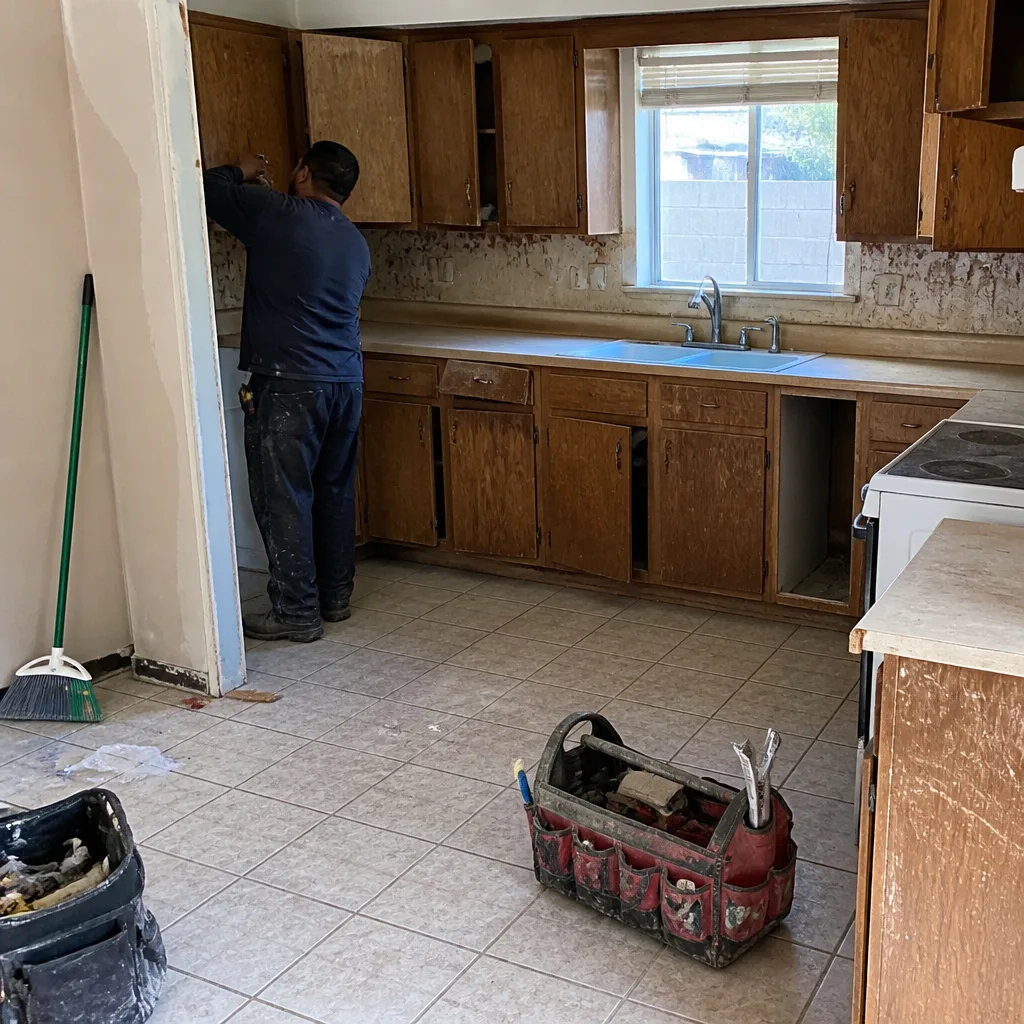
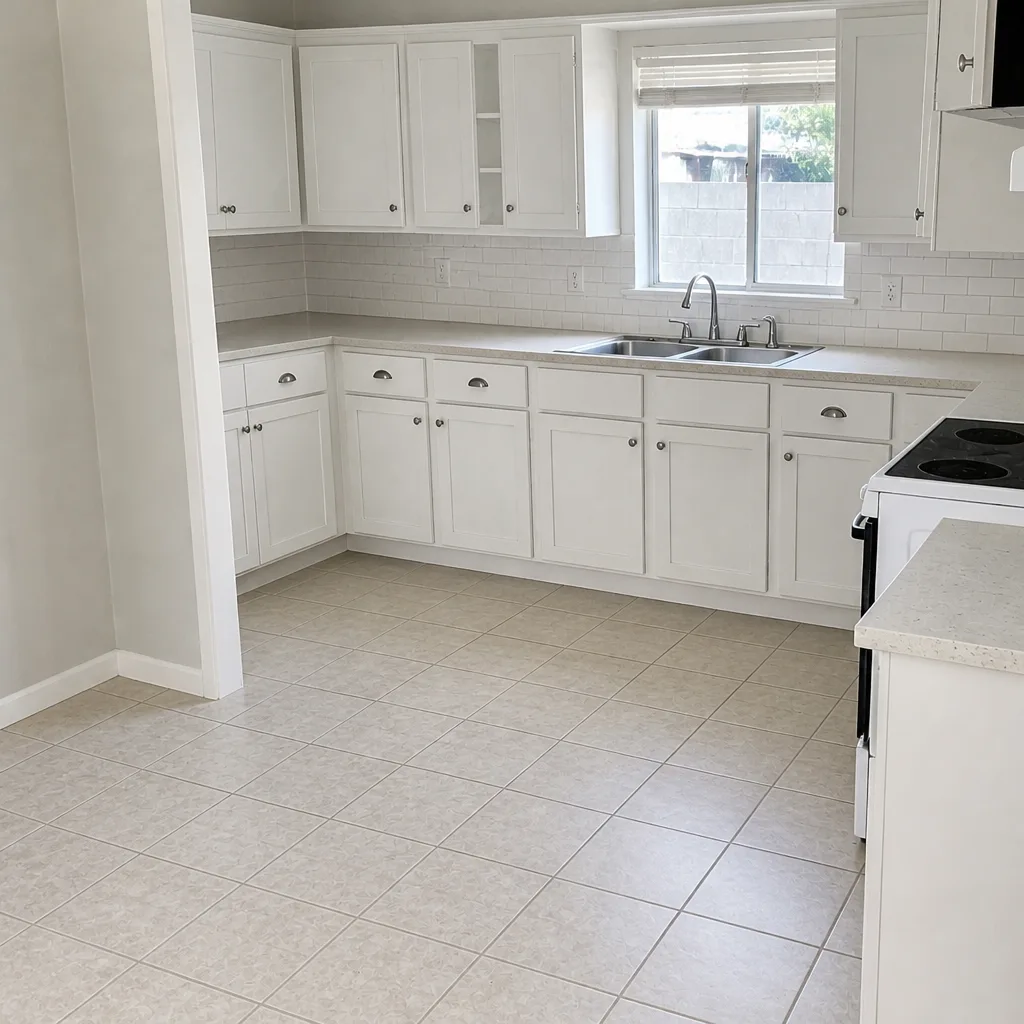
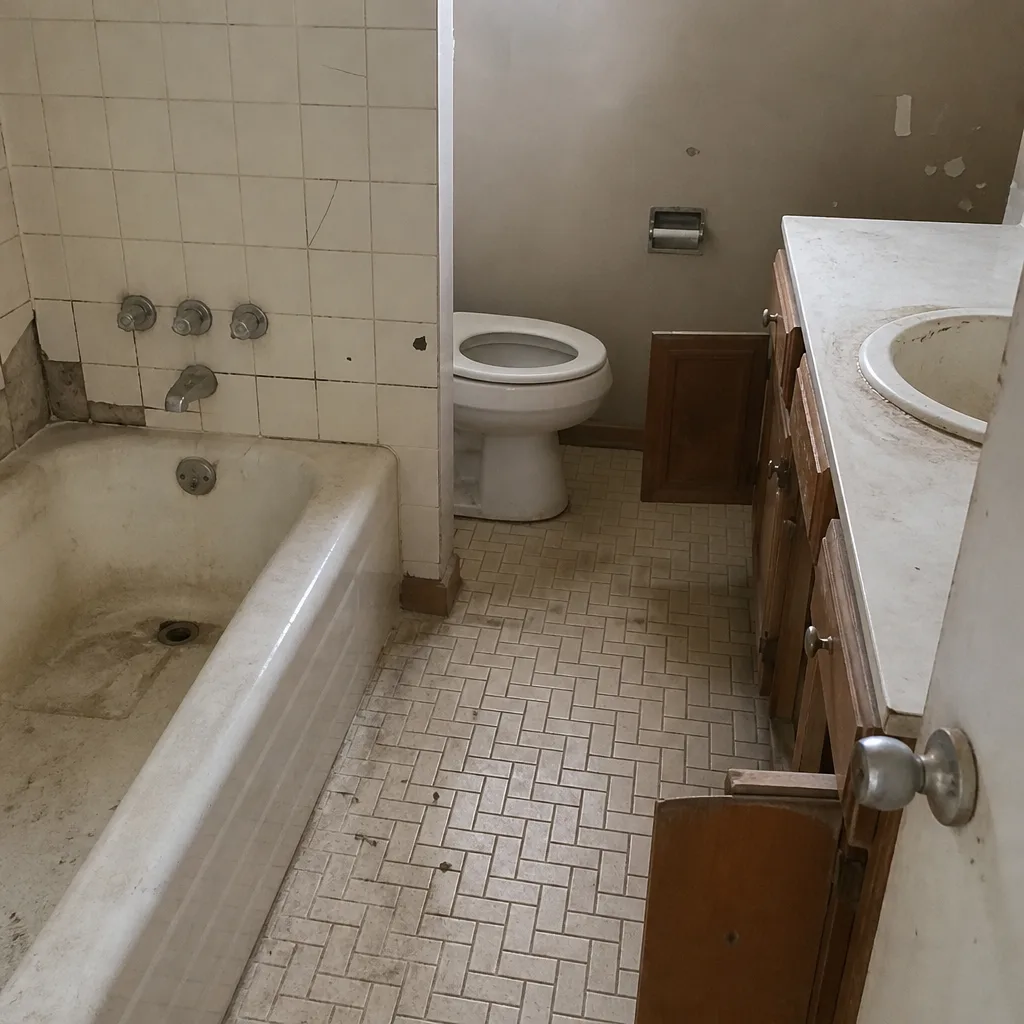
See the difference
 Before
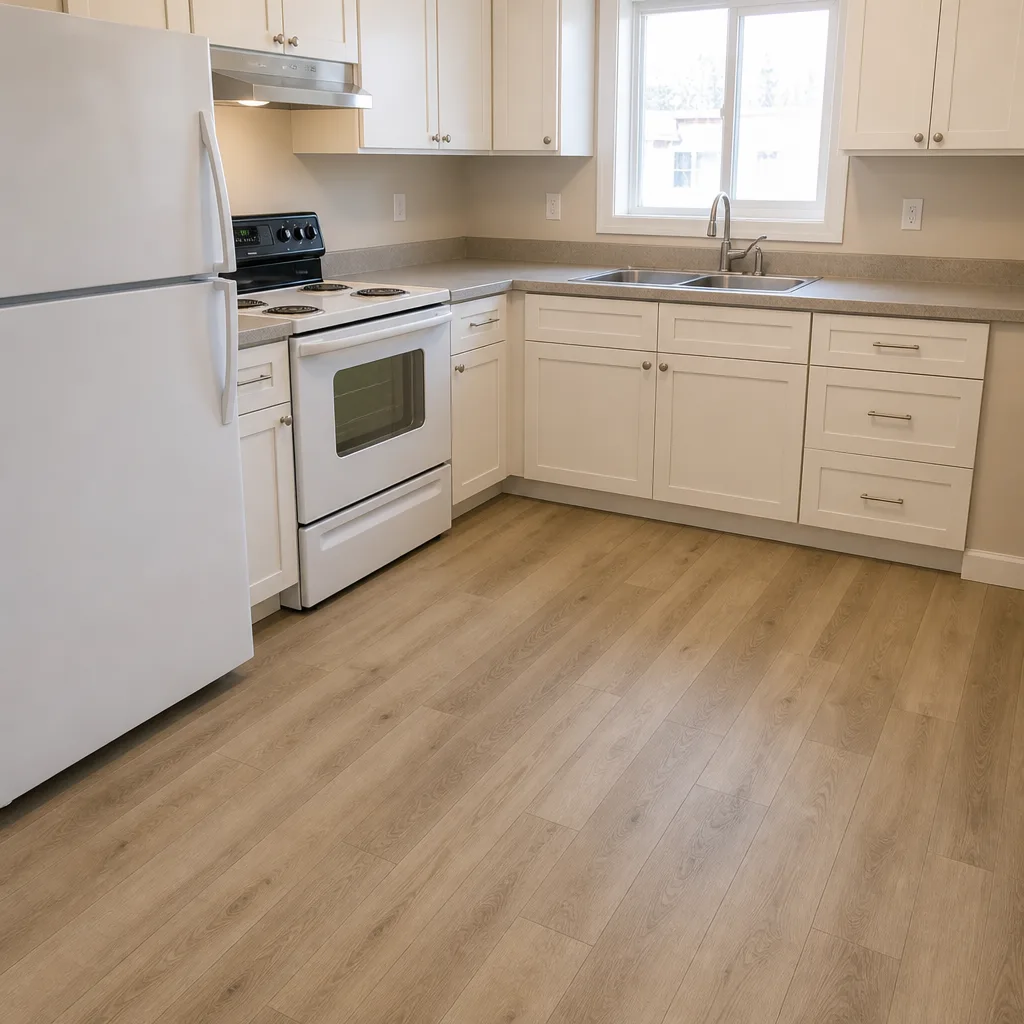 After
 Before
 After
 Before
 After
When to Call a Professional
Some of this work you can do in an afternoon. Some of it shouldn’t wait for your next free Saturday.
Call a professional when water is getting in, when a window or door no longer closes flush, when you can see daylight around a closed frame, when the sill pan is suspect, or when a door has started to bind after years of opening smoothly. Those symptoms point to a structural or installation issue, not a maintenance lapse. We’d rather you call us early and hear “it’s just weatherstripping” than call us late and hear “the sill is rotted.”
Barrett & Sons Construction Paradise offers free estimates in Paradise – call (855) 596-7029. Our crews carry up to 28 years of experience with windows and doors, and every eligible job includes permits pulled and inspections signed. When we replace a window or door, we scope the work in writing before anything gets ordered, and every price change comes to you as a written change order before we touch the job. The four published offers are simple: $40 off any repair over $200, a free second opinion on any written estimate, no trip charge inside the county, and a permanent 10% senior and veteran discount.
Frequently Asked Questions
Every June before monsoon season, and again whenever you see dust building up. In Paradise, weep holes can clog within a single summer because the desert dust packs them tight. Clean them, then test by running water through the frame; it should drain freely out the slot. If water pools instead, clear it again before the rain arrives.
Use a dry graphite powder once a year, not oil or grease. In desert heat, oil dries to a gummy film and then attracts dust, and the lock gets harder to turn. Test every lock with the door closed and the weatherstripping compressed, since that’s the way it actually has to work. If a lock starts to stick, address it before summer, not after.
Some stiffness in daily heat is normal, but a door that’s noticeably harder in July than in June needs attention. Clean the track and lubricate the rollers with a dry-film product. If it still sticks, the problem may be in the door frame or the track alignment, and that’s when to have someone look at it. Call (855) 596-7029 – estimates are free.
No. Replace it when it feels brittle, crumbly, or won’t spring back when you press it. In Paradise, UV exposure wears weatherstripping faster than in cooler climates, so plan on inspecting it every October and replacing when it fails. Good weatherstripping can last several years if it’s protected from direct sun and kept clean.
Yes, especially if you have a mix of styles or the home is older. An annual inspection catches balance springs, sill pan flashing, and frame gaps while they’re still small. A home with a single era of windows and doors in good condition can do the same checks yourself on the calendar above. The inspection is about catching what a homeowner wouldn’t notice from the inside.
Most single-window replacements are a one-day job, and a full-home window replacement runs several days. The exact timeline depends on access, the age of the existing frames, and whether the surrounding trim or stucco needs repair. Barrett & Sons Construction Paradise scopes every window and door job in writing before work starts, and any price change arrives as a written change order. Call (855) 596-7029 for a free estimate.
The Bottom Line
Windows and doors in Paradise fail on a desert schedule, not a generic one. Clear weep holes in June before the monsoon, inspect UV seals and lubricate hardware in October after the summer, and run through the skipped annual tasks at least once a year. Use dry-film products instead of petroleum grease, photograph the maintenance record each year, and keep a printed copy of this calendar. Skip a year and you may get lucky; skip three and you’ll pay for it in rot. Call (855) 596-7029 when you’re ready for a free estimate on your windows and doors, or whenever something looks off and you want a second opinion.
Written by the team at Barrett & Sons Construction Paradise.