Last updated November 18, 2026

Free written scope consultation - allowances, timeline, and change-order rules on paper before a single trade is scheduled
Windows & Doors Warning Signs Every Homeowner Should Know
Paint bubbling on the interior wall below a window isn’t a painting problem. It’s a flashing problem, and by the time you see it, there’s a good chance the insulation in that wall is already wet. That’s the thing about window and door failure in Paradise: the first signs are almost always cosmetic-looking, and the real damage is happening behind the drywall where you can’t see it. We’ve walked into homes where a homeowner had been touching up the same bubbling patch for three summers, only to find the rim joist soft when we opened the wall. This guide covers the warning signs that actually matter, the ones that mean water is already moving somewhere it shouldn’t be.
Quick Answer
The warning signs that matter most are interior paint bubbling or staining near a window or door frame, soft or discolored trim, water stains on the sill, and daylight visible around a closed door. Any of these mean moisture is already getting past the exterior seal, and in Paradise’s summer heat, that moisture feeds rot and mold fast. Call for a professional inspection rather than repainting over the evidence.
Styles & brands we work with
- Kitchen remodeling
- Bathroom remodeling
- Home additions & ADU
- Roofing
- Windows & doors
- Driveway & pavers
- Fence
Table of Contents
- Visual Signs of Flashing Failure Around Windows and Doors
- The 5-Minute Water Test on a Suspect Window Seal
- Corrosion Patterns in the Las Vegas Valley: UV and Alkali Soil
- Energy Bill Spikes: Windows or HVAC?
- When a Sticky Door Means Framing or Foundation Movement
- Daylight, Drafts, and Air Leaks Around Frames
- Common Mistakes to Avoid
- When to Call a Professional
Visual Signs of Flashing Failure Around Windows and Doors
Flashing is the metal or membrane system that directs water away from the rough opening behind your window. When it’s installed wrong or has failed, water gets in behind the siding and stays there. This is the most common source of hidden water damage we see on windows and doors in Paradise, and the signs are almost always mistaken for paint or stucco issues.
Watch for these specific signals:
- Paint bubbling or peeling below an interior window corner. This is moisture pushing through drywall from the back side. Repainting hides it for a season at most.
- Brown water stains or a tide line on the sill or drywall under the frame. A tide line means water has been there and dried repeatedly.
- Soft or crumbly trim. Press a screwdriver handle into the casing. If it gives, the wood is already compromised.
- Stucco cracks that radiate from the window corners. In Paradise’s stucco-heavy construction, cracks at the corners of frames often track the flashing line.
- Efflorescence (white chalky residue) on exterior masonry near the frame. That’s salt pushed out by water moving through the wall.
- Warped or lifted sill plates or threshold caps on exterior doors. The threshold is where door flashing fails most often.
The key distinction is between a surface cosmetic issue and one that’s tracking back to water entry. Paint that’s peeling on a south-facing wall because of UV is cosmetic. Paint that’s bubbling below a window corner on any wall is a moisture problem. That difference matters more in Paradise than in most places because our low humidity dries the surface fast, so the interior damage gets ahead of the exterior evidence.
The 5-Minute Water Test on a Suspect Window Seal
Before you call anyone, you can check for active water intrusion on a suspect window without tools and without making anything worse. This test tells you whether the seal is currently passing water or whether the damage you see is old.
- Pick a dry day and a dry window. Don’t test after rain or irrigation. Wait at least 24 hours after moisture.
- Have someone inside watching the interior sill and lower corner. They should look for a wet spot, darkening, or a drip on the drywall.
- From outside, run a garden hose on low flow against the window frame starting at the bottom corner. Work upward slowly along the flashing line and the head of the frame. Keep the stream gentle; you’re simulating rain, not pressure-washing.
- Hold the water on each area for about 30 seconds, then pause and check inside. Move up the frame in sections. If water shows inside after any section, that seal is passing water and needs inspection.
- Stop the test the moment you see moisture inside. Don’t continue. Note which section of the frame caused it, and take a photo before things dry.
What this test cannot tell you is how far the water has already traveled behind the wall. In our experience, windows that fail this test in Paradise almost always have wet sheathing or insulation behind them. The hose test is a triage tool, not a diagnosis. It tells you to call, it doesn’t tell you what the repair costs.
If you want the full picture of how we approach window replacement once the diagnosis is made, our Barrett & Sons Construction Paradise home page covers the services and the process. We install Andersen and Marvin, so we can match a replacement to what’s already in the wall.
Corrosion Patterns in the Las Vegas Valley: UV and Alkali Soil
Paradise sits in a climate that punishes window and door hardware in ways most national guides never mention. Our UV index routinely tops 11 in summer, and the soil in the Las Vegas Valley is alkaline with a high salt content. Together, those two things create corrosion patterns that look different from what you’d see in a wetter climate.
UV-driven seal failure. The rubber gaskets and weatherstripping on windows and doors here dry out and crack faster than the national average. A door sweep that lasts a decade in the Midwest can be shot in five to six years here. Check the bottom seal of every exterior door each spring.
Alkali attack on aluminum and steel. If you have aluminum-clad or steel-frame windows and doors at grade level, the alkaline soil and irrigation overspray accelerate oxidation. You’ll see white or chalky corrosion on aluminum, or rust pitting on steel frames within a foot of the ground. This is why we recommend checking the base of every exterior door frame in Paradise each year.
Hard water staining on glass and hardware. The Valley’s water leaves mineral deposits that etch glass and corrode hinges and handles. If your hardware feels gritty rather than smooth, the finish is degrading.
Heat cycling on vinyl and composite frames. The 40-plus-degree daily swing in summer causes frames to expand and contract. Over time, caulk joints open up. Walk your exterior and look for caulk that’s pulled away from the frame at any corner.
These aren’t cosmetic concerns. Every one of these corrosion patterns eventually opens a pathway for water. If you’re already planning exterior work, pairing window and door inspection with your fence installation in Paradise project is a good way to catch frame issues before they spread to the wall system.
Energy Bill Spikes: Windows or HVAC?
A jump in your summer power bill is a diagnostic signal, but it gets blamed on windows more often than windows deserve. Before you assume you need replacement windows, isolate the cause. This is one of the easiest things a homeowner can do in Paradise, and it saves you from spending replacement money on the wrong problem.
Here’s how to tell the difference:
- Compare against the same month last year. A spike against last year’s same-month bill rules out a rate change and points to your home.
- Feel the glass on a hot afternoon. If the interior pane is noticeably hot to the touch while the interior air is cool, that window is a heat source. If the glass is cool but the room is warm, look at HVAC.
- Run a tissue test at the frame. Hold a thin tissue near the perimeter of the window or door on a windy day. Movement means air is leaking at the seal, not through the glass.
- Check the return air and filter first. A dirty filter or failing return pulls hot attic air into the system. Rule that out before you spend money on windows.
- Look at the thermometer at the register, not the wall. If supply air is more than about 20 degrees cooler than return air, your HVAC is performing. If it’s less, the equipment is the problem.
In our experience, the culprits in Paradise homes are usually a mix: leaky door sweeps and weatherstripping first, single-pane glass second, and HVAC refrigerant issues third. Replacing windows when the real problem is a failing AC condenser is an expensive mistake. A free second opinion on any written estimate can help you sort out which bid makes sense before you commit.
When a Sticky Door Means Framing or Foundation Movement
Every door in Paradise sticks a little in July. The wood swells in the monsoon humidity, then relaxes in October. That’s seasonal and normal. The distinction that matters is between a door that sticks seasonally and one that has changed permanently.
Here’s how to tell them apart:
- Seasonal sticking returns to normal when the weather changes. The door operates smoothly again by fall and stays smooth until next summer.
- Structural sticking gets worse over time and doesn’t reset with the season. If your back door stuck in July and still sticks in November, something moved.
- Check the reveal. Look at the gap between the door and the jamb at the top and the latch side. A gap that’s wider at the top corner than it was last year, or a diagonal line in the crack, indicates the frame is racking.
- Look for cracks that track in the drywall radiating from the top door corners. A hairline crack in drywall is common. A crack that’s widening, or one that forms a diagonal across the wall above the door, is a sign of movement.
- Check the floor. A door that swings open or closed on its own, or a floor that’s become uneven near a door, can indicate foundation issues in our expansive clay soils.
Any of those structural signs deserve a professional evaluation. Do not try to shave or plane the door until you know whether the frame has moved. You’d be hiding the symptom, not fixing it. This is the kind of thing we look at for every home addition and ADU in Paradise we build, because if the frame is out, it affects every new opening.
Daylight, Drafts, and Air Leaks Around Frames
Daylight visible around a closed exterior door is the clearest sign of a failing seal, and it’s easy to miss because the human eye adjusts to small gaps. Check on a bright day with the interior lights off. If you can see light at the threshold, the sweep or threshold cap has failed. If you can see it at the sides or top, the weatherstripping needs replacement.
Drafts are the same problem in cold weather. On a windy day in Paradise, feel for air movement at the perimeter of every window and door. Focus on the hinge side of doors and the bottom rail of windows, where sealing fails first. A tissue test works well for this; it will flutter at any real leak.
Both daylight and drafts are signs that your climate envelope is broken. In summer heat they mean cooled air is escaping and hot air is entering. In winter they mean the opposite. Either way, the fix is sealing the frame, not necessarily replacing the opening. Sometimes a weatherstripping and sweep replacement solves the problem for under $200.
For doors that are beyond repair, replacement is the right call. We install GAF and CertainTeed on the roofing side and Andersen and Marvin on the window and door side, and the brands matter because they’re the ones you can look up and verify. For the full scope of what we handle, our driveway and pavers in Paradise page shows the kind of exterior work that pairs well with window and door upgrades.
Common Mistakes to Avoid
- Repainting over bubbling paint. The paint is the messenger. Fix the flashing or the seal, or the bubbling returns next monsoon.
- Caulking over failed flashing. Caulk is a surface seal, not a water management system. It will fail in our UV within a couple of seasons.
- Assuming new windows fix a water problem. If the leak is in the wall or the flashing, a new window installed over it still leaks. Diagnose first, then replace.
- Ignoring a single sticky door because the weather is dry. A door that stopped resetting after the season is a structural question, not a humidity question.
- Using a pressure washer on window frames. High pressure forces water past the seal. Only test with a low-flow garden hose, and only if you’re comfortable doing so.
- Letting a Paradise stucco crack go unfilled. Stucco cracks at window corners are a direct piping path for water into the wall. Seal them, then inspect the flashing behind.
- Signing the first bid without a second look. A free second opinion on any written estimate is available from us, and it often reveals that the first quote missed the real source of the water.
When to Call a Professional
Call us when you see any of these: water stains or bubbling paint below a window or door, soft trim around a frame, daylight or drafts at a closed door, a door that stopped resetting seasonally, or corrosion at the base of an exterior frame. In Paradise, where our heat and low humidity hide interior damage until it’s advanced, an inspection costs you nothing and often catches a problem while it’s still a flashing repair rather than a wall rebuild. We don’t ask you to authorize any work until you’ve seen the written scope. Barrett & Sons Construction Paradise offers free estimates in Paradise; call (855) 596-7029. If another contractor has already handed you a written estimate, bring it in for a free second opinion before you sign anything.
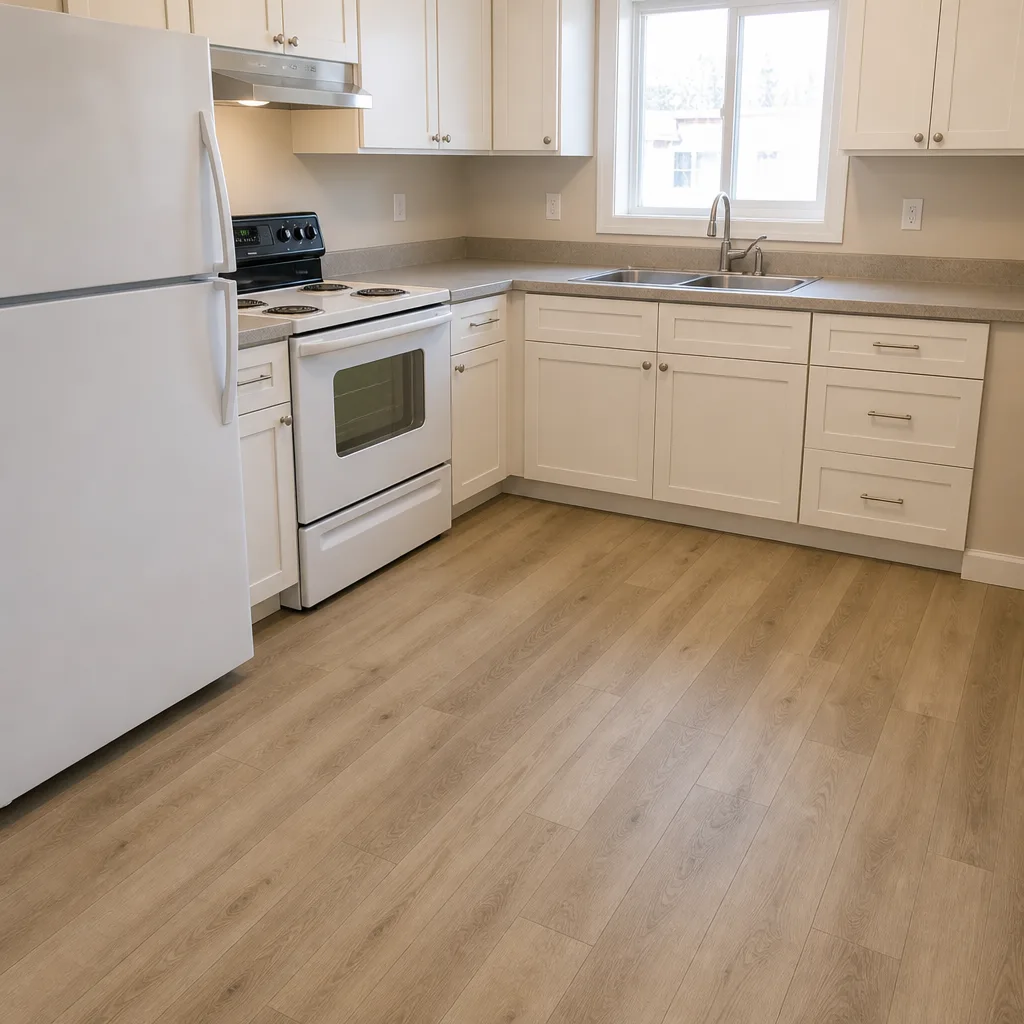
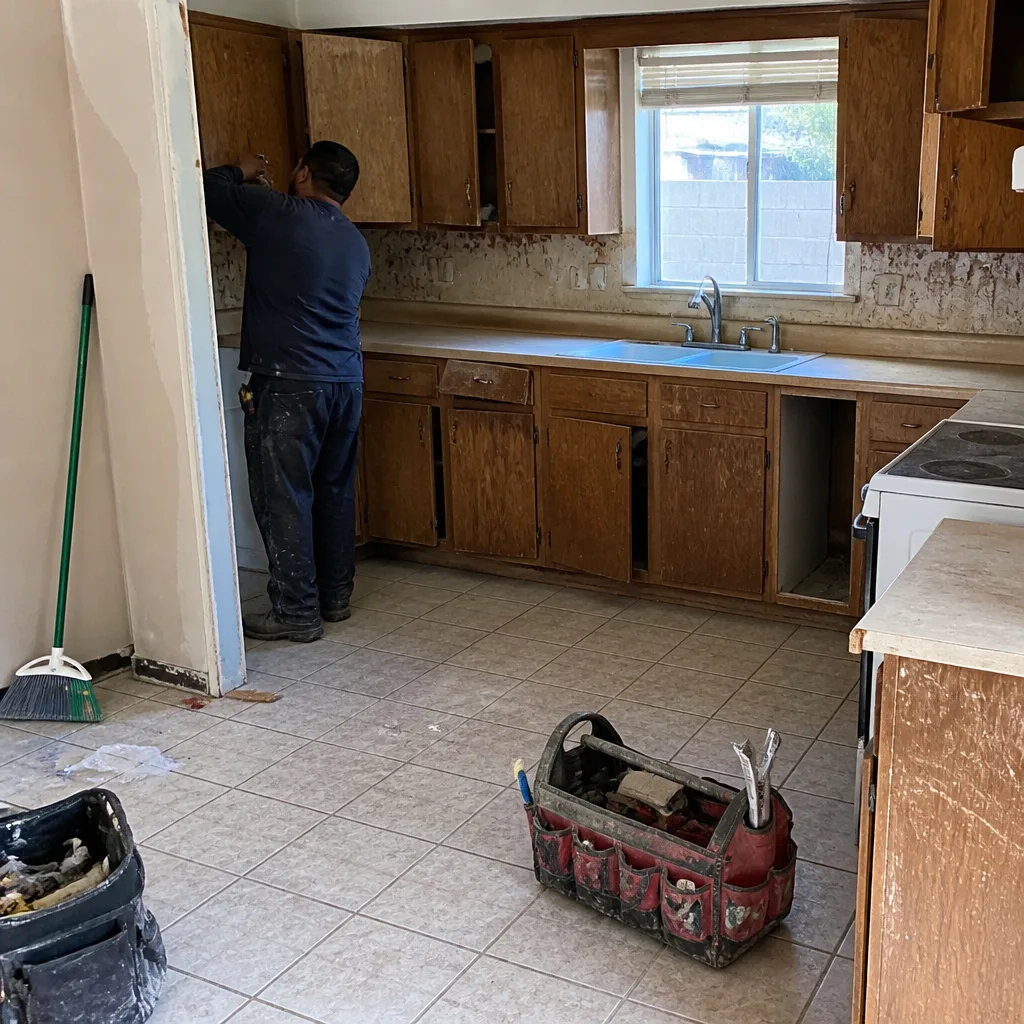
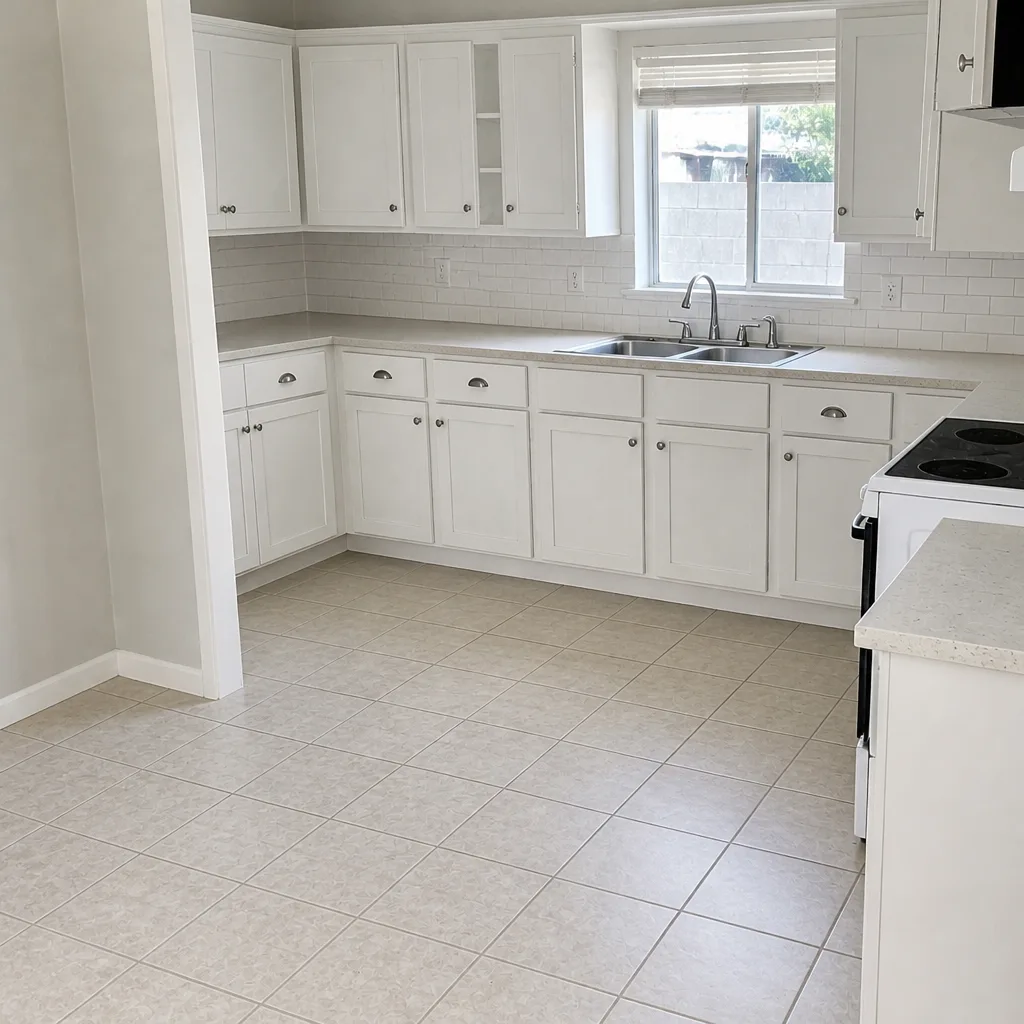
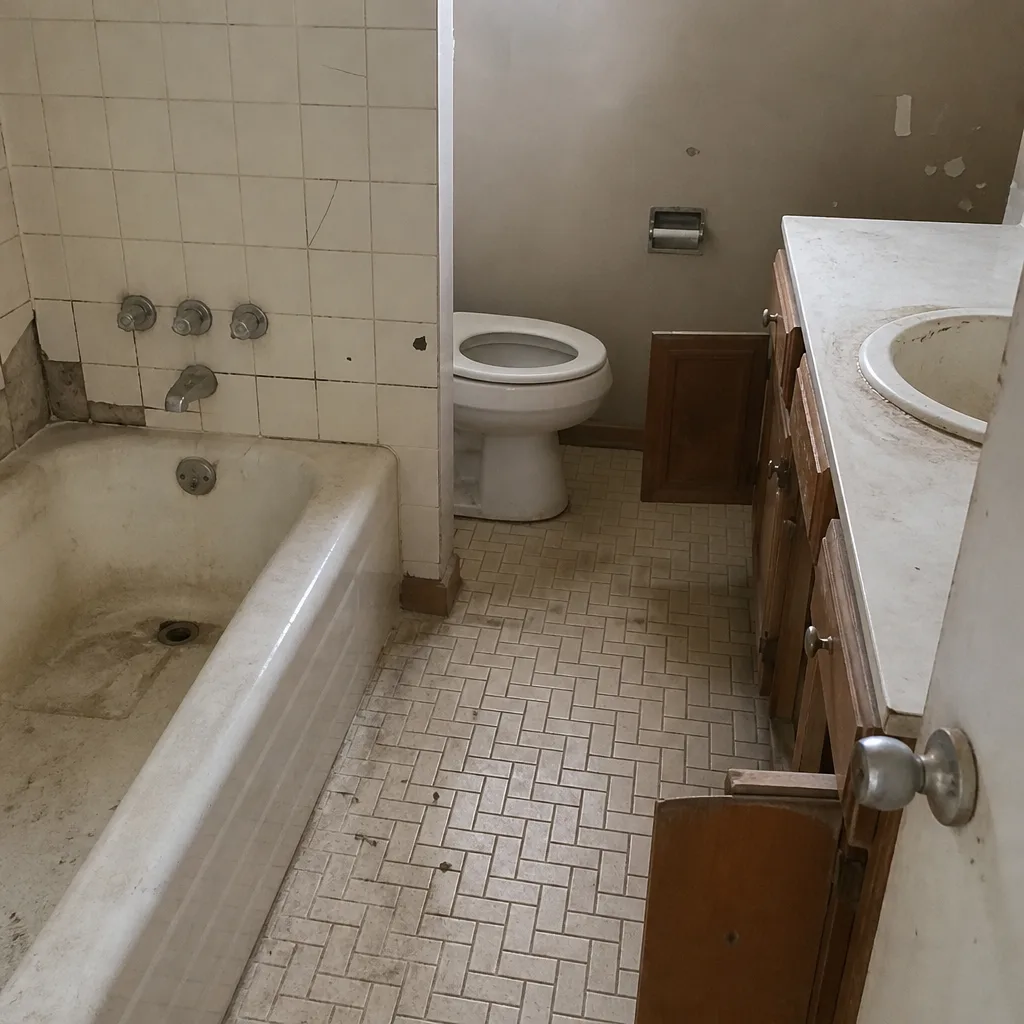
See the difference
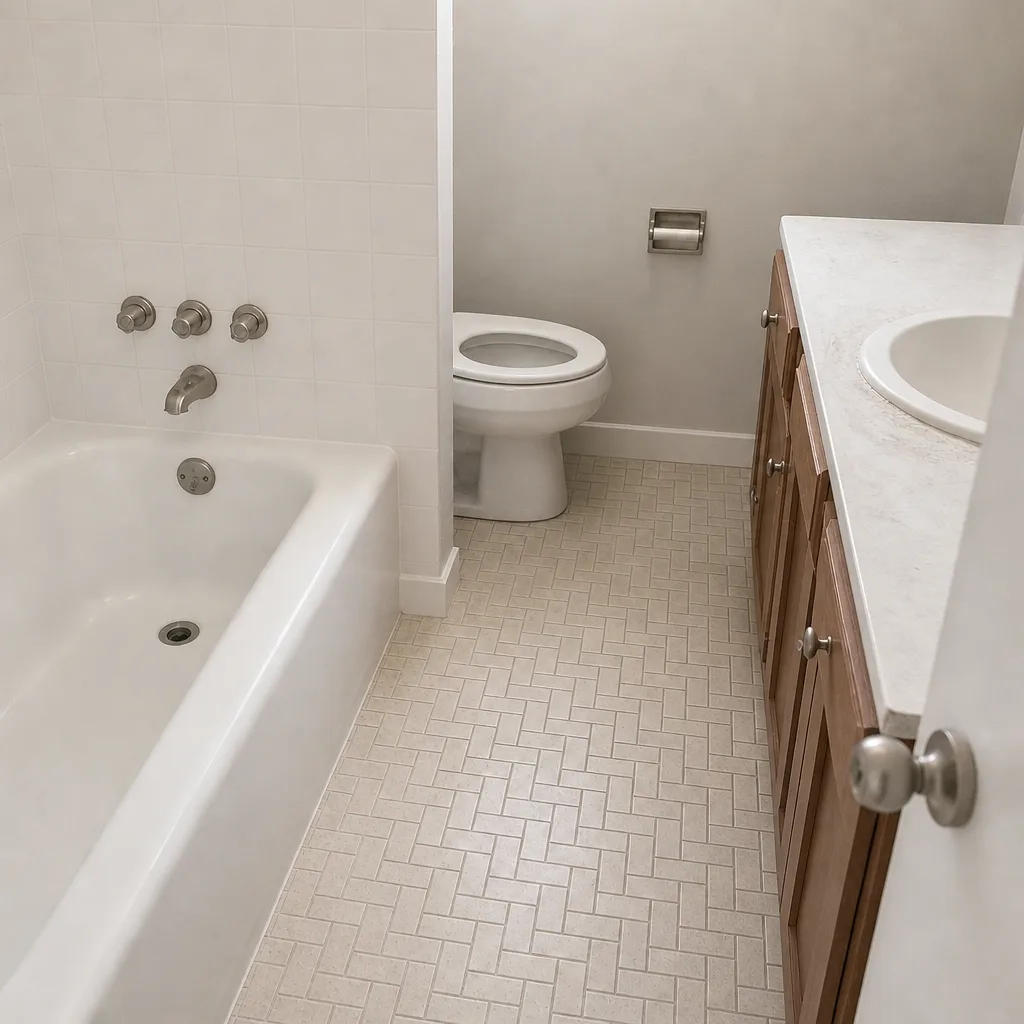
 Before
 After
 Before
 After
 Before
 After
Frequently Asked Questions
If water appears during a low-flow hose test at the frame, it’s typically the window seal or flashing. If water only appears after heavy rain and shows up several feet from the window, it’s usually coming from the roof or wall assembly above. A professional inspection traces it back to the source.
Yes. In Paradise, low humidity dries surface moisture fast, so paint bubbling below a window is a sign that water is already behind the drywall, not on the surface. Repainting hides the symptom for a season at most. Have it inspected before you spend money on paint.
Cost depends entirely on how far the water traveled. A flashing repair or door sweep replacement runs in the low hundreds, while opening a wall to replace wet sheathing and insulation can run into the low thousands. Every scope change arrives as a written change order before work proceeds, so the number doesn’t move once you sign.
Two things: UV and alkali soil. Our UV index cracks weatherstripping and gaskets prematurely, and the alkaline soil plus irrigation overspray oxidizes aluminum and steel frames near grade. That’s why checking the base of every exterior door frame in Paradise each spring is worth the five minutes.
No, seasonal sticking from monsoon humidity that resets by fall is normal. Start worrying when the door stays stuck after the season, when the reveal gap changes, or when drywall cracks widen above the top corners. Those point to framing movement and warrant an evaluation.
Sometimes, but not always. The quickest way to find out is the tissue test on a windy day and the register temperature test on your HVAC. If supply air is more than 20 degrees cooler than return, the HVAC is performing and the windows or door seals are likely the real culprit.
The Bottom Line
The windows and doors in your Paradise home tell you when water is moving behind the wall, but the signs are quiet: a bubbling paint patch, a soft piece of trim, a door that stuck this summer and never reset. Take them seriously and treat them as a flashing or seal problem until a professional says otherwise. Repainting, re-caulking, and shimming are all ways to hide a water source, and in our heat, hidden water compounds into rot, mold, and framing damage faster than most homeowners expect. Test with a garden hose before you call, don’t pressure-wash, and never plane a door that might be telling you the frame moved. An inspection is free, and it’s cheaper than the wall rebuild you’ll do if you ignore it.
Call Barrett & Sons Construction Paradise at (855) 596-7029 for a free estimate. We’ll schedule an inspection, put every scope in writing, and pull any permits the job needs. If another contractor has handed you a quote, bring it in for a free second opinion before you sign anything.
Written by the team at Barrett & Sons Construction Paradise.