Last updated November 18, 2026






Free written scope consultation - allowances, timeline, and change-order rules on paper before a single trade is scheduled
Windows & Doors Troubleshooting: Common Problems and How to Fix Them
Here’s a number that surprises most homeowners: a good share of the window and door complaints we get called about in Paradise aren’t failures of the product at all. The glass is fine. The frame is fine. What went wrong was the install or a part that worked itself loose over a few summers of desert heat. A door that sticks in July and shows daylight at the edge in January isn’t warped – it’s usually a frame moving with your slab, and a longer hinge screw fixes it about nine times out of ten. This guide walks you through the diagnosis so you can tell a $4 fix from a repair that needs the wall opened up, before you call anyone.
Quick Answer
Most window and door problems in Paradise come down to three causes: movement between the frame and the structure, dried-out weather stripping from high UV, and dust packed into sliding tracks. You can diagnose nearly all of them yourself in about ten minutes with a flashlight and a screwdriver. The catch is knowing when a symptom points to something bigger, like a settling foundation or failed window seal, that won’t be fixed by an adjustment.
Styles & brands we work with
- Kitchen remodeling
- Bathroom remodeling
- Home additions & ADU
- Roofing
- Windows & doors
- Driveway & pavers
- Fence
Table of Contents
- Diagnosis Chart: Sticking Door, Settling Foundation, or Hinge Failure?
- Window Condensation Between the Panes
- Sliding Door Tracks and Desert Dust
- Weather Stripping Failure in High-UV Climates
- Draft Around a Window: Caulk or Flashing?
- Hardware, Locks, and Rollers
- Repair or Replace?
- Common Mistakes to Avoid
Diagnosis Chart: Sticking Door, Settling Foundation, or Hinge Failure?
This is the single most useful thing to know before you spend a dollar. A door that rubs at the top corner could be a hinge that’s backed out, or it could be the whole slab tilting. Those are very different problems with very different price tags. Here’s how to tell them apart without a single tool.
- Open the door halfway and let go. If it swings on its own toward the latch side, the frame is likely out of square. If it stays put, the frame is probably fine and you’re looking at a hinge issue.
- Look at the gap around the door. A gap that’s even at the top and bottom but tight at one corner points to a hinge. A gap that’s wide at the top on one side and wide at the bottom on the other side means the frame is racked.
- Check the latch and strike plate line up. If the bolt hits below or above the strike hole, the door has dropped, which is almost always a loose top hinge.
- Walk the floor near the door with a marble or a level. In Paradise, slab movement from our shrink-swell soils can tip a door frame. If the floor itself feels uneven or the marble rolls fast in one direction, that’s a structural clue, not a hardware clue.
Nine times out of ten, a door that sticks in summer heat and frees up in cooler weather is the slab and frame moving against each other. A longer screw through the top hinge into the stud – what we call a $4 fix – takes the sag out and gets the door swinging clean. We’ve seen it hundreds of times in the older neighborhoods around Paradise. If the gap changes shape and the marble rolls, get a professional to look at the frame before you touch a screwdriver.
Window Condensation Between the Panes
Fog or water droplets trapped between two panes means the seal that holds the insulating gas has failed. That’s a different animal from condensation on the room-side surface, which is just humidity meeting cold glass and usually a ventilation issue, not a window defect.
So which is it? Wipe the inside of the glass with your hand. If the moisture stays and sits between the panes when you look from an angle, the seal is gone. If it smears and clears with a dry cloth, the window is fine and your indoor humidity is the culprit.
Once the seal has failed, the window can’t be resealed in the field. Some glass shops will drill and dry a double-pane unit, but that’s a patch, not a repair, and the seal generally fails again. The honest math:
- One failed pane in an older unit: replacing just the insulated glass unit (the glass pack, not the frame) is usually the cheapest correct fix.
- Several failed panes on windows over 20 years old: at that point, a full window replacement with a brand like Andersen or Marvin often makes more sense than chasing individual sash replacements year after year.
- Failed pane on a window with a cracked frame or rotten sill: don’t waste money on the glass. The frame needs attention first.
In Paradise, the intense UV and dry heat shorten seal life. We see failed seals on south and west-facing windows first, because that’s where the sun bakes the frame and glass the hardest. If your foggy windows are all on the same side of the house, that’s the reason.
Sliding Door Tracks and Desert Dust
Before you assume a sliding patio door is worn out and needs replacing, clean the track. Seriously. In a desert climate, the majority of “my slider won’t slide” calls we hear in Paradise are dust, sand, and dead insects packed into the lower track, not a failed roller.
Work the cleaning sequence in this order:
- Vacuum the track with a crevice tool, dry, before you add any liquid.
- Scrub the channel with a stiff nylon brush and a shop vac running alongside to catch the grit.
- Wipe down the rollers by lifting the door out of the track if you can safely lift it (two people, please).
- Apply a dry silicone lubricant to the track and rollers – never WD-40 or grease, which grabs dust and gums up faster in our air.
- Test the roll. If it still drags after a clean and lube, the roller itself has worn flat or the track has a dent, and that’s a hardware swap.
Track cleaning is a twice-a-year job in Paradise at minimum, more often if you’re near an open lot where wind kicks dust. A cheap dry-lube spray and ten minutes in spring and fall save you a door replacement. When the track is bent or the frame is out of plumb, though, cleaning won’t save it, and that’s a real repair.
Weather Stripping Failure in High-UV Climates
Weather stripping in Paradise doesn’t wear out from use. It wears out from sun. UV exposure dries and cracks the foam, felt, or rubber, and once it crumbles, air, dust, and pests come in through the gap. The pattern is predictable: south and west doors fail first, and they fail faster than the same stripping would in a cooler climate.
Match the replacement type to your door, because the wrong strip will fail again within a season:
- Sliding patio doors: use a fin-seal or pile-type strip in the track. Foam gets crushed flat by the door travel.
- Hinged exterior doors: a foam or vinyl bulb strip set into the frame kerf works best, matched to the gap you measure.
- Windows: most modern windows use a bulb or leaf seal in a channel. Bring a piece of the old strip to the hardware store to match profile and depth.
The test is simple: with the door closed, slide a dollar bill around the edge. If it pulls out easily with no drag, the seal has failed and you have a gap. Mark where the bill slides freely and that’s where the strip is shot. Replacing weather stripping is genuinely a homeowner job, but if the frame is twisted and the gap is uneven all the way around, no strip will hold the seal, and that’s where an adjustment or a new door comes in.
Draft Around a Window: Caulk or Flashing?
This is where homeowners waste the most money, because the fix for these two problems is completely different, and the wrong one fixes nothing. You need to know whether the draft is coming through the joint between the window frame and the wall (a caulk issue) or around the outside of the frame where the flashing should shed water (a flashing issue).
How to tell:
- Caulk issue: the draft is felt along the interior edge where the window trim meets the drywall. The caulk line is cracked, missing, or peeling. Re-caulking the interior joint with a paintable latex caulk solves it.
- Flashing issue: the draft comes from behind the trim, and there’s a stain, bubbling paint, or soft wood near the window. That means water has been getting in at the exterior, and the sealant or flashing at the outside top and sides has failed. Re-caulking the inside hides it for a while and lets the rot spread.
Flashing failures need the exterior opened up, the old sealant removed, and proper flash tape or metal installed and sealed before the siding goes back on. That’s a job for someone who knows water management, not a weekend caulk gun. In Paradise, our summer monsoon rain and dust storms beat up exterior seals fast, so check them in spring. If you see water stains or soft trim, stop caulking and call someone who repairs flashing.
Hardware, Locks, and Rollers
A lock that won’t catch, a handle that flops, a window that won’t latch – these are small problems that look big. Most of them come down to alignment and wear, not the whole unit.
Work through this before assuming a hardware replacement:
- For a sticky lock, check that the door is level in its opening. A door that has dropped will throw the deadbolt off its strike. Adjusting the strike plate or the top hinge usually fixes it.
- For a loose handle or hinge screw, tighten or replace with a slightly longer screw. Stripped screw holes can be filled with a wooden matchstick and glue for a surprisingly solid grip.
- For a window that won’t latch, clean debris from the lock channel and inspect the keeper. A worn keeper is a cheap part, not a new window.
- For a sliding door roller, if the door drags after cleaning and lubing, the roller itself may be flat-spotted. Rollers are the wear item on sliders and are usually replaceable without pulling the frame.
The one exception is a lock that’s been stressed by a door that’s been out of alignment for a long time. When the bolt has been slamming into the edge for months, the strike and faceplate can crack, and on exterior doors that’s a security concern, not just an annoyance. Fix the alignment first, then the lock.
Repair or Replace?
This is the judgment call that saves or costs real money. Here’s how we think about it on a call, and how you can think about it too:
- One failed pane, a hard-hit window on the west side: replace the glass unit. The frame is doing its job.
- A door that’s shifted or sagging but otherwise solid: adjust it. Don’t replace a door because it needs a hinge.
- Weather stripping, rollers, tracks, locks: repair. These are consumable parts, and replacing them is routine.
- Multiple failed panes, cracked frames, or soft or rotting wood around a window: replacement is usually the smarter spend, and you’ll upgrade to energy-efficient glass at the same time.
- A draft that comes back after caulking, or stains that keep returning: the real problem is outside. Repair the flashing first, then consider the window.
In Paradise, windows and doors take a beating from heat, UV, and blown dust in a way they don’t in milder climates. A window that’s 25 years old and fogging on three of its panes has hit the end of its useful life. A 10-year-old window with one foggy pane is a glass swap. Keep the two apart.
When the work is a real repair or replacement, that’s where our broader team comes in. If the job also involves refreshing the exterior around the house, we can look at driveway and pavers in Paradise at the same time. If you’re adding onto the home and need new openings, home additions and ADU in Paradise covers that scope. For the full set of services, start at the Barrett & Sons Construction Paradise home page.
Common Mistakes to Avoid
- Caulking the inside to fix a draft that’s coming from outside. That hides the water and lets the rot spread. Find the source first. We see this in Paradise all the time, and it turns a small flashing repair into a wall repair.
- Replacing weather stripping without matching the profile. The wrong strip won’t seal, and you’ll be back at the store next month. Bring a piece of the old strip to compare.
- Greasing a dusty sliding-door track. Grease grabs desert dust and turns a smooth track into a gritty one. Use dry silicone only.
- Assuming a sticking door means a warped door. Nine times out of ten it’s a hinge or a frame moving with our shrink-swell soils. Check the gap before you buy a door.
- Tightening a stripped hinge screw and calling it fixed. The screw will back out again. Fill the hole or use a longer screw into solid wood.
- Replacing a whole window for one failed pane. If the frame is solid, replace the insulated glass unit and save the rest.
- Skipping the permit when a window or door swap touches the structure. In Paradise, structural changes need a permit and an inspection. A contractor who tells you permits are optional is the one to walk away from.
See the difference
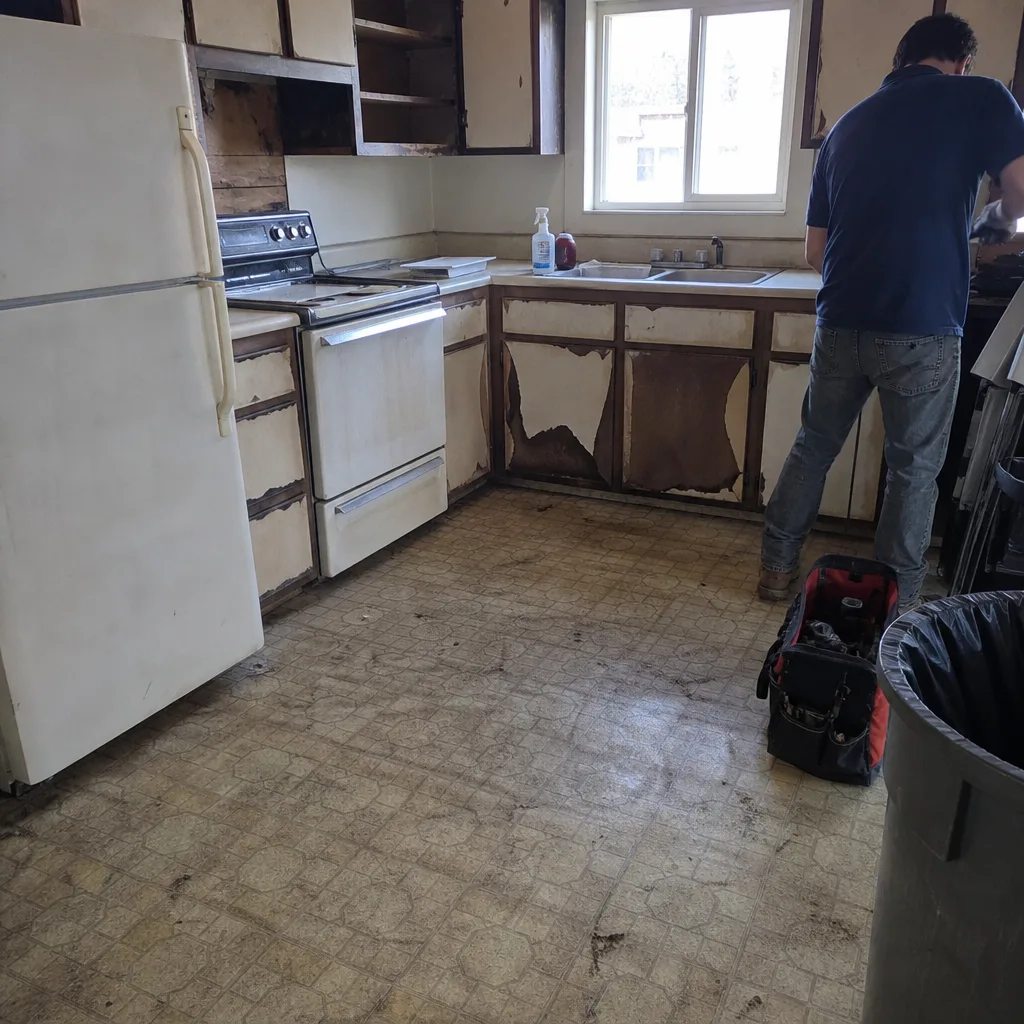 Before
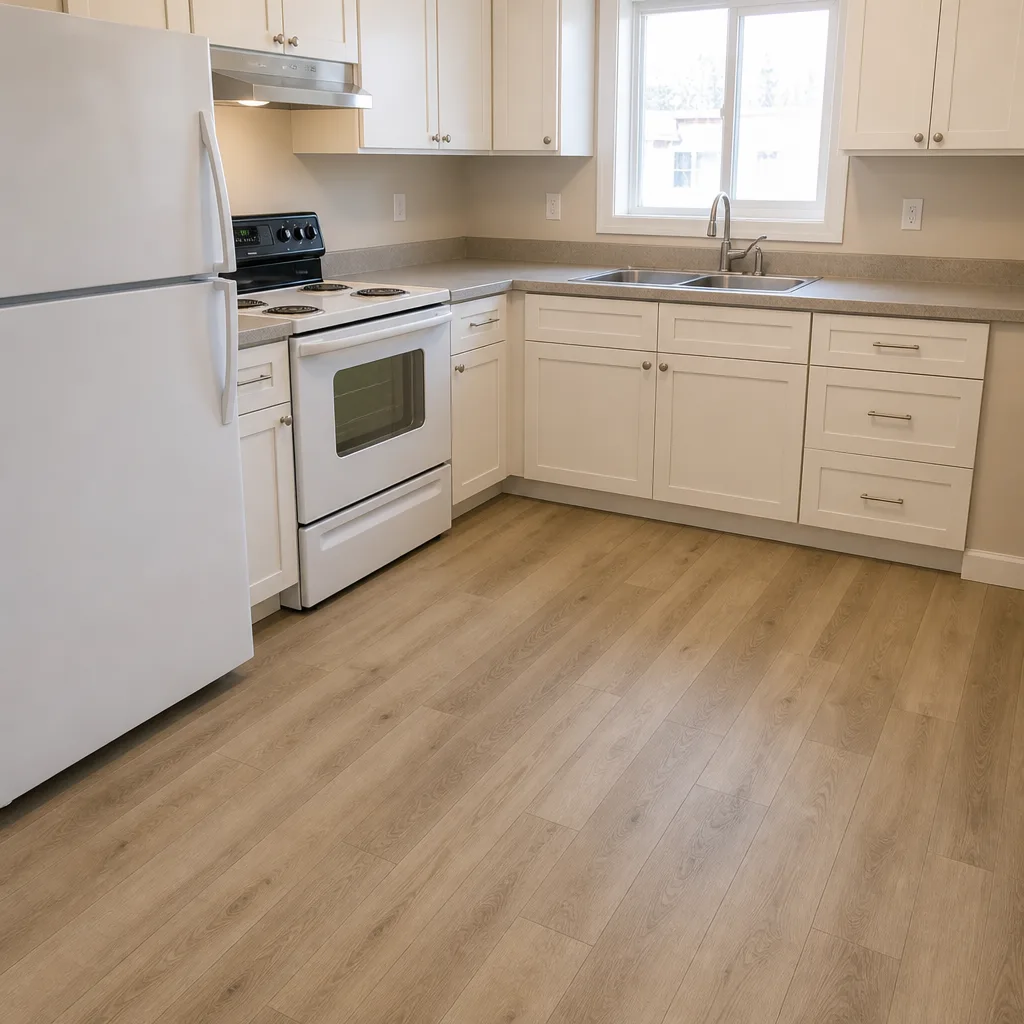 After
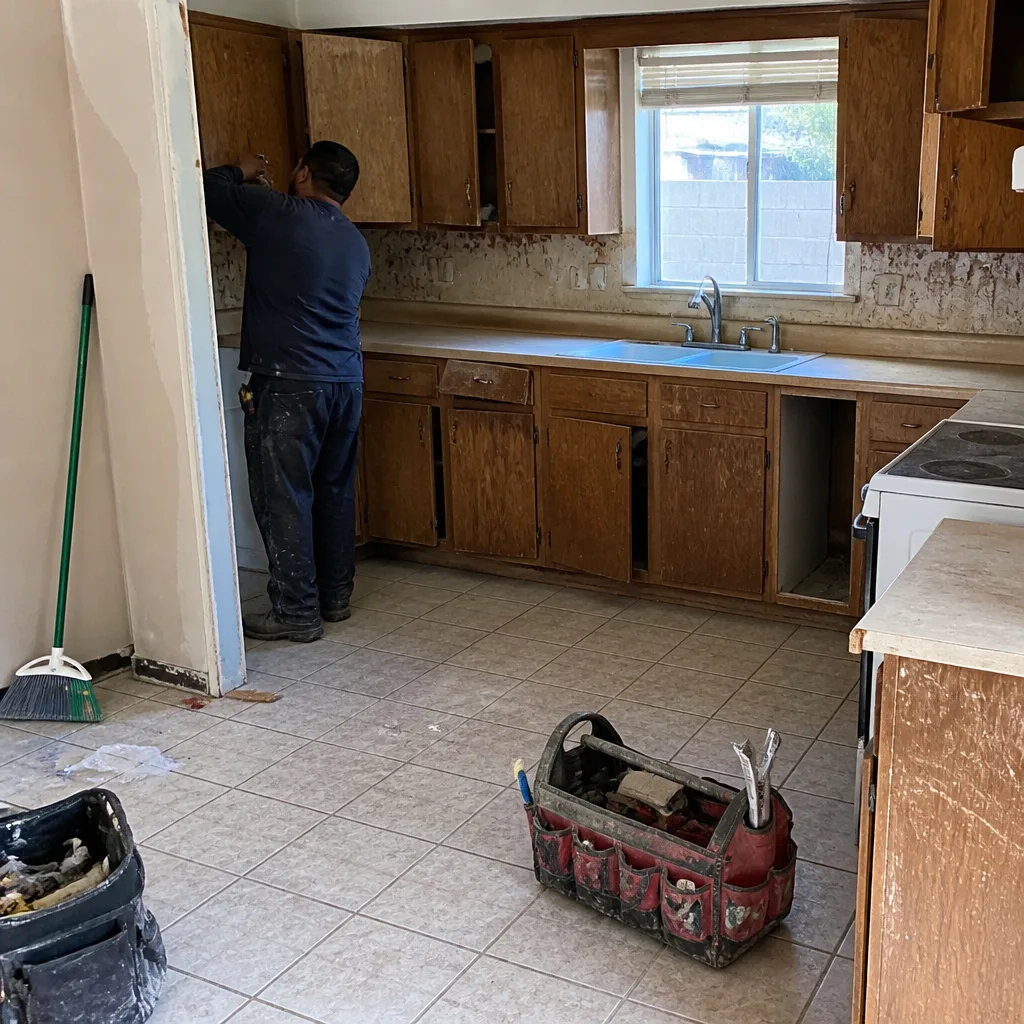 Before
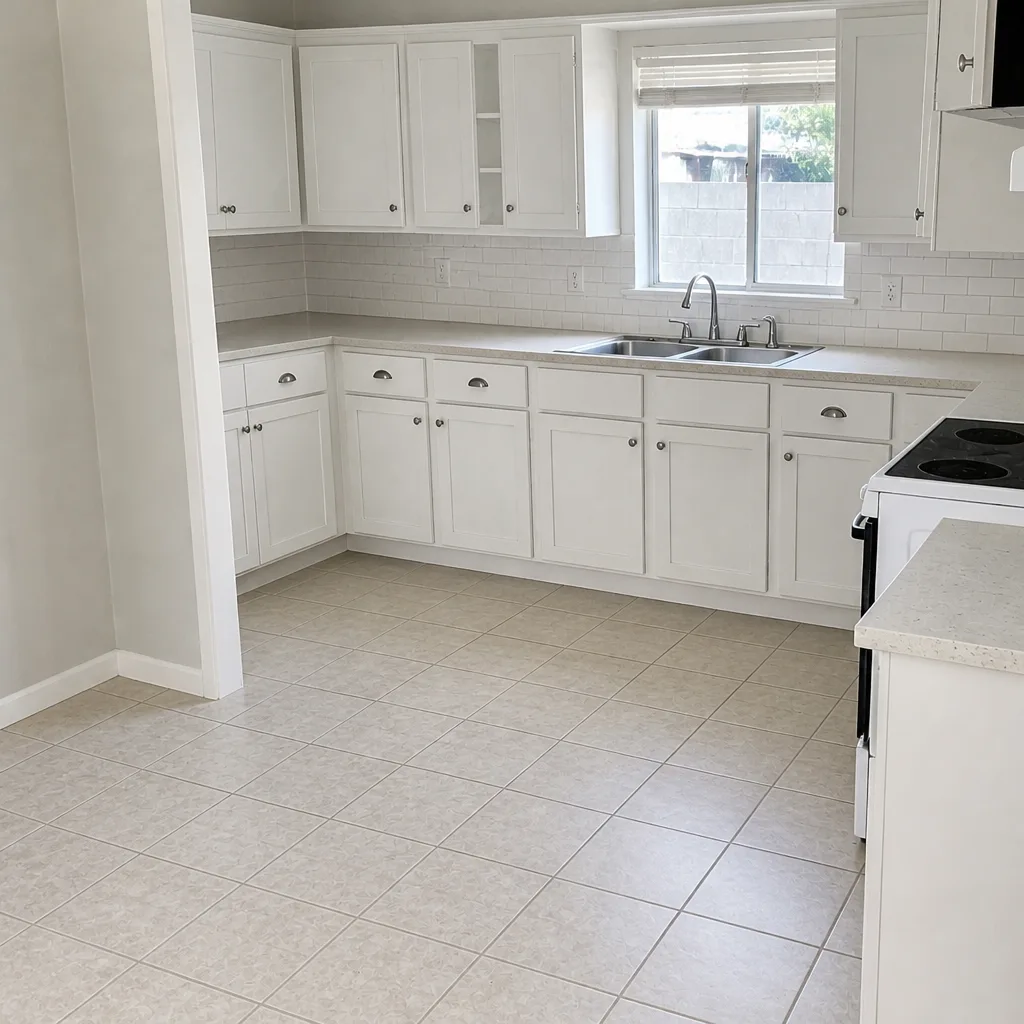 After
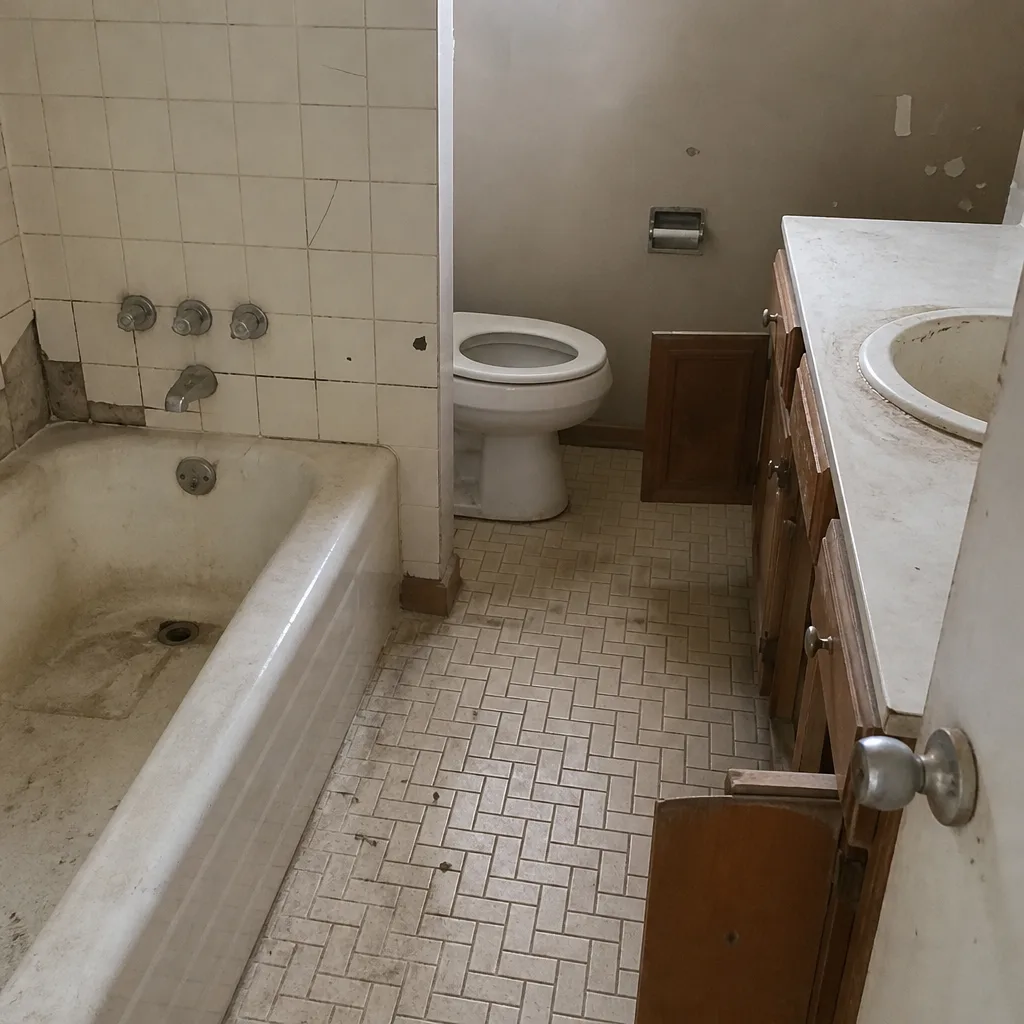 Before
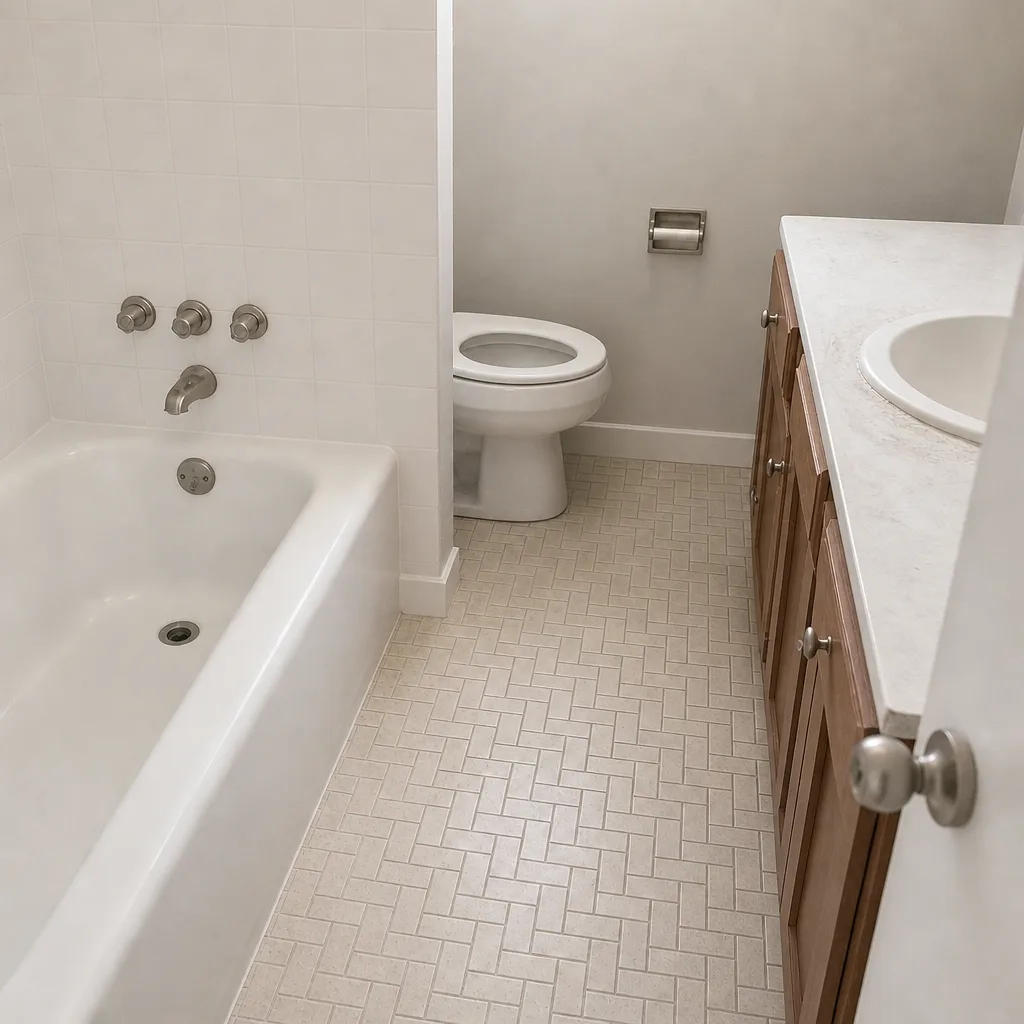 After
When to Call a Professional

Some of these fixes are genuinely a homeowner job: weather stripping, track cleaning, a longer hinge screw, a fresh bead of caulk. Call us when the symptoms point to something structural or water-related. A door frame that’s out of square, a draft that keeps coming back after caulking, soft trim or stains around a window, multiple failed panes on an older unit, or any window or door replacement where the opening changes. Those need someone who knows how the wall goes together, and who’ll pull the permit and stand behind the work. Barrett & Sons Construction Paradise offers free estimates in Paradise – call (855) 596-7029. Ask for a written scope, and you’ll get the whole picture before anyone touches a nail.
If your replacement also involves fences or a gate at the same time, our fence installation in Paradise team can look at it on the same visit.
Frequently Asked Questions
Your door frame is moving with temperature and soil moisture. In Paradise, the slab and frame expand in summer heat and contract in cooler months, so the door rubs at one corner in July and shows a gap in January. This is usually a hinge adjustment, not a warped door. If the gap changes shape all the way around, get a professional to check the frame.
Once the seal is broken, it can’t be resealed in the field, so the fog means the insulated glass unit has failed. The fix is to replace the glass pack if the frame is solid, or the whole window if the frame is worn or several panes have failed. Call (855) 596-7029 for a free estimate on the right call for your windows.
It depends on the size, the glass, and whether the opening is being changed. A straight glass-pack swap is far cheaper than a full window replacement with new framing. We give a written, line-item estimate before any work, so you’ll know the number before you commit. Call (855) 596-7029 for a free quote.
Probably not. Clean the track, wipe the rollers, and apply dry silicone lubricant first. Most drag in Paradise is dust and grit packed into the lower track. If it still drags after a clean and lube, the roller has worn and needs replacement, which is a small part, not a new door.
Not without your written approval. Every scope, every allowance, and every price change comes to you in a written change order before the work proceeds. You’ll never get a surprise invoice at the end.
Yes. Any job that changes the structure or the opening needs a permit and an inspection, and we pull it and see the inspection signed. The permit inspector works for you, not for us – that’s why we like him.
The Bottom Line
Most window and door problems in Paradise are cheaper than they look. Check the gap around a sticking door before you call – it’s usually a hinge, not a warped slab. Clean the sliding track before you replace the door. Match the weather stripping to the door style, and don’t caulk the inside to hide a flashing problem outside. The big exceptions are failed seals across several panes, soft or stained trim, and frames that are out of square or shifting with the soil. Those are the ones worth a call. When you’re ready, a free estimate and a written scope tell you exactly what you’re dealing with before anyone picks up a tool. Call (855) 596-7029.
Written by the team at Barrett & Sons Construction Paradise.