Last updated November 18, 2026
Free written scope consultation - allowances, timeline, and change-order rules on paper before a single trade is scheduled
The Complete Windows & Doors Guide for Paradise Homeowners
A window with the Energy Star label on it can still be the wrong window for a house in Paradise. That label is real, but it’s a national certification, and it grades differently depending on where you live. The climate zones that matter to a Minnesota homeowner are not the ones that matter to you. Nevada sits in a punishing solar zone, and a window that saves heat in Duluth can let in far more sun than you want in a Paradise living room in July. What follows is what we’ve learned about picking windows and doors that actually hold up to 110°F afternoons, hard desert sun, and the wind that rolls through the valley – and how to tell a good installation from a bad one before you sign anything.
Quick Answer
For Paradise homes, the window specs that matter most are a low Solar Heat Gain Coefficient (look for 0.25 or lower on south- and west-facing glass), a frame material that survives brutal heat cycling without warping, and an installation crew that flash and seal correctly for monsoon wind and rain. Skip the national Energy Star label as your main filter and shop by SHGC, frame type, and installation method instead. Permitted replacements also need to meet Nevada Title 24, and a good contractor will handle that paperwork for you.
Styles & brands we work with
- Kitchen remodeling
- Bathroom remodeling
- Home additions & ADU
- Roofing
- Windows & doors
- Driveway & pavers
- Fence
Table of Contents
- What SHGC Actually Means for a Paradise Home
- Vinyl vs. Fiberglass vs. Aluminum: Which Frame Survives the Valley
- Nevada Title 24 and Permitted Window Replacement
- How HOA Rules Shape Your Door and Window Choices
- Installation Method: Where Great Windows Fail Fast
- Exterior Doors in Desert Heat: What to Look For
- Questions to Ask Before You Sign a Window Contract
What SHGC Actually Means for a Paradise Home
SHGC stands for Solar Heat Gain Coefficient, and it’s the single most important number on a window spec sheet for a Paradise homeowner. It measures how much of the sun’s heat actually gets through the glass and into your house. A window with an SHGC of 0.40 lets in 40% of that solar heat. A window with an SHGC of 0.25 lets in 25%. In a mild climate that gap barely matters. In Paradise, where summer afternoons push past 110°F, that gap is the difference between a room you can use in August and one where the AC never quite catches up.
Here’s the part most buying guides skip: national Energy Star zones were built around heating-dominated climates. A window that earns high marks in a cold northern zone is optimized to hold heat in. In Paradise you want the opposite – glass that keeps solar heat out. That’s why you should shop by the actual numbers, not the sticker.
What to insist on for Paradise:
- South- and west-facing glass: SHGC of 0.25 or lower. These faces take the hardest afternoon sun.
- East-facing glass: SHGC up to 0.30 is usually workable.
- Visible light transmittance (VLT): aim for 0.40 or higher so you aren’t sitting in a cave. Low-SHGC glass can still let in plenty of daylight if it’s spec’d right.
- UV protection: look for glass with strong UV-blocking coatings. Desert sun fades furniture, flooring, and artwork faster than most people expect.
- Low-E coating: a must. It reflects radiant heat without darkening the room much.
The brands we install most often – Andersen and Marvin among them – publish SHGC and VLT numbers per product line, so you can compare apples to apples instead of taking a salesperson’s word for it. Ask to see the spec sheet for the exact window going into your wall, not the brochure average.
Vinyl vs. Fiberglass vs. Aluminum: Which Frame Survives the Valley
Frame material is where Paradise climate really separates the good choices from the bad ones. Every material expands when it gets hot and contracts when it cools. Multiply that by a few hundred cycles a year – 110°F afternoons and 60°F nights – and weak frames start to show it. The wrong material warps, pulls away from the seal, or lets the glass rattle loose. Here’s how the three main options hold up specifically in the Las Vegas Valley.
Vinyl
Vinyl is the most common choice and, when it’s good vinyl, it performs well here. Modern vinyl windows handle heat cycling fine and they’re the most affordable option. The catch: cheap, thin vinyl from a big-box line can get brittle and sag over time in sustained 110°F heat. Look for welded corners and a frame with some real thickness to it, and avoid bottom-shelf product.
Fiberglass
Fiberglass expands and contracts at roughly the same rate as glass, which means the seal between frame and pane stays tight through heat cycling. It doesn’t warp, it doesn’t crack in UV, and it holds a finish well. It costs more than vinyl, but for west- and south-facing windows especially, it’s the most durable choice in this climate. Many of our Paradise customers choose fiberglass for the hottest exposures and vinyl for the shaded sides.
Aluminum
Aluminum is strong and it never warps, but it’s an excellent conductor of heat – which is a problem in the desert. Standard aluminum frames wick outside heat right into the house unless they have a thermal break (an insulating barrier between the inside and outside halves of the frame). If you go aluminum, thermal break is non-negotiable, and expect to pay more. Many older Paradise homes still have single-pane aluminum windows, and those are the ones generating the biggest cooling bills.
Nevada Title 24 and Permitted Window Replacement
Nevada’s energy code – Title 24 – sets minimum performance requirements for windows and doors on permitted projects, and it’s stricter than many homeowners realize. If you’re replacing windows as part of a permitted job, the new units generally have to meet both a maximum U-factor (how well the glass holds heat) and a maximum SHGC. These requirements vary depending on the scope and the inspection path, which is why the exact spec matters before you order glass.
This is also where a lot of Paradise homeowners get burned. A big national window outfit quotes the job on the phone, installs the units, and skips the permit – either because they didn’t want to pay for it or because they told the customer permits were “optional” for replacement windows. They aren’t optional on eligible jobs, and an inspector can require you to pull the units and redo the work if they don’t meet code.
- Confirm whether your project is permitted. Not every window swap triggers a permit, but many do. Ask.
- Get the spec sheet for every unit. U-factor, SHGC, and VLT all need to be on paper.
- Match the spec to Title 24. Your contractor should be doing this math before the order goes out, not after.
- Pull the permit. The permit inspector works for you, not the contractor – that’s why we like him.
- Get the inspection signed. A signed inspection card is proof the job was done to code.
Every eligible window or door job we run in Paradise includes permits pulled and inspections signed. You should see that language in writing on any estimate you’re comparing – not a verbal promise.
How HOA Rules Shape Your Door and Window Choices
Many Paradise-area communities have HOA architectural review rules that limit what your exterior doors and windows can look like. That’s a real constraint and it changes what you can buy. A fiberglass entry door in the perfect color and style is worthless if the HOA won’t approve the color. Before you fall in love with a product, read the HOA rules.
What HOA review usually touches:
- Color. Many Paradise-area HOAs require a specific palette – desert tan, cream, or a defined accent set – and won’t approve a bold front door color.
- Frame profile. Some communities restrict visible frame width or want a specific finish (white, bronze, almond).
- Glass appearance. Tinted glass is often fine; mirror-finish or reflective coatings can be restricted.
- Door style. Panel configuration, sidelights, and decorative glass details sometimes need sign-off.
- Screen and grille patterns. Rare, but it happens.
The practical move is to get the HOA’s written approval before you order product. That’s true even when the homeowner is not moving soon. Nothing stalls a job like discovering the door you had shipped in from out of state doesn’t match the community rule book, and no contractor can install a door through a rejected approval. We ask every Paradise customer to send us the HOA packet up front so we can build the estimate around what will actually pass architectural review.
Installation Method: Where Great Windows Fail Fast
Here’s the honest truth: the best window in the world still fails when it’s installed wrong. In Paradise, the specific failure risk is water intrusion – not from steady rain, but from the hard, wind-driven cells that roll through during monsoon season. A window with a perfect SHGC rating and a solid frame will leak if the flashing and sealing around it aren’t done right. The wall cavity gets wet, the drywall stains, and mold sets in behind the trim.
What makes the difference is the flashing detail. Every window and door opening should have:
- Sill pan flashing at the bottom of the opening, sloped to drain outward – not flat.
- Jamb flashing up the sides, lapped correctly so water can’t get behind it.
- Head flashing at the top, tucked under the weather barrier above.
- Proper sealant at every transition – not just a bead of caulk smeared over the gap.
- Backer rod or foam in the gap where it’s called for, so the seal survives expansion and contraction.
Ask any contractor you interview two questions: “How do you flash the opening?” and “Can I see a photo of how you flash?” A crew that knows what it’s doing will show you, and it’ll be obvious within five seconds whether they have a real answer or a hand-wave. The wrong flap direction or a missing sill pan is a slow leak that shows up a year later. In Paradise, that usually means a call in the fall to fix water damage after a summer storm.
If you’re expanding a wall or adding square footage at the same time, this is exactly the kind of detail that gets missed when scopes are informal. Our Home Additions & ADU in Paradise page covers how we tie new window and door openings into the existing envelope.
Exterior Doors in Desert Heat: What to Look For
Exterior doors take more daily punishment than windows do. They’re the surface the sun hits all day, they open and close hundreds of times a year, and in Paradise they have to hold up to UV that peels cheap finishes in a few seasons. A door that looks great at the showroom can sag, warp, or lose its weather seal within a few years if it’s not built for this climate.
What matters for Paradise doors:
- Insulated core. A fiberglass or steel door with a solid insulated core resists heat transfer far better than a hollow one, and it won’t warp like solid wood in sustained heat.
- UV-stable finish. Paint or stain systems rated for high-UV exposure. Ask what the finish system is, not just the color.
- Adjustable threshold. Heat cycling opens gaps over time; an adjustable threshold lets you re-seal the bottom without replacing the door.
- Quality weatherstripping. A cheap gasket dries out and cracks in the valley sun. Look for silicone or a product rated for high heat.
- Product line match. A door from the same manufacturer as your windows means matched finishes and one warranty point of contact. Brands like PGT and Boral both offer door lines worth comparing.
Entry doors are one of the places where the difference between a contractor who knows the climate and one who doesn’t is most obvious. A door hung with a 1/8-inch reveal that’s still 1/8-inch after five summers in Paradise was installed correctly. One that’s proud on the strike side after two years was not.
Questions to Ask Before You Sign a Window Contract
Most window horror stories start before the installation does – in the contract. Ask these questions on the front end and the odds of a bad surprise on the back end drop considerably.
- What are the exact SHGC, U-factor, and VLT specs for every window? Get it on paper, per unit. If the contractor can’t produce it, walk.
- Is the project permitted? If yes, get the permit in writing as part of the scope. If no, ask why not.
- How do you flash the openings? Ask to see photos of past work.
- Is there a written change order process? Every scope change, allowance change, and price change should hit paper before work happens. An allowance that isn’t on paper is a surprise waiting for a date.
- What’s the warranty on product vs. labor? These are two different warranties. Understand both.
- Who answers the phone if something goes wrong? A live person, or a voicemail box?
- What does your HOA approval process look like? Confirm they’ve handled your community before, or that they’ll wait for the written approval before ordering.
If you’re also considering other exterior upgrades around the same time – and windows and doors often pair with a fence repair or an exterior refresh – our Fence Installation in Paradise page covers how we sequence those jobs so the schedule doesn’t collide.
Common Mistakes to Avoid
- Buying by the Energy Star label instead of the spec sheet. A northern-zone certification means very little in Paradise. Shop by SHGC, U-factor, and frame type – all on paper for the exact windows going into your walls.
- Skipping the HOA approval step. In Paradise-area communities, an unapproved color or style can force you to remove and replace new doors or windows. Get written approval before you order.
- Letting the contractor skip the permit. Some national outfits quote “no permit needed” to save money. On eligible jobs that’s wrong, and it can cost you at resale or inspection time.
- Not asking how the openings get flashed. This is the most common failure point in Paradise windows, and monsoon season finds it fast. Ask to see photos.
- Installing vinyl on west-facing walls in the low desert. Vinyl performs fine in most exposures, but the brutal west sun wears cheap vinyl out quickly. Fiberglass holds up better there.
- Taking a phone quote and thinking you’ve got a bid. A number on the phone is a guess. You want a written line-item estimate, with the allowances spelled out, before you commit.
- Ignoring the door as part of the job. Doors and windows share exposures and often share manufacturer lines. Getting one right and one wrong is a waste of money.
See the difference
 Before
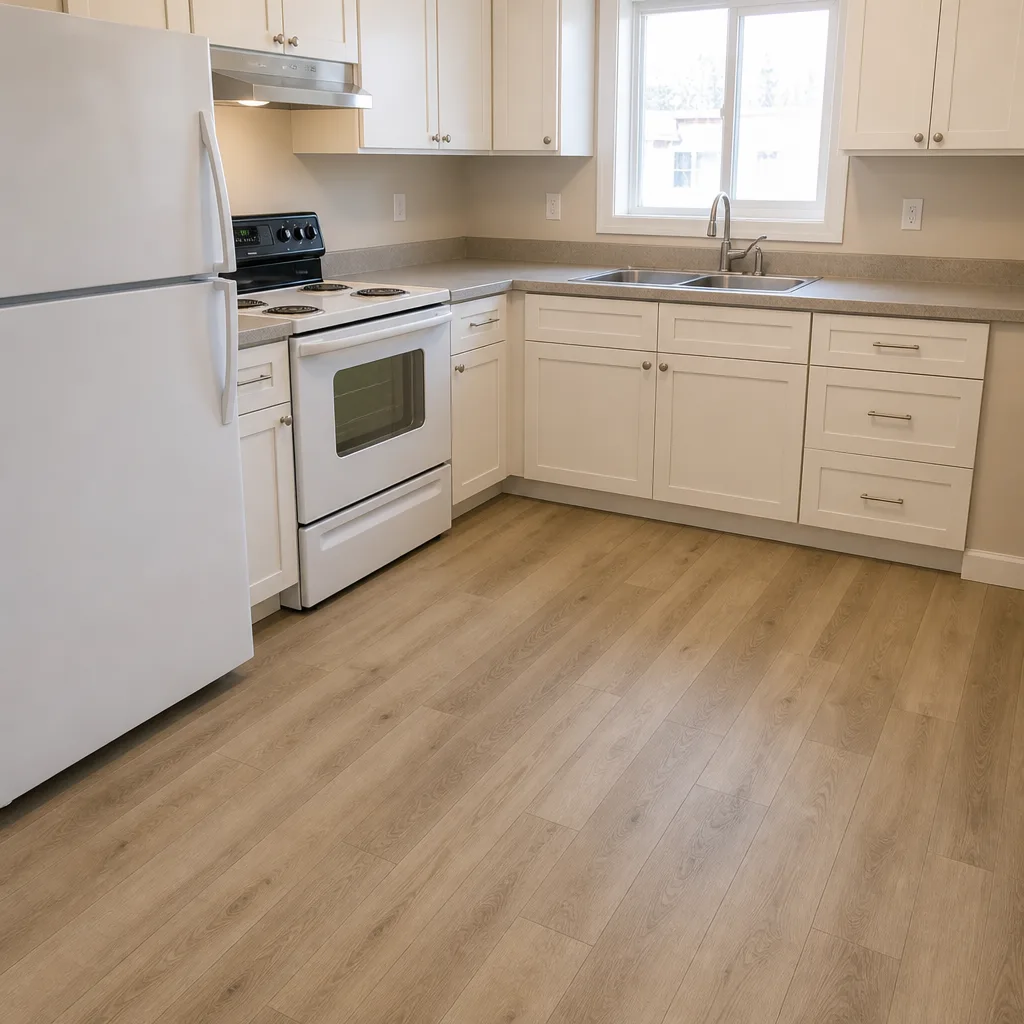 After
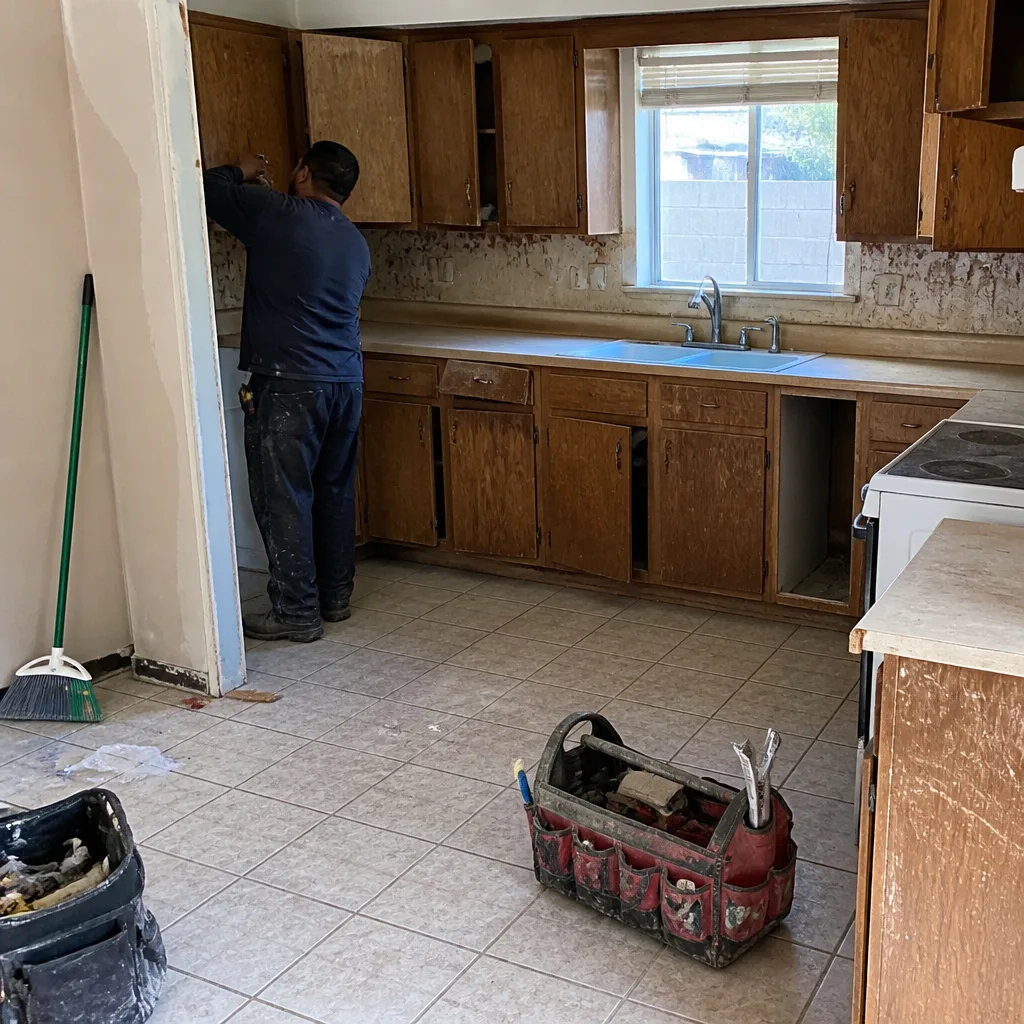 Before
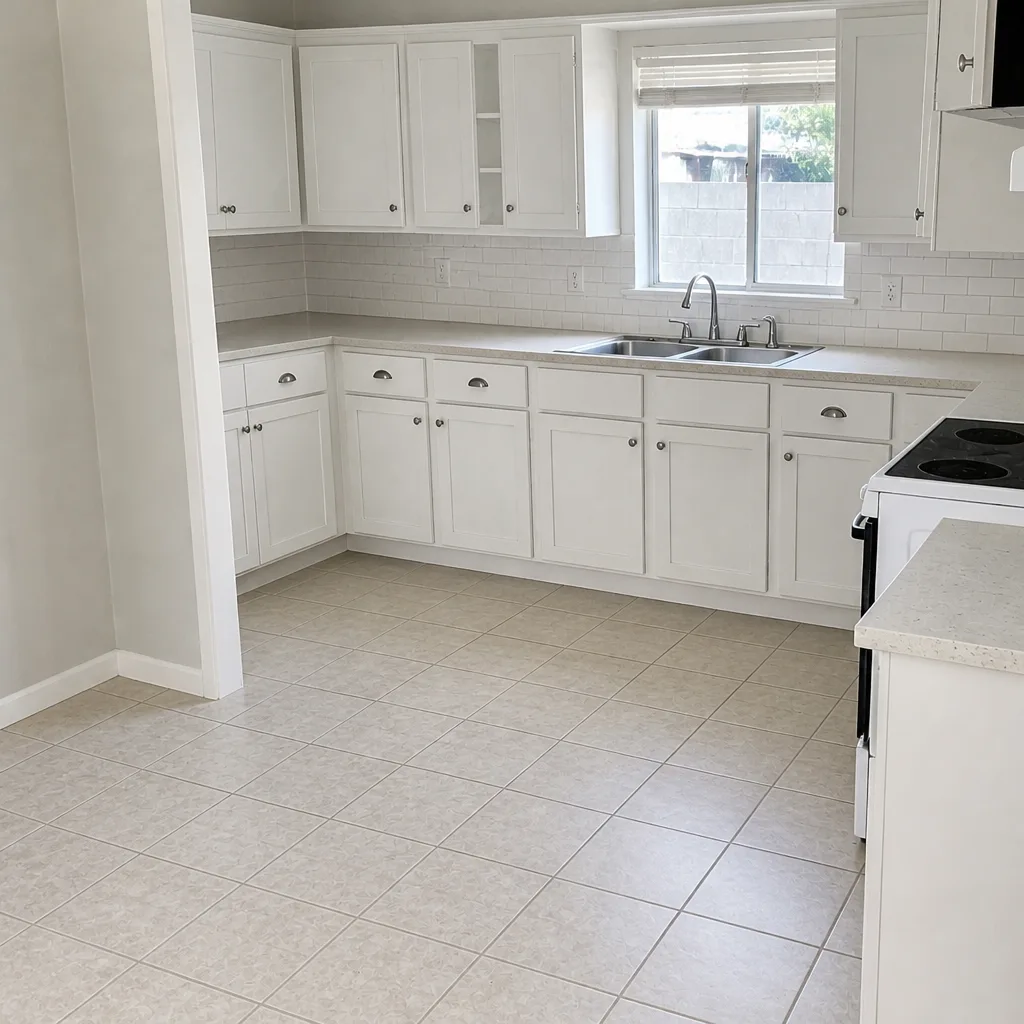 After
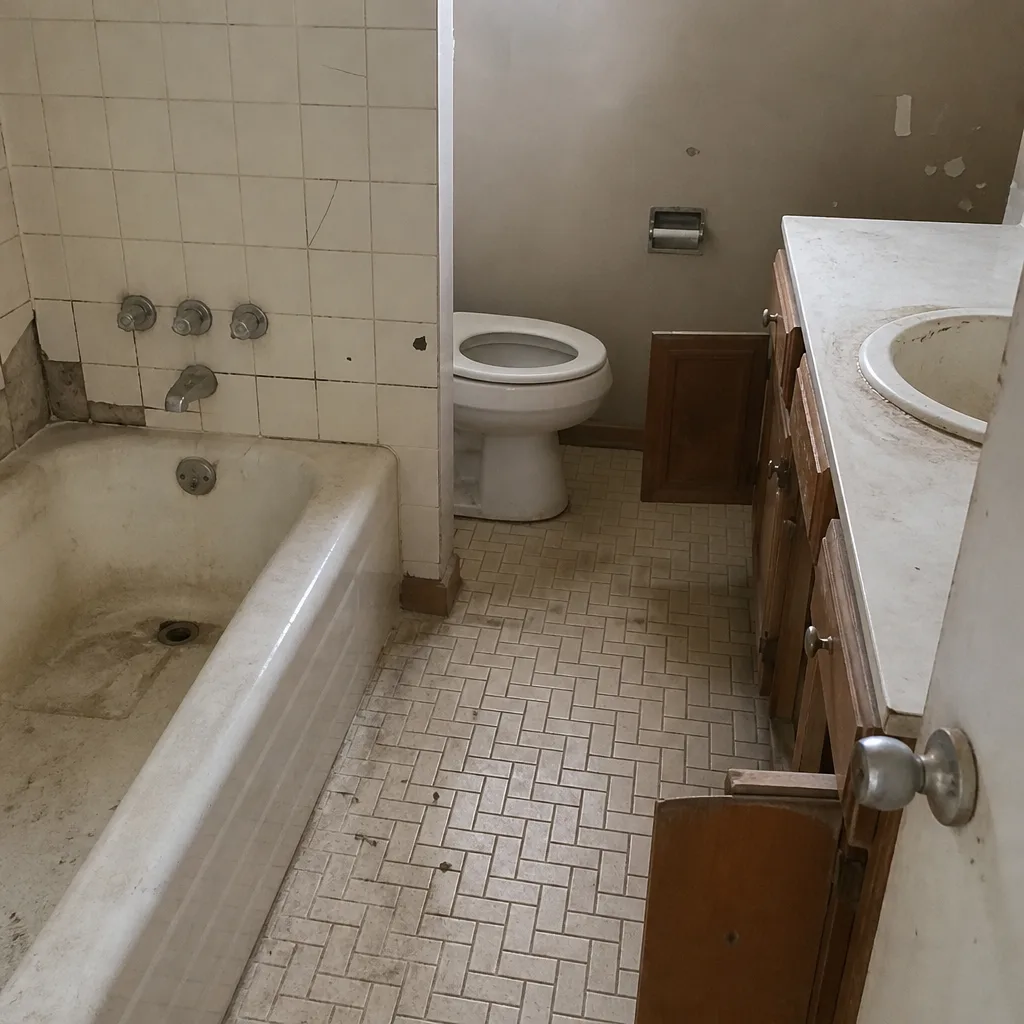 Before
 After
When to Call a Professional
Some window and door issues are safe to investigate yourself, and some aren’t. Call us when you see water stains on the drywall under a window after a monsoon storm, when a window won’t close or lock properly and the frame looks out of square, when you’ve got condensation between panes (seal failure), when a door suddenly sticks after years of opening fine (usually a threshold or hinge issue, sometimes a foundation signal), when a sliding glass door has become hard to open or rattles in the wind, or when you’re ready to start pricing a replacement job and want a real line-item estimate instead of a phone number. Barrett & Sons Construction Paradise offers free estimates in Paradise – call (855) 596-7029. A live person answers the phone 24 hours a day, 7 days a week, and there’s no trip charge inside the county. Every eligible job includes permits pulled and inspections signed, and every price change arrives in writing before it touches the scope.
Frequently Asked Questions
Aim for SHGC of 0.25 or lower on south- and west-facing windows, and up to 0.30 on east-facing glass. In a mild climate, a higher SHGC is fine, but in Paradise the 110°F summer afternoons mean solar heat gain hits your cooling bill directly. Pair low SHGC with a visible light transmittance of 0.40 or higher so rooms stay bright. Call (855) 596-7029 for an exact quote on windows spec’d for your exposures – estimates are free.
Good vinyl works well for most exposures in Paradise, but fiberglass is the better choice for the hottest west- and south-facing walls because it expands and contracts at the same rate as the glass, so the seal stays tight longer. Cheap, thin vinyl can get brittle and sag under sustained 110°F heat cycling. The right answer depends on your specific walls and budget. Call (855) 596-7029 and we’ll walk through both options on your house.
Often yes, depending on the scope. Nevada Title 24 sets maximum U-factor and SHGC requirements for windows on permitted projects, and a permit inspector can require you to pull and replace units that don’t meet them. Some national window contractors quote “no permit needed” to save money, which is a problem for you at inspection or resale. Every eligible window and door job we run in Paradise includes permits pulled and inspections signed. Call (855) 596-7029 for a free estimate.
Quality vinyl and fiberglass windows typically last 20 to 30 years in this climate when they’re installed correctly; poorly installed windows can start failing in 5 to 10 as water intrusion and seal loss set in. Cheap or improperly dark-tinted glass can lose its coating faster than that. The installation detail – especially the flashing – matters as much as the window itself. Call (855) 596-7029 to have your existing windows assessed or to price a replacement.
Water intrusion almost always traces back to how the openings were flashed, not to the windows themselves. Missing sill pan flashing, an improperly lapped head flashing, or a dried-out caulk bead can look fine in dry weather and fail the first time a wind-driven monsoon cell hits the wall. Ask any contractor to show photos of how they flash. Call (855) 596-7029 for a free second opinion on any written estimate, including one that’s already been quoted.
Possibly. Many Paradise-area HOAs limit front-door colors, frame finishes, and decorative glass patterns, and some restrict visible frame profiles. Get the written approval from architectural review before ordering product – a beautiful door in the wrong color won’t pass. Send us your HOA packet up front and we’ll build the estimate around what will actually be approved. Call (855) 596-7029 for a free estimate.
The Bottom Line
Windows and doors in Paradise live through a harder life than the same products in most of the country, and buying by the national label alone is how homeowners end up with glass that works great in Minnesota and underperforms here. Shop by the numbers – SHGC, U-factor, VLT – and match the frame material to the exposure. Get the permit and the Title 24 spec handled in writing. Trust the flashing detail more than the showroom shine. And when you’re ready to price, ask for a written line-item estimate with the allowances spelled out, not a phone quote. Every scope change should hit paper before work moves. That’s how we run every job in Paradise, and it’s what you should expect from anyone you hire. For the rest of your exterior work, our Driveway & Pavers in Paradise and Barrett & Sons Construction Paradise home pages show how we sequence the exterior projects most Paradise customers tackle together.
Ready to price windows or doors for your Paradise home? Call (855) 596-7029 for a free estimate. Our technicians have up to 28 years of experience, every eligible job includes permits pulled and inspections signed, and every completed job is backed by our written 90-Day Done Right Promise. We publish the name, the address, and the license number – look it up before you sign anything. You can also take $40 Off Any Repair Over $200, a Free Second Opinion on Any Written Estimate, and the permanent 10% Senior & Veteran discount. There’s no trip charge inside the county.
Written by the team at Barrett & Sons Construction Paradise.