Last updated November 18, 2026




Free written scope consultation - allowances, timeline, and change-order rules on paper before a single trade is scheduled
Seasonal Construction Care for Paradise: Year-Round Homeowner’s Guide
The best time to seal concrete in Paradise is a narrow window in October and March. Do it in July and the product flashes off before it penetrates. Do it in January during a cold snap and it won’t cure properly. Most homeowners have never been told this. Paradise doesn’t run on four equal seasons. It runs on two brutal ones and two short windows when construction and maintenance work should actually happen. Plan around a standard calendar made for Cleveland and you’ll pay more for repairs than the neighbor who planned around the desert’s real schedule. This guide walks you through what to inspect, seal, and fix month by month, and where the line sits between a Saturday project and a call to a pro.
Quick Answer
In Paradise, the two work windows that matter are March – April (pre-summer prep) and October – November (post-summer repair). Your highest-risk seasons are summer heat, which pushes materials past their workable range and opens concrete joints and stucco cracks, and the July – September monsoon, which drives water into places sun alone never reaches. Cold snaps matter too: Paradise averages roughly 15 freeze-nights a year, and exposed pipes, irrigation lines, and pavers are where that damage lands.
Styles & brands we work with
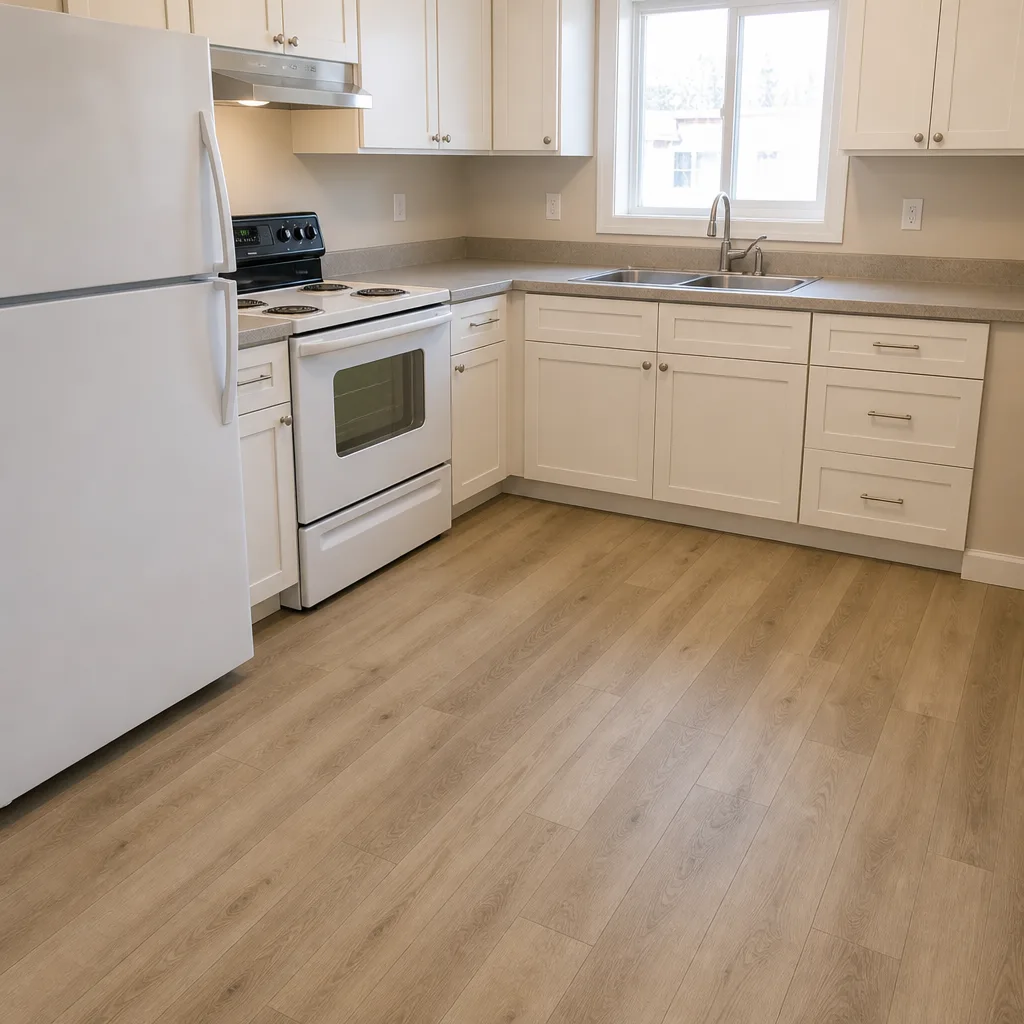
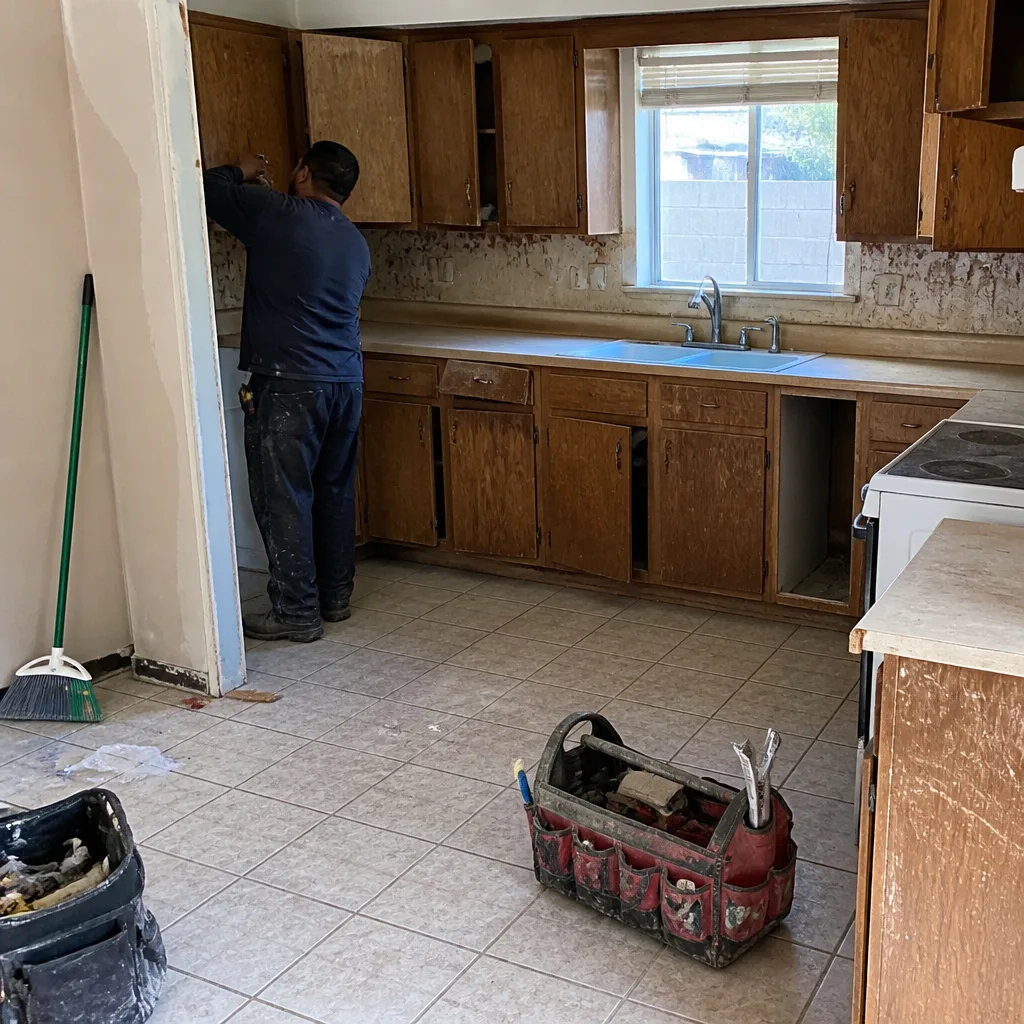
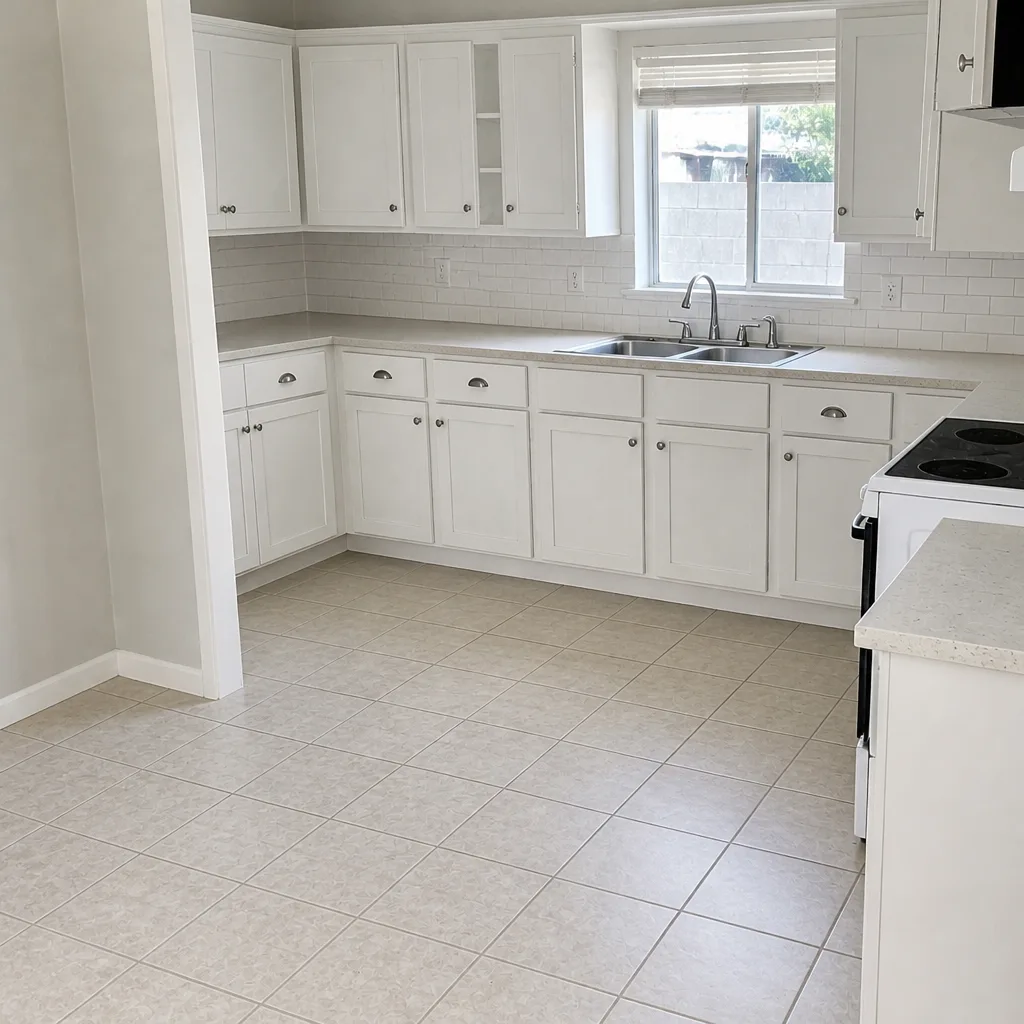
- Kitchen remodeling
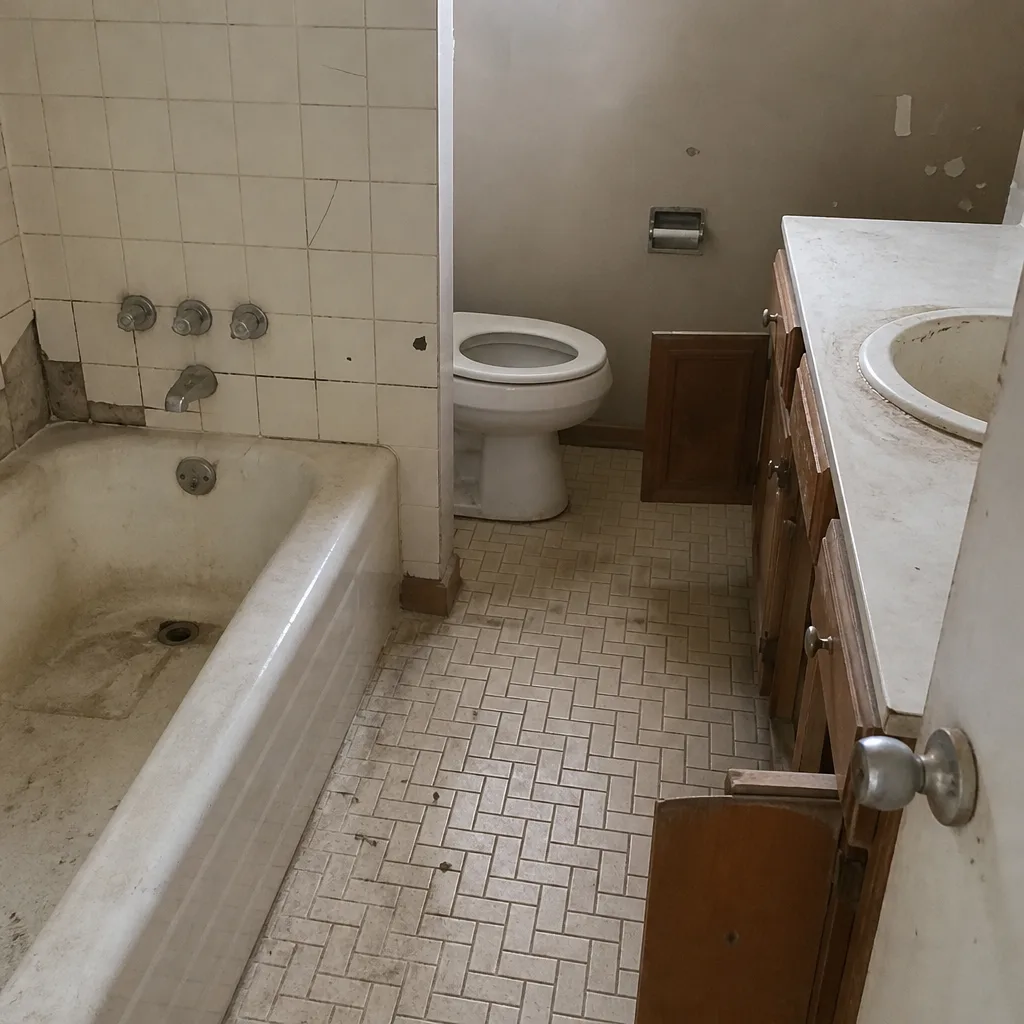
- Bathroom remodeling
- Home additions & ADU
- Roofing
- Windows & doors
- Driveway & pavers
- Fence
Table of Contents
- Why Paradise Has Two Work Seasons, Not Four
- The March – April Pre-Summer Prep Window
- Monsoon Season (July – September): Water, Dust, and Seals
- The October – November Post-Summer Inspection
- The Freeze Risk Nobody Plans For (December – February)
- Which Tasks Are Genuinely DIY and Which Aren’t
- Exterior Surfaces: Concrete, Pavers, Fences, Roofs
- Your Month-by-Month Checklist
Why Paradise Has Two Work Seasons, Not Four
Sealers, paints, stucco patches, and roof cements all have a temperature range where they behave. In Paradise, that range shows up in spring and fall. From June through early September, surface temperatures on sun-facing concrete and roofing can run far above air temperature, and a sealer applied at that point skins over before it soaks in. It looks finished and fails within a year. From December through February, overnight lows land below freezing often enough that water-based products won’t cure and freshly placed concrete can crack.
So the calendar that actually works here has:
- Spring window (March – April): prep work, sealing, caulking, roof checks before the heat locks everything down.
- Summer hold (May – September): emergency repairs only, plus monsoon drainage work. No sealing, no painting exteriors midday.
- Fall window (October – November): everything you deferred, plus repair of heat damage found in the post-summer inspection.
- Winter hold (December – February): freeze protection on pipes and irrigation, plus indoor projects.
Homeowners who track this schedule spend their money on maintenance. Homeowners who don’t spend it on repairs. We’ve seen this play out across the neighborhood for years, and the pattern doesn’t change.
The March – April Pre-Summer Prep Window
This four-to-six-week stretch is your best chance to prevent summer damage. Once daytime highs lock in, exterior sealing, painting, and stucco patching get harder or stop entirely. Here’s what to tackle, in order:
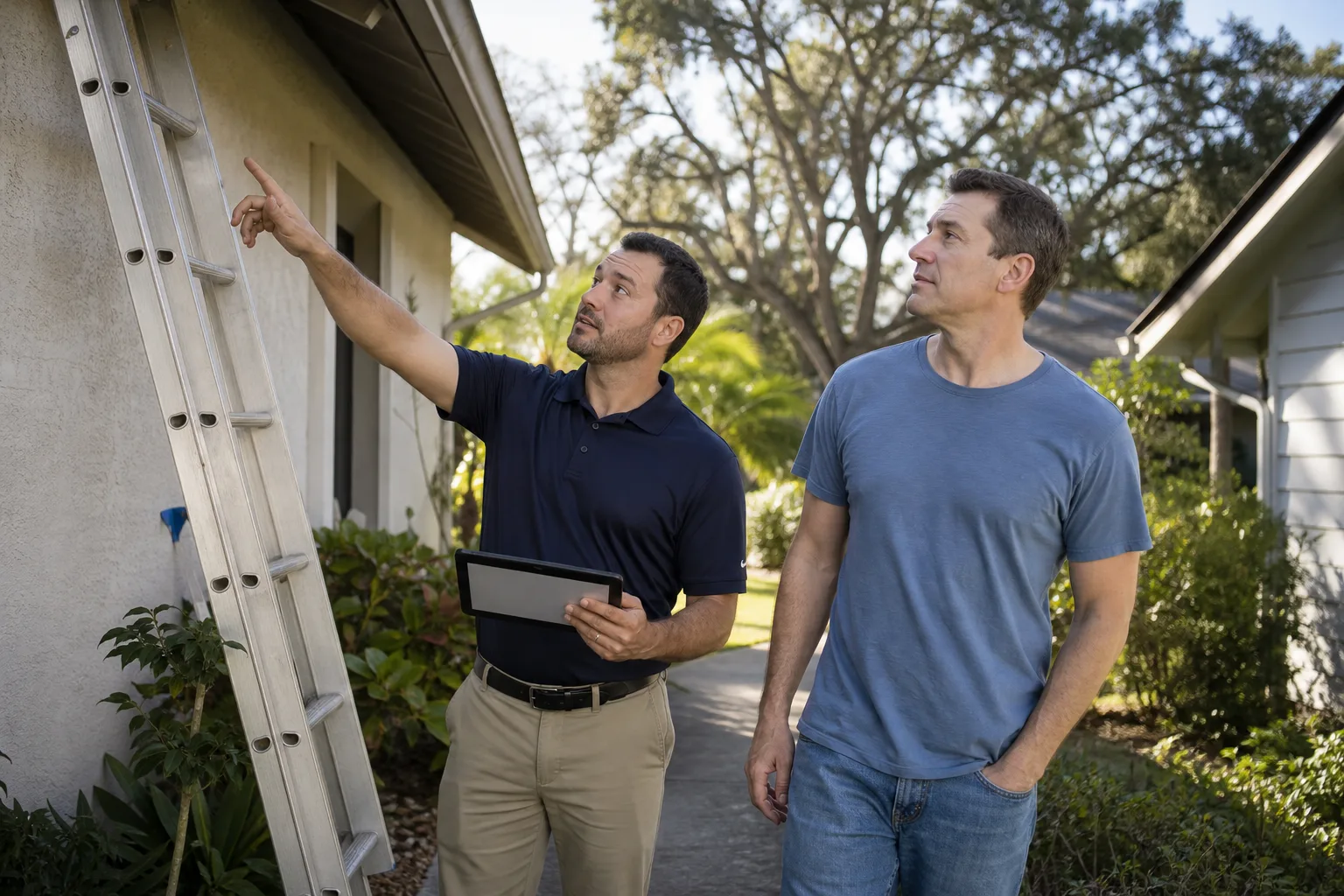
- Walk the roof perimeter. Look for lifted, cracked, or missing shingles, and check the flashing around vents and chimneys. Heat cycling loosens fasteners over winter, and monsoon will find any gap you leave.
- Inspect and re-caulk every exterior seal. Windows, doors, hose bibs, and penetrations. Use a caulk rated for high heat and UV exposure; standard interior caulk will fail by July.
- Patch stucco cracks. Stucco takes heat expansion all summer. A hairline crack patched in April stays a hairline crack. Left to monsoon, it becomes a water entry point.
- Clean gutters and downspouts, then check that water runs away from the foundation. Monsoon flow will test this in a way a garden hose never will.
- Have the HVAC serviced. Dust and debris from winter winds load the coils, and monsoon dust will load them again. Get it serviced before the first heat wave, not after the system quits.
Materials matter here. A quality exterior caulk and a UV-rated sealer cost more than the discount version, but the discount version dries out and cracks by August. Ask the supplier what’s rated for desert sun; the difference is real.
Monsoon Season (July – September): Water, Dust, and Seals
Monsoon season in Paradise is where small maintenance misses become big repair bills. Two things drive it: sudden heavy rain and haboob dust. The rain finds every crack, every clogged drain, every bit of separation between siding and trim. The dust finds every filter, every seal, and every exterior surface, then turns into a gritty paste the first time it rains.
What to do during monsoon:
- Clear drainage before every storm cycle. Scuppers, downspouts, french drains, and swales. A blocked downspout sends water straight down a wall.
- Recheck stucco after the first big rain. Water-driven cracks show up where the sun-driven ones did.
- Change HVAC filters more often. Haboob dust loads filters fast. A clogged filter strains the compressor during the worst possible month.
- Inspect window and door seals. Dust blows into gaps, then rain turns it into a stain on your interior walls. Re-seal any gap bigger than a hairline.
- Check the roof for lifted shingles, especially after a wind event. Monsoon winds peel up shingle edges that were already loose.
Roofing is the one item most homeowners shouldn’t handle themselves during monsoon. Fall risk on a two-story or steep roof isn’t worth the insurance savings. Barrett & Sons installs GAF and CertainTeeth roofing, and a seasonal inspection catches the loose flashing before it becomes a ceiling stain. Our Barrett & Sons Construction Paradise home page covers the full line of work we handle if you want to see the scope up front.
The October – November Post-Summer Inspection
After heat drops below its workable range, this is when you assess summer damage and fix it before freeze. The post-summer inspection list:
- Concrete joints and driveways. Summer expansion opens every control joint and turns hairline cracks into real gaps. This is the window to clean and seal them.
- Wood trim and fascia. Heat expands wood and dries it out. Check for separation, splitting, and rot at the ends where water sits.
- Roofing fasteners. Heat cycling loosens them. A roofing pro should check the fasteners rather than have a homeowner walk the pitch alone.
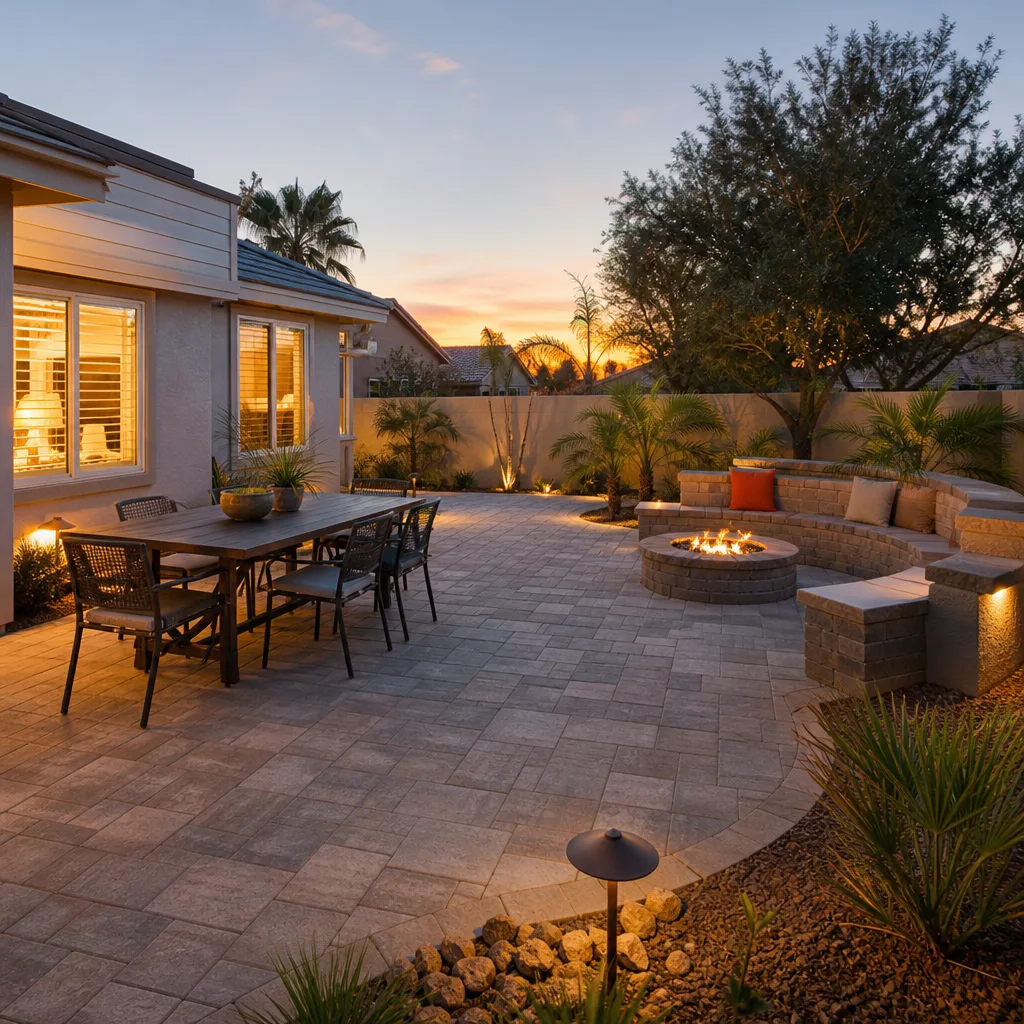
- Pavers and hardscape. Look for heaving, settling, and shift in the sand joints. Re-sanding and resetting is a fall job, not a summer one. Our Driveway & Pavers in Paradise service handles new installs and seasonal resets.
- Exterior paint and stain. Fading and chalking show up in fall. If a fence or exterior wall is ready for a recoat, fall is the window with proper curing temperatures.
Fall is also when you want to seal concrete and pavers. It needs moderate temperatures, low humidity, and a few dry days. The window is short and worth planning around.
The Freeze Risk Nobody Plans For (December – February)
Paradise averages about 15 freeze-nights a year. Fifteen nights is plenty to burst an exposed pipe, crack an irrigation line, or heave a paver. Homeowners arriving from colder climates often assume freeze protection is automatic here, and homeowners from hotter climates often don’t think about it at all. Both are wrong.
Before the first hard freeze:
- Insulate exposed pipes in the garage, on exterior walls, and under the house where lines run unheated.
- Drain and blow out irrigation systems. A burst irrigation line under a slab is a weekend excavation.
- Check exterior faucets and hose bibs. A freeze-proof bib is a cheap upgrade if yours is older.
- Look at paver and concrete joints again. Freeze-thaw opens joints and heaves pavers that weren’t properly bedded. A late-fall sand-and-seal job pays for itself in the first cold snap.
- Locate your main water shutoff and make sure the whole family knows where it is. A burst pipe at 2 a.m. is a much worse problem if nobody can find the valve.
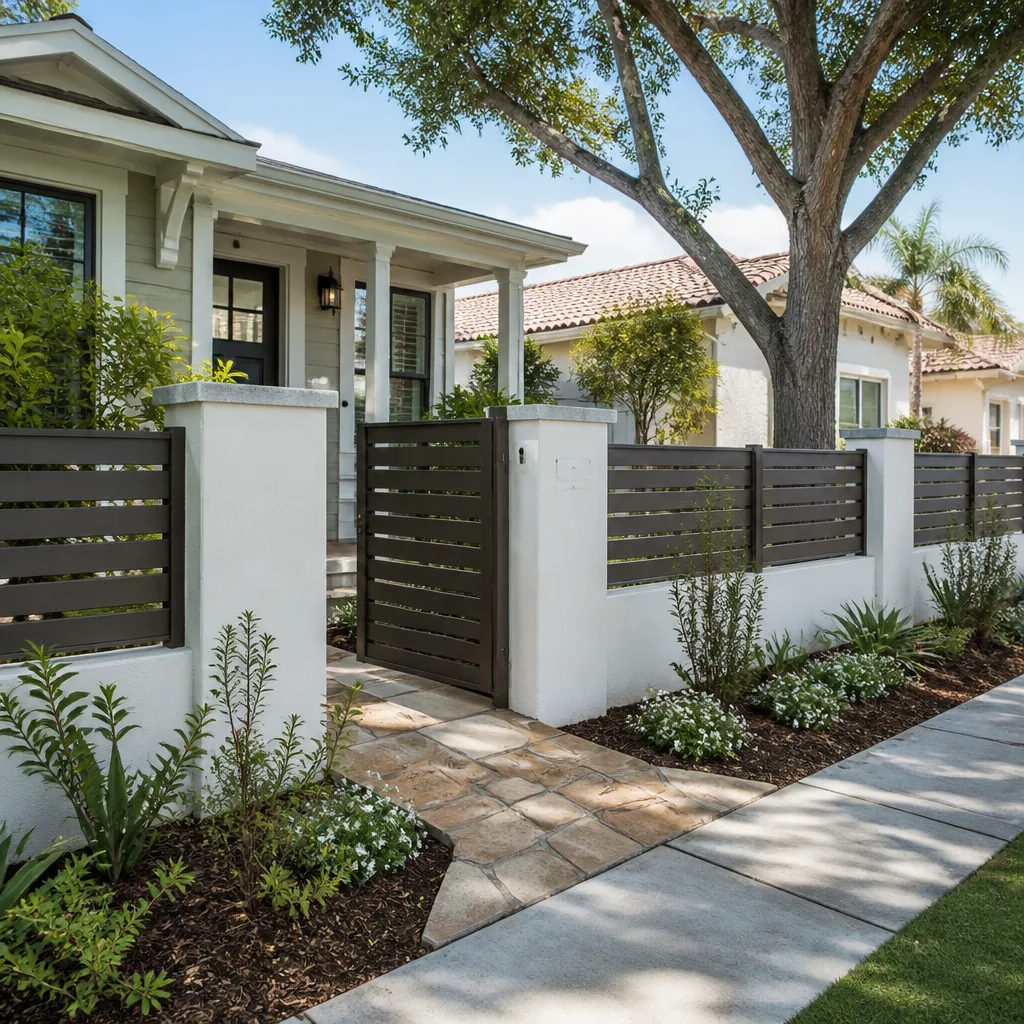
Fence posts and gates deserve a freeze check too. A gate that swells and sticks in winter is usually an anchoring or hardware issue, and Fence Installation in Paradise covers the post-depth and hardware details that prevent it.
Which Tasks Are Genuinely DIY and Which Aren’t
Most seasonal maintenance is manageable for a careful homeowner. A short list is genuinely dangerous or easy to make worse by doing at the wrong time of year.
Genuinely DIY:
- Changing HVAC filters
- Clearing gutters and downspouts at ground level
- Caulking windows and doors with proper exterior caulk
- Re-sanding paver joints
- Insulating exposed pipes
- Draining irrigation and covering hose bibs
Better left to a pro:
- Roof work of any kind. Falls are the leading cause of serious injury on home projects, and monsoon-season wind makes a roof more dangerous, not less.
- Sealing exterior surfaces. Wrong temperature, wrong product, or wrong prep and the seal fails within a season. Doing it “cheap” often means stripping and redoing it within the year.
- Stucco crack repair. Matching stucco texture and using the right base coat isn’t a Saturday project if you want it to hold through a monsoon.
- Anything involving electrical, gas, or plumbing inside a wall. Call a licensed pro, every time.
Doing a pro task at the wrong time costs more than doing it right on schedule. A roof seal done in July usually fails; the same job done in October holds. Timing is the biggest difference between a repair that lasts and one that doesn’t.
Exterior Surfaces: Concrete, Pavers, Fences, Roofs
Each exterior surface in Paradise has its own seasonal rhythm, and getting them on the right calendar extends their life by years.
Concrete and driveways. Seal in October or March. Joints open with summer heat and close with winter cold, so joint-seal timing matters as much as surface-seal timing. Fall is generally the safest window.
Pavers. Re-sand joints in fall after heat damage shows and before freeze-thaw. Paving installs, resets, and hardscape tie-ins should be scheduled for spring or fall. Our service page for Driveway & Pavers in Paradise has the full picture if you’re considering a new driveway or patio.
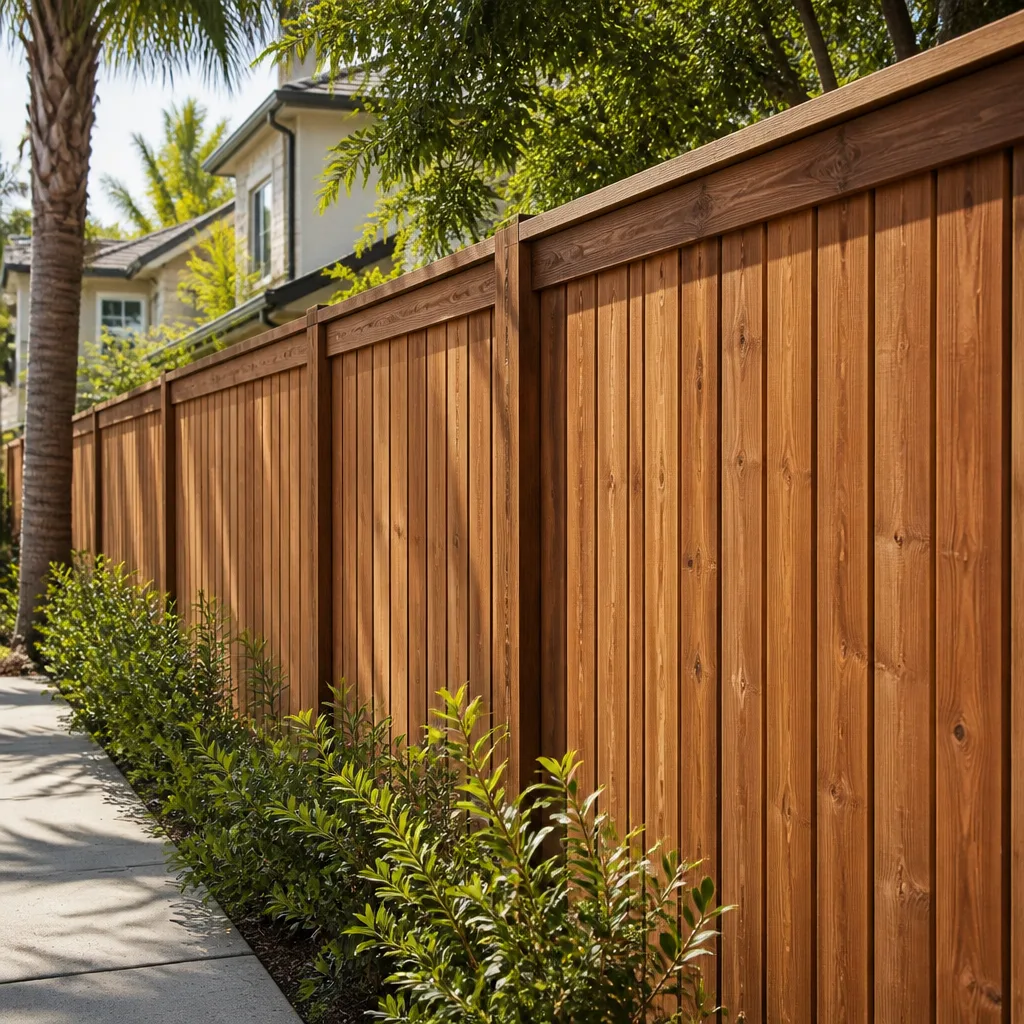
Fences. Wood fence post footings need good soil conditions to set properly. Spring or fall installs avoid both heat and freeze. A summer install can dry-set too fast and a winter install may not cure at all.
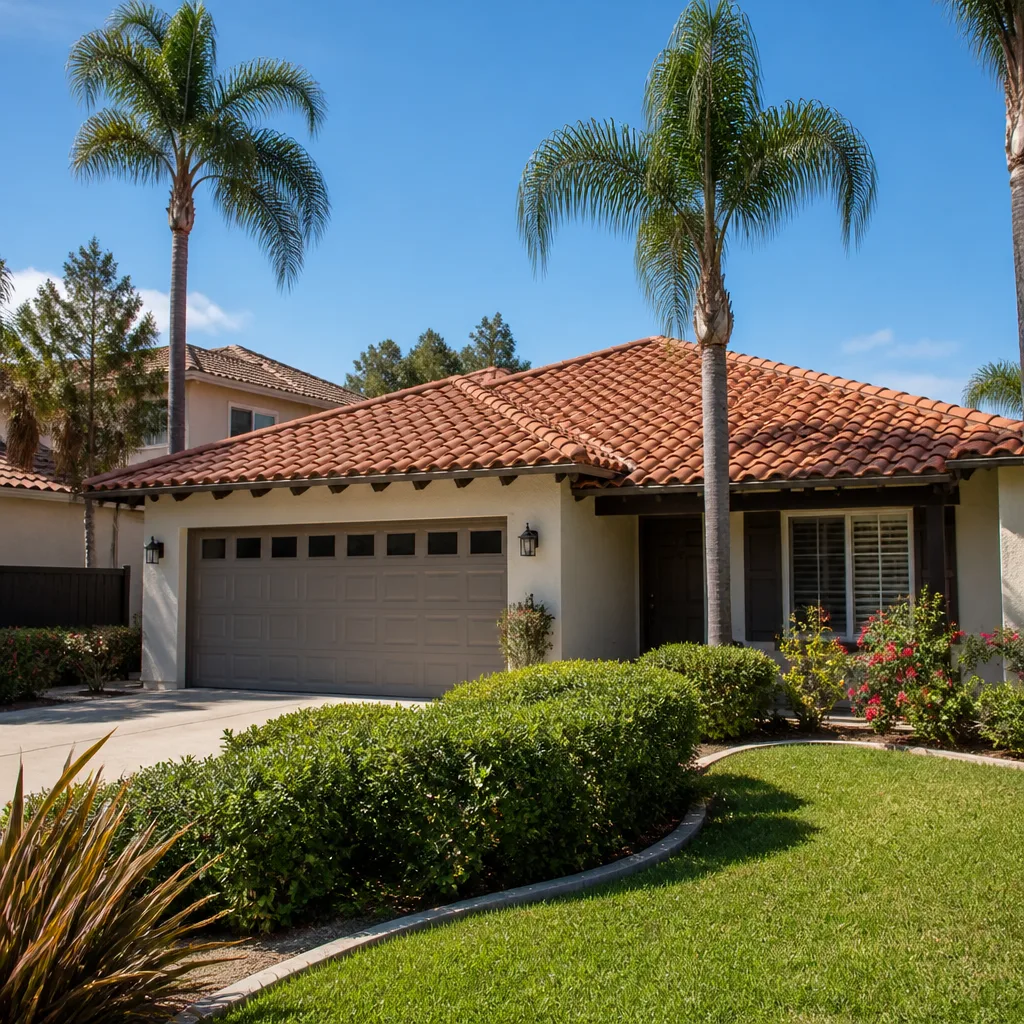
Roofs. Spring and fall are inspection seasons. Summer is peak failure time and winter is storm-damage response. A roof that gets an April inspection and an October inspection almost never fails without warning.
Bigger projects follow the same rule. Additions, ADUs, and full remodels should be scoped in fall or spring so the permit and inspection timeline lines up with the good work season. Our Home Additions & ADU in Paradise page walks through how the permit and build schedule actually works here.
Your Month-by-Month Checklist
Here’s the whole thing on one page, laid out in the order to actually do it.
- January: Insulate exposed pipes, verify irrigation is drained, check hose bibs, locate the main shutoff.
- February: Inspect interior for water stains that showed up during winter. Schedule spring projects.
- March: Seal concrete and pavers, caulk exterior seals, patch stucco cracks, clean gutters.
- April: Post-spring roof inspection, HVAC service, exterior paint and stain touch-ups.
- May: Final pre-summer walk-around. Change filters. Verify drainage is clear.
- June: Watch for heat stress on concrete, stucco, and roofing. Schedule any non-emergency repairs for October.
- July: Monsoon prep. Clear all drainage. Check window and door seals. Change filters more often.
- August: Post-storm inspections. Roof check after wind events. Recheck stucco.
- September: Last monsoon check. Begin planning fall repairs.
- October: Post-summer inspection. Seal concrete and pavers. Re-sand paver joints. Roof fastener check.
- November: Wood trim inspection. Fence post check. Insulate before the first freeze.
- December: Final freeze-prep walk-around. Shutoff valve check. Book indoor remodel work if planned.
If you only remember two items from this list, remember March and October. Those two months carry more prevention per hour than the other ten combined.
Common Mistakes to Avoid
- Sealing in July or January. Sealer flashes off in summer heat and fails to cure in winter cold. Fall and spring are the only windows that work. Many homeowners do it “when they have time,” then pay for a redo within the year.
- Waiting for monsoon to check drainage. By then the water’s already in the wrong place. Clear drainage in April and check again in July before the first storm cycle.
- Treating freeze risk as a colder-climate concern. Paradise averages around 15 freeze-nights per year. Exposed pipes and irrigation lines crack in those nights, and the repair cost is far higher than the insulation cost.
- Skipping the post-monsoon exterior inspection. The damage visible in October is minor. Left until spring, it’s already inside the wall or under the slab.
- Doing roof work at home. Fall risk doesn’t get cheaper with a YouTube video. Roof work is one of the clearest pro tasks on the whole list.
- Patching stucco with interior caulk. Desert UV eats standard caulk within one season. Use a product rated for exterior high-heat exposure or you’ll be patching it again by August.
- Putting off a small repair because “it can wait until spring.” A small leak, a lifted shingle, or a heaving paver in October gets worse through winter and worse still through spring. October is a repair month, not just an inspection month.
See the difference
 Before
 After
 Before
 After
 Before
 After
When to Call a Professional
Call a pro when the work involves a roof, an active water leak, exterior stucco repair, electrical or plumbing inside a wall, or any project where a wrong product or wrong timing would cost more than the job itself. Call sooner rather than later if you find a stain on a ceiling, a paver heaving more than a half-inch, or a stucco crack that’s grown since spring. Barrett & Sons Construction Paradise offers free estimates in Paradise, along with a Free Second Opinion on Any Written Estimate and No Trip Charge Inside the County – call (855) 596-7029 to schedule. We’re a name-on-the-truck alternative to the national outfits: every permit pulled, every price change in writing, and a 90-Day Done Right Promise on every completed job.
Frequently Asked Questions

October and March are your windows. The product needs moderate temperatures and dry conditions to penetrate properly. In July it flashes off before it soaks in and fails within a season; in January cold snaps stop it from curing. Call (855) 596-7029 for a free estimate on a seasonal seal and joint repair.
Around 15 per year on average. That’s enough to burst exposed pipes and crack irrigation lines if they aren’t protected before December. Insulating exposed pipes, draining irrigation, and checking hose bibs are the three items that cover most of the risk. If any of those lines are already cracked, call (855) 596-7029 for a free estimate on the repair.
Roof shingles for lifted or missing pieces, stucco for water-driven cracks, window and door seals for gaps that let dust and rain in, and paver joints for washout. The October – November window is the right time to repair all four before freeze. If you’d rather have a pro walk the roof than climb it yourself, call (855) 596-7029 – estimates are free.
Yes. Haboob dust loads HVAC filters fast and stresses the compressor during the hottest weeks of the year. It also works into window and door seals, then turns into a gritty stain the first time it rains. Change filters more often during monsoon and inspect your exterior seals in July and August. If your system is struggling, call (855) 596-7029 for a free estimate on any related repair work.
Yes, for filters, gutters, caulking, paver re-sanding, pipe insulation, and irrigation draining. Roof work, stucco repair, and exterior sealing are worth hiring out because wrong-timing or wrong-product mistakes cost more than the job. Call (855) 596-7029 for a free estimate on anything in the pro column.
Our estimates are free, including a Free Second Opinion on Any Written Estimate and No Trip Charge Inside the County. Call (855) 596-7029 to schedule one in the March – April or October – November window. If the tech finds nothing wrong, you’ve paid nothing and you have peace of mind that your calendar is on track.
The Bottom Line
Paradise runs on two real work windows (March – April and October – November) and two hold periods (summer heat and winter freeze-nights). The homeowners who come out ahead on maintenance costs are the ones who plan around that calendar instead of a generic seasonal checklist. Seal in the right month. Clear drainage before monsoon, not after. Insulate and drain before the first freeze. Keep your feet off the roof. If you want a pro to build your calendar with you, or to take over any task in the “pro” column, call (855) 596-7029 for a free estimate. We’ll give you the scope in writing, the allowances in writing, and any change order in writing before a single nail moves.
Written by the team at Barrett & Sons Construction Paradise.