Last updated November 18, 2026



Free written scope consultation - allowances, timeline, and change-order rules on paper before a single trade is scheduled
How to Hire a Construction Contractor in Paradise: A Step-by-Step Guide
Nevada has one of the highest contractor complaint rates per capita in the country. The Nevada State Contractors Board received more than 3,000 complaints last year, and most of them came from homeowners who skipped one or two verification steps that take less than ten minutes. The contractor who sounds best on the phone is often the one who disappears after the deposit. This guide walks you through hiring a construction contractor in Paradise from first call to final walkthrough, with the documentation moves that protect you and the ones that leave people holding a half-finished project.
Quick Answer
To hire a construction contractor in Paradise, verify their Nevada State Contractors Board license and monetary limit before anything else, get a written scope with allowances and a payment schedule tied to completed phases, and confirm in writing who physically pulls the permit. Never pay more than one phase ahead of finished work, and never release final payment until you’ve done a written walkthrough. The ten minutes you spend checking the license is the cheapest insurance on the whole job.
Styles & brands we work with
- Kitchen remodeling
- Bathroom remodeling
- Home additions & ADU
- Roofing
- Windows & doors
- Driveway & pavers
- Fence
Table of Contents
- How to Check a Contractor’s License in Real Time
- What the Monetary Limit on a License Actually Means
- Who Pulls the Permit? The Question That Exposes Red Flags
- What a Real Change-Order Process Looks Like in Writing
- How to Structure a Payment Schedule You Can Live With
- The Final Walkthrough Checklist Before You Release Final Payment
- Why Paradise Homes Need Their Own Hiring Lens
- When to Call a Professional
How to Check a Contractor’s License in Real Time
Every licensed contractor in Nevada holds a license through the Nevada State Contractors Board, and the board’s website lets you look it up in under five minutes. Do it before you schedule an estimate, not after. Ask the contractor for their license number over the phone, then pull up the record yourself while you’re still on the call. If they hesitate or say they’ll text it later, that’s your first answer.
Here’s the sequence we recommend to every Paradise homeowner who asks:
- Ask for the license number and the exact name on the license.
- Open the NSCB license search and type in the number, not the company name. Names get borrowed; numbers don’t.
- Confirm the license is active, not suspended, expired, or “inactive pending renewal.”
- Check the classification matches your project. A residential remodeling classification doesn’t cover a structural addition.
- Read the complaint history. One old complaint that’s resolved is normal. A pattern of unresolved ones isn’t.
- Write down the monetary limit and the expiration date. You’ll need both later.
Paradise sits inside Clark County, and the board’s records pull from the same statewide database whether the contractor works out of Paradise, Las Vegas, or Henderson. That’s good news for homeowners here: you can verify anyone who bids on your job, no matter where they say they’re from. Look up the license number before you sign anything. If a contractor won’t give it to you, that’s not a contractor you want in your driveway.
What the Monetary Limit on a License Actually Means
The monetary limit on a Nevada contractor’s license is the maximum dollar value of any single project that license is approved to take on. It’s printed right on the license record, and it’s one of the most overlooked numbers in the whole bidding process. A contractor with a $50,000 limit legally cannot contract for a $90,000 addition. If they do, the contract itself is a problem, and any complaint you file later starts from a weaker position.
This matters more in Paradise than most people realize. Plenty of homes here were built in the 1970s through the 1990s, and a kitchen remodel with layout changes, new cabinetry, and upgraded plumbing can easily push a project past a small contractor’s limit. So can a room addition or a garage conversion.
- Match the limit to the project. If your addition is estimated at $120,000, the contractor’s monetary limit should sit comfortably above that.
- Ask directly. “What’s the monetary limit on your license, and does it cover this project?” It’s a fair question, and a professional will answer it without blinking.
- Watch for workarounds. Splitting a project into two contracts to stay under a limit is a red flag, not a favor.
- Check again at signing. Limits can change, and the record you pulled three weeks ago might not match today’s.
If you’re planning something substantial, like a home addition or ADU, ask for the limit in writing alongside the bid. You’ll find more on that type of project on our Home Additions & ADU in Paradise page.
Who Pulls the Permit? The Question That Exposes Red Flags
Ask every contractor you interview one question: “Who physically pulls the permit on this job, and whose name will be on it?” The answer should be simple, immediate, and it should be them. When a contractor says a subcontractor will pull it, or that the homeowner should pull it to “save time,” that’s not a shortcut. It’s a way to shift liability onto you.
Here’s why it matters. In Clark County, the permit holder is the party responsible for the work meeting code and passing inspection. If the permit is in your name, you’re the one the inspector calls when something fails. If it’s pulled by a sub who’s never coming back, you’re the one holding the correction notice. When a contractor pulls the permit under their license, the responsibility stays where it belongs, and the inspection record becomes a public document that follows the job.
The permit inspector works for you, not for the contractor. That’s the whole point of the system. Every inspection signed off is one more set of eyes confirming the framing, the electrical, the plumbing, or the roof deck was done to the code that applies in Paradise. A contractor who treats inspections as an annoyance is telling you something about how they work.
We’ve heard the “permits were optional” line enough times to know where it comes from. The last contractor most homeowners used told them permits weren’t necessary, and now the homeowner is calling us to fix a deck that never should have been built without one. Pull the permit. Get the inspection. Keep the paperwork.
What a Real Change-Order Process Looks Like in Writing
A change order is a written document that states exactly what’s being added, removed, or altered, the dollar amount attached to it, and the effect on the schedule. It gets signed before any work happens. That’s the whole standard. Anything short of that is a verbal agreement, and verbal agreements in construction have a way of turning into surprise invoices at the end.
An allowance that isn’t on paper is a surprise waiting for a date. Say your bathroom remodel includes a tile allowance of $1,800. If you pick a tile that runs $2,600, a written change order should appear on your desk showing the $800 difference before the tile is ordered. A contractor who just orders it and mentions it later has decided the price for you.
A legitimate change order contains, at minimum:
- The specific scope change, described in words you can read and understand.
- The exact dollar amount, including material and labor.
- The schedule impact, even if it’s “no change.”
- A signature line for both you and the contractor.
- A date issued before the work begins.
“While we’re at it” is one of the most expensive phrases in remodeling. It’s fine to add work mid-project; it’s just never fine to add it without a piece of paper that says what it costs. Ask any contractor you’re considering to show you a sample change order before you sign the main contract. If they don’t have one ready to hand you, they don’t have a process.
How to Structure a Payment Schedule You Can Live With
The single rule that prevents most contractor disasters: never be more than one phase ahead of completed work. That means when you write a check, the phase you’re paying for should already be finished, or you’re paying a deposit on the phase the crew is about to start, and nothing further. A large upfront deposit with vague milestones is how homeowners end up with a framed-out shell and a contractor who stops returning calls.
A workable schedule for most Paradise remodeling jobs looks something like this:
- Small mobilization deposit. Enough to cover material ordering, not enough to fund their next project. Ten to fifteen percent is a common range.
- Payment at completed milestones. Framing done, rough-in inspections passed, drywall finished, cabinetry set. Each payment is tied to something you can see and touch.
- Holdback at substantial completion. Keep ten percent (or whatever your contract specifies) until the punch list is closed.
- Final payment after the walkthrough. Not before. Not “as a courtesy.” After.
Get the schedule written into the contract with the milestone descriptions spelled out. If your contractor proposes a 50% deposit before any work starts on a $40,000 kitchen, ask why. There are legitimate answers for custom cabinetry or long-lead windows, but those should arrive as line items, not as a lump sum. Our Barrett & Sons Construction Paradise home page lays out how we handle pricing and written change orders if you want a reference point.
The Final Walkthrough Checklist Before You Release Final Payment
The final walkthrough is where contractors count on homeowners forgetting things. Not out of malice necessarily, but because everyone is tired by the end of a remodel and it’s easy to say “looks great” and hand over the last check. Do the walkthrough in daylight, on a weekday, with a pen and a list. Here’s what to inspect, room by room and trade by trade:
- Doors and windows: Open and close every one. Check the latch, the deadbolt, and the weatherstripping. A window that doesn’t seal under a Paradise summer afternoon is a warranty issue waiting to happen.
- Plumbing fixtures: Run every faucet, flush every toilet, and feel under every sink. Look for slow drains and weep at the supply lines.
- Electrical: Test every outlet and switch. Ask for the GFCI test results in the kitchen and baths, and confirm the panel labeling matches the circuits.
- Tile and grout: Tap for hollow spots in floor tile and check that grout lines are uniform. Waterproofing (a proper Schluter or similar membrane system in wet areas) should be documented in photos.
- Paint and trim: Look at the work under raking light, not straight on. Caulk lines at the baseboards and around the tub should be clean and continuous.
- Roof and exterior: If roofing was involved, confirm the flashing at every penetration and the drip edge at the eaves. Ask for the manufacturer’s warranty paperwork.
- Punch list: Everything you find goes on one written list, signed by both parties, with a date for correction. Final payment goes out after the corrections are made.
That’s the short version. The longer version is: don’t be in a hurry to write the last check. The leverage you have at the walkthrough is the leverage you won’t have once the check clears.
Why Paradise Homes Need Their Own Hiring Lens
Paradise sits in the middle of the Las Vegas Valley, which means the sun, the summer heat, and the hard water all shape how construction work ages here. Roofs take a beating from UV exposure. Exterior paint chalks out faster here than most contractors from out of state expect. Fences and decks built with the wrong fasteners or the wrong wood show wear within two or three seasons. When you’re interviewing contractors in Paradise, ask how they account for the desert climate in their material choices. A roofer who doesn’t mention membrane underlayment or high-reflectance shingles might not be listening to where you actually live.
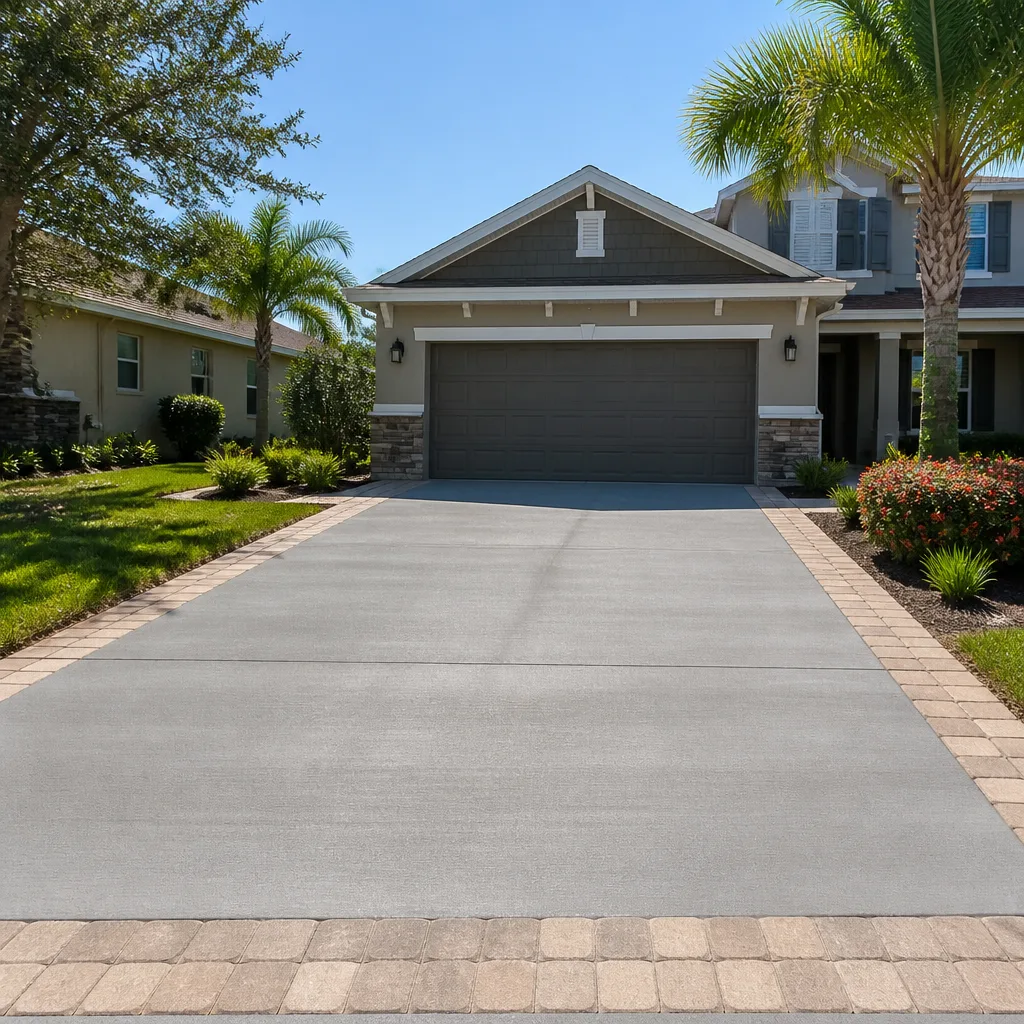
Housing stock here is a mix. Plenty of original 1970s neighborhoods with single-pane windows and aging plumbing, and plenty of newer builds needing maintenance rather than overhaul. That means the same contractor can’t always serve both jobs well. If you’re replacing windows, ask about Andersen or Marvin products and what warranty comes with the install. If you’re planning hardscape, ask about Belgard or Techo-Bloc and what base prep they use, since our soil and heat are hard on pavers done poorly. More of our thinking on that is on the Driveway & Pavers in Paradise page.
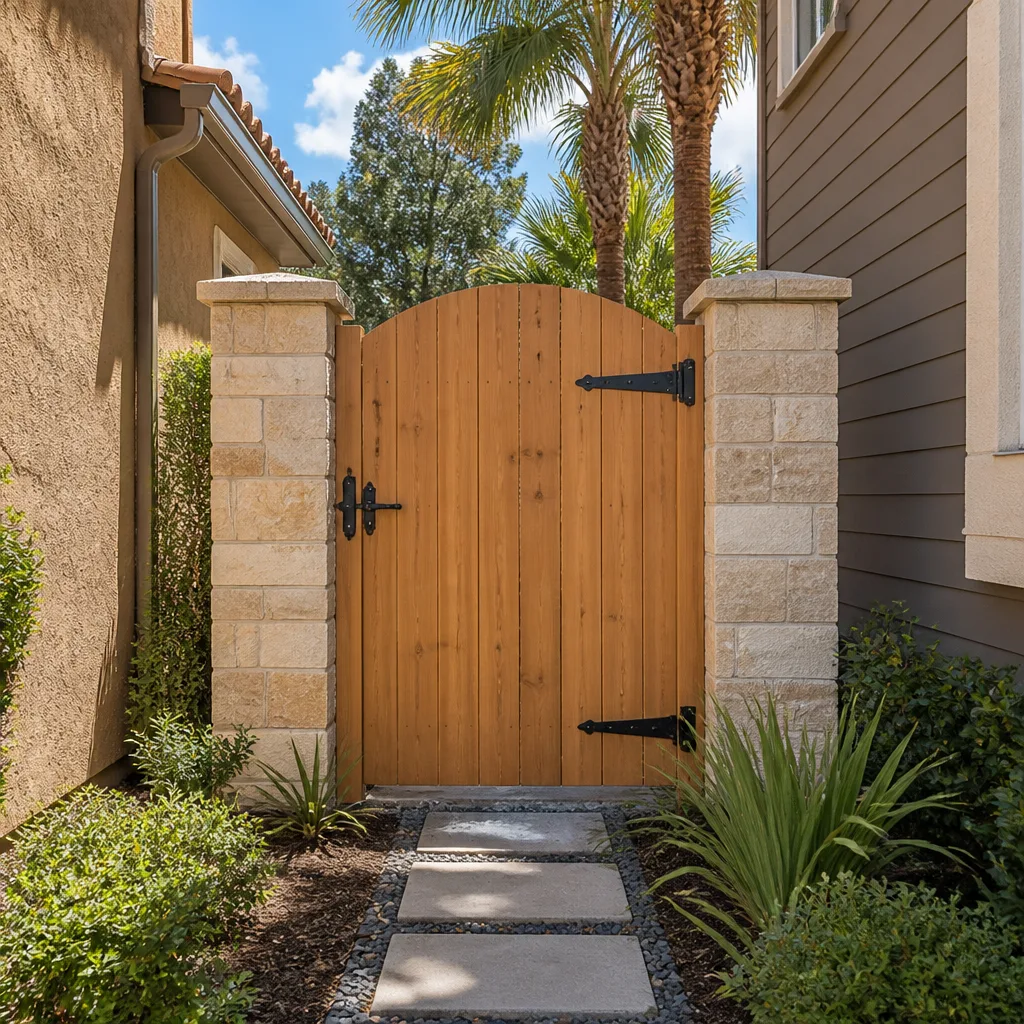
Fence work is another one. A fence install in Paradise should account for wind and sun on the posts and the finish, and if a contractor waves off the question, that’s useful information. Our Fence Installation in Paradise page covers the details.
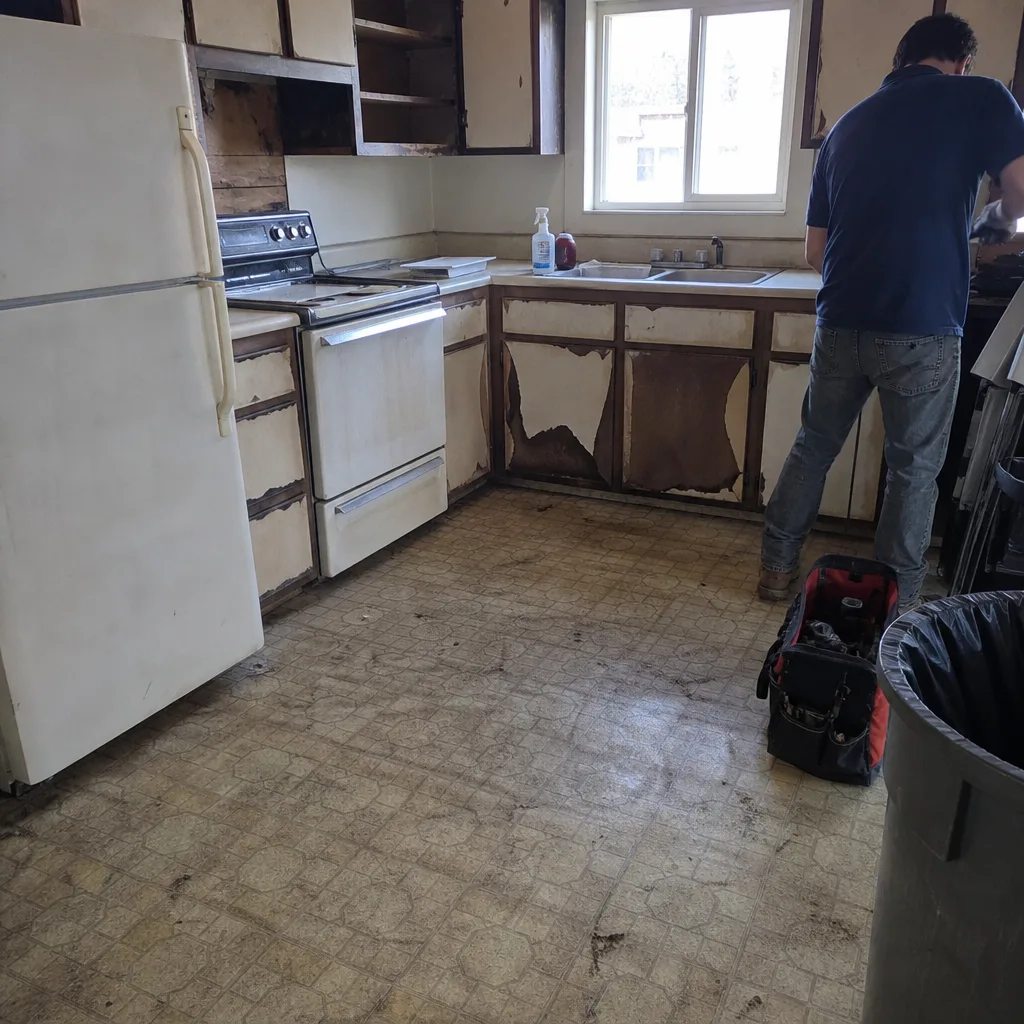
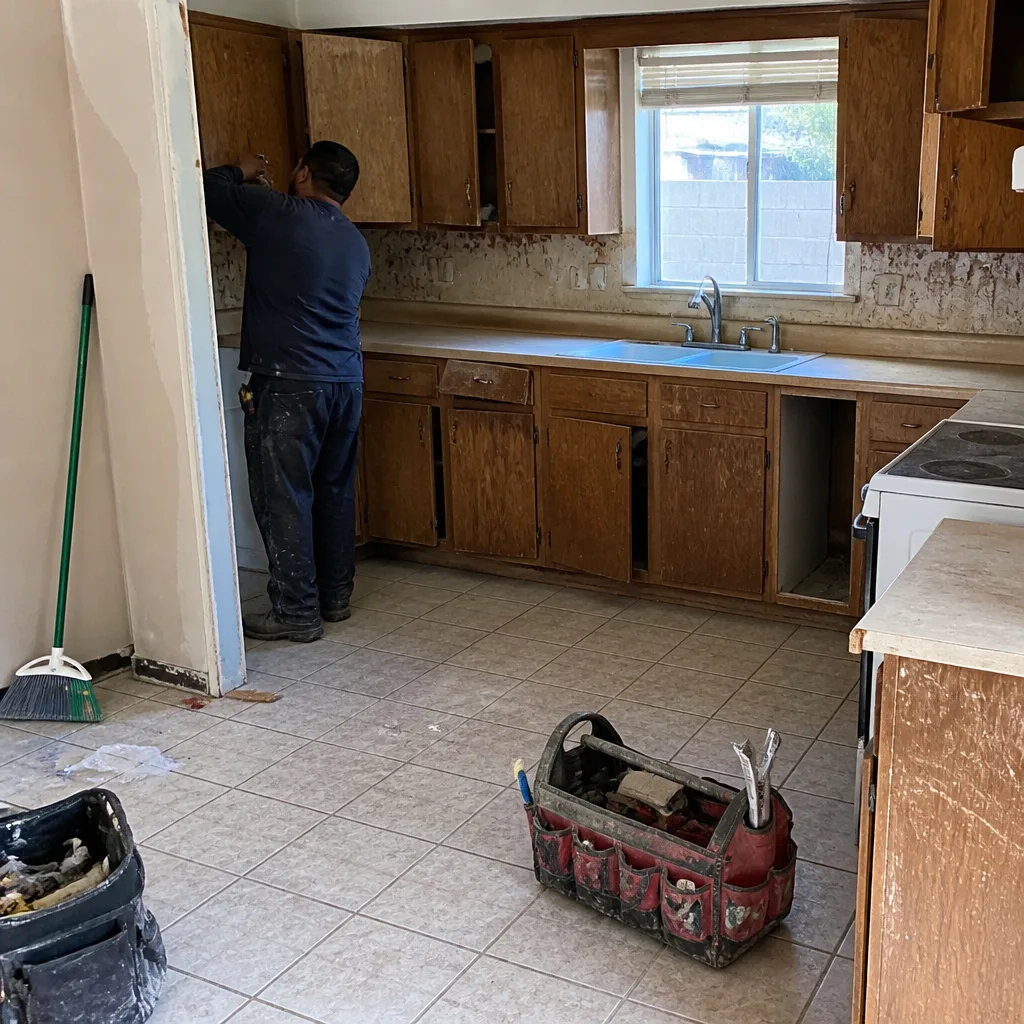
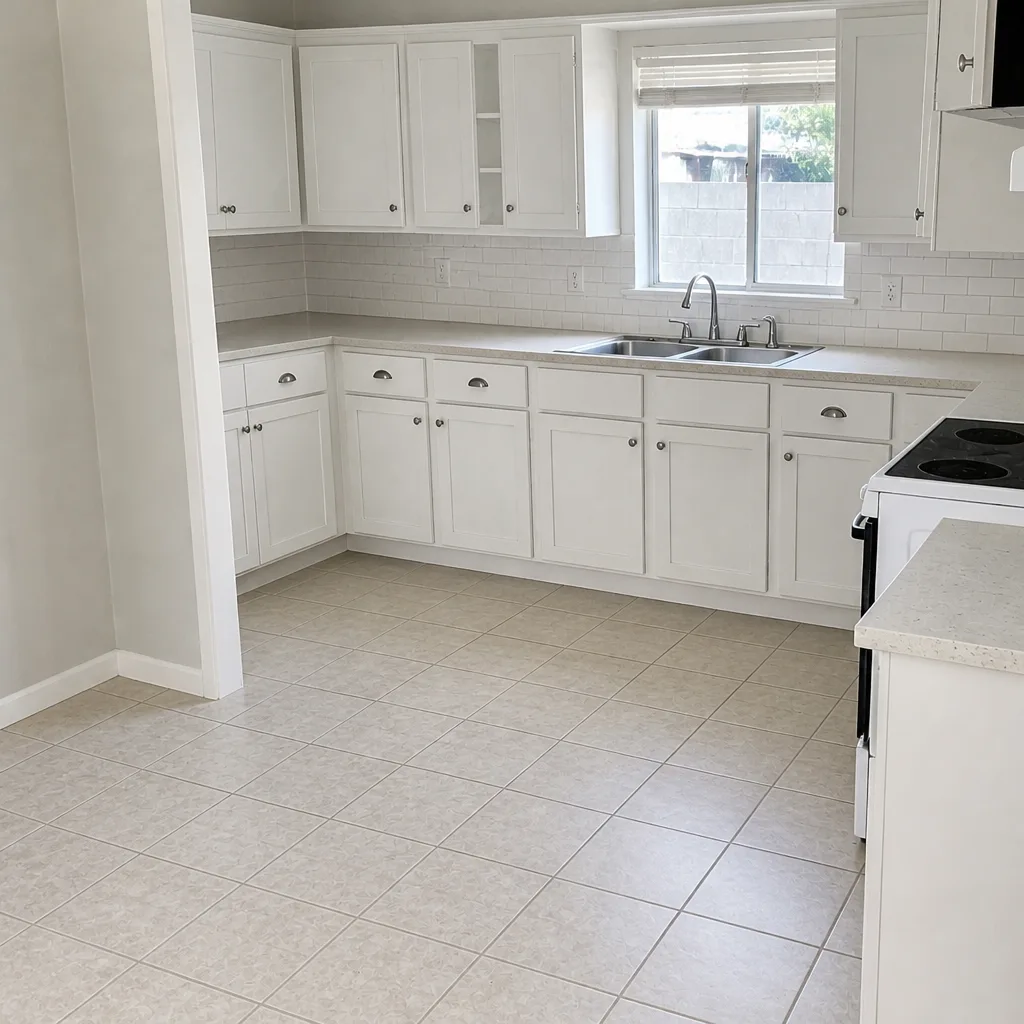
See the difference
 Before
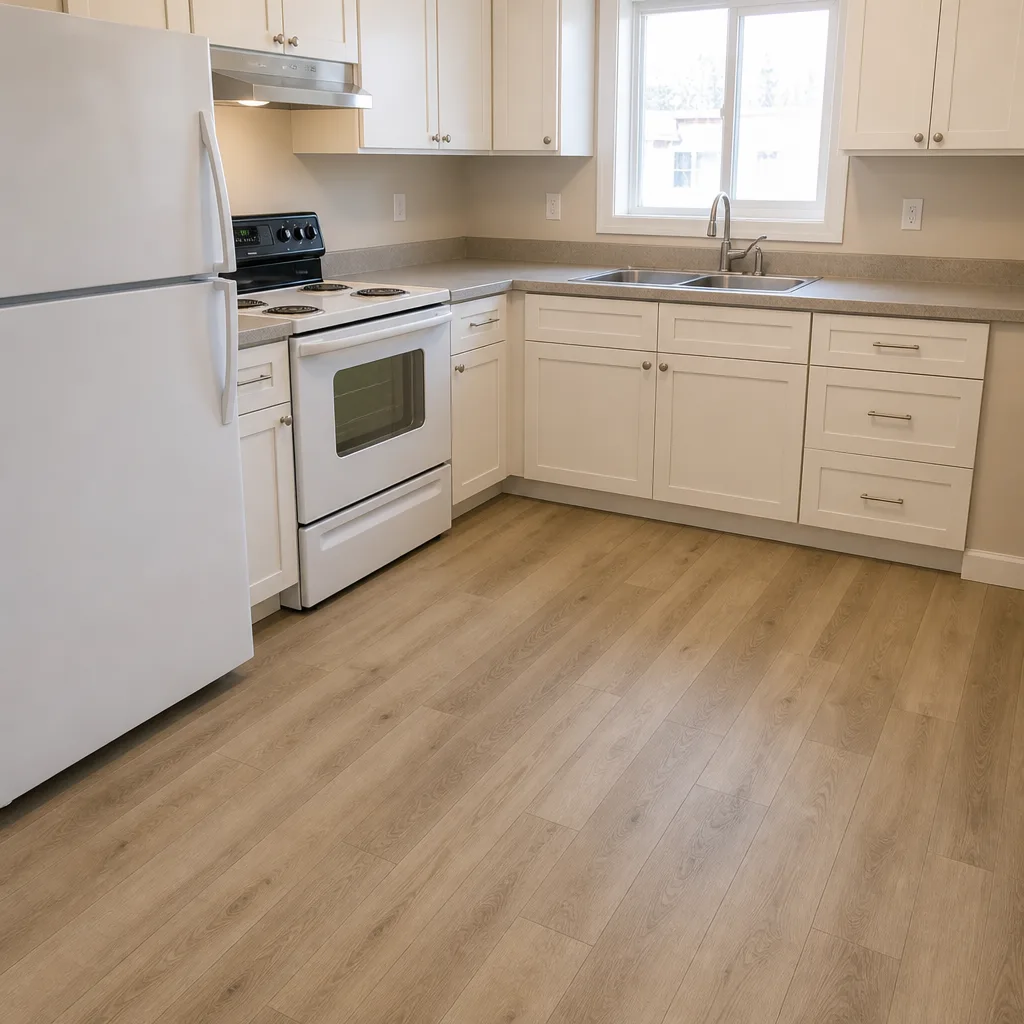 After
 Before
 After
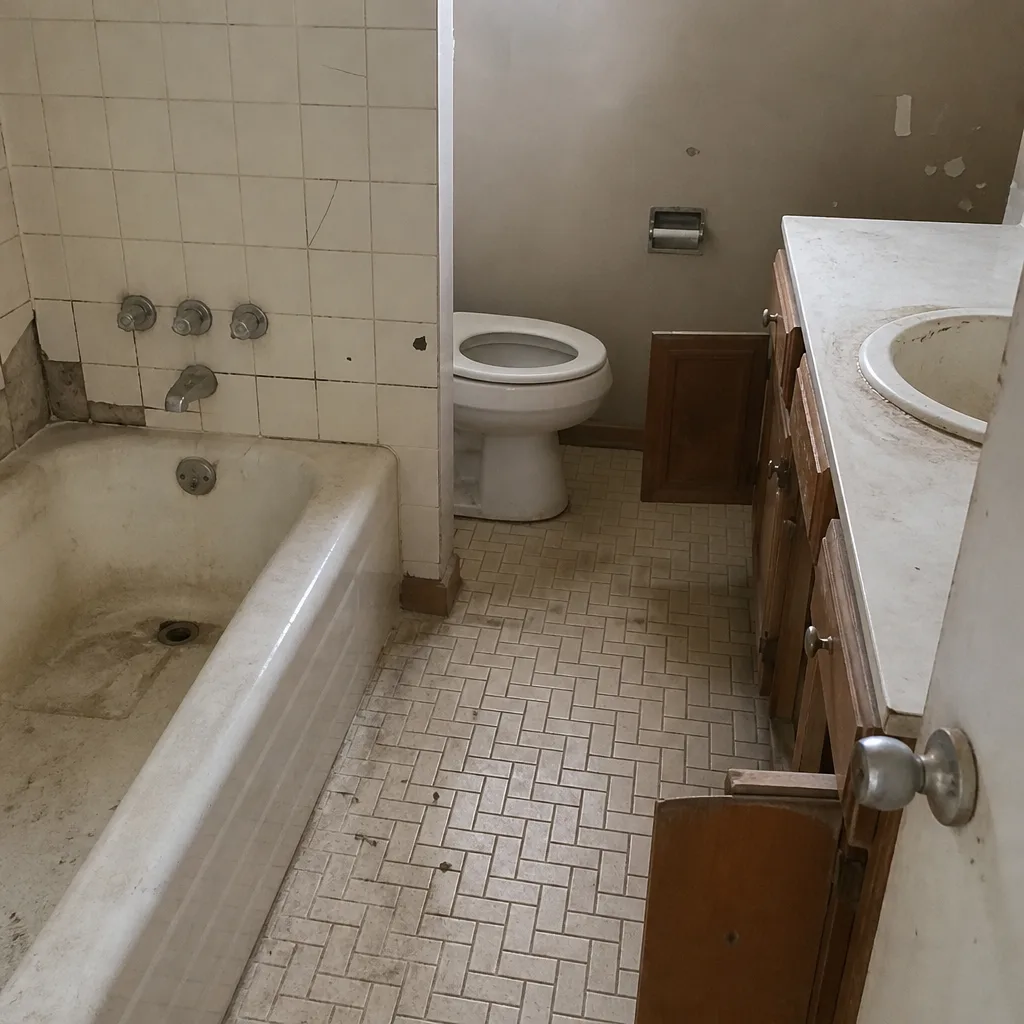 Before
 After
Common Mistakes to Avoid
- Hiring off a phone quote alone. A price given over the phone without anyone looking at the property isn’t a bid, it’s a guess. Get every number in writing after an on-site walkthrough.
- Skipping the NSCB search because the contractor was recommended. Referrals are great, but the license check is still yours to do. Five minutes, every time.
- Letting the contractor’s sub pull the permit. The permit holder carries the liability. Keep it with the licensed contractor you hired, not someone you’ve never met.
- Accepting verbal change orders. “We’ll square up at the end” is a sentence that has produced a thousand bitter phone calls in Paradise. Every change in writing, before the work.
- Front-loading payments. A large deposit with no phase completions behind it is the number one setup for a stalled job. Never more than one phase ahead.
- Skipping the final walkthrough or rushing it. Do it in daylight, with a list, and hold back final payment until the punch list is closed.
- Not asking about insurance and bonding. Ask for a certificate of insurance with your address as the certificate holder. If they can’t provide one, walk.
When to Call a Professional
Some jobs are weekend projects. Others aren’t, and pretending otherwise costs more than hiring right the first time. Call a licensed contractor when the work touches structure, electrical, plumbing, gas, or roofing, when the scope requires a permit, or when the job is bigger than you can safely finish yourself. In Paradise, that includes anything involving the roof deck, any change to the load path of a wall, and any remodel where you’re moving plumbing fixtures. Electrical panel work and gas line work are non-starters for DIY; those are genuinely dangerous and belong with a licensed trade.
Barrett & Sons Construction Paradise offers free estimates in Paradise. Call (855) 596-7029 and a live person will answer, day or night. Our crew members have up to 28 years of experience, every eligible job gets permits pulled and inspections signed, and every price change arrives as a written change order before work begins.
Frequently Asked Questions
Ask for the license number, then look it up on the Nevada State Contractors Board website yourself. Confirm the license is active, the classification matches your project type, and the monetary limit covers the job you’re hiring for. Call (855) 596-7029 for a free second opinion on any written estimate you’ve already received.
Most Paradise kitchen remodels land somewhere between $35,000 and $85,000 depending on layout changes, cabinetry grade, and whether plumbing or electrical moves. A cosmetic refresh with new countertops and paint sits at the lower end; a full gut with new cabinets, tile, and appliances pushes toward the top. Ask for a line-item written estimate with allowances spelled out so you can see where the money is going. Call (855) 596-7029 for an exact quote on your kitchen. Estimates are free.
Not if the scope is truly fixed in writing, and not without your signature on a change order. The price changes when the scope changes, and only then. A legitimate contractor issues the change order before the work happens, not after. If your current bid has allowances that aren’t itemized, expect surprises. Call (855) 596-7029 to have us review what you’ve been quoted.
Yes, on every job where a permit is required. We pull the permit under our license, schedule the inspections, and hand you the signed-off record at completion. The permit inspector works for you, not for us, and that’s exactly why we like it. Call (855) 596-7029 if you want to talk through whether your project needs a permit.
A bathroom remodel runs roughly three to five weeks, a kitchen six to ten, and a room addition four to six months depending on inspections and material lead times. The biggest variable is long-lead items like custom cabinetry and windows. Your written schedule should state the milestones. Call (855) 596-7029 for a realistic timeline on your specific project.
You call, and we come back. Every completed construction and remodeling job we do is backed by a written 90-Day Done Right Promise: if it’s not done right, one call brings us back to make it right. Get that promise in writing on the contract before you sign, from any contractor you hire. For questions about our promise, call (855) 596-7029.
The Bottom Line
Hiring a contractor in Paradise comes down to four moves. Verify the license and the monetary limit yourself. Insist the contractor pulls the permit. Get every scope change, allowance, and price adjustment in writing before work happens. Structure payments so you’re never more than one phase ahead, and hold final payment until the walkthrough checklist is done. Those steps cost you ten minutes each and prevent the vast majority of problems the Nevada State Contractors Board hears about every year. Pick the contractor you can look up, shake hands with, and call when something needs fixing.
Barrett & Sons Construction Paradise is owner-operated, every job is backed by our 90-Day Done Right Promise, and a live person answers the phone around the clock. Call (855) 596-7029 for a free estimate. Ask about our $40 Off Any Repair Over $200, our Free Second Opinion on Any Written Estimate, No Trip Charge Inside the County, and our permanent 10% Senior & Veteran discount.
Written by the team at Barrett & Sons Construction Paradise.