Last updated November 18, 2026
Free written scope consultation - allowances, timeline, and change-order rules on paper before a single trade is scheduled
How Long Does Home Additions & ADU Take? Timelines and What to Expect
Clark County plan check for a new ADU currently runs 4 – 8 weeks for a standard submittal. That’s before a single permit is issued, before ground is broken, and before your contractor’s schedule even starts. Most homeowners who were told “a few months” hear that number and assume it means the build. It doesn’t. The clock starts at the first design meeting, and it keeps running through plan review, corrections, permit issuance, material lead times, and inspection scheduling. This guide maps the full calendar for a Paradise addition or ADU – every phase, realistic week counts, and the bottlenecks almost nobody mentions at the quote stage.
Quick Answer
A typical attached room addition in Paradise runs 6 – 9 months from first design meeting to final inspection. A detached ADU usually takes 9 – 14 months, and a garage conversion ADU runs 7 – 11 months. The build itself is often only about half of that calendar – design, HOA review, Clark County plan check, corrections, and permit issuance eat the rest. Budget the full clock, not just construction, and you’ll be planning instead of guessing.
Styles & brands we work with
- Kitchen remodeling
- Bathroom remodeling
- Home additions & ADU
- Roofing
- Windows & doors
- Driveway & pavers
- Fence
Table of Contents
- Why the Full Clock Matters More Than the Build Window
- Phase-by-Phase Timeline: Design to Final Inspection
- How Clark County Plan Check Corrections Really Work
- Construction Sequencing and Why Inspections Gate Every Phase
- What Causes Additions to Run Long in Paradise
- Realistic Totals for Three Common Project Types
- How Timeline Length Affects Cost
- Common Mistakes to Avoid
Why the Full Clock Matters More Than the Build Window
When a contractor says “a few months,” they usually mean framing to drywall. That’s the part they control and the part they can see. Everything before it – design, drafting, HOA approval, county plan check, corrections resubmittal, permit issuance – happens outside their daily schedule, so it quietly drops out of the estimate. The result is a quote that looks fast and a project that isn’t.
In our experience building in Paradise, the pre-construction phase runs 8 – 20 weeks depending on project type. That’s not padding. It’s plan review, revisions, and agency turnaround time stacked on top of each other. Add the 16 – 28 weeks of actual construction on a detached ADU and you’re at the range we listed in the Quick Answer – and that’s a well-run job.
Why this matters for you: a timeline is a planning tool. If you’re arranging financing, selling a home, moving a parent in, or coordinating a rental unit for income, the difference between “six months” and “twelve months” changes every decision downstream. A contractor who quotes only construction time isn’t lying – they’re just answering a narrower question than the one you asked. Ask for the full clock in writing.
Phase-by-Phase Timeline: Design to Final Inspection
Here’s the sequence we walk every Paradise homeowner through before signing anything. Week counts are realistic for a straightforward residential project; complicated sites, unusual setbacks, or major utility work push them longer.
- Design and drafting (3 – 6 weeks). Site visit, measurements, floor plan options, structural drawings, energy compliance documentation. Changes here are cheap. Changes after plan check aren’t.
- HOA approval, if applicable (2 – 6 weeks). Many Paradise neighborhoods and planned communities require architectural review before the county sees anything. Skip this and you can’t submit.
- Clark County plan check (4 – 8 weeks). The submittal package goes to the county for zoning, building, fire, and utilities review. This is the single most misquoted phase on any addition.
- Corrections and resubmittal (2 – 4 weeks per cycle). Most first submittals come back with comments. See the next section for how that loop actually plays out.
- Permit issuance (1 – 2 weeks). Fees paid, permit card issued, work authorized. Small window, big milestone – this is the first day anything physical can happen.
- Material procurement (2 – 8 weeks). Framing lumber and standard windows move fast. Specialty doors, custom cabinetry, and HVAC equipment run longer. Ordering at permit issuance – not after – keeps the build from stalling.
- Construction (16 – 28 weeks). Foundation through final finishes. Detailed in the sequencing section below.
- Final inspection and occupancy sign-off (1 – 2 weeks). Every trade passes, the county signs off, and the unit is legal to occupy. Don’t skip this on an ADU you intend to rent.
Add the phases and you get 29 – 60 weeks of total calendar – roughly 7 to 14 months. That’s the honest number. When we quote a Paradise addition, we put each of these phases on paper so the homeowner can see exactly where the time goes. If a contractor hands you a single number with no phase breakdown, ask why.
How Clark County Plan Check Corrections Really Work
Most first submittals in Clark County come back with comments. Structural connections, energy code compliance, egress clearances, and setback dimensions are the usual suspects. That’s normal, and it’s not a sign anything is wrong – it’s how the review process works. What almost no contractor discloses upfront is what happens next: each correction cycle adds 2 – 4 weeks to the calendar.
Here’s the loop:
- First review. The county returns a comment letter. Some comments are clarifications, some require redrawn sheets or new calculations.
- Designer revisions. Your drafter or engineer addresses each comment. Two to five business days if they’re sharp, longer if they’re juggling other work.
- Resubmittal. The revised package re-enters the review queue. It doesn’t jump to the front because you’ve been waiting. That’s where the 2 – 4 weeks comes from.
- Second review. Usually cleaner. Occasionally a second round of comments appears, especially on ADUs where the county scrutinizes utility connections and egress.
Two rounds is common. Three happens. Plan for it. On a detached ADU in Paradise, we assume two correction cycles until the county proves otherwise, and we tell homeowners that from day one. A contractor who promises a clean first-pass approval hasn’t submitted enough plans here to know better.
The permit inspector works for you, not for your contractor – that’s why we like this process. Every comment in the letter is a small guardrail against something that could cost real money to fix later. Pulling permits and passing inspections on every eligible job is non-negotiable for us, and it’s the single biggest reason our timelines are honest.
Construction Sequencing and Why Inspections Gate Every Phase
Once the permit is issued, construction moves in a fixed order because the county requires an inspection before the next phase starts. You can’t frame until the foundation passes. You can’t insulate until framing and rough-ins pass. Each inspection is a gate, and a missed inspection day can push the schedule by a week.
The sequence on a typical Paradise addition:
- Site prep and excavation. Layout, grading, digging for footings.
- Foundation inspection. Rebar, forms, and anchor bolts checked before concrete pours.
- Framing. Walls up, roof tied in, sheathing on. This is the most visually dramatic week of the whole job.
- Rough-in inspections. Plumbing, electrical, and mechanical lines run inside the walls and inspected before anything closes them up.
- Insulation inspection. R-values and air sealing checked against the energy compliance documentation from the plan set.
- Drywall, finishes, trim. The long middle stretch – taping, texture, paint, flooring, fixtures.
- Final inspection. All trades signed off, occupancy issued, keys handed over.
Every one of those inspections depends on an inspector’s calendar. During high-permit-volume periods – spring and early summer in Clark County – inspection slots fill up and a two-day wait becomes five. We build buffer into the schedule for exactly this reason, and we try to sequence inspections so a single day’s delay doesn’t stall an entire trade’s crew.
One more thing homeowners rarely ask about: drywall closes the walls forever. If a rough-in inspection fails and needs a fix after drywall, you’re tearing out finished work. That’s why we walk each inspection before the crew calls for it. Ask for the same in writing.
What Causes Additions to Run Long in Paradise
Paradise has some specific realities that push timelines in ways other Southern Nevada cities don’t feel as sharply. Three come up on almost every project:
Summer concrete cure adjustments. Concrete cures differently in 105-degree heat. In July and August, pours get scheduled early morning, and curing requires moisture management – wet blankets, misting, or extended set time. A foundation that cures in 5 days in March may need 7 – 10 days in July. That’s a real calendar cost on any addition poured between June and September.
HVAC equipment lead times. When the addition includes a new system or upgraded capacity, the equipment order becomes a critical path item. Standard residential equipment moves in 1 – 3 weeks. Anything custom, high-efficiency, or in a size that isn’t stocked locally moves slower – and the rough-in inspection can’t pass without it. On ADUs we order HVAC at permit issuance, not after framing.
Inspector scheduling gaps during high-permit-volume periods. Paradise sees more addition and ADU permits when the larger regional market slows and homeowners decide to expand rather than buy. When that happens, inspector calendars compress and every inspection window tightens. There’s nothing to do about it except know it’s coming and build slack into the schedule.
One more Paradise reality worth naming: the housing stock here includes a lot of older homes, and remodeling around older construction adds time. You don’t know what’s behind the wall until the wall comes down. A good contractor budgets a contingency window for that discovery, and a good one also puts the discovery cost in a written change order before fixing it. Our free second opinion on any written estimate exists because we’ve seen too many homeowners discover the real timeline after signing. Call (855) 596-7029 and we’ll look at yours.
Realistic Totals for Three Common Project Types
Here’s what the full clock looks like for the three additions we build most in Paradise. These are first-design-meeting-to-occupancy-sign-off numbers, not just construction.
- Attached room addition (family room, bedroom, primary suite): 6 – 9 months total. Design 3 – 5 weeks, plan check and corrections 6 – 10 weeks, permit issuance 1 – 2 weeks, procurement 2 – 4 weeks, construction 12 – 18 weeks, final inspection 1 – 2 weeks. Attached additions are fastest because roof and utility tie-ins are simpler and the plan review is smaller.
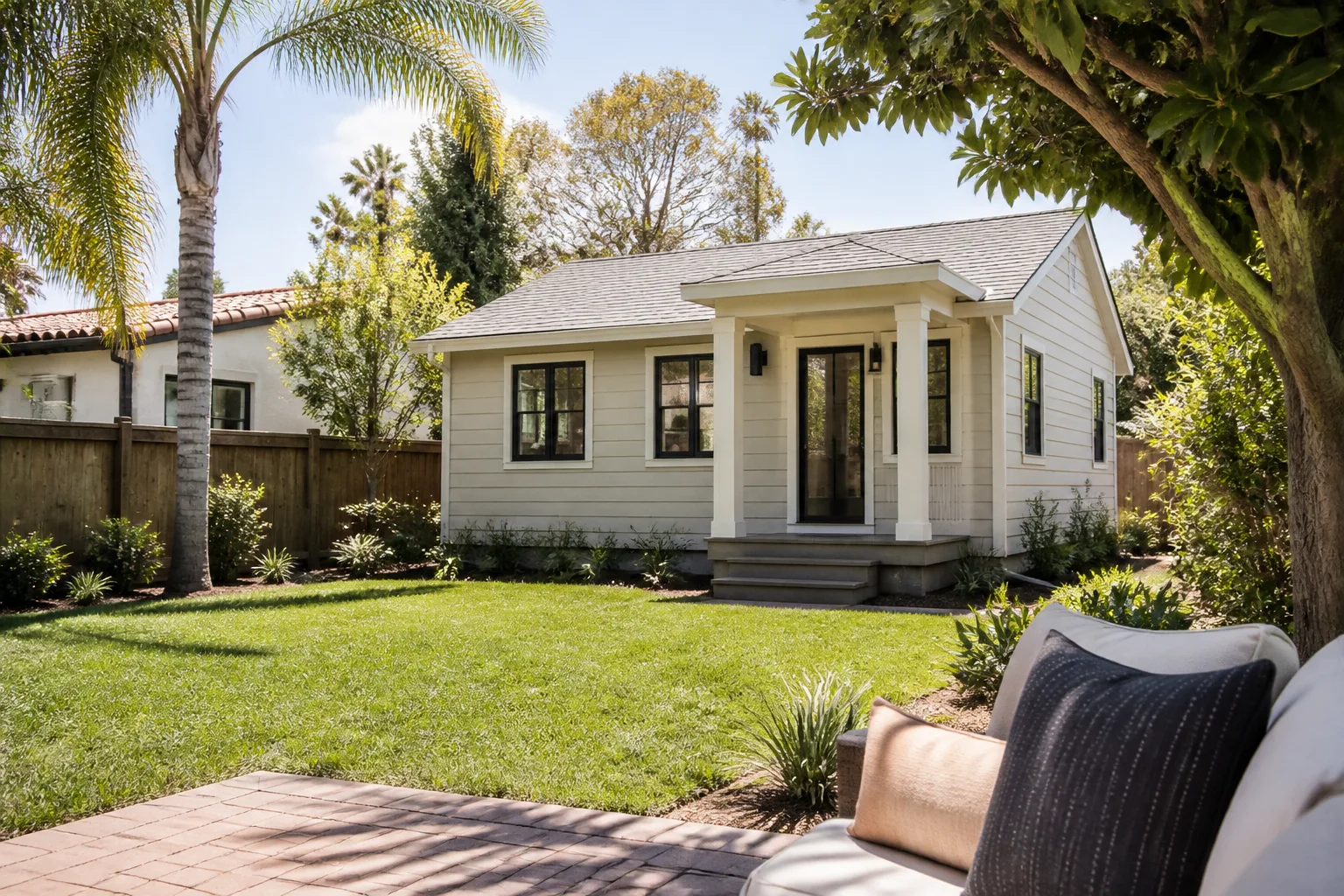
- Detached ADU (new structure with its own foundation and utilities): 9 – 14 months total. Design 4 – 6 weeks, plan check and corrections 8 – 14 weeks, permit issuance 1 – 2 weeks, procurement 3 – 8 weeks, construction 20 – 28 weeks, final inspection 1 – 2 weeks. Detached ADUs trigger the most plan review scrutiny – fire separation, utility taps, and egress all get a close look.
- Garage conversion ADU: 7 – 11 months total. Design 3 – 5 weeks, plan check and corrections 6 – 12 weeks, permit issuance 1 – 2 weeks, procurement 2 – 4 weeks, construction 16 – 22 weeks, final inspection 1 – 2 weeks. Conversions save foundation and framing time but add mechanical, insulation, and egress complexity – and older garages often surprise you once you open them up.
These ranges assume a clean site, a cooperative HOA, and two plan-check correction cycles. If you’re in a Paradise neighborhood with strict architectural review, add 2 – 6 weeks. If you’re on a rural lot with well and septic considerations, add more.
Our technicians have up to 28 years of experience sequencing this kind of work, and that experience mostly shows up in the things we do before ground is broken – the submittal package that reduces corrections, the material orders that don’t stall the build, and the written change orders that keep costs from drifting when the county has a comment.
How Timeline Length Affects Cost
Two projects with identical drawings can cost different amounts because of time. A longer plan-check phase means more corrections, more drafting revisions, and more opportunity for material prices to move between quote and order. A longer build means more carrying costs if you’re financing, and more exposure to equipment lead-time premiums.
Here’s where homeowners get the surprise invoice: the allowance categories. Cabinets, countertops, plumbing fixtures, and HVAC equipment are usually quoted as allowances, not fixed prices. We specify premium brands at the quote stage – Cambria or Silestone quartz for counters, Kohler fixtures in the bath – so the allowance reflects a real product, not a placeholder. When a homeowner chooses a material upgrade, that arrives as a written change order before ordering. An allowance that isn’t on paper is a surprise waiting for a date, and that’s the exact reason we don’t leave one out.
The timeline itself is also a budget lever. Ordering windows and doors at permit issuance rather than after framing buys you 2 – 4 weeks on a project where a custom-size window can add 4 – 6 weeks on its own. We don’t promise same-day anything on an addition – nobody builds an addition same day – but we do promise the schedule is yours in writing, and any change to it arrives in writing before a nail moves.
Common Mistakes to Avoid
- Quoting construction time and claiming it’s the whole timeline. If a contractor gives you a number without a phase-by-phase calendar, you’re hearing only the build window. Ask for the full clock in writing.
- Assuming a clean plan check. Most first submittals in Clark County come back with comments, and each correction cycle adds 2 – 4 weeks. Budget for at least one round, preferably two.
- Skipping HOA review until after plan check. If your Paradise neighborhood requires architectural approval, get it before the county submittal – otherwise you’re waiting on two agencies in sequence instead of parallel.
- Ordering materials after framing. Windows, cabinets, and HVAC ordered at permit issuance shave weeks off the critical path. Ordered after framing they stall the crew.
- Ignoring summer cure realities in Paradise. Concrete poured in July and August cures on a different schedule than March. Plan foundation work around it or expect the calendar to stretch.
- Accepting a verbal change order. Every scope, allowance, and price change should arrive in writing before work proceeds. Verbal changes are how homeowners end up with a surprise invoice at the end.
- Letting a contractor tell you permits are optional. Unpermitted additions and ADUs create real trouble at resale. Pulling permits and passing inspections protects you, not the contractor.
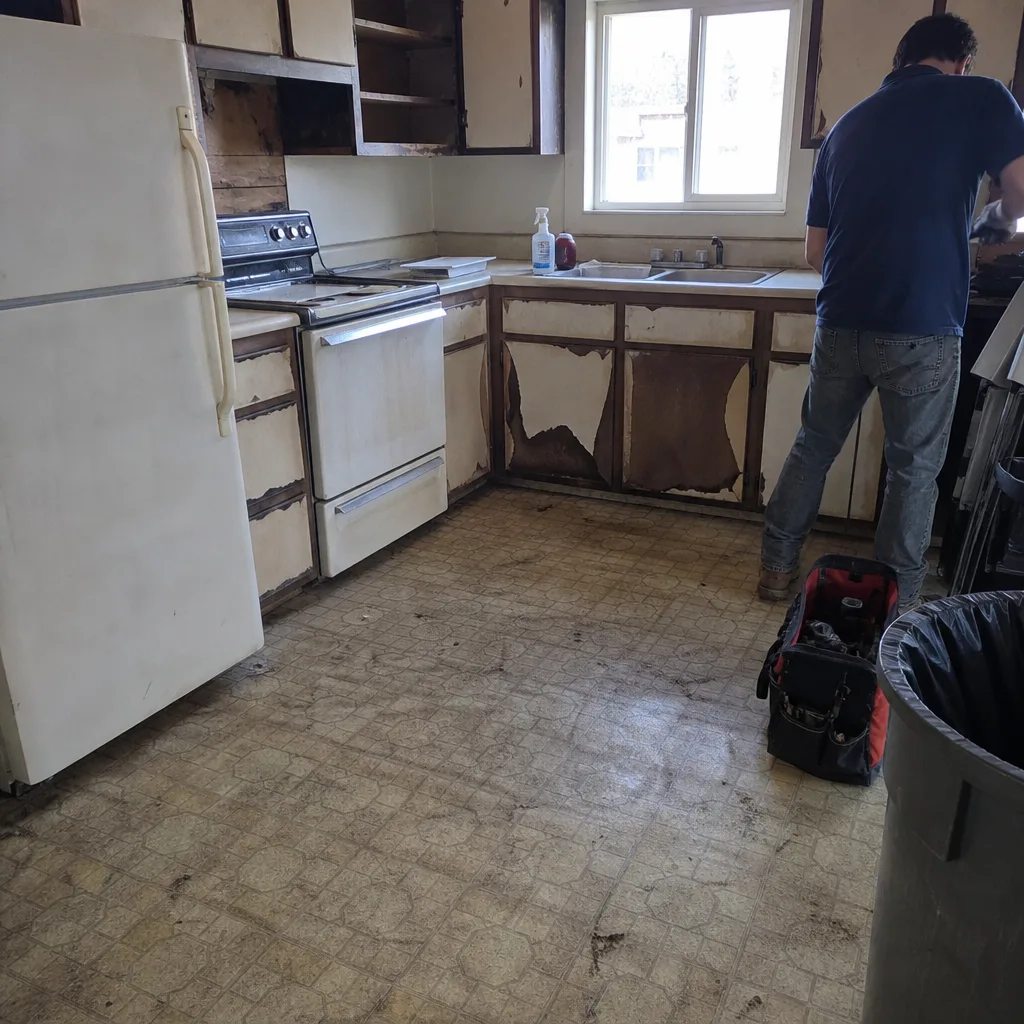
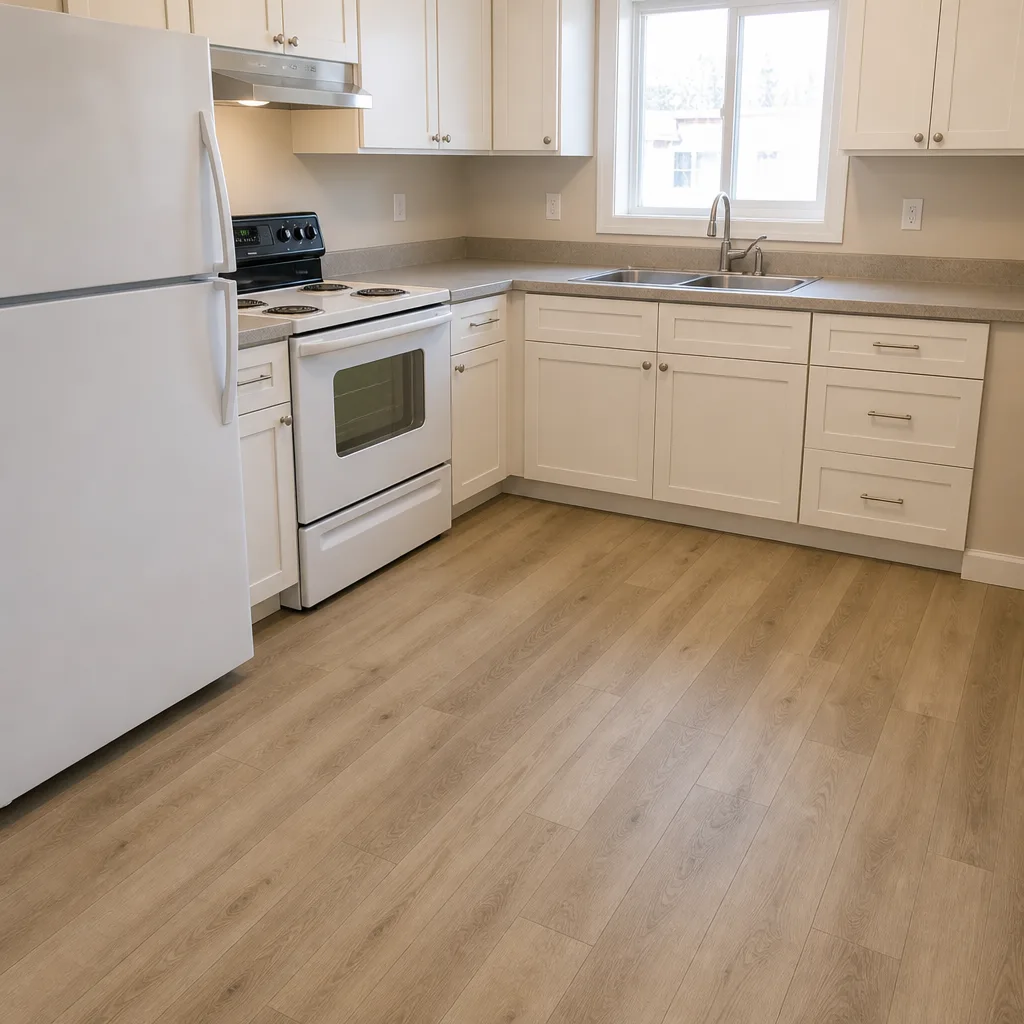
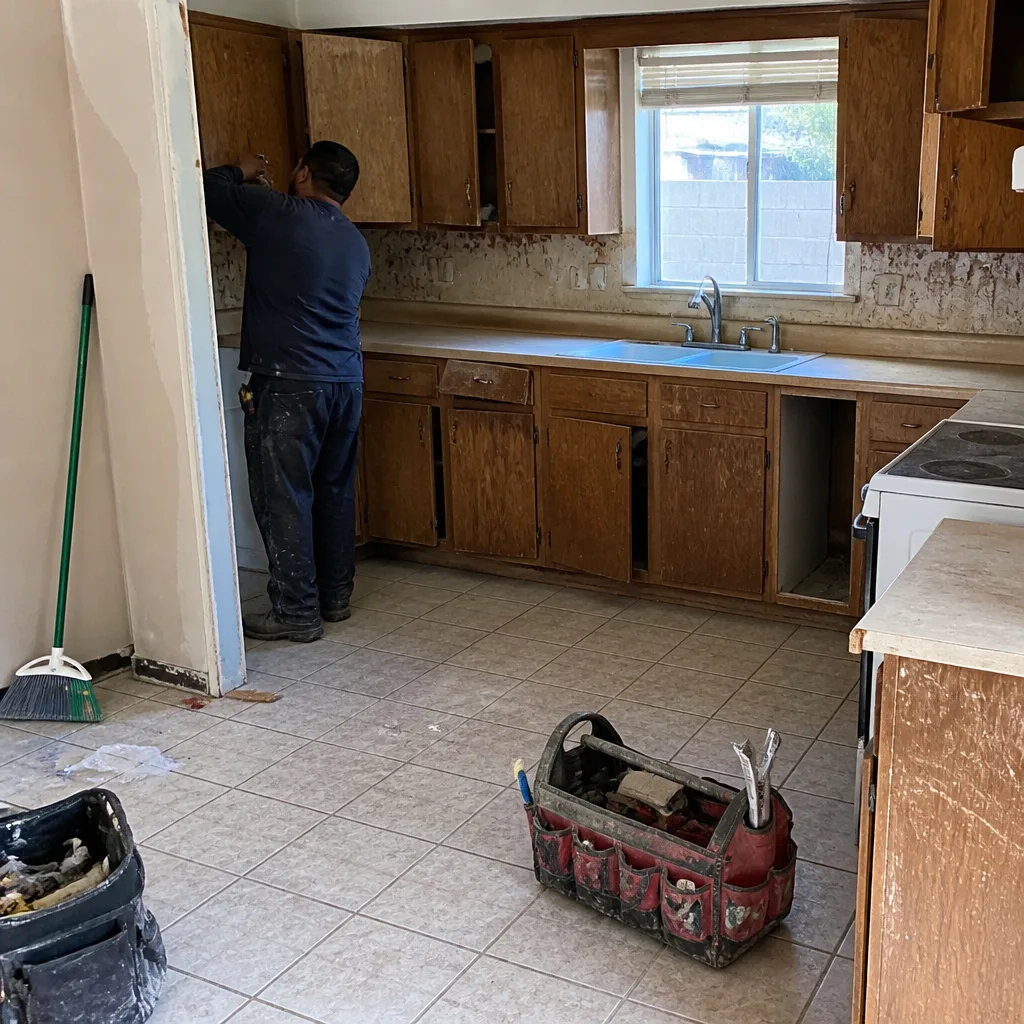
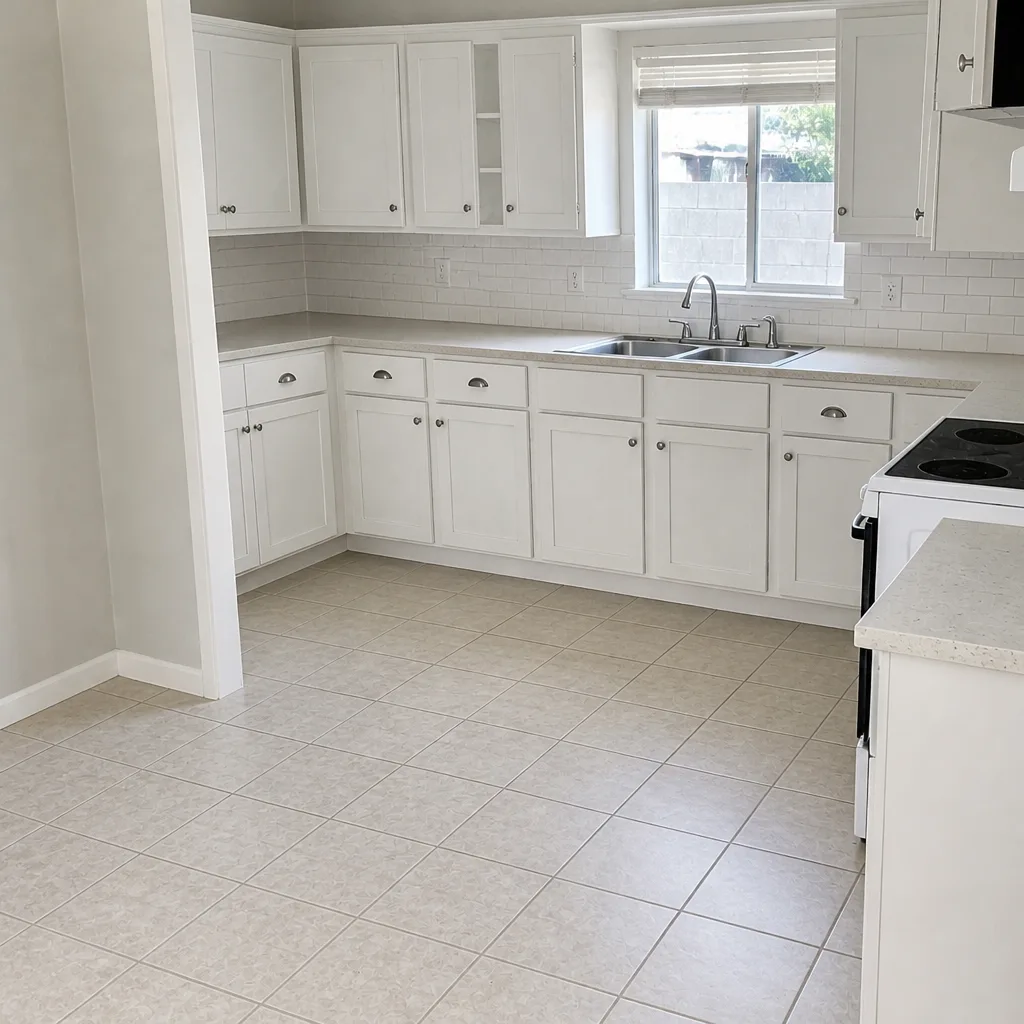
See the difference
 Before
 After
 Before
 After
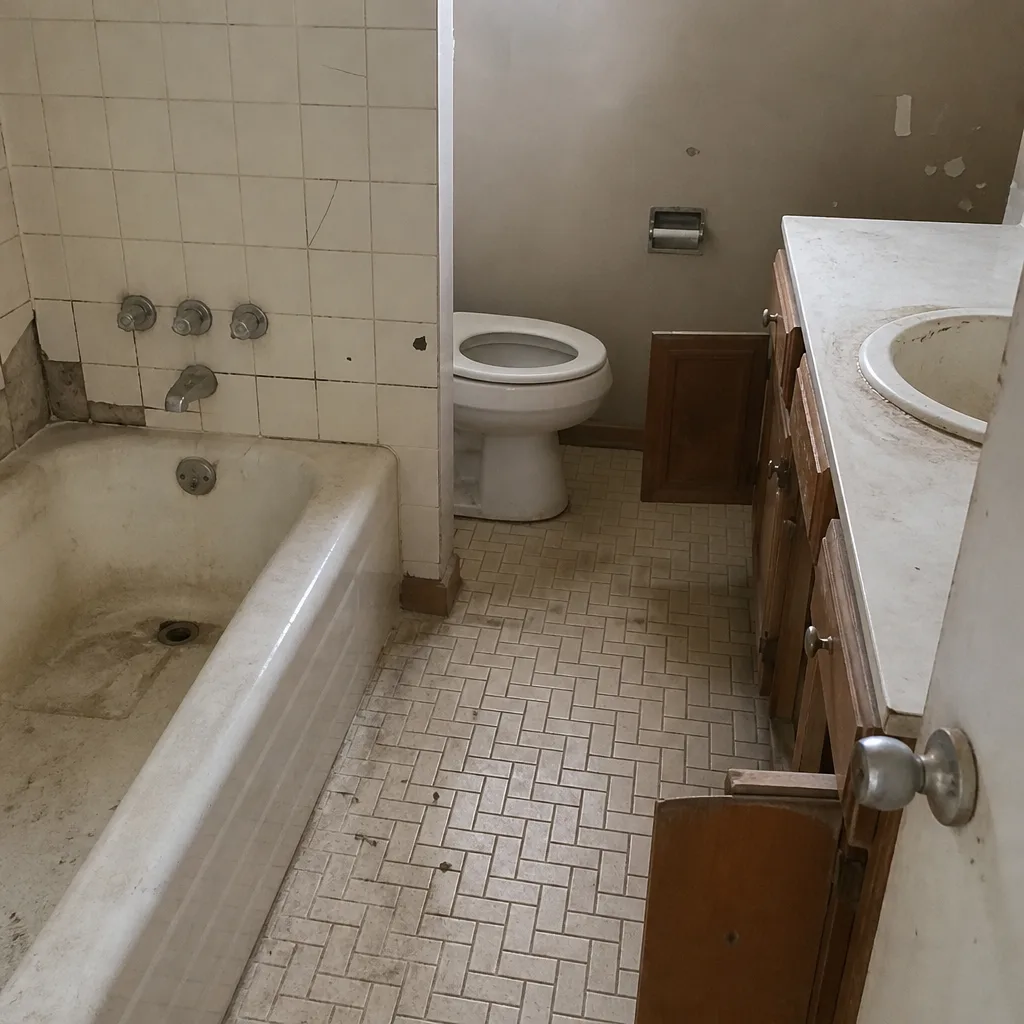 Before
 After
When to Call a Professional
If you’re planning an addition or ADU and haven’t started the design phase, call before you sketch anything. Site conditions, setback requirements, utility tie-ins, and HOA rules all shape what’s buildable in Paradise, and the design that gets approved fastest is the one drawn with those constraints in mind. If you’ve already been quoted a timeline, call for a second opinion on the written estimate – we’ll walk the phase breakdown with you and flag anything missing before you sign. If your project includes any structural tie-in to an existing home, foundation work, or utility relocation, that work belongs to a licensed contractor. Garage-door springs, electrical panels, and gas lines are different territory entirely: those are genuinely dangerous and belong to trained professionals. Barrett & Sons Construction Paradise offers free estimates in Paradise – call (855) 596-7029.
Frequently Asked Questions
A typical attached room addition in Paradise takes 6 – 9 months from first design meeting to occupancy sign-off. That includes design, plan check, permit issuance, material procurement, construction, and final inspection – not just the build window. Detached ADUs run 9 – 14 months and garage conversions 7 – 11 months. Call (855) 596-7029 for an exact estimate on your project.
Clark County reviews each submittal through zoning, building, fire, and utility departments, and the review queue doesn’t prioritize one project over another. A standard residential ADU submittal sits in that queue for 4 – 8 weeks before the first comment letter comes back. Corrections then add 2 – 4 weeks per cycle. Call (855) 596-7029 and we’ll walk you through the submittal phase for your project.
Yes – each correction cycle adds 2 – 4 weeks to the calendar because the revised package re-enters the review queue. Most first submittals in Clark County get comments, so plan for at least one round. We build two correction cycles into every Paradise schedule until the county proves otherwise. Call (855) 596-7029 for a written phase-by-phase timeline.
It can, and the honest reason is discovery – what’s behind an existing wall isn’t knowable until it comes down. What shouldn’t change is the price without your consent. Every scope, allowance, and price change we issue arrives as a written change order before work proceeds. That’s the 90-Day Done Right Promise on paper: if something isn’t right, one call brings Tom back. Call (855) 596-7029 for a free second opinion on any written estimate.
Yes. An ADU is a dwelling unit and requires building, electrical, plumbing, and mechanical permits, plus final inspection and occupancy sign-off before it’s legal to rent or occupy. Unpermitted ADUs create real trouble at resale and can be ordered vacated. We pull permits and pass inspections on every eligible job – it’s the only way to build one you can stand behind. Call (855) 596-7029 to get started.
An attached addition runs 6 – 9 months and a garage conversion runs 7 – 11 months. The conversion saves foundation and framing time but adds mechanical, insulation, and egress complexity, plus plan-check scrutiny on utility connections. The extra 1 – 2 months is real and worth planning around. Call (855) 596-7029 for a project-specific range.
The Bottom Line
The build is half the story. In Paradise, a home addition or ADU takes 6 – 14 months from first design meeting to occupancy, and the pre-construction phase – design, HOA approval, Clark County plan check, corrections, permit issuance – is where most quotes quietly fall short. Two correction cycles is normal. Summer concrete cures slow in July and August. HVAC and custom window lead times belong at the front of the schedule, not the back. If you want a timeline you can actually plan around, ask for it in phases, ask for it in writing, and ask what happens when the county sends comments. Then get it reviewed before you sign.
Ready to see what your project’s real calendar looks like? Call (855) 596-7029 for a free estimate, and we’ll put every phase on paper – scope, allowances, change orders, and the county review windows that shape it. A live person answers the phone, day or night. You can start with our Barrett & Sons Construction Paradise home page or go straight to Home Additions & ADU in Paradise. If your project also touches the outside of the house, look at Driveway & Pavers in Paradise and Fence Installation in Paradise – we coordinate those trades so they don’t slow your addition down. And when your neighbor asks who did the work, send them our way.
Written by the team at Barrett & Sons Construction Paradise.