Last updated November 18, 2026
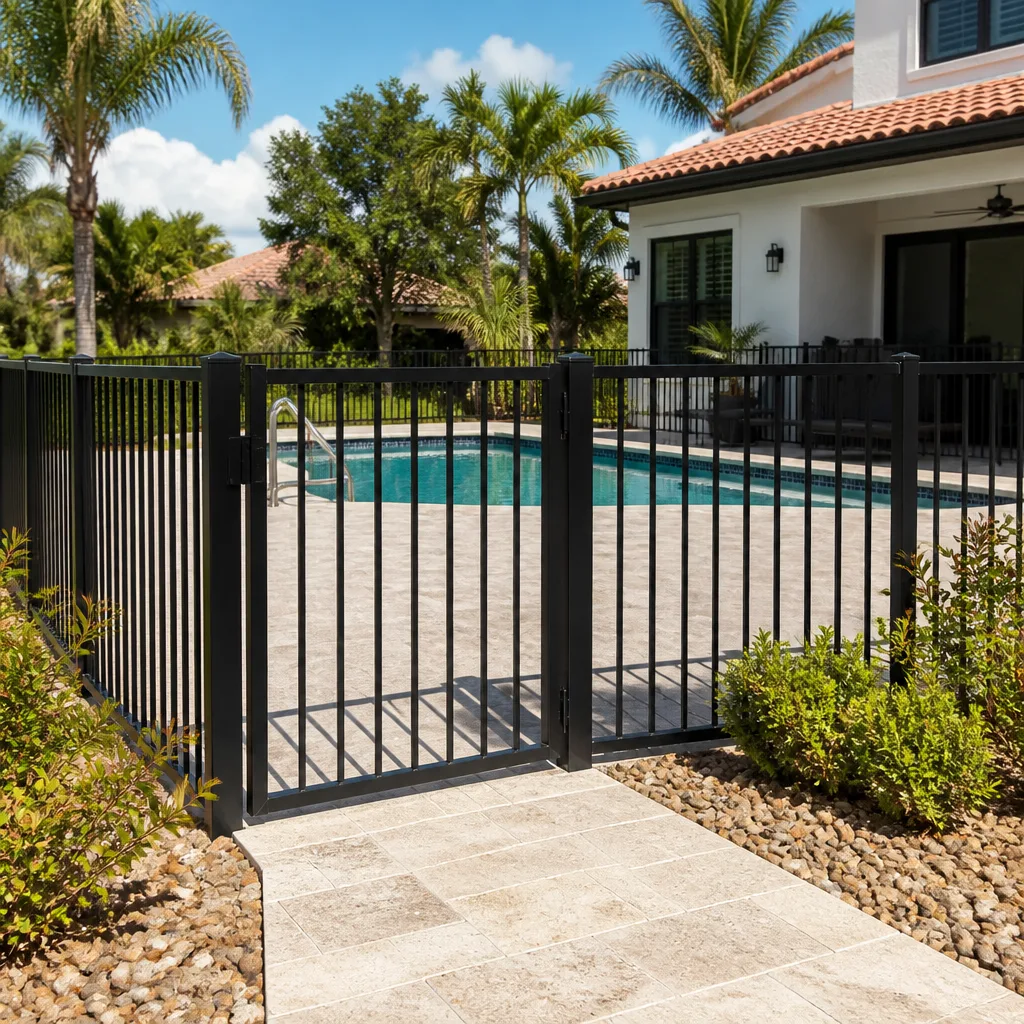
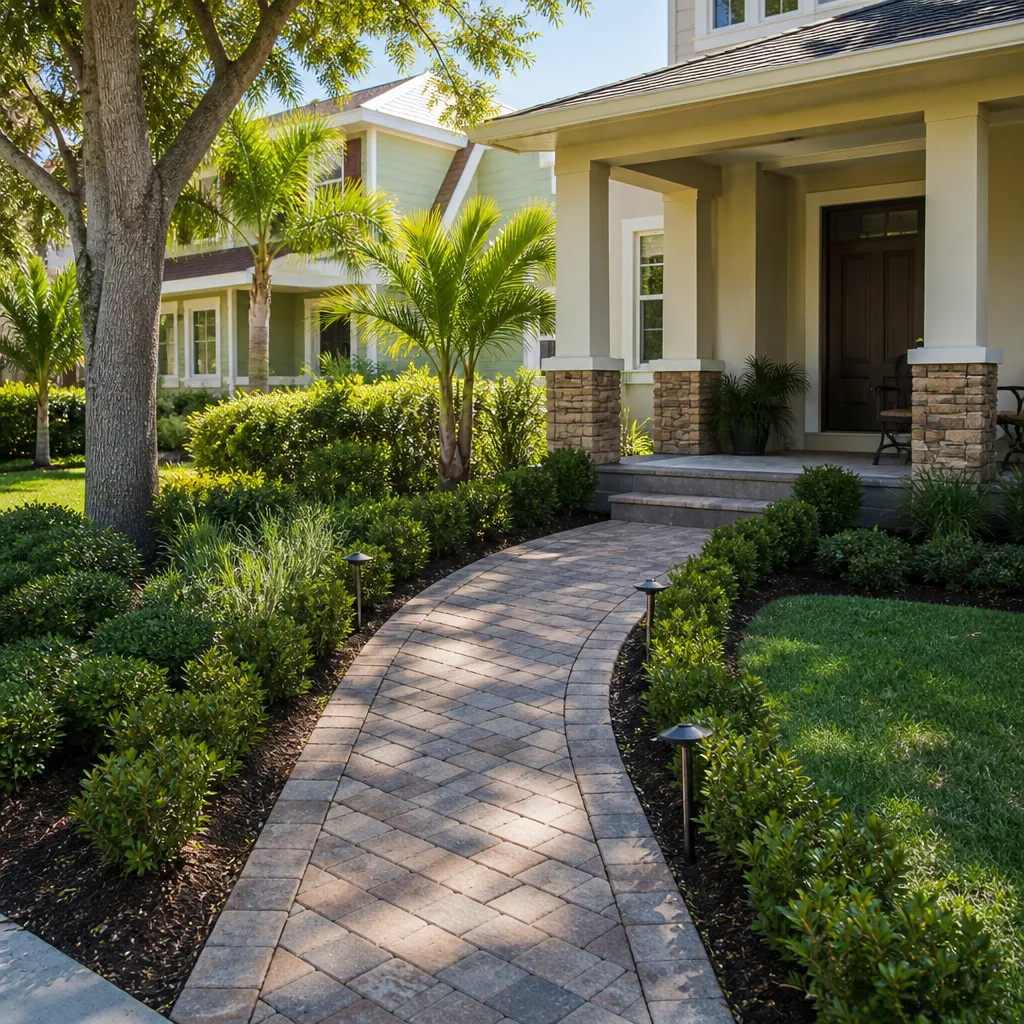

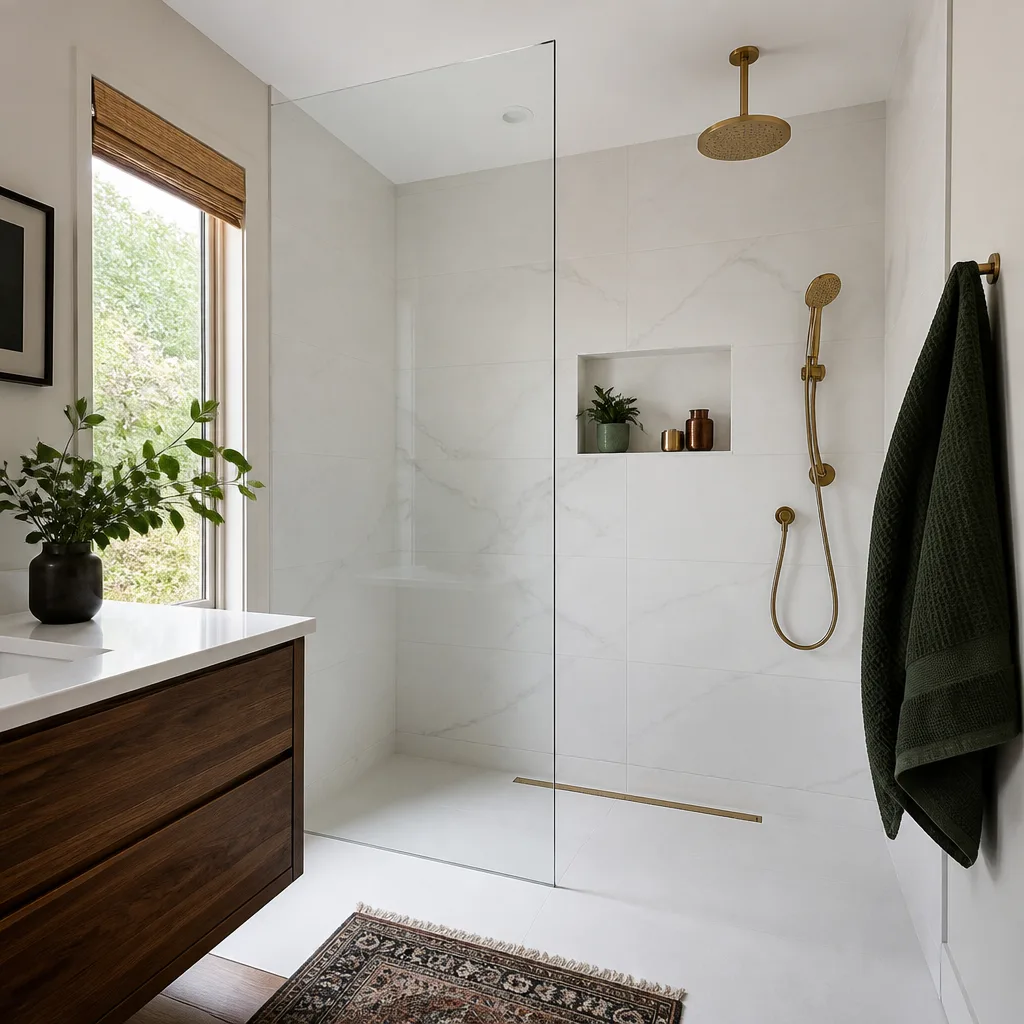



Free written scope consultation - allowances, timeline, and change-order rules on paper before a single trade is scheduled
How Long Does Fence Installation Take? Timelines and What to Expect
Most homeowners plan their fence project around the days the crew is in the yard. That’s the part they can picture: posts going in, panels going up, a gate swinging shut. But the fence itself goes up fast. Everything that happens before the first post drops is what actually eats your calendar, and most quotes never mention it. Nevada law requires underground utility marking before any post is dug, and that step alone can add a week or more. In this guide we’ll break the whole job into its real phases – permits, utility marking, material lead time, install days, and concrete cure – so you know what you’re actually scheduling. We’re writing this from Paradise, where the ground, the codes, and the wind all shape the timeline.
Quick Answer
A typical residential fence installation in Paradise takes 1 to 3 weeks from signed contract to final inspection, though the crew is usually only on-site for 2 to 5 of those days. The rest of the calendar goes to permit review, the mandatory 811 utility-marking wait, material lead time, and concrete cure. A simple 150-foot wood fence on flat ground can wrap up in about 10 days; a large corner lot with multiple gates and slope can run 4 to 6 weeks.
Styles & brands we work with
- Kitchen remodeling
- Bathroom remodeling
- Home additions & ADU
- Roofing
- Windows & doors
- Driveway & pavers
- Fence
Table of Contents
- The Five Phases of a Fence Project, in Order
- Why Nevada 811 Utility Marking Adds 3-10 Days
- Clark County Permits: What the Review Actually Costs You in Time
- Material Lead Time: The Wildcard Nobody Quotes
- How Many Days Does the Crew Actually Work?
- What Multiplies Installation Days: Lot Size, Terrain, Gates
- Concrete Cure: The Step Everyone Skips
- What “Done” Really Means: Pack-Up vs. Inspection Sign-Off
The Five Phases of a Fence Project, in Order
Here’s the honest sequence, start to finish. Knowing it in advance is what keeps you from calling the contractor three times wondering what’s happening.
- Contract and permit application (1-3 days). You sign, we pull the permit where the work requires it. In Paradise that application goes to Clark County, so the clock starts here.
- Utility marking request through 811 (3-10 business days). We file the request; utility companies send locators out. No post gets dug until this is complete.
- Permit review and approval (5-15 business days, varies). This runs roughly parallel to the 811 wait, which is why a well-run project doesn’t double the delays.
- Material delivery (same-day to 4 weeks). Common pressure-treated pine and standard chain link are usually quick. Ornamental steel, certain vinyl profiles, and custom gate hardware are the long-lead items.
- Installation and final inspection (2-5 crew days, plus inspection scheduling). Crew comes out, sets posts, cures, hangs panels and gates, then the county signs off.
Stacked back to back, a straightforward Paradise job lands at about 2 to 3 weeks from signature to sign-off. Add a week or two for anything unusual. We’d rather give you that number up front than tell you it’s a weekend job and leave you with a half-set fence and no way to reach us. That’s the reason we put scope, allowances, and everything else in writing before work starts.
Why Nevada 811 Utility Marking Adds 3-10 Days
Before a single shovel touches dirt, someone has to know what’s under it. Nevada’s 811 call-before-you-dig law requires underground utility lines to be located and marked before any excavation. That includes fence post holes. Gas, water, electric, cable, irrigation, and sometimes abandoned lines from older properties – all of it gets flagged.
The legal minimum notice window is 2 business days, but in practice, especially in unincorporated Clark County and rural-edge parcels, it runs 3 to 10 business days. Some locators have scheduling backlogs. Some utility companies need to send their own representative out. On a property with a private well, an old septic system, or an unmarked lateral from the ’80s, there are follow-up visits.
Why does this matter for a quote you’re comparing? Most fence quotes don’t mention 811 once. If a contractor skips it and digs straight into a gas line or a fiber run, you are now coordinating with two utility companies, paying for repairs, and waiting on approvals. We file every request, wait for the marks, and hand you the confirmation. That’s not overhead. That’s the difference between a fence project and a backyard standoff. Any contractor in Paradise who tells you they can start digging tomorrow hasn’t started the utility clock yet.
Clark County Permits: What the Review Actually Costs You in Time
In 2024 and 2025, Clark County permitting timelines drifted longer than in neighboring jurisdictions. Henderson and North Las Vegas have their own building departments and their own review queues; unincorporated Paradise goes through Clark County. That means a fence on a Paradise parcel can sit in a county review stack while a friend in Henderson gets theirs approved a week earlier. It isn’t an emergency – county review is 5 to 15 business days for a straightforward residential fence – but it’s real calendar time.
What triggers review versus what sails through:
- Fence height over 6 feet and the county almost always wants a permit and review.
- Corner lots and visibility triangles. Paradise has plenty of corner properties, and sight-line rules affect where a fence can sit and how tall it can be.
- Front-yard fences and any fence on a retaining wall or property line dispute – permits are stricter here.
- HOA overlays in some Paradise subdivisions, where the association runs its own architectural review on top of the county.
We pull the permit on every eligible job and we don’t shortcut the process, because the permit inspector works for you, not for us – that’s why we like him. If a contractor quotes you a fence and quietly skips a needed permit, that’s on paper forever, and it can sink you at resale. Our advice: ask directly whether the permit is included and who signs the final inspection. If the answer is fuzzy, that’s your answer about the contractor.
Material Lead Time: The Wildcard Nobody Quotes
Material is where a fence project either flows or stalls, and it varies wildly by what you’ve chosen. Here’s roughly how the items stack up:
- Pressure-treated pine: same-week to 2 weeks for standard sizes. Most common residential wood fence in Paradise.
- Vinyl and composite: 1-3 weeks. Popular because it handles the desert sun without warping, but the specific profile and color matter for lead time.
- Chain link: often same-week for stock heights and gauges.
- Ornamental steel and aluminum: 2-4 weeks for stock styles, 4-6 weeks for custom heights and gate configurations.
- Custom gates and hardware: 2-4 weeks on their own, sometimes longer if the finish is a custom color.
You can see why the timeline stretches. A quote of “$28 per linear foot” says nothing about which of these items you’re waiting on. The honest move is to pick your material before you compare schedules, not after. We’ve seen homeowners choose an ornamental steel fence, sign a contract expecting two weeks, and then learn the panels won’t arrive for a month – not because the contractor lied, but because lead times were never in the conversation. When we quote a fence in Paradise, the material and the lead time are part of the written scope.
How Many Days Does the Crew Actually Work?
Installation itself is the fast part. For a standard residential project, here’s what the crew’s calendar looks like on the ground:
- Day 1 – Layout and layout verification. String the line, verify property boundaries, mark post locations, and confirm utility marks are still visible.
- Day 1-2 – Post setting. Dig, set posts in concrete, plumb and brace. On a 200-foot run with a single gate, this usually takes one full day; on a longer or sloped lot, two.
- Cure window. Posts sit in concrete. See the section below on why this matters so much.
- Day 3-4 – Rails, panels, and gates. Once cure is complete, the crew hangs rails, installs pickets or panels, then hangs the gate and tests the swing.
- Day 5 – Clean-up and prep for inspection. Haul debris, walk the line with you, and set up final inspection.
So a typical project is 3 to 5 crew days. The quote that said “two days” may have meant two days of crew time plus a few weeks of prep and cure. If you ask a contractor how long a project takes and they answer “a weekend,” they’re quoting the part you see.
What Multiplies Installation Days: Lot Size, Terrain, Gates
Per-linear-foot pricing is a helpful comparison, but it doesn’t tell you how long the job will take. Here’s what actually multiplies the crew’s days:
- Lot size. A standard suburban lot with 150 linear feet runs 2-3 crew days. A half-acre or larger parcel with 300+ feet runs 4-6.
- Terrain. Flat, cleared ground is fast. Sloped or rocky ground in the Paradise foothills can add a day or two – post holes on caliche or decomposed granite can take 2-3 times longer to dig than on soft soil.
- Gate count. One gate is standard. Two or three gates, especially if one is a double drive gate, add 3-6 hours of fit and hardware work.
- Corner and irregular lots. Every corner means cutting, bracing, and layout precision. Paradise has plenty of these.
- Tear-out. Removing an old fence adds 3-6 hours plus disposal. Sometimes a dumpster is needed for a large wood fence.
We’ve seen a 150-foot flat-lot install finish in two days that a quote predicted for five, and a 200-foot foothill lot with a slope and two gates that took six. The linear feet were close. The days were not. When you’re comparing bids, ask the contractor what they’ve assumed about slope, gates, and tear-out in their schedule. An honest contractor will walk the property with you and tell you.
Concrete Cure: The Step Everyone Skips
This is the most skipped step in fence work, and the number-one reason posts lean within a year. Concrete doesn’t set the moment it’s poured. It needs to cure – typically 24 hours minimum for rail attachment, and 48 to 72 hours before full panel and gate loads go on, depending on weather and mix.
Attaching rails or panels before cure is the most common shortcut in the trade. The post looks set. The weight of the panels, plus a wet spring and dry summer in Paradise, does the rest. Within a year, the post leans, the gate drags, and you’re calling someone to make it right. The cure window isn’t a scheduling nicety. It’s structural.
We schedule the cure into every project – crews don’t hang rails the same day they set posts. On a large project, that may push handoff by a day. On a small job it may not matter at all. Either way, the additional day is one you should expect in the timeline, not the surprise you learn about when the fence starts leaning. Ask any contractor you compare: “How long between setting posts and hanging rails?” If the answer is “we do it the same day,” you now know what to do with that quote.
What “Done” Really Means: Pack-Up vs. Inspection Sign-Off
There are two finish lines on a permitted fence project, and they’re usually not the same day. The first is crew pack-up: tools are gone, debris hauled, garage clean. The second is final inspection sign-off from Clark County, which can be scheduled within a few business days but occasionally drifts a week out if the county is backed up.
Why the gap matters: your fence isn’t legally “done” until inspection sign-off, and any permit corrections – a sight-line issue, a hardware item, a height overrun on a corner lot – happen in that window. We walk every job with you before pack-up, then we handle the inspection scheduling and the re-visit if one is needed. On paper, that’s part of the scope. Verbally, most contractors will tell you the fence is complete when the truck leaves. Ask about the inspection timeline up front, and plan any landscaping or decorative work for after sign-off, not before.
Common Mistakes to Avoid
- Skipping the 811 call to save a few days. It can save you a week and cost you a month, plus a repair bill. Never let anyone dig without utility marks in hand.
- Choosing material before checking lead time. Ornamental steel or custom vinyl can push a fence project from two weeks to six. Pick the material, then check the calendar.
- Believing a “weekend job” quote. Any real fence project is 1-3 weeks calendar time. A weekend quote means the steps the contractor skipped are now your problem.
- Hanging rails before concrete cures. The single biggest cause of posts leaning within a year. Confirm the cure window is built into the schedule.
- Forgetting HOA review on top of county permits. Some Paradise subdivisions require architectural committee approval, and that runs separately from Clark County review. Add 1-3 weeks if it applies.
- Planning landscaping before inspection sign-off. Corrections after inspection often mean re-digging. Do the gravel, plantings, and pavers after the county signs the final.
- Not asking about final inspection in the quote. The truck leaving is not the same as the county signing off. Make sure the contractor owns that step.
See the difference
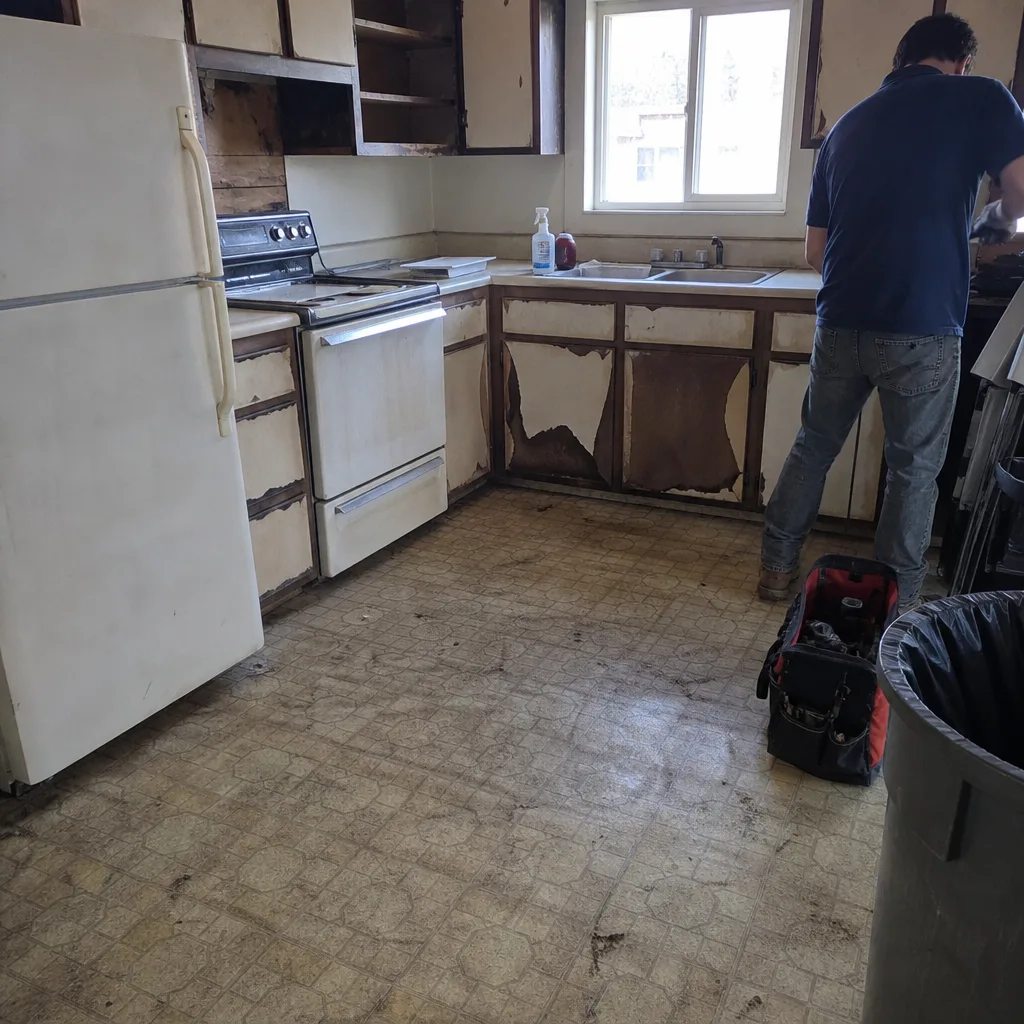 Before
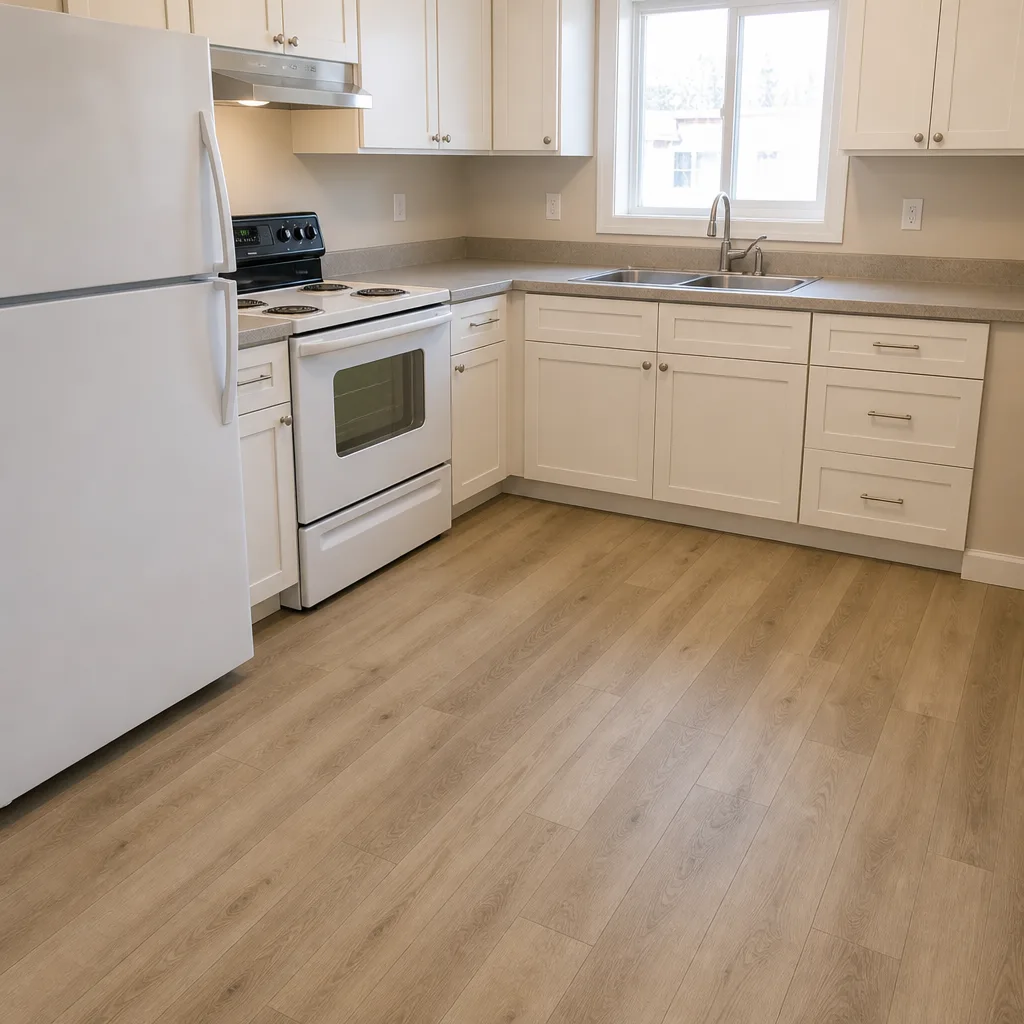 After
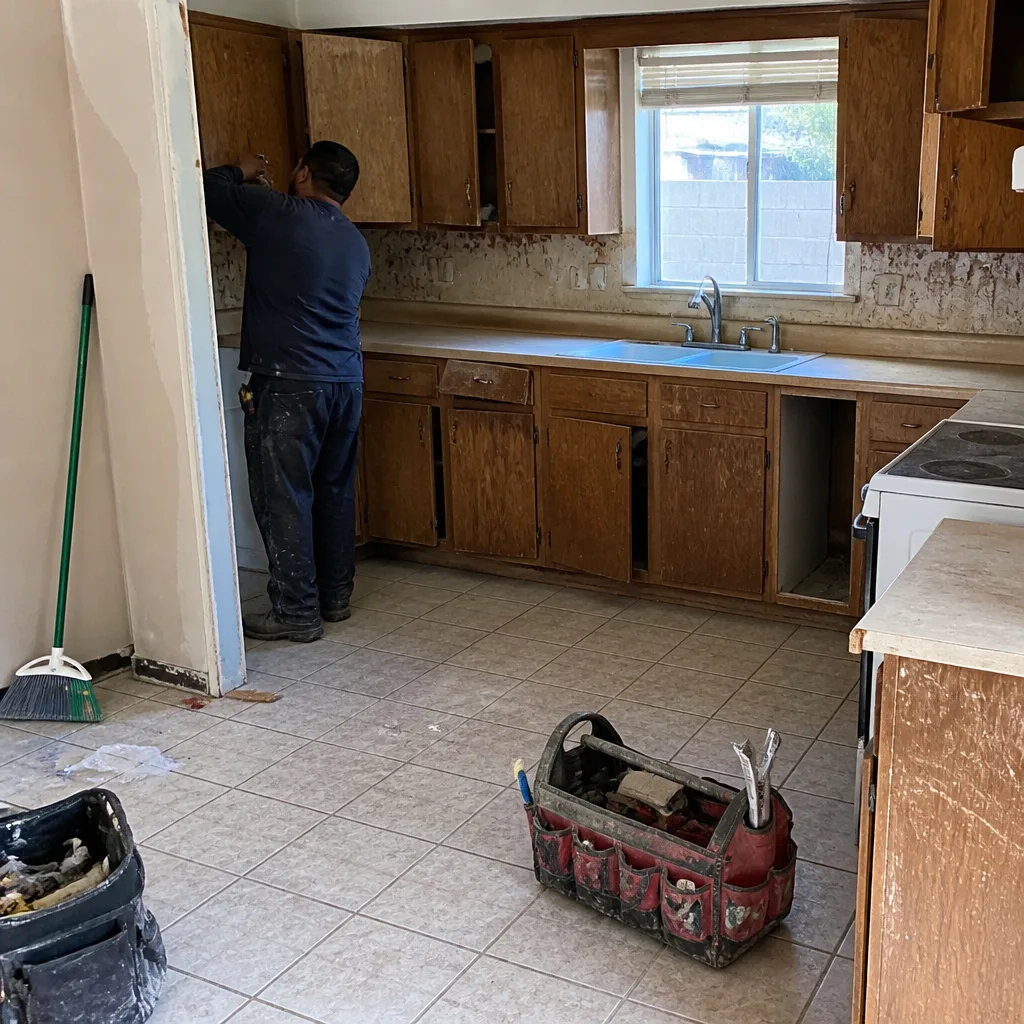 Before
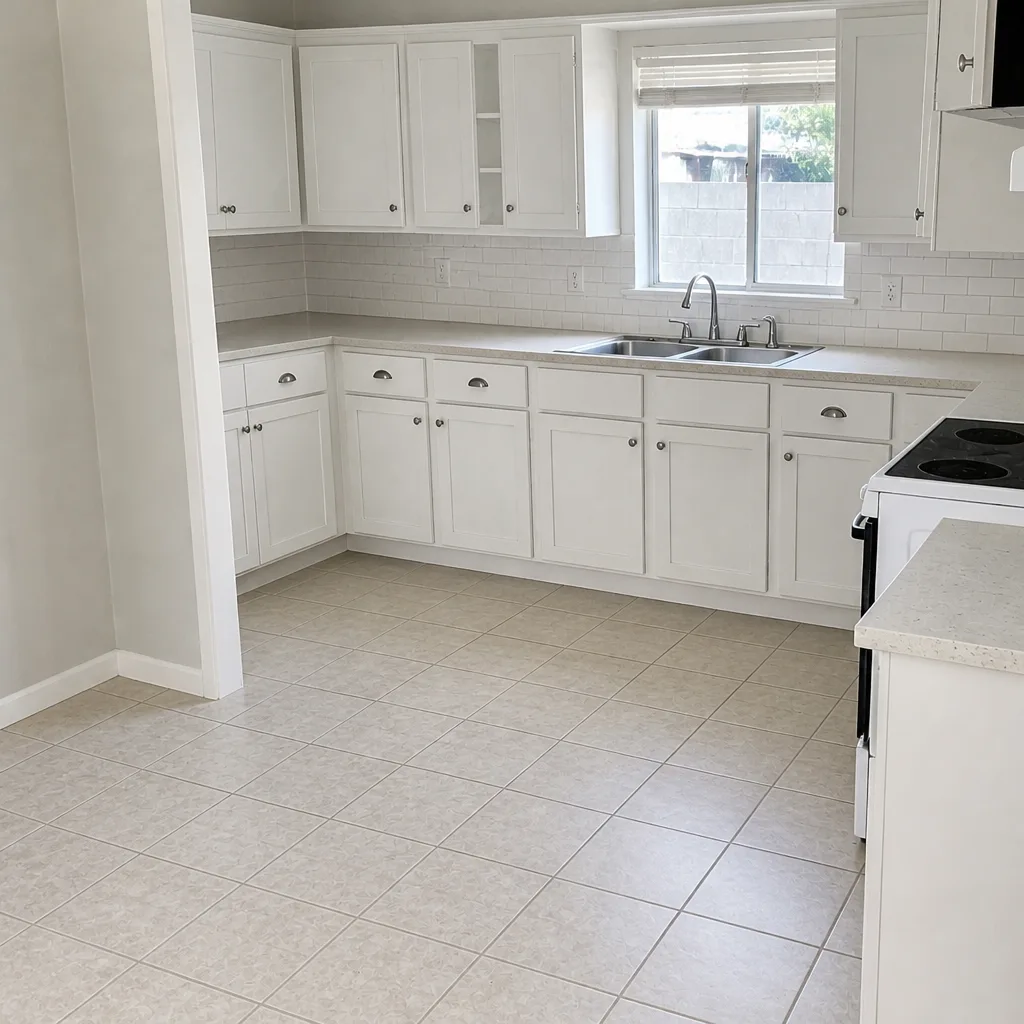 After
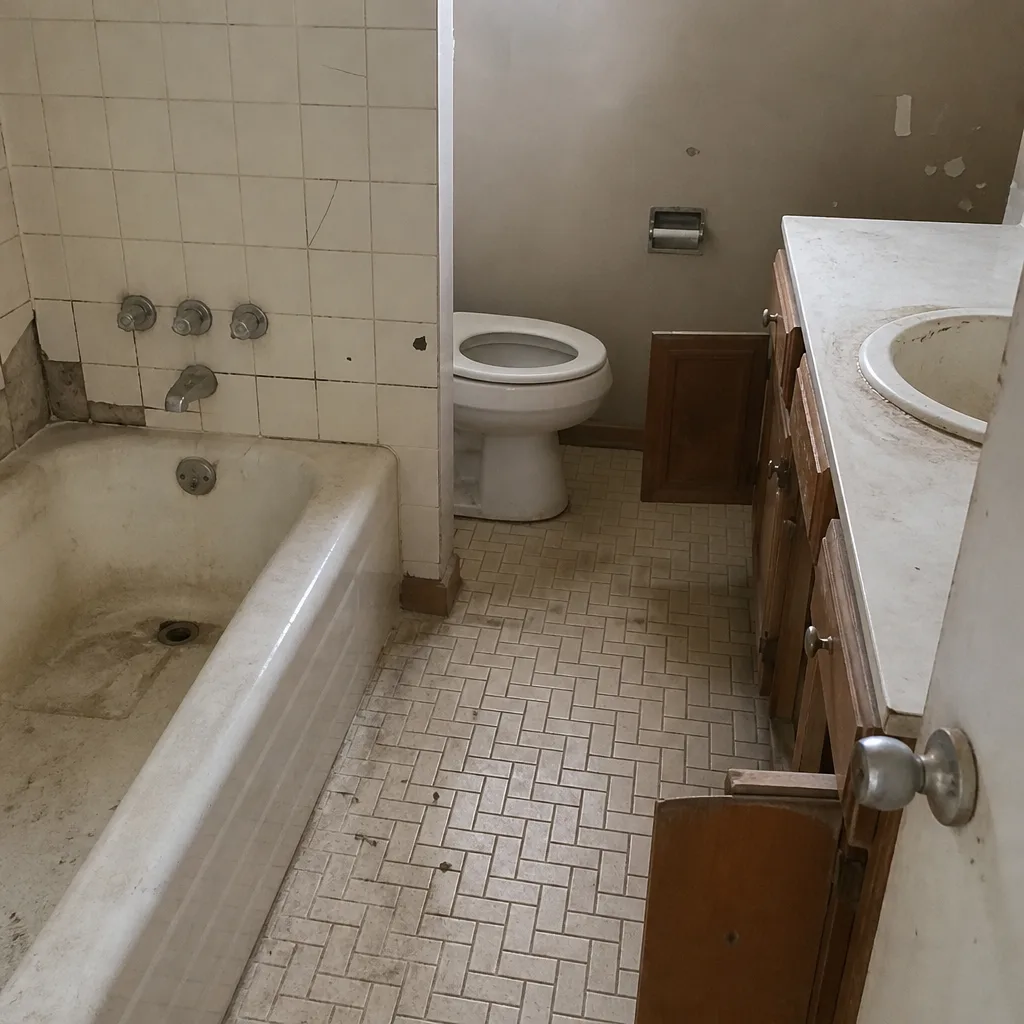 Before
 After
When to Call a Professional
Most fences aren’t a good do-it-yourself candidate, and we’ll say that plainly. Call us if any of these apply: the fence runs over slopes, caliche, or rocky ground; the property line or corner is unclear and you need a survey-verified layout; the fence is over 6 feet and needs a county permit; there’s an existing fence to tear out and haul; you’re installing a gate or a drive gate and need hinges and hardware that actually hold; or you live in an HOA subdivision with architectural review. Fence Installation in Paradise from Barrett & Sons Construction Paradise starts with a free estimate on your actual property – we walk the line, check the terrain, and quote the permit and 811 work as part of the scope. Call (855) 596-7029 to schedule yours.
Frequently Asked Questions
Most residential fence projects in Paradise take 1 to 3 weeks from signed contract to final inspection, with 2 to 5 of those days being crew work. The rest is utility marking, permit review, material lead time, and concrete cure. Call (855) 596-7029 for a free estimate on your property.
Nevada requires utility lines to be marked before any post is dug, and locators in unincorporated Clark County typically need 3 to 10 business days, longer on properties with private wells or old unmarked laterals. This step is legally required and non-negotiable, and it’s included in every project we run in Paradise.
Yes, if the fence is over 6 feet tall, on a corner lot, on a retaining wall, or in a front yard. Clark County permits run through a separate review queue than Henderson or North Las Vegas, so timeline expectations differ. We pull the permit and sign the final inspection on every eligible job.
The 811 utility marking wait and material lead time together usually take longer than the actual install. For ornamental steel or custom vinyl, material lead time alone can run 4-6 weeks, which is why the material should be chosen before you compare schedules.
No. A real fence project requires utility marking, permit review where required, post setting, concrete cure (24-72 hours), and panel and gate installation. Anyone quoting a single-day finish is either skipping steps or describing only the visible install.
At least 24 hours before rails, and 48 to 72 hours before full panel and gate loads, depending on weather and concrete mix. Attaching panels before cure is the most common reason fence posts lean within a year. We build the cure window into every schedule.
The Bottom Line
The fence itself goes up fast. The calendar around it doesn’t. Budget 1 to 3 weeks for a typical Paradise project, 4 to 6 for anything complex – large lot, slope, multiple gates, or long-lead materials. The three things most quotes leave out are the 811 utility-marking wait, the concrete cure window, and the gap between crew pack-up and county inspection sign-off. Ask about all three before you sign. A permitted, properly cured, inspection-signed fence is a fence that stays straight for years. A fast one usually isn’t.
If you’re ready to see what your actual project timeline looks like, we’ll walk the property with you. Barrett & Sons Construction Paradise handles fence installation, hardscape, and roofing across the area, and we’ll quote the whole scope – permits, 811, cure, and inspection – in writing. For a free estimate, call (855) 596-7029. You can also read more about Barrett & Sons Construction Paradise home, our Driveway & Pavers in Paradise work, and Home Additions & ADU in Paradise projects. Related reading for the trades we handle: window and door replacement timelines line up with the same permit-and-cure logic we’ve covered here, whichever premium systems you choose.
Written by the team at Barrett & Sons Construction Paradise.