Last updated November 18, 2026



Free written scope consultation - allowances, timeline, and change-order rules on paper before a single trade is scheduled
How Long Does Driveway & Pavers Take? Timelines and What to Expect
The paving itself takes two to three days. The part nobody tells you about – permit approval, base cure time, and polymeric sand set – adds up to three weeks minimum if you’re doing this right. Most Paradise homeowners quote the paving phase when they plan a driveway project, then get blindsided when the calendar rolls into a second month. We’ve watched that gap cause real headaches: cars parked on the street, kids’ bikes in the garage, a contractor who said “two weeks” now saying “next week” for the fourth time. This guide breaks down every stage, from the Clark County permit desk to the final sand set, so you know exactly when your car is in the driveway and when it isn’t.
Quick Answer
A paver driveway in Paradise typically takes 2 to 3 weeks from permit submission to final joint sand set, with 2 to 3 of those days being actual paving. If material lead time runs long or the Clark County permit queue backs up in spring, plan for 4 to 5 weeks. Base cure alone needs 3 to 7 days before pavers go down, and polymeric sand needs 24 to 48 hours of dry heat to set properly.
Styles & brands we work with
- Kitchen remodeling
- Bathroom remodeling
- Home additions & ADU
- Roofing
- Windows & doors
- Driveway & pavers
- Fence
Table of Contents
- The Six Phases of a Paver Driveway Project
- Why Clark County Permit Timelines Vary by Season
- How Paradise Heat Affects Polymeric Sand Cure Time
- What “We’ll Start Monday” Actually Means in Construction Scheduling
- The One-Car-Garage Scenario: How Good Contractors Phase the Job
- Material Lead Times and Brand Availability
- Building a Realistic Commitment in Writing
- Common Mistakes to Avoid
The Six Phases of a Paver Driveway Project
Every paver driveway breaks into six phases. Skip one or rush one, and the driveway will show it within a year – especially in Paradise, where summer surface temps push 150°F and freeze-thaw swings in January start working on any weak spot in the base.
- Permit submission (3 to 10 business days). Clark County reviews driveway and right-of-way permits on a queue, and any work that touches the sidewalk apron or the public right-of-way needs sign-off before a shovel hits dirt. Give the permit desk a full week as your baseline.
- Material lead time (3 to 14 days). Standard colors in Tremron or Cambridge Pavers usually pull from regional stock in a few days. Specialty colors, tumbled finishes, or Techo-Bloc blends can run two weeks. Order before demo so the pavers are staged and ready when the base is cured.
- Demo and haul-off (1 to 2 days). Breaking out the old concrete or asphalt and hauling it off takes a day for a standard two-car drive, two if there’s rebar or a thick pour underneath.
- Base work and cure (3 to 7 days). This is the phase that makes or breaks a paver driveway. Class II base, compacted in 2-inch lifts, then allowed to settle. In Paradise’s caliche-heavy soil, we sometimes need to over-excavate and re-compact, which adds a day. Skipping cure here is the single most common cause of paver settlement we get called to fix.
- Paving (2 to 3 days). Laying the pavers, cutting edges, and setting borders. A 500-square-foot drive is generally two days; anything over 800 square feet pushes into three.
- Polymeric sand set (1 to 2 days, plus cure). Sand goes into the joints, gets watered in, and needs dry heat to lock. See the section below on why this stage is where Paradise crews either earn their reputation or lose it.
Add it up: three weeks is a normal, well-run Paradise driveway project. Two weeks means somebody cut a corner. Four to five weeks is possible without anyone doing anything wrong.
Why Clark County Permit Timelines Vary by Season
Clark County’s permit desk is not slower in spring because the staff is slow. It’s slower because everyone in the valley decides to pour concrete and lay pavers in March and April, right before the heat hits. The queue reflects demand. A permit that clears in 3 business days in November can take 8 to 10 in April.
Build that into your planning. If you want the driveway done by Memorial Day, submit the permit application in February. If you’re fine with a fall install, submit in August and enjoy faster turnaround and cooler working weather. Paradise sits at higher elevation than the Las Vegas valley floor, which means slightly cooler summers and colder winters – a real factor in when crews prefer to schedule base work and sand set.
Also worth knowing: any change to the driveway apron or the transition to the public sidewalk needs a right-of-way permit through Clark County Public Works, not just a standard residential permit. Contractors who tell you permits are optional on a driveway replacement have either misunderstood the scope or are hoping you won’t ask. Every eligible job at Barrett & Sons pulls the permit and signs the inspection – and that inspection is on your side, not ours.
How Paradise Heat Affects Polymeric Sand Cure Time
Polymeric sand needs 24 to 48 hours of dry conditions after watering to cure properly. In Paradise, that cure window gets complicated by two things: surface heat and afternoon wind.
A paver surface in direct July sun reaches 140°F to 150°F by early afternoon. Water applied to activate polymeric sand evaporates faster than it can penetrate the joint, meaning some joints cure loose and wash out with the first monsoon rain. The fix is simple and non-negotiable: crews should sand set in the morning, water thoroughly, and stay off the surface until the next full day. On days forecast above 105°F, the smarter move is to sand set late in the day and let it cure overnight.
We’ve seen the alternative. Driveways that looked fine in August start showing joint erosion and weed growth by spring because the sand never fully locked. That’s a contractor who rushed a step to get to the next job, and it costs the homeowner a re-sand within 18 months. If your crew sands and drives off the same afternoon, ask them what happens to the cure.
What “We’ll Start Monday” Actually Means in Construction Scheduling
“Monday” is a real thing, but it’s rarely the Monday you pictured. Here’s what’s actually happening behind that promise:
- Weather holds. Base work can’t proceed in rain, and Paradise gets sudden winter storms that push schedules 2 to 4 days.
- Prior job overruns. A crew that told the last homeowner “two weeks” and ran to three is now behind on yours before your driveway is even demoed. This is the most common reason for “Monday” becoming Wednesday.
- Material not yet on site. If the pavers haven’t hit the staging area, the crew can’t lay them regardless of what the calendar says.
- Inspection windows. After base compaction, a Clark County inspector has to see the work before pavers go down. Depending on scheduling, that inspection can add a day or two.
To get a real commitment, ask for written start and finish dates in the contract, with the material delivery date listed too. A contractor who won’t put dates on paper is telling you something. Every scope, every allowance, and every schedule change at Barrett & Sons goes in writing before work happens – because the allowance that isn’t on paper is a surprise waiting for a date.
The One-Car-Garage Scenario: How Good Contractors Phase the Job
A lot of Paradise homes have a single-car garage and a tight driveway apron. If your driveway is your only access, a full replacement means you can’t park for three weeks. Good scheduling fixes this.
The cleanest approach is to phase work so half the driveway is usable while the other half is under construction. Concretely:
- Phase 1 (Days 1 to 10): Demo and rebuild the outermost half, ending at the garage apron. Homeowner parks on the new base or a temporary gravel pad by the sidewalk.
- Phase 2 (Days 10 to 18): After the outer half is paved and the polymeric sand has cured, driveway access reopens. The inner half (up against the garage) gets demoed and paved.
- Final phase (Days 18 to 21): Sand set on the finished section, cleanup, walkthrough.
This phasing takes about the same total calendar time as a single-pour job but keeps you parked on your own property the whole way. It costs slightly more in mobilization time, and honest contractors will tell you that up front instead of burying it in a change order.
If you have a two-car garage or a wide apron, single-phase install is fine and faster. If you’re tight on parking, ask specific questions before signing: which half gets done first, where do I park, and which day is my driveway back?
Material Lead Times and Brand Availability
Paver availability is unpredictable in Southern Nevada because most product flows in from regional distribution. A quick reference by material type:
- Standard colors and shapes (Tremron, Cambridge Pavers): 3 to 5 business days from regional stock.
- Specialty finishes and blends (Techo-Bloc, Oldcastle premium lines): 7 to 14 days, sometimes more if the specific blend is backordered.
- Border and accent materials: Add 3 to 5 days if you want a contrasting edge course.
- Base materials (Class II aggregate, bedding sand): 1 to 2 days, sourced locally.
Order materials before demo begins. If the pavers arrive after the base is cured but before they’re needed, the whole job stays on schedule. If the crew is still waiting for a truck on day 14, that’s a scheduling failure, not a supplier problem – it was knowable.
When you’re ready to talk through material options and see samples, our Driveway & Pavers in Paradise page covers styles, edge details, and what holds up best in Paradise heat.
Building a Realistic Commitment in Writing
The single best protection against a project that stretches into month two is a written schedule. Ask for three things before signing:
- Written start date. Not “week of,” an actual date.
- Written milestones. Demo date, base-complete date, paving date, sand-set date. Milestones let you check progress honestly instead of guessing.
- Written change process. If the schedule slips, how much notice, and what happens to price? A fair contract says slip days cost nothing unless the homeowner caused them.
Everything on our end goes in writing before work begins, and every price change arrives as a written change order before a paver moves. That’s not just polite; it’s the only way a homeowner can hold a crew to a calendar.
Common Mistakes to Avoid
- Believing “two-week” timelines. If a contractor quotes two weeks on a full paver driveway including base cure, they’re cutting somewhere. Realistic is three weeks minimum.
- Skipping the permit. A driveway that touches the public right-of-way without a Clark County permit can become a title problem at sale. The inspector works for you – use that.
- Paving over uncured base. Base needs compaction and settle time. In Paradise caliche, sometimes a full day more than the contractor planned. Push back if they’re rushing past this step.
- Rushing polymeric sand in July. Sand set at midday in 105°F heat cures unevenly and washes out by winter. Insist on early morning or evening application.
- Not asking about parking. If your driveway is your only parking, get the phasing plan in writing before demo day.
- Signing a scope that leaves out edge restraints. Missing or underbuilt edge courses are the number one cause of paver spread we see. Confirm the border detail is in the scope.
- Accepting verbal-only scheduling. “We’ll be there Monday” with no date on the contract is worth what you paid for it.
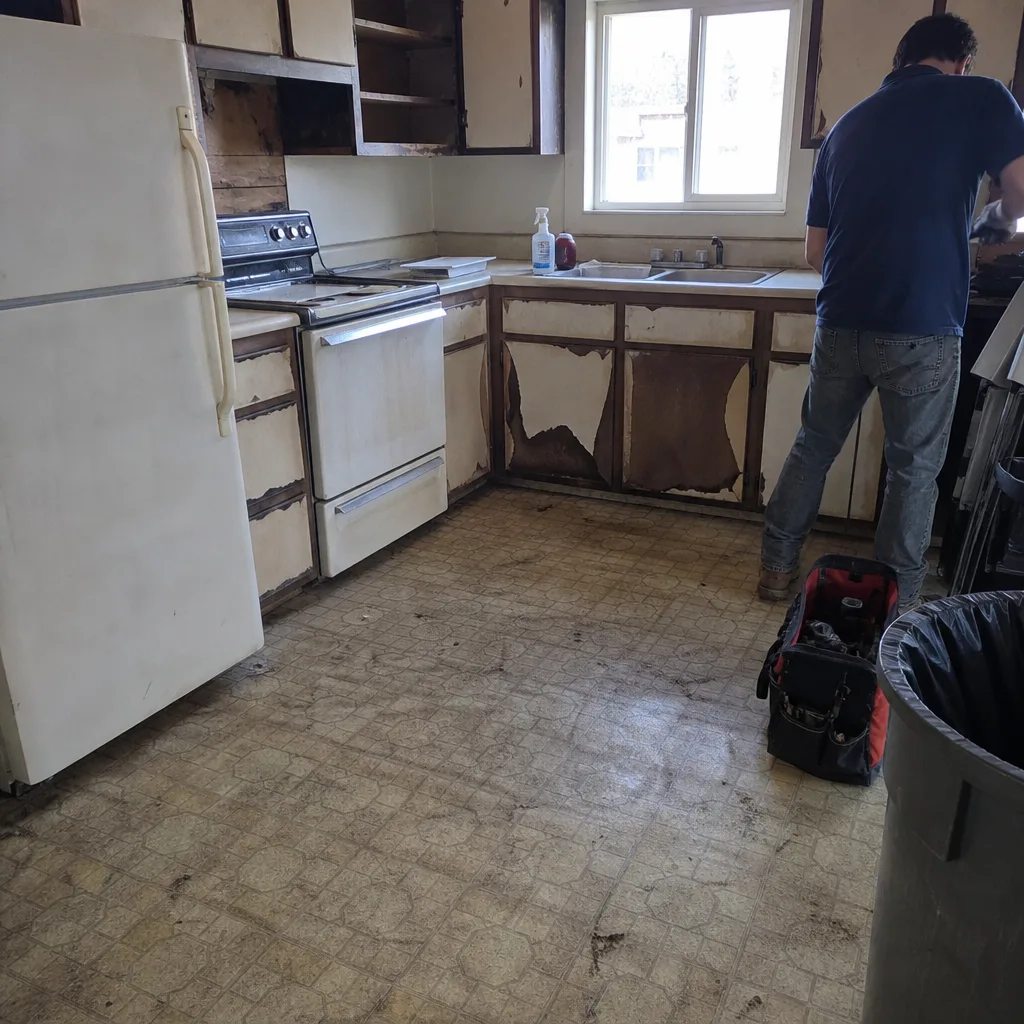
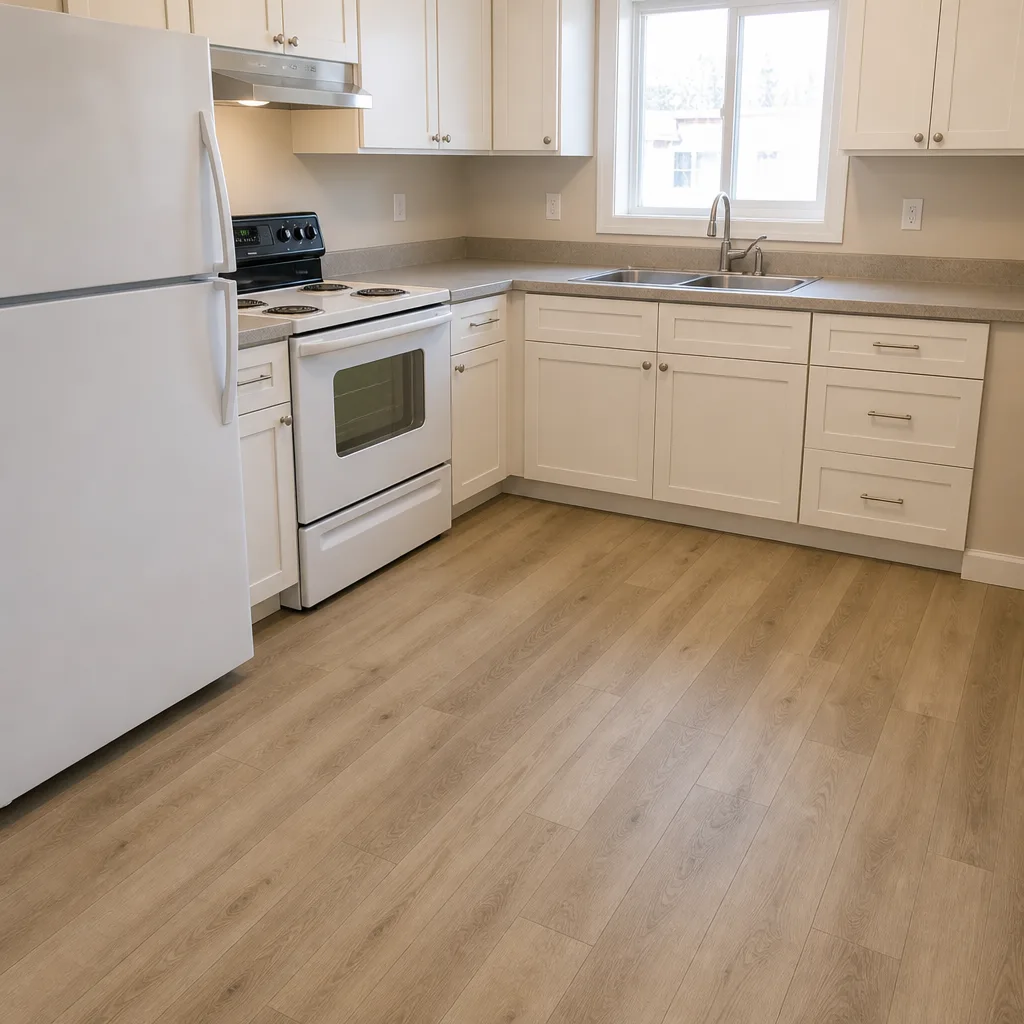
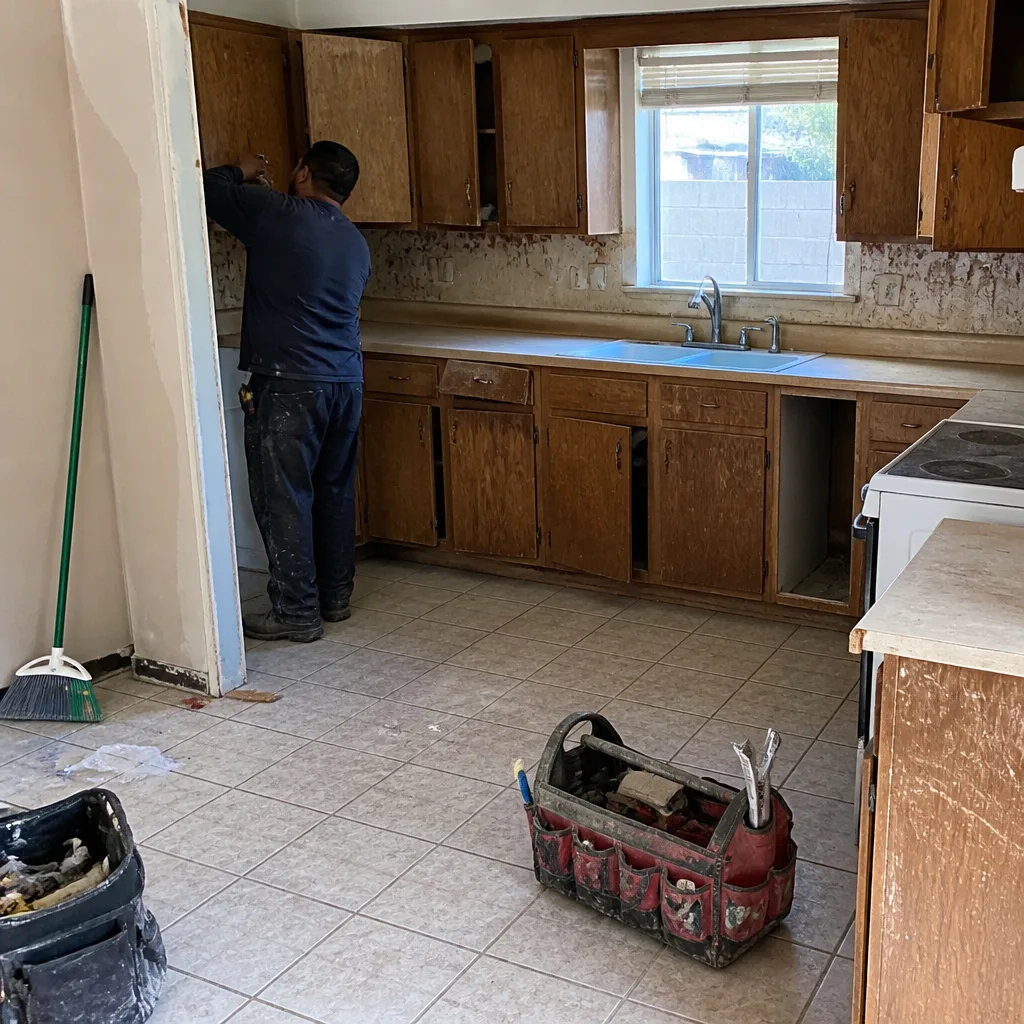
See the difference
 Before
 After
 Before
 After
 Before
 After
When to Call a Professional
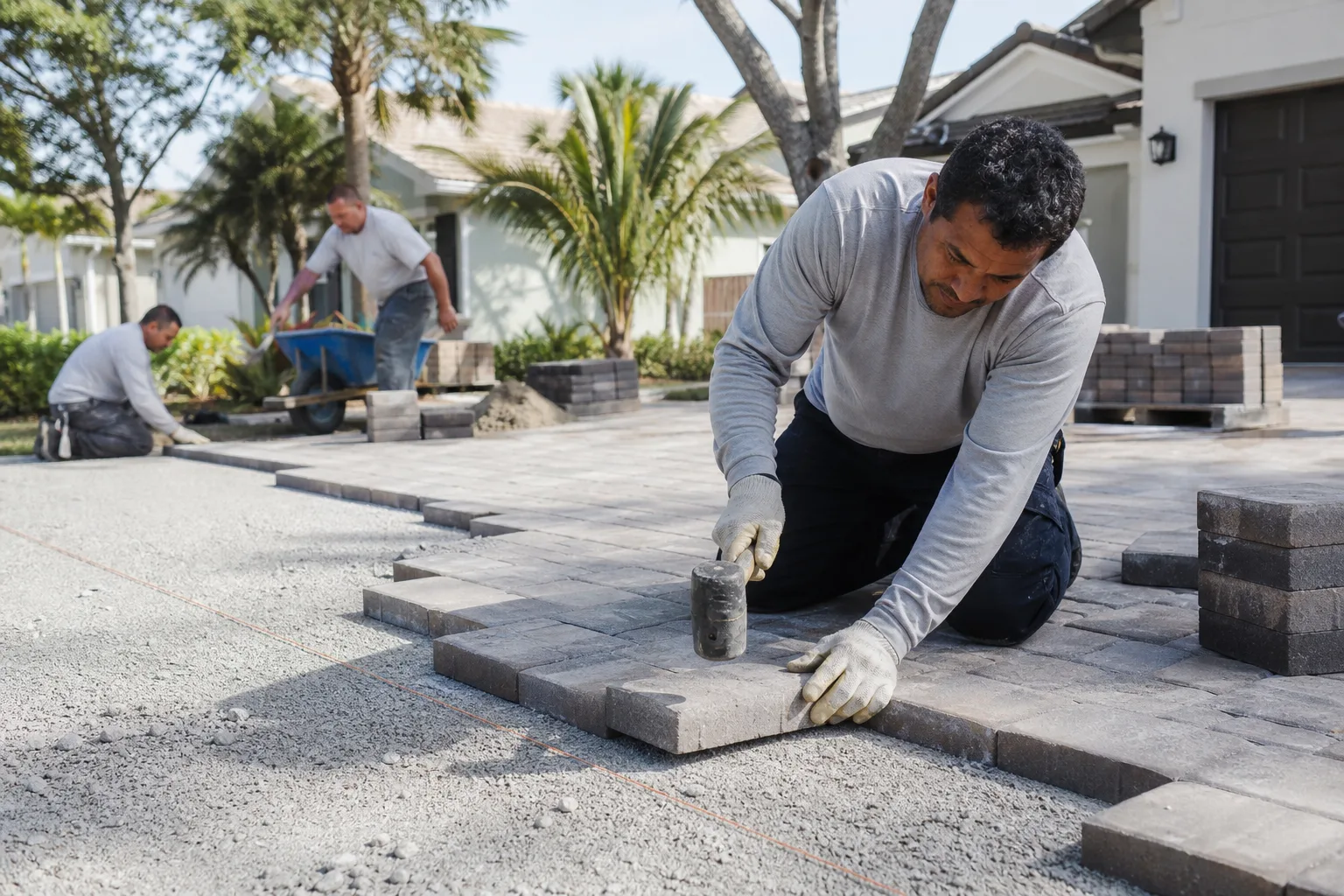
DIY paver work looks achievable on a weekend video, but three factors make it genuinely difficult in Paradise: caliche-heavy soil that requires proper over-excavation, base compaction that needs equipment most homeowners don’t own, and the permit and inspection chain that has to happen in the right order. If you’re replacing a full driveway, dealing with caliche, working near a public sidewalk, or want polymeric sand to actually cure, hire it out.
We also get called to fix failed installations – usually settlement, edge spread, or sand washout at 12 to 18 months. If your current driveway shows any of those signs, a second opinion is the cheapest next step. Barrett & Sons Construction Paradise offers free estimates in Paradise – call (855) 596-7029. We’ll walk the driveway, talk through realistic timing, and put the whole scope in writing. Our technicians have up to 28 years of experience on jobs like yours, and every eligible job pulls permits and signs inspections.
Related projects often move alongside a driveway replacement: repairing a boundary fence, adding a covered patio, or an ADU project that changes driveway access. We handle all of that in-house. Take a look at Fence Installation in Paradise and Home Additions & ADU in Paradise if you’re planning more than one project at once, and start at our Barrett & Sons Construction Paradise home page for the full picture.
Frequently Asked Questions
No honest contractor can install a paver driveway in one week if base cure, permit, and polymeric sand set are done correctly. Paving alone is 2 to 3 days, but you need 3 to 7 days of base settle before pavers go down, plus permit review and material staging. A true one-week job means somebody is skipping cure or inspection.
Cost depends on square footage, edge detail, and material choice, and pricing varies by season and brand. We give written line-item estimates on every job – no phone quotes, no surprises. Call (855) 596-7029 for a free estimate and a realistic timeline in writing.
Pavers themselves handle Paradise heat fine; what suffers is the polymeric sand and the base if either is rushed. Sand set on a cool morning, watered properly, and left to cure overnight will hold up through summer. Sand set at midday in July often doesn’t.
Yes, if the driveway touches the public sidewalk, apron, or right-of-way. Clark County Public Works handles right-of-way permits, and residential driveways use a separate permit path. We pull permits on every eligible job and sign the inspection. Ask any contractor to show you their permit process before hiring.
Timing depends on permit queue and material lead time, typically 2 to 4 weeks from signing to demo day. We put the actual start date and milestone dates in the contract so you’re not waiting on a verbal promise. Call (855) 596-7029 to walk through your timeline.
We phase the job so half the driveway stays usable while the other half is under construction. You’ll be parked on your own property for most of the project. Ask about phasing during the estimate – it belongs in the written plan, not as an afterthought.
The Bottom Line
Paver driveways in Paradise take three weeks from permit to final sand set when the job is done right – two to three days of actual paving wrapped in a schedule that respects base cure, polymeric sand cure, and Clark County permit timelines. The number to distrust is two weeks. Build in the permit queue in spring, ask for phasing if you’re parking-limited, and get every date in writing before you sign. Do that, and you’ll know exactly when your car is in the driveway and when it isn’t. Backed by our 90-Day Done Right Promise on every job, every scope, every price change in writing before it happens.
Ready for a real timeline and a written estimate? Call (855) 596-7029 – we answer with a live person 24 hours a day, seven days a week. Free estimates on every driveway project, and no trip charge inside the county.
Written by the team at Barrett & Sons Construction Paradise.