Last updated November 18, 2026
Free written scope consultation - allowances, timeline, and change-order rules on paper before a single trade is scheduled
Home Additions & ADU Troubleshooting: Common Problems and How to Fix Them
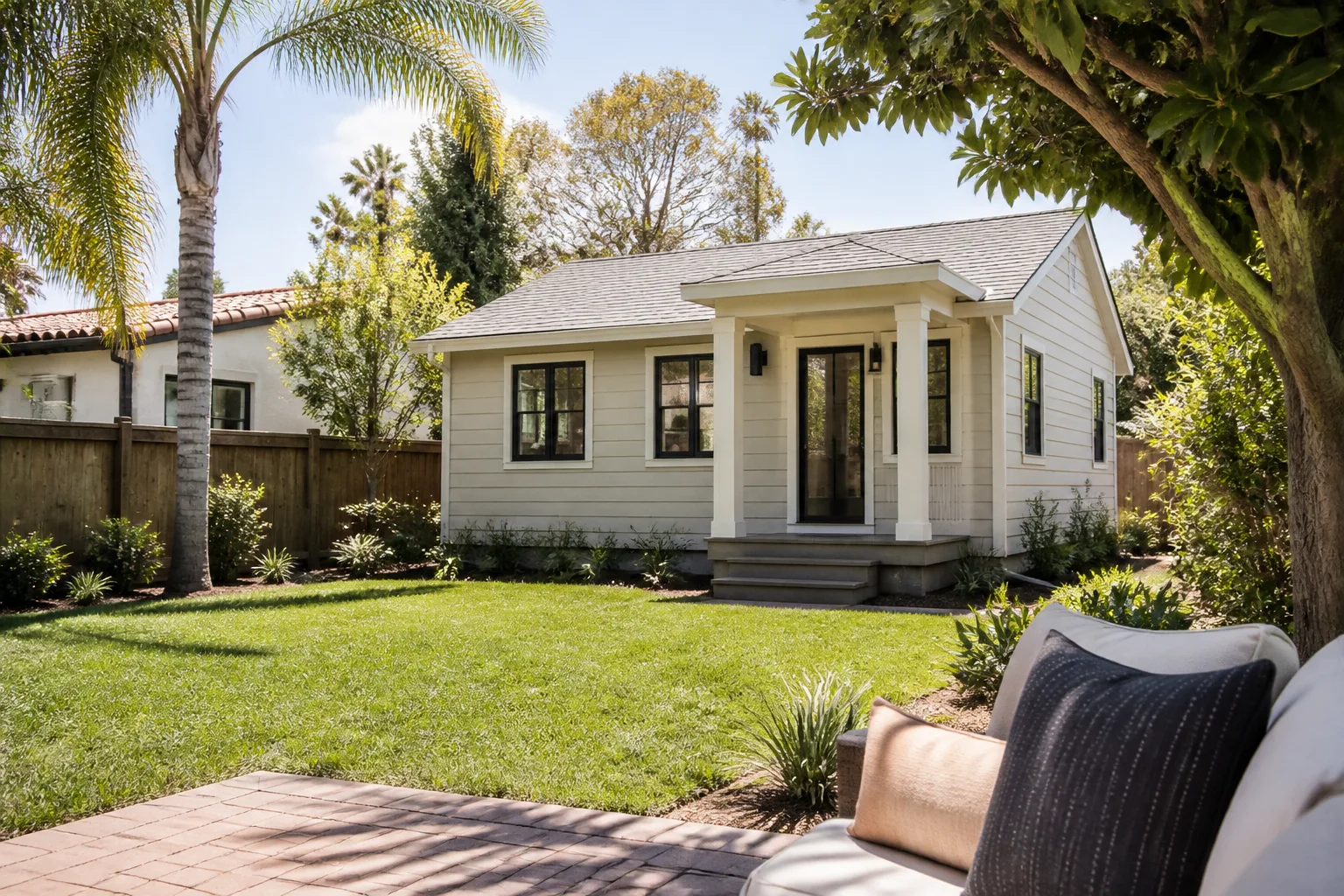
The number-one reason an ADU addition fails final inspection in Clark County isn’t bad framing. It’s an electrical panel that was never upgraded to handle the added load, something the original contractor marked “existing, adequate” on the permit drawings without ever putting a meter on it. We’ve walked into Paradise homes where the new 800-square-foot casita worked fine for a year, then started tripping the main every time the dryer ran. Most addition problems don’t show up at move-in. They surface 6 to 18 months later, when the drywall cracks, the new HVAC zone can’t hold temperature, or an inspector flags an unpermitted connection during a home sale. This guide works backward from those failure points so you can spot trouble early and know what a fix actually involves.
Quick Answer
Most home addition and ADU problems trace to one of five sources: an undersized electrical panel, a duct system sized without a proper Manual J load calculation, moisture at the roof connection where new meets old, foundation settlement that wasn’t engineered for desert soil, or work done without permits. Diagnosing which one you’re facing starts with the symptom, not the wall. A breaker that trips under normal load points to the panel. A room that runs hot in July and cold in January points to the duct design. Staining at the roofline points to flashing. Each has a known fix and a realistic price range, and fixing the cause is almost always cheaper than repairing the damage after it spreads.
Styles & brands we work with
- Kitchen remodeling
- Bathroom remodeling
- Home additions & ADU
- Roofing
- Windows & doors
- Driveway & pavers
- Fence
Table of Contents
- Foundation settling cracks vs. structural cracks
- HVAC short-cycling and temperature imbalance
- Moisture intrusion at the new-to-existing roof connection
- Unpermitted ADUs and what happens at a home sale
- Electrical overload symptoms in additions
- Navigating the Clark County permit and inspection process
- When to call a professional
How Do You Tell Foundation Settling Cracks From Structural Cracks in a New Addition?
Hairline cracks in the drywall or a gap under a new baseboard usually mean normal settling, not a structural failure. Cracks wider than a quarter inch, cracks that run diagonally from a corner of a door or window, or any crack where one side sits higher than the other are the ones that need an engineer’s eyes. The distinction matters because it decides whether you’re watching a $300 drywall repair or a $15,000 foundation fix.
Paradise sits on soils that expand and contract with our monsoon swings, and an addition poured on a slab that wasn’t tied into the existing footing will move differently from the original house. That’s why the crack shows up at the joint between old and new. Here’s how we tell them apart:
- Settling: hairline, vertical, in drywall only, appears in the first 12 to 18 months, stops growing.
- Structural: wider than 1/4 inch, diagonal from a corner, doors and windows that suddenly stick, a floor that slopes more than 1/4 inch over 10 feet.
- Slab movement: cracks in the concrete floor itself that keep widening, or a visible gap where the addition meets the original slab.
For monitoring, tape a pencil line across the crack with the date written next to it, then check it again in 60 days. A crack that has moved past the line needs review. A crack that hasn’t moved in two months is cosmetic. Stabilizing expansive desert soil usually runs $3,500 to $12,000 depending on depth and linear footage, while cosmetic crack repair with proper taping and texture is $250 to $600 per area. Our technicians have up to 28 years of experience reading exactly this kind of movement, and it’s the reason every Home Additions & ADU in Paradise project gets a footing design that accounts for our soil, not a generic template.
Why Does My New Addition Never Hold Temperature?
If the addition runs 6 degrees hotter than the rest of the house in July, the problem is almost never the air conditioner. It’s the duct work. A contractor who sized the new ducts by eyeballing the square footage instead of running a Manual J load calculation will undersize the supply, and no equipment swap fixes that. In Paradise, where we hit 110 degrees for stretches, an undersized zone shows its weakness fast.
Symptoms that point to a duct or load calculation failure:
- The room heats up even when the thermostat reads the set point.
- The unit short-cycles, running in 5-minute bursts instead of longer pulls.
- One room cools fine while the addition never catches up.
- Airflow at the new registers feels weak compared to the original rooms.
The fix starts with a real load calculation. We measure window area, insulation values, ceiling height, and orientation, then size the ducts to match. Sometimes that means adding a return in the addition so the air actually circulates instead of pressurizing the room. Sometimes it means a dedicated mini-split for the new zone, which typically costs $3,000 to $7,500 installed. Rebalancing existing ducts with new dampers and a return runs $600 to $1,800. Replacing the equipment without fixing the design just buys you a newer short-cycling unit.
One thing that helps: the same window brands that keep us cool also reduce the load. We install Andersen and Marvin windows on additions because their glazing options cut solar gain in west-facing rooms, which is often the whole reason a Paradise addition can’t hold temperature in the afternoon. It’s cheaper to fix the envelope than to add tonnage.
Where Do Attached Additions Leak in the Southwest?
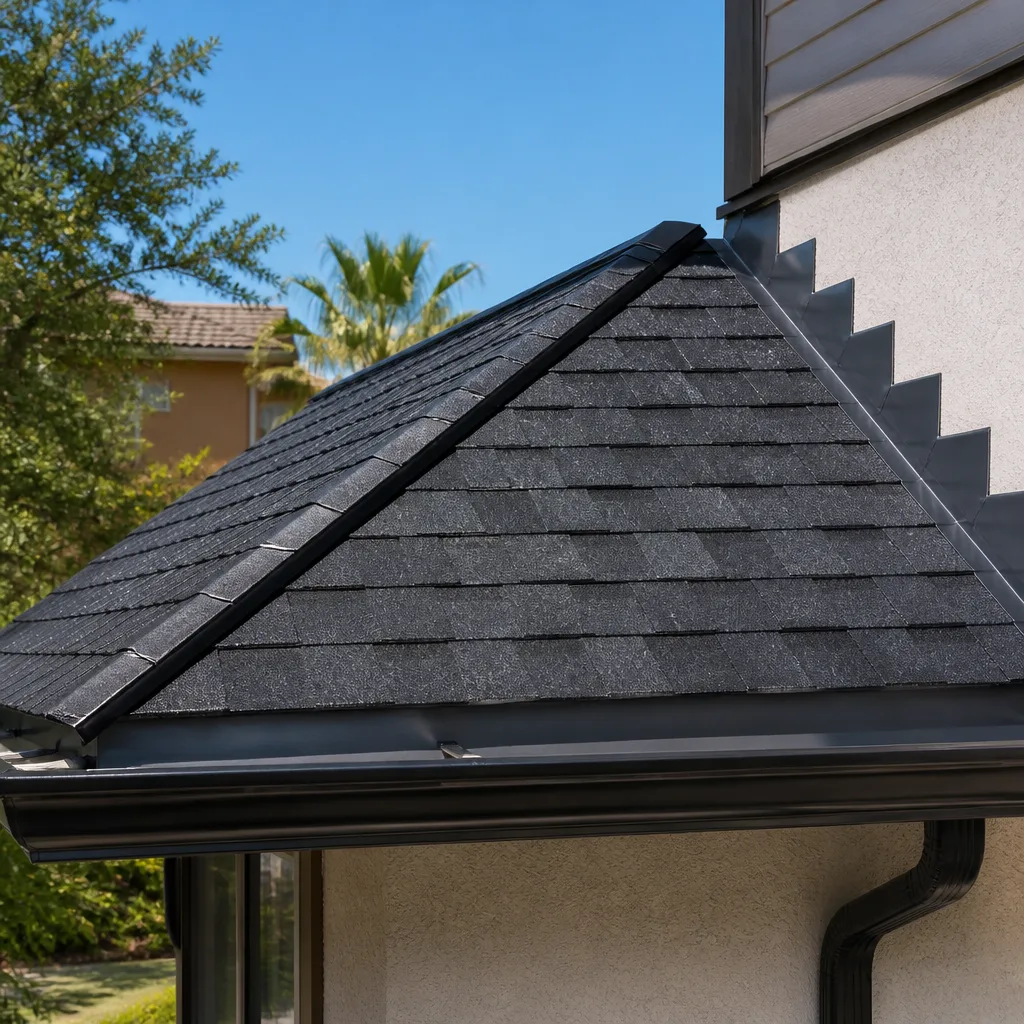
The roofline where the new addition meets the existing house is the single most common water intrusion point in desert additions. We see it constantly in Paradise: a brown stain on the ceiling of the new room, or a bubbling paint line on the wall nearest the old house. The problem is almost always flashing that was installed wrong, or step flashing that was never woven into the existing shingles.
Our climate makes this trickier than it sounds. We get long dry stretches followed by intense monsoon bursts, and a roof that sheds a light drizzle without trouble can back up under a monsoon downpour in minutes. Water finds the one spot the installer rushed.
Here’s what a proper repair looks like:
- Strip shingles back at the connection until you can see the actual flashing, not just the caulk over it.
- Install step flashing sized for the roof pitch, woven into each course of the existing shingles.
- Add a kick-out flashing at the wall base so water can’t run down the siding and behind the wall.
- Ice and water shield under the new courses at the junction, even in our climate, because wind-driven monsoon rain gets where a drizzle never does.
- Re-shingle with a matching GAF or CertainTeed product and photograph the finished connection before the ceiling goes back up.
Repairing a failed connection runs $800 to $2,500 if caught early. Replacing water-damaged drywall, insulation, and framing if it’s caught late can climb to $8,000 or more. If the flash of water is showing up after every monsoon, don’t paint over the stain; find the connection. Our full Barrett & Sons Construction Paradise home page lists the trades we cover, and roof-to-wall detailing is one of them.
What Happens When an Unpermitted ADU Surfaces During a Home Sale?
An unpermitted ADU will stall a home sale. The buyer’s lender won’t count the square footage, the appraiser can’t value it, and the city can require you to open walls for inspection or remove the structure entirely. In Clark County, this comes up most often with detached casitas and converted garages that were built without ever pulling a permit.
The good news is that retroactive permits exist. The process is called an as-built permit, and it lets you legalize work that’s already done by having it inspected as it stands. The path looks like this:
- Pull the permit records for the main house and confirm what was ever legally permitted.
- Hire a licensed electrician, plumber, and structural engineer to inspect and document the existing work.
- Submit as-built drawings to Clark County showing what’s actually there, not what was planned.
- Open walls at key points so the inspector can verify framing, wiring, and plumbing.
- Correct whatever fails and re-inspect.
- Close out the permit so the ADU shows as legal square footage for the sale.
Realistic cost to legalize an unpermitted ADU in Clark County runs $8,000 to $25,000, depending on what the inspection uncovers and how much wall has to come open. That’s before any corrections. The number is high enough that it belongs in your thinking before you buy a property with an unpermitted casita. If you’re facing this now, the earlier you start the permit process, the less it costs to fix.
Why Do My Breakers Trip When I Run Appliances in the New Addition?
Breakers tripping under normal load, or lights that dim when the dryer starts, point to a panel problem, not a wiring problem. The wires aren’t bad. The service panel never got upgraded to carry the added demand. When a contractor marks “existing, adequate” on the drawings without running a load calculation, the panel keeps its original capacity while the addition adds a 30-amp dryer, a 50-amp range, a mini-split, and a water heater. The panel was fine before; it’s overloaded now.
Symptoms of an overloaded panel in an addition:
- The main breaker trips when several large appliances run at once.
- Lights throughout the house dim when the new H-VAC or dryer kicks on.
- Breakers buzz or feel warm to the touch.
- AFCI and GFCI breakers trip repeatedly with no obvious fault.
This is a safety issue, not an inconvenience. An overloaded panel runs hot, and heat at the bus bar is how house fires start. A licensed electrician should do a load calculation on the whole house, then either upgrade the service to 200 amps or add a subpanel dedicated to the addition. Service upgrade runs $2,500 to $6,000 in Paradise, and a subpanel runs $800 to $2,000. We’re straightforward about this one because it’s the mistake that hides for a year and then fails inspection when you try to sell.
What Does the Clark County Permit and Inspection Process Actually Look Like?
An addition needs permits for the structure, the electrical, the plumbing, and the H-VAC. Skipping any one of those creates a problem that surfaces later, not sooner. In Paradise, the county’s online permitting lets you track the plan review and inspections as they happen, which is a useful thing to know because too many homeowners we talk to were told permits were optional.
Our process, and the one that’s worked for every addition we’ve handled, looks like this:
- Submit plans with the structural, electrical, plumbing, and H-VAC sheets as one package.
- Pass plan review, which typically takes two to four weeks depending on the county’s workload.
- Complete the pre-slab inspection before pouring foundation.
- Pass framing, rough-in electrical, rough-in plumbing, and rough-in H-VAC inspections before drywall.
- Pass the final inspection, which covers everything from smoke detectors to the panel labeling.
The permit inspector works for the homeowner, not for the contractor. That’s why we don’t mind them: the inspection is the independent check that the work holds up. Every eligible Barrett & Sons job gets permits pulled and inspections signed. Our Driveway & Pavers in Paradise and Fence Installation in Paradise projects go through the same discipline.
Common Mistakes to Avoid
- Trusting “existing, adequate” on the panel. If no one actually ran a load calculation before signing the drawings, the panel was assumed, not verified. Get it measured.
- Skipping the Manual J calculation. Sizing H-VAC by square footage instead of a real load calculation is why additions run hot in Paradise’s July afternoons.
- Caulking the roof connection instead of flashing it. Caulk fails within a year in our sun and wind. Step flashing woven into the shingles is what lasts through a monsoon.
- Building an ADU without permits to save money up front. Legalizing a casita later runs $8,000 to $25,000 in Clark County, plus any corrections, and stalls the sale until it’s done.
- Picking windows by look alone. A west-facing addition with single-pane glazing will bake no matter how good the air conditioner is, which is why we use Andersen and Marvin with solar-control glass.
- Repairing a crack before finding its cause. Patching drywall over active movement just delays the next repair, and sometimes doubles it.
- Accepting an unwritten allowance. In additions, an allowance that isn’t on paper is a surprise waiting for a date. Every scope and price change should arrive as a written change order before a single nail moves.
See the difference
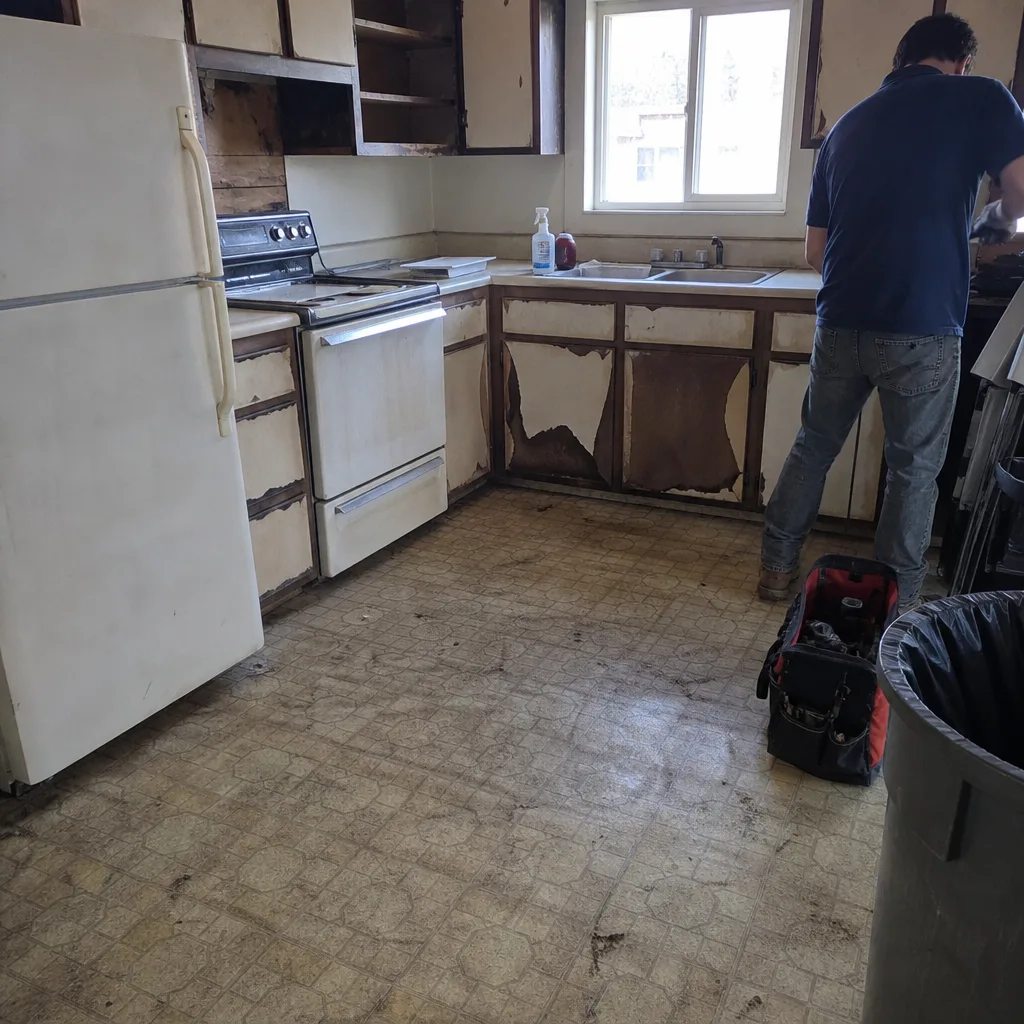 Before
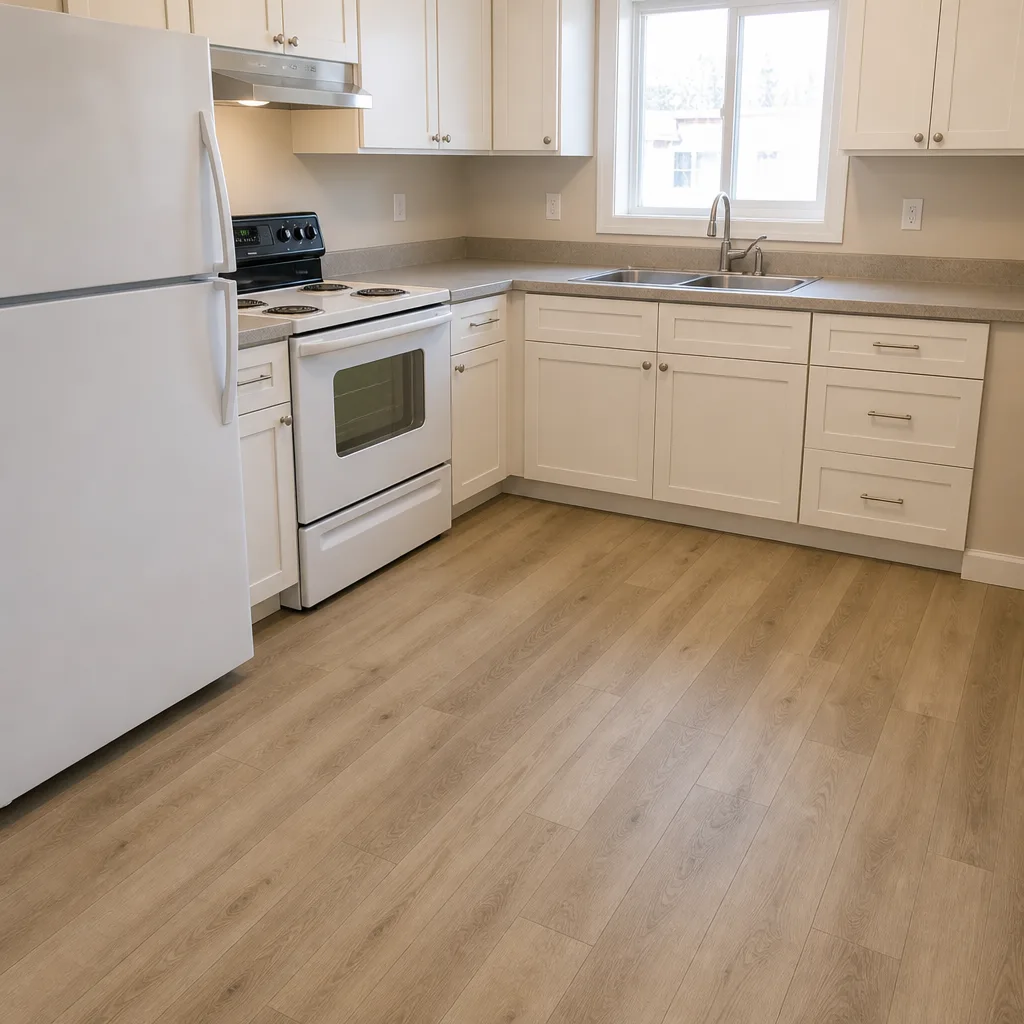 After
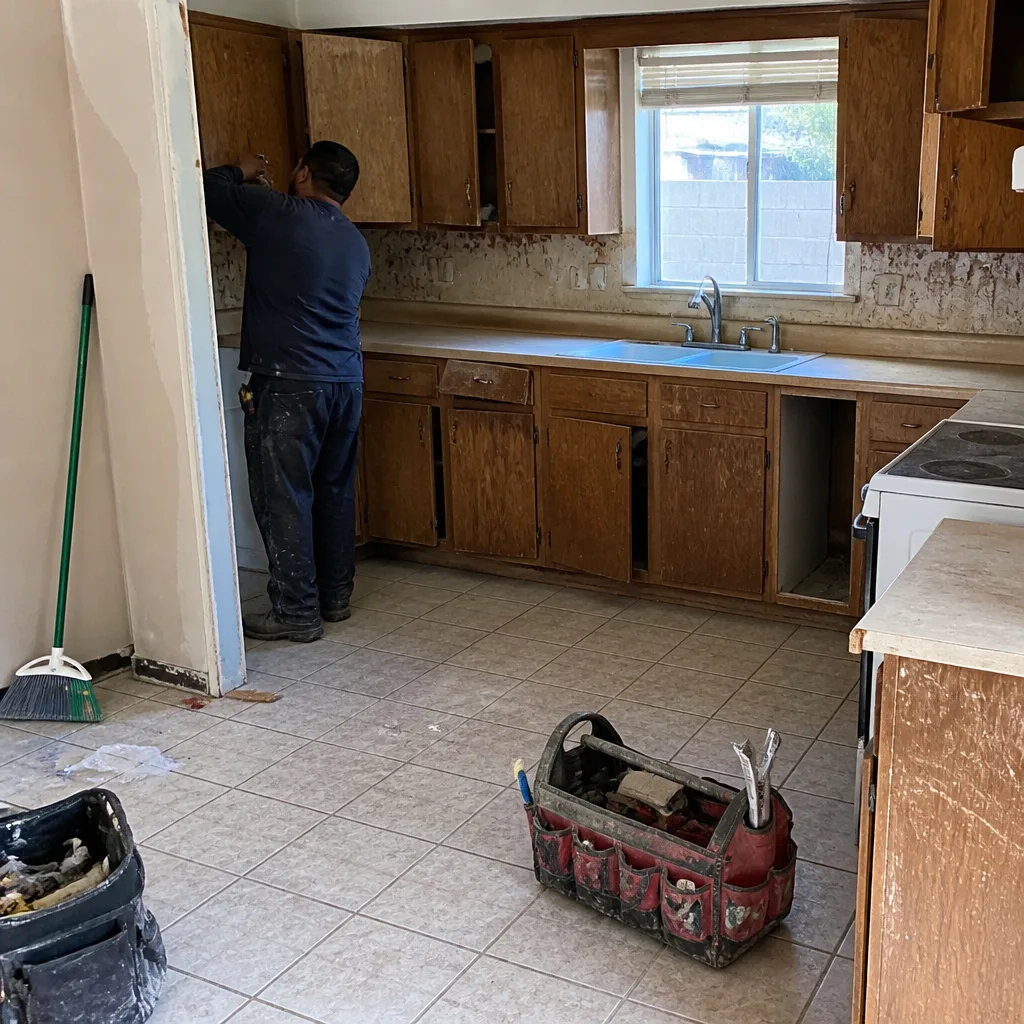 Before
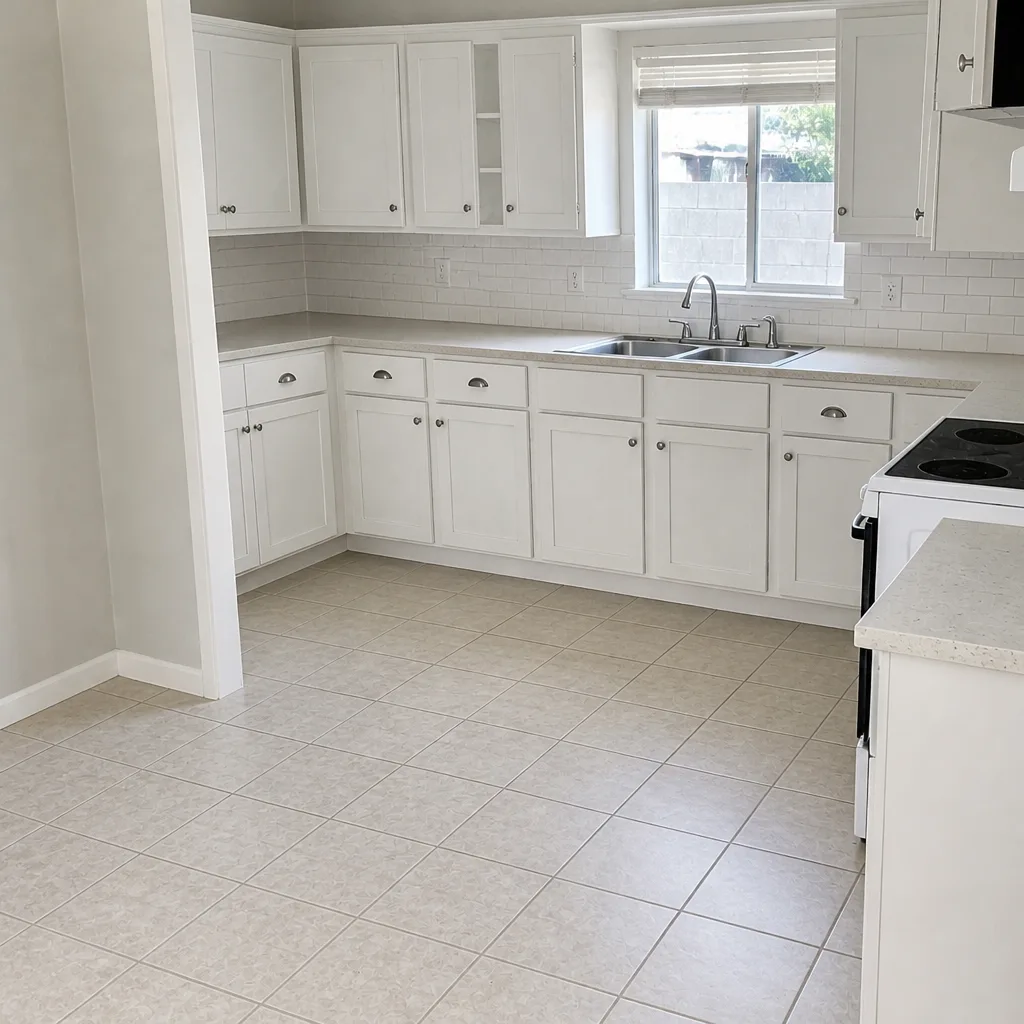 After
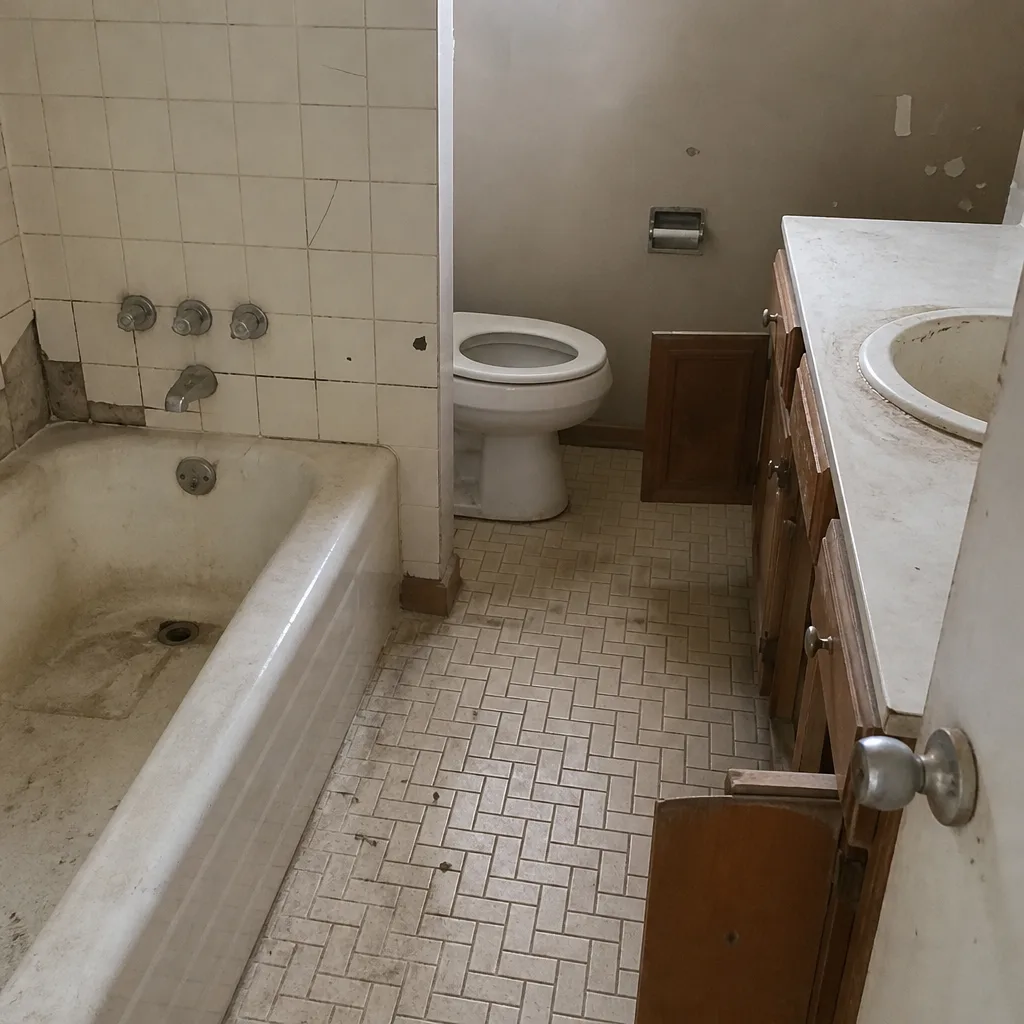 Before
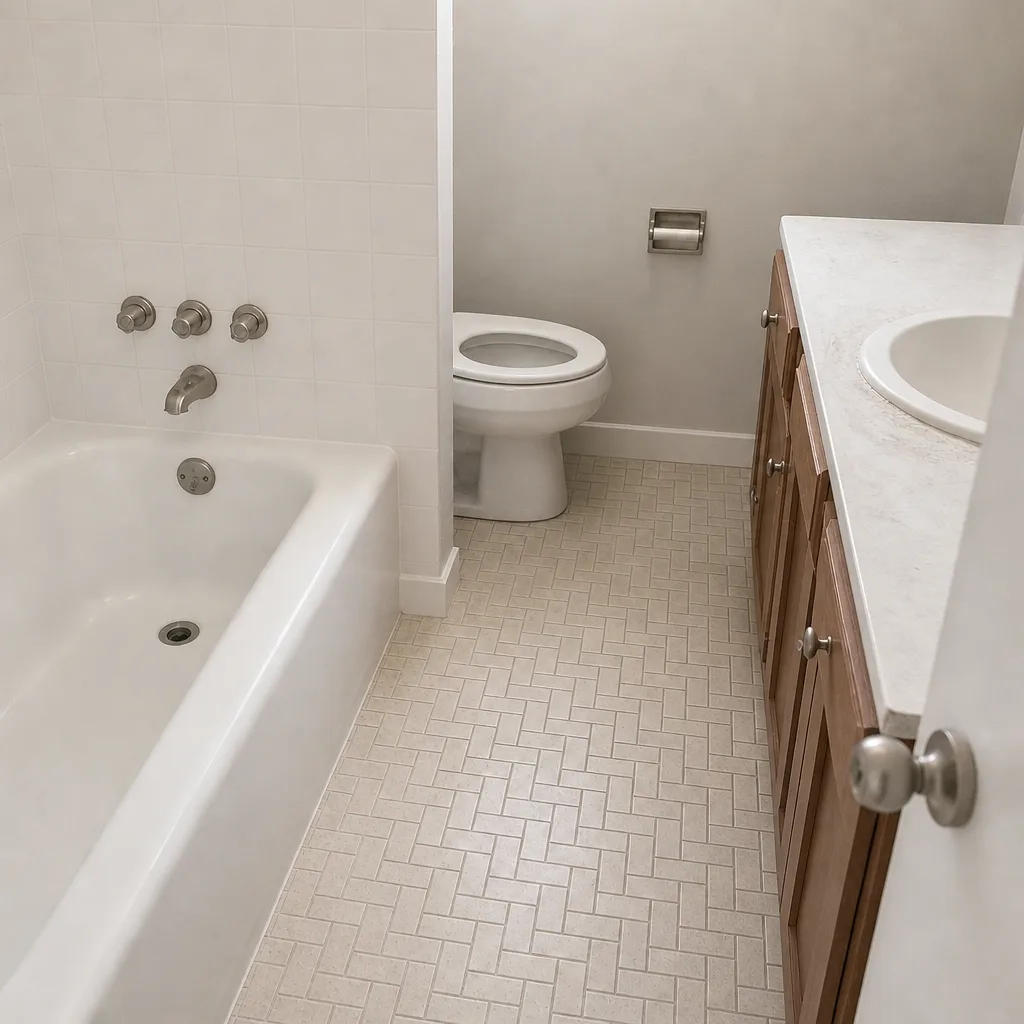 After
When to Call a Professional
Call a professional when a foundation crack is wider than a quarter inch or moving, when a breaker trips repeatedly under normal load, when water staining appears near the roofline, or when you discover the addition was built without a permit. Those are all situations where a wrong diagnosis costs far more than a proper one. A trained eye with the right instruments can tell normal settlement from structural movement and trace an overloaded panel back to its source without guesswork.
Barrett & Sons Construction Paradise offers free estimates in Paradise. We publish Tom Barrett’s name, address, and license number so you can look it up before you sign anything, and our 90-Day Done Right Promise is written on every contract. Calls reach a live person 24 hours a day, and a free second opinion on any written estimate is yours if you’ve already got one.
Frequently Asked Questions
Realistically $8,000 to $25,000, depending on what the as-built inspection uncovers and how much wall has to be opened for verification. Corrections after inspection are additional. Call (855) 596-7029 for a free walk-through and a written scope of what legalizing your casita involves.
Breakers tripping under normal load usually mean the service panel was never upgraded for the added demand. It’s a panel problem, not a wiring problem. A load calculation on the whole house will confirm it, and a service upgrade or subpanel is the fix.
Hairline cracks in drywall are normal settling, especially in the first 12 months. Diagonal cracks, cracks wider than a quarter inch, or doors that suddenly stick are the ones that need an engineer’s review. Our expansive desert soil moves seasonally more than most homeowners expect.
An addition that never reaches the thermostat setting was almost always ducted without a Manual J load calculation, so the supply is undersized. The fix is a real load calculation and proper duct design, sometimes with a dedicated mini-split for the new zone.
At the roofline where the new structure meets the existing house. That’s the most common water intrusion point in desert additions, and it’s almost always a flashing failure rather than a shingle failure. A monsoon will find it; a drizzle won’t.
Yes. Structural, electrical, plumbing, and H-VAC permits are all required, and skipping any of them creates a problem at home sale or inspection. Every eligible job we take pulls permits and passes inspections. Call (855) 596-7029 for a free estimate and a written permit plan.
The Bottom Line
Most addition and ADU failures are set up long before anyone hangs drywall. An unverified electrical panel, a duct system sized on a guess, a roof connection flashed with caulk instead of metal, a foundation poured without accounting for desert soil, or a casita that never got permitted. The symptoms show up 6 to 18 months later, and the fixes all cost more once the damage has spread. If you’re planning an addition or fixing someone else’s work in Paradise, get the load calculation, the footing design, the flashings, and the permits right the first time, and put every scope change in writing. That’s what keeps a project done right. Call (855) 596-7029 for your free estimate and written line-item quote. Look up the license, ask the neighbors, and let the inspector be on your side.
Written by the team at Barrett & Sons Construction Paradise.