Last updated November 18, 2026
Free written scope consultation - allowances, timeline, and change-order rules on paper before a single trade is scheduled
DIY vs Professional Windows & Doors: What’s Safe to Do Yourself
A replacement window that isn’t properly flashed will pass a visual inspection for two or three monsoon seasons before the wall cavity damage shows up – by then, the person who installed it is long gone. That’s the quiet truth about window and door work most how-to videos skip past. We’ve seen it in Paradise more times than we’d like: a homeowner saves a few hundred dollars on a Saturday install, then spends thousands on stucco and framing repair four years later. This guide draws the line clearly. You’ll learn which tasks are genuinely safe to handle yourself, which ones put your walls and your home’s resale at risk, and what Nevada expects when a “simple” window swap is anything but.
Quick Answer
Safe DIY tasks include weather stripping, door hardware swaps, window screen repair, and interior casing trim. Anything that touches the rough opening, flashing, structural header, or exterior stucco seal belongs to a trained professional. In Paradise, Nevada, most window replacements on stucco homes require a permit and an inspection, and getting that wrong can complicate a future sale.
Styles & brands we work with
- Kitchen remodeling
- Bathroom remodeling
- Home additions & ADU
- Roofing
- Windows & doors
- Driveway & pavers
- Fence
Table of Contents
- What Nevada Requires for Permitted Window Replacements
- Safe DIY Tasks You Can Handle This Weekend
- Why Stucco Homes Make Flashing a Professional Job
- Is Your Rough Opening Square Enough for an Insert Window?
- Doors: Where the DIY Line Sits
- Questions That Prove a Contractor Understands Desert Flashing
- Common Mistakes to Avoid
- When to Call a Professional
What Nevada Requires for Permitted Window Replacements
Nevada treats window replacement as a permitted alteration in most cases, even when the new unit is the same size as the old one. The “like-for-like” swap that contractors in other states can do without paperwork still triggers an inspection in much of Clark County and the surrounding jurisdictions. That inspection covers more than dimensions: it verifies the flashing, the seal, the anchoring, and the safety glazing requirements on windows near doors and in bathrooms.
What homeowners in Paradise should know up front:
- A like-for-like swap can still require a permit. If the frame, glazing, or rough opening changes in any meaningful way, expect an inspection. Some jurisdictions waive it for pure sash replacements, but the rules vary. Ask before you assume.
- Unpermitted work becomes a disclosure problem at sale. A buyer’s inspector will flag windows that don’t appear on the permit record. That turns into a negotiation, a retroactive permit, or a price concession. None of those outcomes is cheap.
- Egress windows in bedrooms have specific requirements. Opening size, sill height, and clear opening area are code-defined. Guessing wrong on a bedroom window creates a safety violation that has to be corrected before a sale closes.
- Safety glazing (tempered glass) is required near doors, in bathrooms, and on large windows that extend low to the floor. A standard window installed in the wrong location fails inspection on this alone.
We pull permits and get inspections signed on every eligible job, and that’s not a marketing line. The permit inspector works for you, not for us. That’s the whole point. If you’re comparing bids on a window project in Paradise, ask each contractor whether the permit is included. If the answer is “you don’t really need one,” that’s your cue to call the next name on the list.
Safe DIY Tasks You Can Handle This Weekend
Not every window and door task needs a crew. Several are genuinely safe, low-risk, and easy to finish in a Saturday afternoon. Here’s what we tell Paradise homeowners is fair game:
- Weather stripping replacement. Worn foam, felt, or V-strip weather stripping on doors and operable windows is a straightforward replacement. Peel off the old strip, clean the surface with rubbing alcohol, and press on the new one. Under $20 in materials, and it makes a real difference on summer cooling bills in Paradise.
- Door hardware swaps. Handlesets, deadbolts, kick plates, and door stops are all fair game. A deadbolt replacement takes about 20 minutes with a screwdriver and a drill. Just match the backset (the distance from the door edge to the center of the hole) before you buy the replacement.
- Window screen repair. Re-screening a torn window screen with a spline roller and new screen material is a $15 fix and a genuinely satisfying one. No cutting into the wall, no permit, no risk to the window frame.
- Interior casing trim. If you’re refreshing interior trim around a window that’s already installed and secure, that’s cosmetic work. Caulk the gap, nail new casing, fill nail holes, paint. No structural impact.
- Sliding door track cleaning and roller lubrication. Grit in the track is the number one reason a sliding door sticks in Paradise’s dusty climate. Vacuum the track, wipe it down, and apply a silicone-based lubricant to the rollers. That’s a 15-minute job that adds years to the door.
- Threshold replacement. A worn or drafty door threshold is a remove-and-replace job. The sill pan beneath it is not.
Those six cover about 90% of what homeowners actually need to do without help. Everything past that line involves either the rough opening, the structural framing, or the exterior weather barrier. That’s the dividing line we draw.
Why Stucco Homes Make Flashing a Professional Job
Most of Paradise is stucco. That single fact is what makes window and door work here different from a brick or vinyl-siding home in the Midwest. Stucco doesn’t gently flex and slip around a new window; it cracks under pressure, and once it cracks, water gets in.
Here’s what goes wrong when a stucco window replacement is handled without trades experience:
- Flashing has to integrate with the weather-resistive barrier behind the stucco, not just the stucco surface. Surface-caulked flashing is what amateurs do. It looks right for a season or two. Then the water finds its way behind the stucco and into the wall cavity, and the damage shows up as a soft spot on the drywall or a stain on the ceiling below.
- The stucco has to be cut back to a clean line, and the new window has to sit proud enough to accept the stucco stop and weep screed. Get that detail wrong and the water runs backward into the wall.
- Patching stucco takes three coats with cure time between them. A rushed patch job is a patched crack in 18 months. In Paradise’s heat, stucco applied without the right cure schedule shrinks and shrinks unevenly.
- Monsoon season is unforgiving. Clark County gets sudden, heavy rain in July and August. A window that sheds water fine in dry weather will tell you everything you need to know about its flashing during the first real storm.
This is where we’ve seen the DIY weekend go wrong in Paradise more often than any other scenario. A homeowner replaces one window on a cool fall Saturday, it looks fine, and then the first monsoon rolls through the following summer and the flashing tells the story. By that point the interior drywall is already stained and the fix costs ten times what the install saved.
Is Your Rough Opening Square Enough for an Insert Window?
A lot of homeowners ask whether they can save money by installing an insert window – the kind that fits inside the existing frame – instead of a full-frame replacement. The honest answer depends on how square and solid the existing rough opening is. Here’s how to check without cutting anything open.
- Measure the frame diagonally, corner to corner. Measure from the top-left corner of the existing window frame to the bottom-right, then from top-right to bottom-left. If those two numbers are more than 1/4 inch apart, the frame is out of square. An insert window installed over an out-of-square frame will bind, leak, or both.
- Check for rot or softness around the frame. Press a screwdriver into the wood around the existing frame at the corners. If it sinks easily, the wood underneath is compromised. That’s a full-frame replacement, not an insert.
- Look for existing water staining or bubbling paint. Any sign of past water intrusion means the flashing failed once already. Inserting a window over the top of that doesn’t fix the underlying problem.
- Confirm the frame depth. Insert windows need a clean, straight, full-depth frame to anchor into. A frame that’s already been patched or shimmed needs eyes on it before you buy the unit.
- Look at the attached trim and casing. If the trim is coming loose or has been caulked multiple times, the frame behind it is moving. That’s a full-frame job.
If everything checks out – square within a quarter-inch, solid wood, no water staining – a qualified installer can still typically do the job faster and with a warranty. Insert windows are installed by crews, not by a homeowner juggling a Saturday and a borrowed truck. We’ve met Paradise homeowners who tried the installation themselves on a genuinely square frame and ended up calling because the anchoring detail wasn’t tight. The flashing has to be right, either way.
If your window project is part of a larger addition or a bigger home upgrade, it’s worth looking at our Home Additions & ADU in Paradise page to understand how window and door permits coordinate with the rest of the project.
Doors: Where the DIY Line Sits
Doors follow the same logic. What’s safe to change yourself is hardware and trim. What’s not is anything that touches the rough opening or the exterior seal.
Exterior door replacement – a front door, a rear patio slider, a side entry – involves the same flashing details a window does. The threshold needs a proper sill pan, the frame needs solid anchoring into the structural framing, and the weather seal needs to survive Paradise’s summer sun and winter wind without cracking. Most front door replacements in Paradise also affect the structural header above the door. Getting the header wrong is not a cosmetic problem; it’s a load path problem.
Interior door slab replacements are a middle case. Swapping an interior door slab for a new one is genuinely fair game if it’s pre-hung for the same opening. Adjusting the hinge pockets, mortising for a strike plate, and shimming the frame are all reasonable homeowner tasks. If the door isn’t closing cleanly after 90 minutes of adjustment, put the tools down and call someone. Fighting a door into place usually means the frame itself is out of plumb.
Exterior gate and fence doors fall into a similar category – acceptable to adjust and maintain yourself, but structural changes are worth a call. Our Fence Installation in Paradise page has more on the gate and post details that hold up in Nevada’s wind, and if a driveway project is on your list at the same time, our Driveway & Pavers in Paradise page covers what pavers work with each entry configuration.
Questions That Prove a Contractor Understands Desert Flashing
Not every contractor who quotes a window replacement in Paradise has actually done one on a stucco wall in this climate. Ask these before you sign. A contractor with real local experience answers each one without hesitation.
- “Walk me through your flashing detail: where does the weather-resistive barrier go, and how does the flashing integrate with it?” The right answer involves a drainage plane behind the stucco and flashing that laps over the barrier. The wrong answer involves caulk.
- “What’s your approach to the stucco stop and weep screed?” Expect a specific answer about the metal drip edge and the gap that lets water escape below the window. If the contractor pauses or says “we just caulk it,” ask the next name on your list.
- “Do you pull the permit and handle the inspection, or do I?” Reputable window companies pull their own permits and schedule their own inspections. Any scope, allowance, or price change should arrive as a written change order before work starts.
- “What warranty backs the flashing and the installation, not just the window itself?” Window manufacturers warranty the unit. They don’t warranty the install. You want to know who stands behind the flashing and seal in year four, not just year one.
- “Can you show me a completed job in Paradise with a stucco wall I can look at?” A contractor with real local history will happily point you to one. Any contractor who can’t should worry you.
- “What are your product options?” A good contractor carries a range – premium brands like Andersen and Marvin at the top, entry-level brands like Ameristar or ActiveYards for economy doors and gates. If they only offer one name, that’s a price signal, not a quality signal.
If you want to compare those answers against local expectations, our Barrett & Sons Construction Paradise home page lays out how we handle each of these on every window and door job.
Common Mistakes to Avoid
- Caulking over failed flashing instead of fixing it. Caulk isn’t waterproofing; it’s a surface seal. In Paradise’s monsoon humidity swing, caulk fails at 18 to 24 months. The leak starts above it.
- Skipping the permit because “it’s the same size.” Nevada treats like-for-like swaps as permitted in most cases. Unpermitted work gets discovered at inspection or sale, and either one costs you more than the permit would have.
- Installing an insert window into an out-of-square frame. A frame more than a quarter-inch out of square will bind the sash or leak at the corners. Measure diagonally before you buy anything.
- Cutting stucco without a plan for the patch. Stucco doesn’t patch invisibly when it’s rushed. Three coats with cure time, in the right weather, or the crack comes back.
- Trusting the first bid, sight unseen. The company that quotes one price on the phone and hands you a different number at the door is the one our neighbors warn each other about. Get everything in writing, including the flashing detail.
- Forgetting egress requirements on bedroom windows. Opening size, sill height, and clearance are code-defined. Getting this wrong isn’t a cosmetic issue; it’s a safety issue that has to be corrected.
- Hiring a contractor without a local address or a verifiable license. Ask any contractor for the name, address, and license number behind the business. If the answer is “we’re based out of state,” that’s the moment to look elsewhere.
When to Call a Professional
Call a professional whenever the work touches the rough opening, structural header, exterior stucco, flashing, or permit record. That covers full-frame replacements, insert windows on an out-of-square frame, exterior doors, patio sliders, and any window replacement on a home in Paradise that was built in the last 30 years. It also covers anything you’d need a permit for, which is most window replacements in Nevada. If you’re unsure, that’s the call – a free estimate takes less time than a repair bill.
Barrett & Sons Construction Paradise offers free estimates in Paradise. Call (855) 596-7029 and we’ll walk the job with you, quote the flashing detail in writing, and pull the permit if it’s needed. No surprise invoices, no “we’ll figure it out on the day.” Every price change gets arrived in writing before a nail moves.
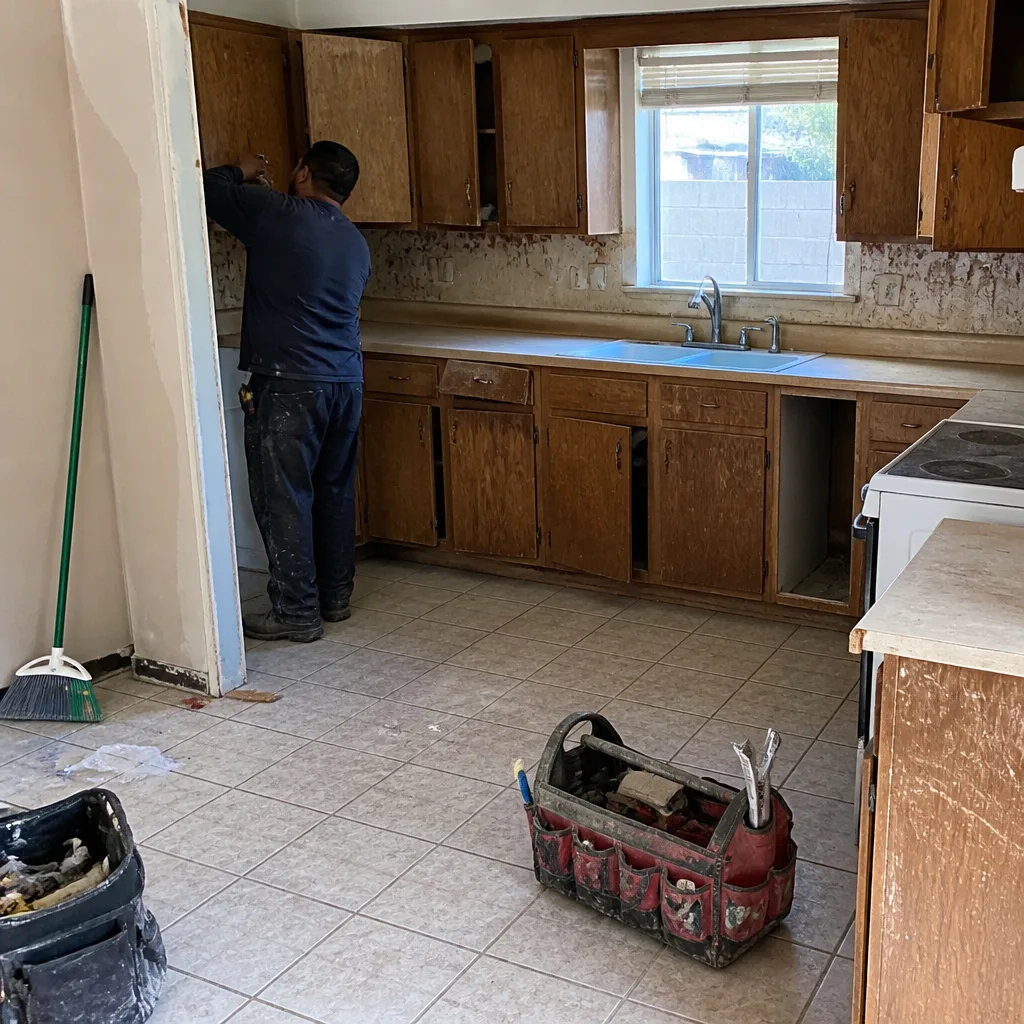
See the difference
 Before
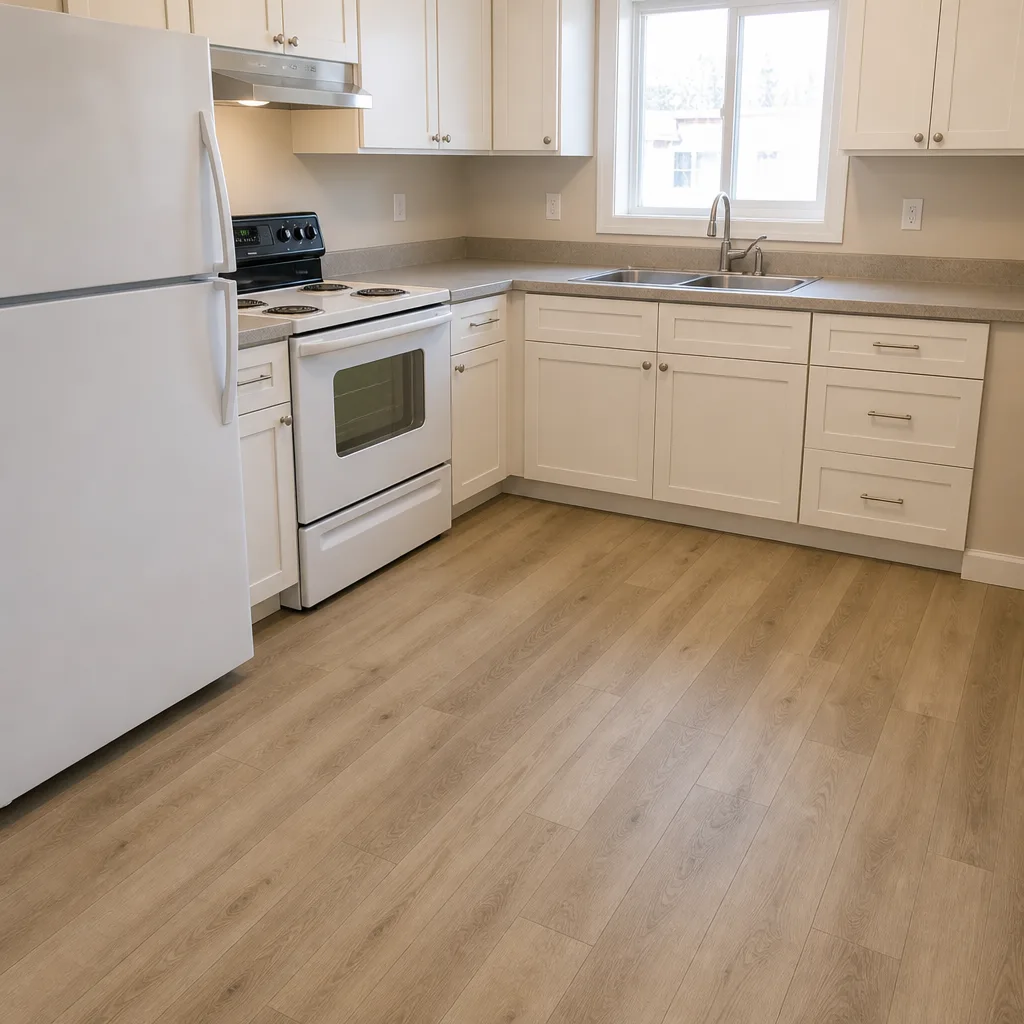 After
 Before
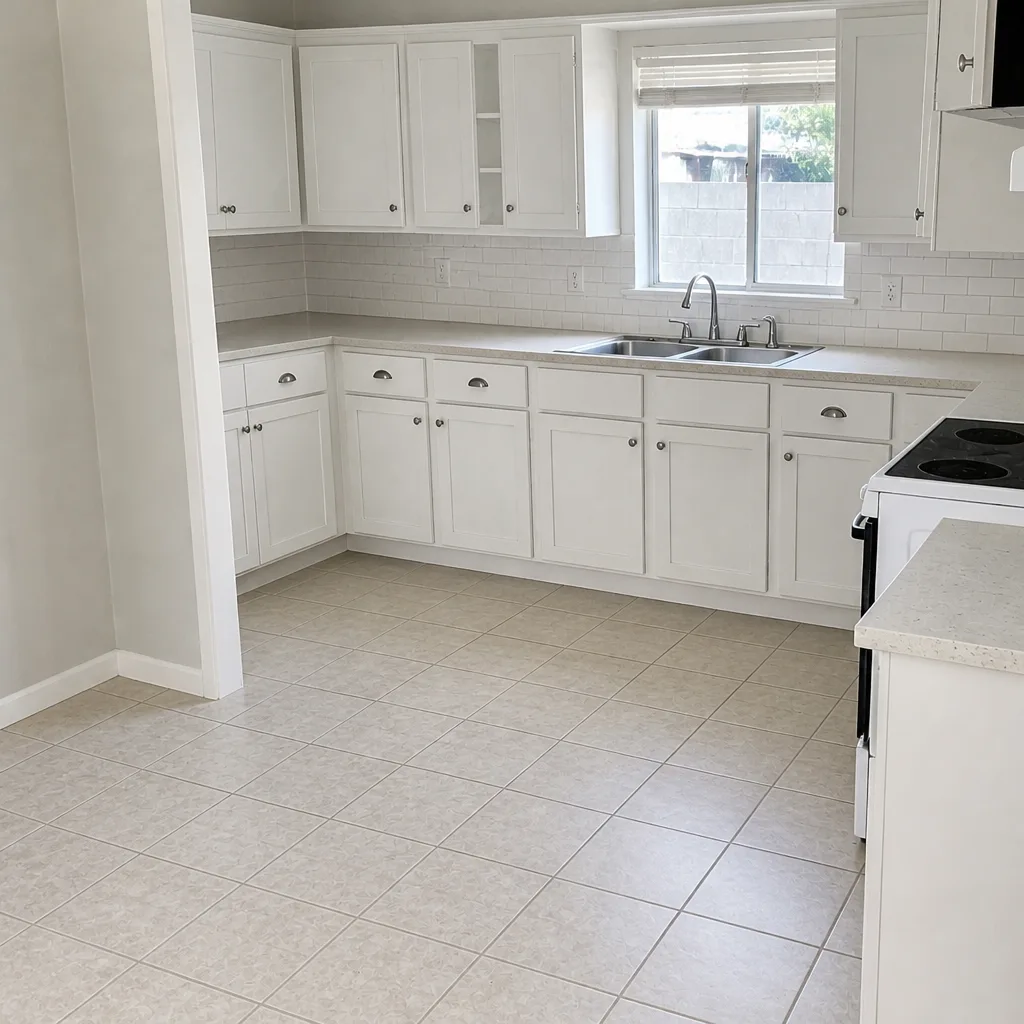 After
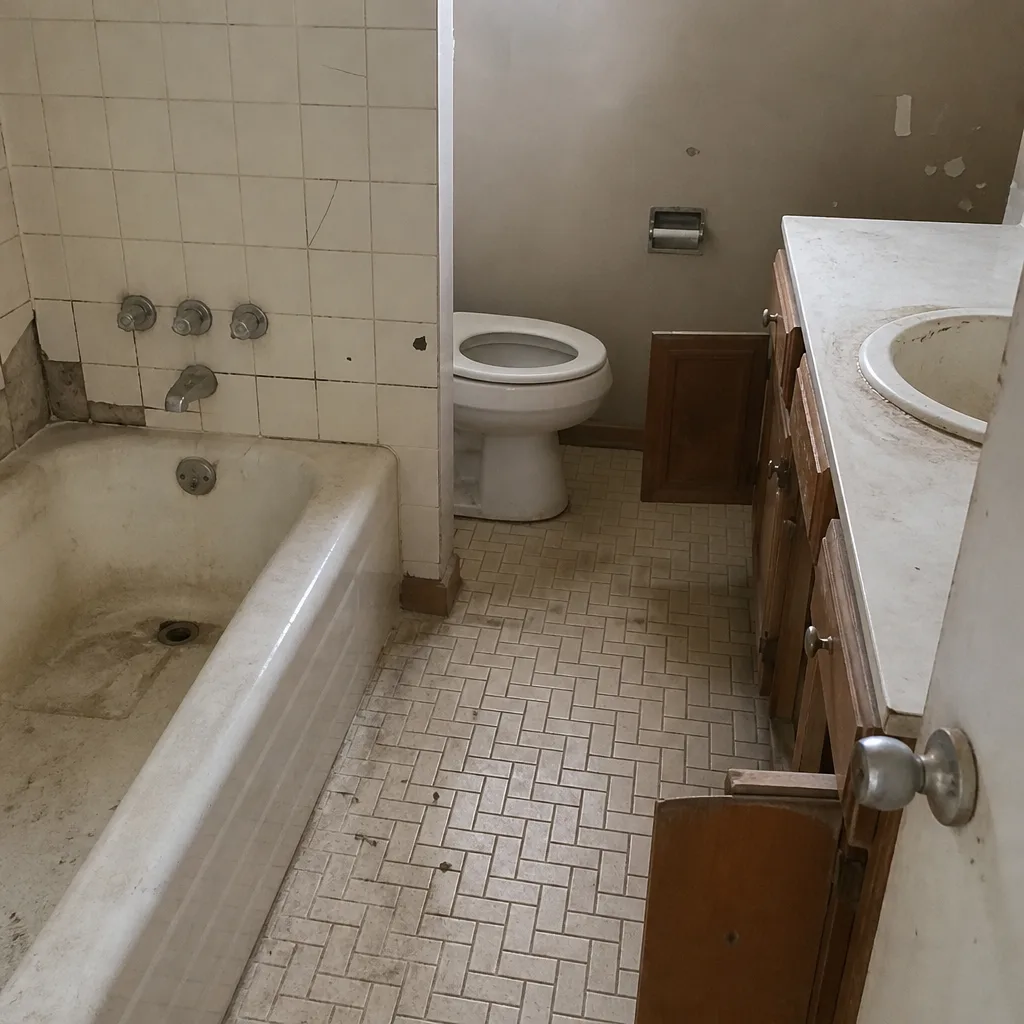 Before
 After
Frequently Asked Questions

You can safely replace a window yourself if you’re installing an insert unit into a frame that’s square, solid, and has no prior water damage – and if your jurisdiction doesn’t require a permit for the swap. In most of Paradise and surrounding Clark County, window replacements require a permit and inspection, which pushes the job to a licensed professional. If your home is stucco – as most in Paradise are – the flashing detail alone makes it a job for a crew.
In most cases, yes. Nevada treats window replacement as a permitted alteration even when the new window matches the old one in size. Pure sash replacements without frame changes sometimes qualify for a permit waiver, but the rules vary by jurisdiction. Verify with your local building department before starting, or ask a licensed contractor to confirm the permit requirement along with your free estimate.
Weather stripping replacement, door hardware swaps, window screen repair, interior casing trim, threshold replacement, and sliding door track cleaning are all safe and low-risk. Each of these involves no structural, flashing, or permit work. Materials costs are typically under $100 per task. If the job requires cutting into the wall, removing exterior trim, or touching the flashing, it’s past the line.
Measure diagonally from corner to corner, then from the opposite corners. If the two measurements are more than 1/4 inch apart, the frame is out of square and an insert window will likely bind or leak. Also check for soft wood around the corners and any prior water staining. Even when the frame passes those tests, the flashing detail has to be right, and most Paradise homeowners hand that part to a pro.
Stucco doesn’t flex around a new window the way siding does. It cracks under movement, and once it cracks, water gets behind it. Proper flashing on a stucco home has to integrate with the weather-resistive barrier behind the stucco, and the stucco stop has to sit at the right depth to shed water outward. Surface caulk is what amateurs use, and surface caulk fails within a couple of monsoon seasons.
Yes. A buyer’s inspector typically checks window replacements against permit records. Unpermitted work becomes a disclosure issue, and that means either a retroactive permit process, a price concession, or a repair negotiation. The cost of the retrofit usually exceeds what the homeowner saved by skipping the permit in the first place.
The Bottom Line
Safe DIY work on windows and doors is limited to weather stripping, hardware, screens, trim, and thresholds. Genuinely safe ground. Everything past that – the rough opening, the flashing, the structural header, the stucco seal, the permit record – belongs to a trained professional. In Paradise, most window replacements are on stucco walls, which is precisely where the flashing detail becomes the difference between a job that lasts 25 years and one that costs you a drywall repair in year four. Get a permit. Get the flashing detail in writing. Get a contractor whose name and license you can verify. And if the answer to “do I need a permit?” is “you don’t really need one,” that’s the contractor to walk away from.
Call (855) 596-7029 for a free estimate on any window or door project in Paradise. We quote the flashing detail in writing, pull the permit, and back the work with a written 90-Day Done Right Promise.
Written by the team at Barrett & Sons Construction Paradise.