Last updated November 18, 2026






Free written scope consultation - allowances, timeline, and change-order rules on paper before a single trade is scheduled
Bathroom Remodeling Warning Signs Every Homeowner Should Know
The most expensive words in a bathroom remodel aren’t “we found mold.” They’re “we don’t pull permits for small jobs,” and you sometimes don’t hear them until the tile is set. In our experience, the disasters that cost Paradise homeowners the most don’t start on demo day. They start weeks earlier, in a sales conversation, when a contractor uses a phrase that sounds helpful but really means your price is about to float. This guide covers the quote-stage red flags most people never hear about and the job-site signs that tell you something’s already gone wrong, with a few things specific to how homes here get built and inspected.
Quick Answer
The biggest bathroom remodel warning signs are verbal-only change orders, a contractor who won’t pull permits or identify licensed subcontractors, unusually large upfront deposits, skipped moisture barriers behind tile, and exhaust fans that vent into the attic instead of outside. If you hear “we don’t pull permits for small jobs,” treat it as a stop sign, not a convenience. A professional will put the scope, every allowance, and every price change in writing before work starts. In Paradise, where many homes have been repaired and rebuilt over the past few years, checking the permit history matters more than usual.
Styles & brands we work with
- Kitchen remodeling
- Bathroom remodeling
- Home additions & ADU
- Roofing
- Windows & doors
- Driveway & pavers
- Fence
Table of Contents
- Quote-Stage Warning Signs You Hear Before the Deposit Clears
- Job-Site Warning Signs Once the Work Begins
- How to Verify a Nevada Contractor License in Under Three Minutes
- What “Licensed and Insured” Doesn’t Cover
- Why a Suspiciously Fast Timeline Is as Alarming as a Slow One
- What a Written Change Order Should Contain
- Common Mistakes to Avoid
- Frequently Asked Questions
Quote-Stage Warning Signs You Hear Before the Deposit Clears
Most bad remodels are decided before a single tool comes out of the truck. The sales conversation is where a contractor sets up his escape hatches, and certain phrases are the tell. When you hear them, the job isn’t being quoted. It’s being managed, and not in your favor.
Here’s what to listen for:
- “We’ll work out the details later.” A contractor who won’t commit the scope to paper now won’t commit to a price later. Same person, same habit.
- “The allowance is generous, don’t worry about it.” An allowance that isn’t on paper is a surprise waiting for a date. If tile, fixtures, or vanity allowances aren’t written line by line, you’re not looking at a price. You’re looking at a floor.
- Verbal-only change orders. If a change gets agreed to with a handshake and a “no problem,” ask for it in writing before anyone touches a tool. A contractor who resists that is telling you something important.
- No licensed subcontractor disclosure. Bathroom remodels touch plumbing, electrical, and sometimes structural work. Ask who’s doing each trade and whether they’re licensed. If the answer is “we’ve got a guy,” that’s not an answer.
- An unusually large upfront deposit. A deposit that’s most of the job total puts all the risk on you. Normal deposits cover materials and scheduling, not the whole project.
- “The price is good today only.” Legitimate pricing doesn’t evaporate overnight. Pressure to sign fast usually means the number hasn’t been checked against the actual scope.
We’ve watched Paradise homeowners get burned by exactly this pattern: a national outfit quotes one number on the phone, then hands over a different bill at the door. The fix isn’t shopping harder for the cheapest bid. It’s asking for scope and allowances in writing before you sign anything. If you’re remodeling more than the bathroom, the same discipline applies to kitchens and additions, and you can see how that works on our Barrett & Sons Construction Paradise home page.
Job-Site Warning Signs Once the Work Begins
Some problems show up fast, and some hide behind fresh tile for years. Here’s what to watch for while the crew is working, and what to ask about before the walls close up. These three failures are the ones we see most often when we’re called to fix someone else’s bathroom remodel in Paradise.
- Skipped moisture barrier. Behind the tile in a shower or tub surround, there should be a waterproof layer, either a bonded membrane or a sheet product, depending on the system. If the crew is setting tile straight onto cement board with no barrier, water will find its way behind it. Ask what’s going behind the tile, and don’t accept “it’s fine” as an answer.
- Unsealed cement board edges and seams. Cement board needs its seams and fastener heads treated with the right mesh tape and waterproofing compound. Unsealed edges and screw holes are where water gets in.
- Exhaust fan ducting into the attic or ceiling cavity. A bath fan has to vent to the exterior, through a proper duct and a wall or roof cap. A fan that dumps humid air into the attic feeds mold and rots framing. In Paradise’s dry climate, people assume humidity isn’t a problem, but a bathroom is a wet room no matter what the desert outside is doing.
Other red flags on site: no permit posted where it should be visible, the same unlicensed “helper” doing plumbing and electrical, no protection on your floors or fixtures, and a crew that can’t tell you who’s running the job. If you can’t name the person in charge, that’s a problem before the first inspection.
For homeowners adding a bathroom or expanding a footprint, the same standards apply to the structure itself. Our Home Additions & ADU in Paradise work follows the same permit-and-inspection discipline, because a bathroom remodel that grows into an addition shouldn’t suddenly change the rules.
How to Verify a Nevada Contractor License in Under Three Minutes
You can check a contractor’s license in less time than it takes to make coffee. Nevada makes this easy, and a legitimate contractor will be glad you asked, because the license protects both of you.
- Get the license number in writing. Ask for it before you sign anything. A contractor who publishes his name and license number is telling you he expects to be checked.
- Look it up on the Nevada State Contractors Board website. Search by license number or by business name. You’ll see whether the license is active, what classifications it carries, and whether there are complaints or disciplinary actions on record.
- Check the classification matches the work. A license for one trade doesn’t cover all trades. Bathroom remodels often need more than one classification, and the general contractor should be able to explain who’s licensed for what.
- Confirm the business name and address match your paperwork. If the license is under a different name than the one on your contract, ask why before you sign.
We keep our license number published for exactly this reason. Look it up before you sign anything, and ask anyone on your street. Paradise is a small enough community that a contractor’s reputation gets around, and a name you can verify is worth more than a slick brochure.
What “Licensed and Insured” Doesn’t Cover
“Licensed and insured” is a starting point, not a finish line, and plenty of homeowners assume it covers more than it does. Here’s the difference.
A license means the contractor has met the state’s requirements to hold that classification. Insurance is a separate matter entirely, and there are two kinds that matter on your job:
- General liability insurance covers damage to your home or someone else’s property during the work. If a crew member drops a fixture through the floor, this is the policy that should respond.
- Workers’ compensation covers injuries to workers on your property. If an uninsured worker gets hurt in your home, you can end up in the middle of it. Ask for a certificate of insurance and confirm the dates cover your project.
What “licensed and insured” doesn’t cover: workmanship. Insurance won’t make a poorly waterproofed shower right, and a license won’t bring a contractor back after the check clears. That’s why the written warranty matters, and why a contractor who puts his promise in writing on the contract is worth more than one who only talks about it. Our 90-Day Done Right Promise is written on every contract: if something isn’t done right, one call brings us back to make it right.
Permits are part of this picture too. The permit inspector works for you, not for us. That’s why we like him. A permitted job gets a second set of eyes on the plumbing, the electrical, and the framing, and the inspection record becomes part of your home’s history. In Paradise, where a lot of homes have had repair and rebuild work done, that record is worth keeping accurate.
Why a Suspiciously Fast Timeline Is as Alarming as a Slow One
Everyone worries about the contractor who drags a bathroom remodel out for months. Fewer people worry about the one who promises the whole thing in ten days, and that’s a mistake. A timeline that’s too fast usually means something is getting skipped.
A typical full bathroom remodel, with plumbing and electrical work, takes weeks, not days. The work has sequential steps that can’t be rushed without consequences: demolition, rough plumbing and electrical, inspection, moisture barrier and waterproofing, tile setting, grout cure time, fixture install, and final inspection. Grout and waterproofing products have cure times printed on the label for a reason. Skip them and the tile fails early.
Here’s what a fast timeline usually signals:
- Permits being skipped, because the inspection schedule is what actually takes the time.
- Waterproofing and cure times being cut short.
- A crew spread too thin across too many jobs, which means yours gets rushed to free them up.
- A price that’s low because the scope is thin, and a change order waiting to close the gap.
Ask any contractor for a schedule in writing that lists the inspection points. A contractor who can walk you through the sequence, step by step, with the dates the inspector will visit, knows what he’s doing. One who guarantees a two-week finish with no permit is telling you the inspection isn’t part of the plan.
The same logic applies to outdoor projects that share the same seasonal window. If you’re planning a full exterior refresh alongside the bathroom, our Driveway & Pavers in Paradise and Fence Installation in Paradise work follows the same written-scope approach, so nothing gets skipped when the calendar gets tight.
What a Written Change Order Should Contain
A change order is the paper trail that keeps a remodel from turning into a surprise invoice. If a contractor resists putting changes in writing, that’s the clearest signal you’ll get. Here’s what a proper change order should contain.
- The specific change, described in plain language. “Upgrade shower tile to a larger format” is specific. “Tile upgrade” is not.
- The dollar amount, both the addition and any credit, broken out so you can see exactly what changed.
- The schedule impact, in days or weeks, and whether the change pushes the completion date.
- The date and a signature line for both parties. A change order isn’t real until it’s signed and dated.
- A statement of what the original contract said, so there’s no argument later about what was already agreed to.
One more thing to ask about before you sign the original contract: allowances. Tile, fixtures, vanity, and lighting are usually quoted as allowances, and an allowance that isn’t on paper is a surprise waiting for a date. Get the number written down, along with what happens if you go over or under. The best change order is the one you never need, because the scope was clear from the start. A contractor who resists change orders is telling you he wants room to move the number without asking.
See the difference
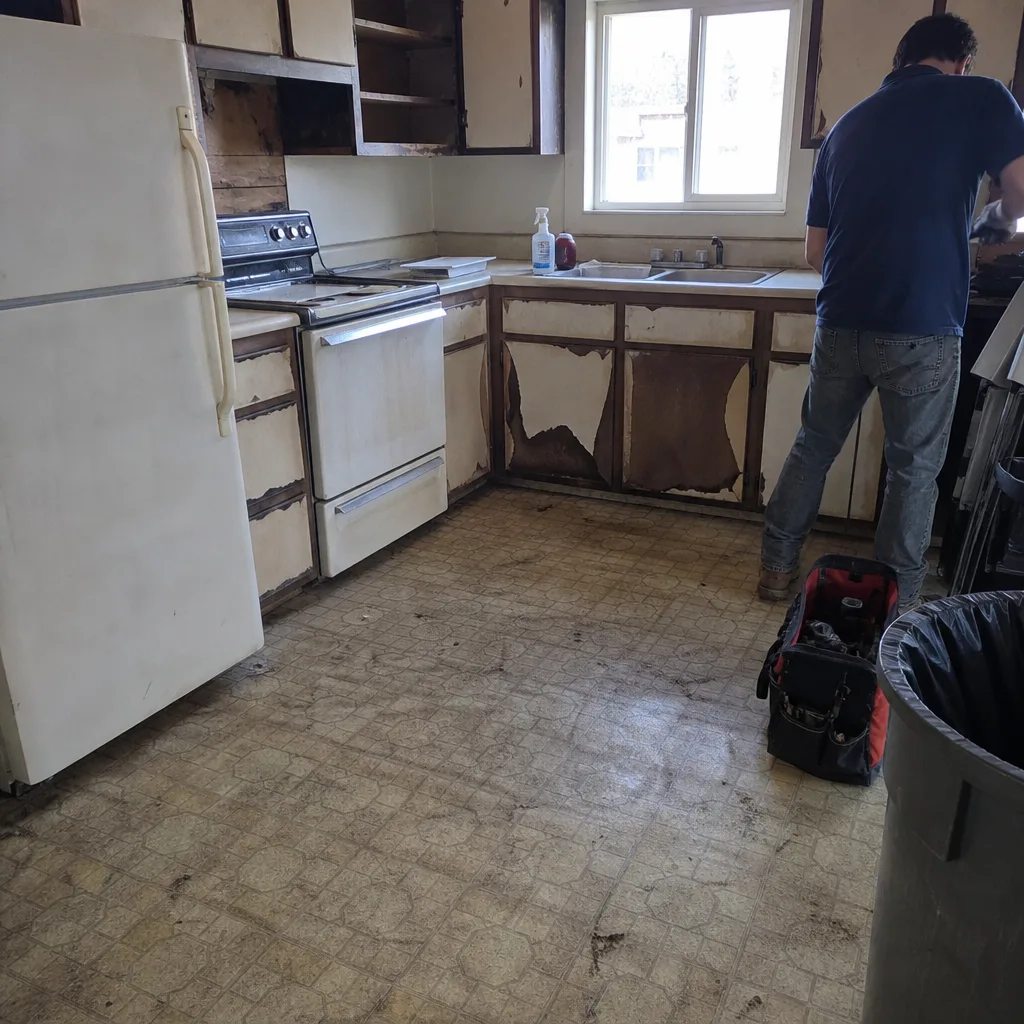 Before
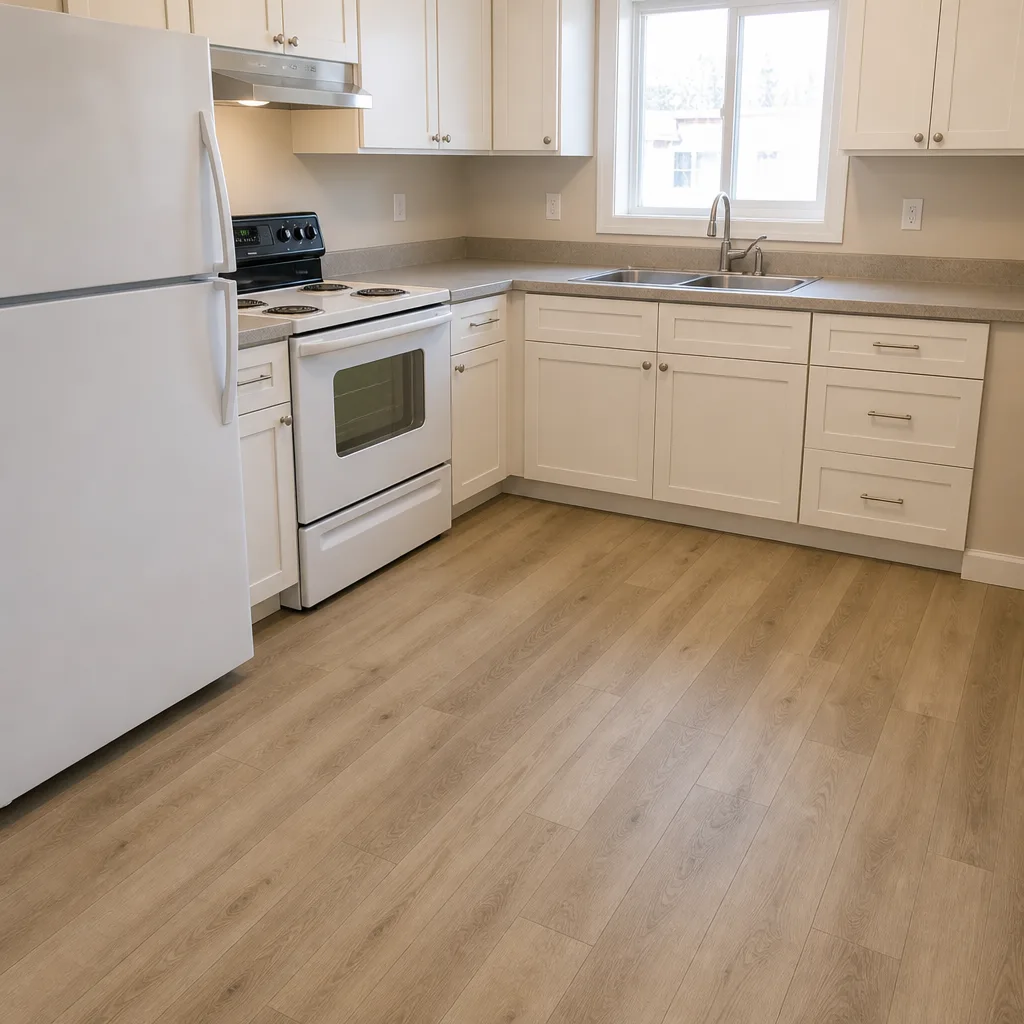 After
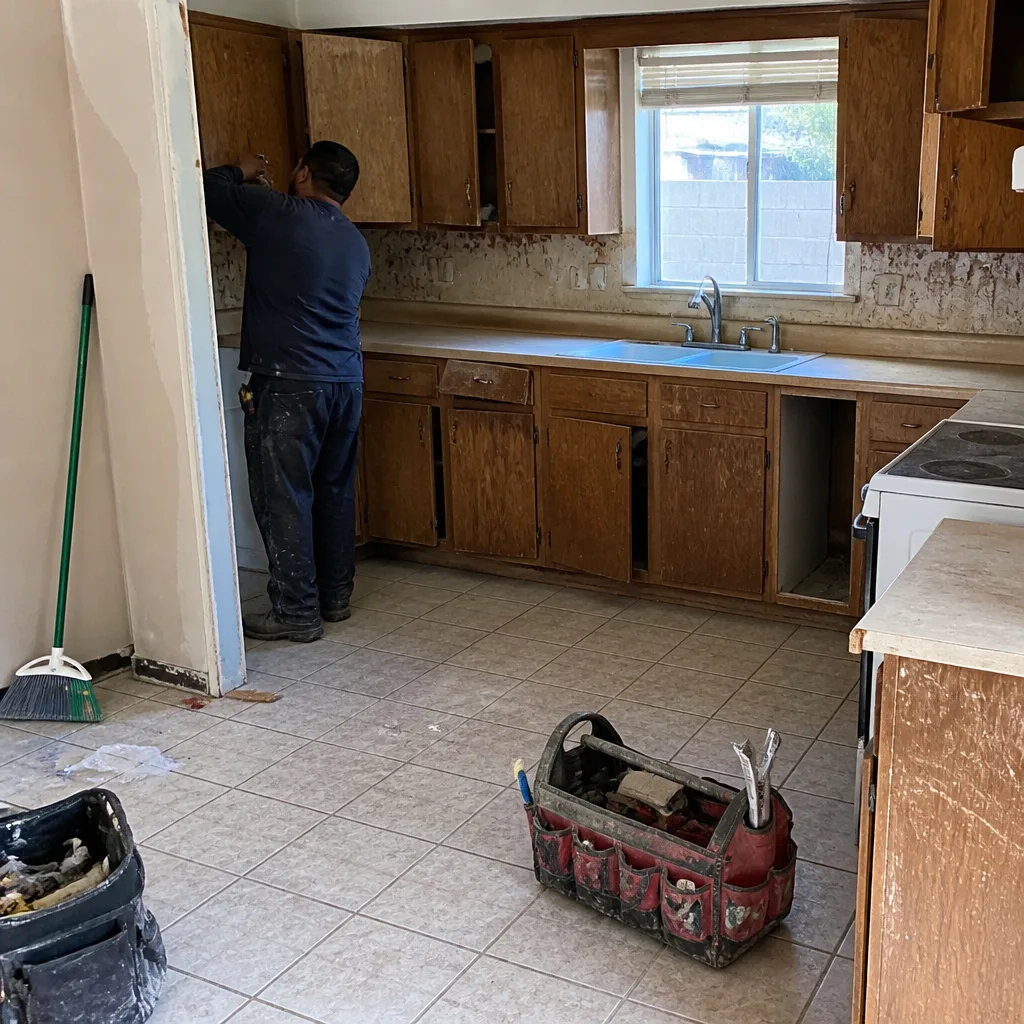 Before
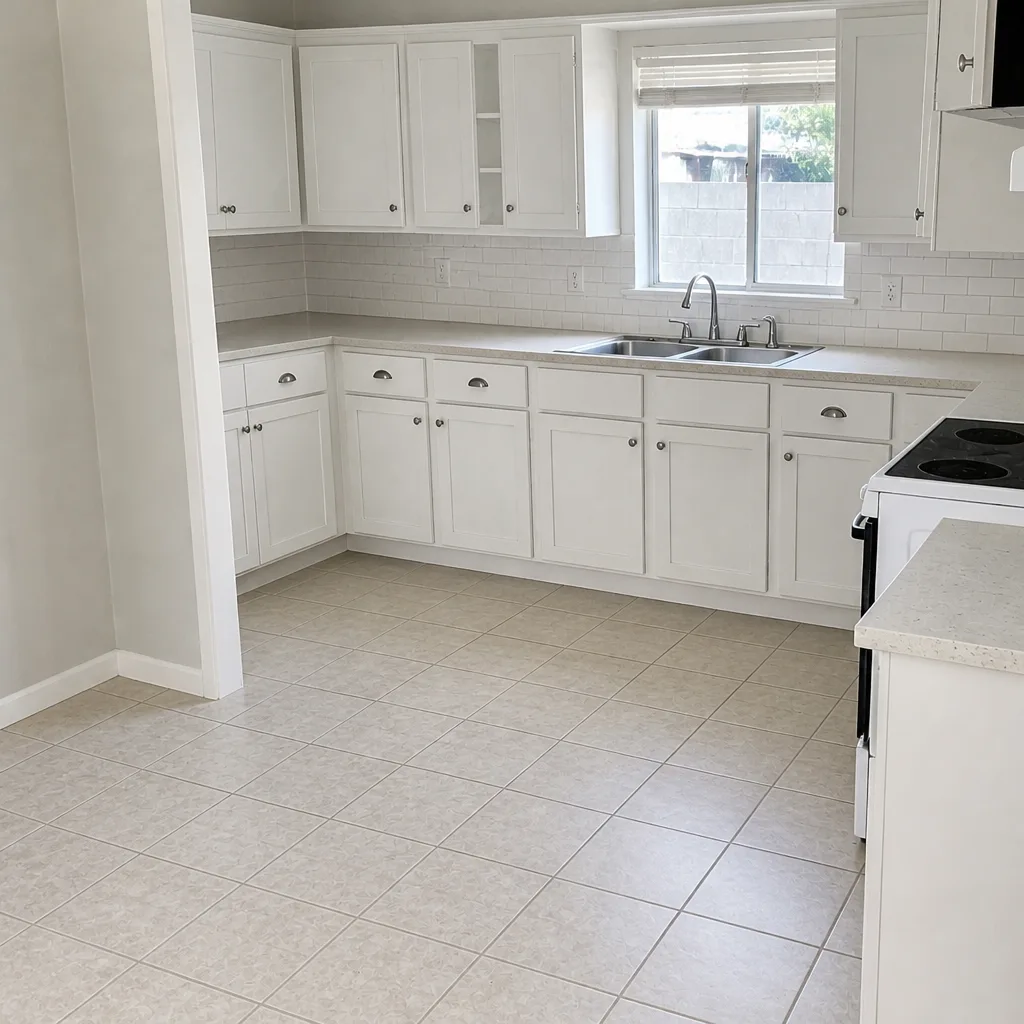 After
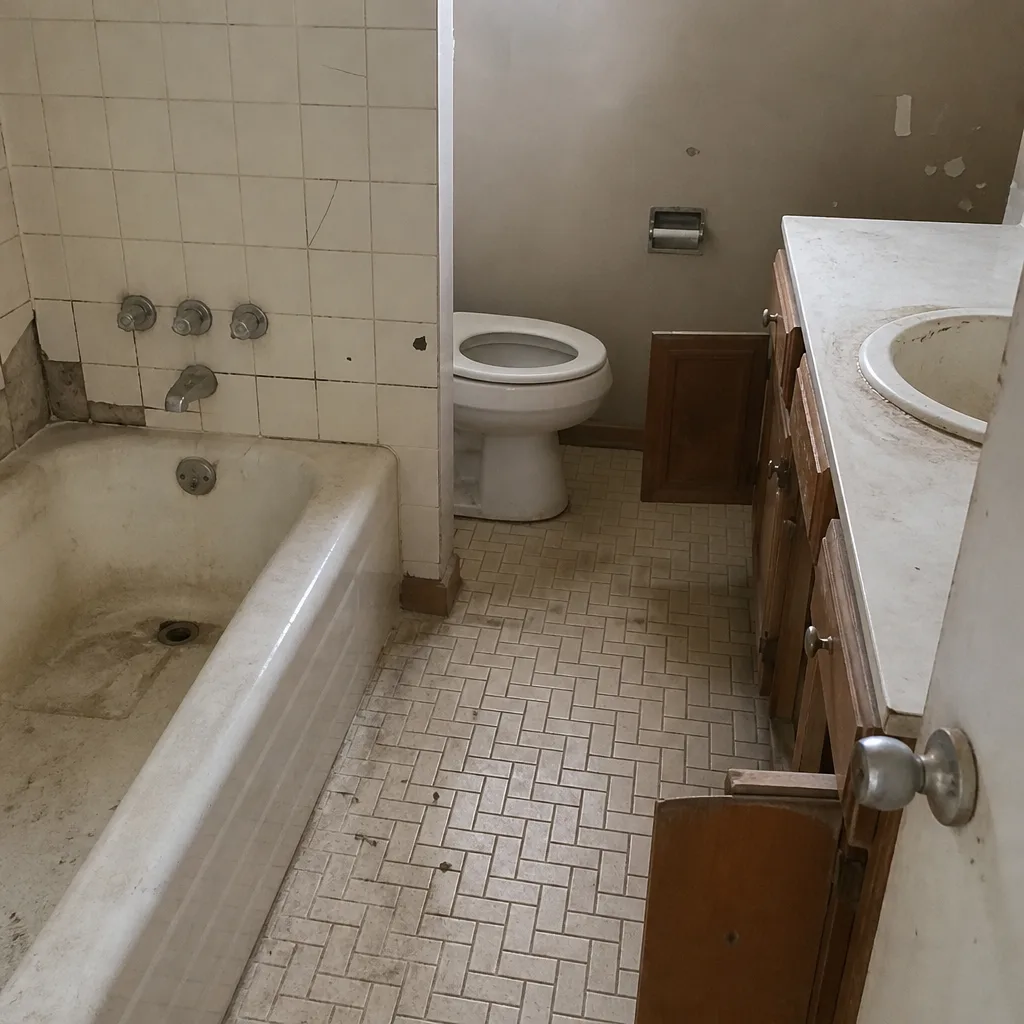 Before
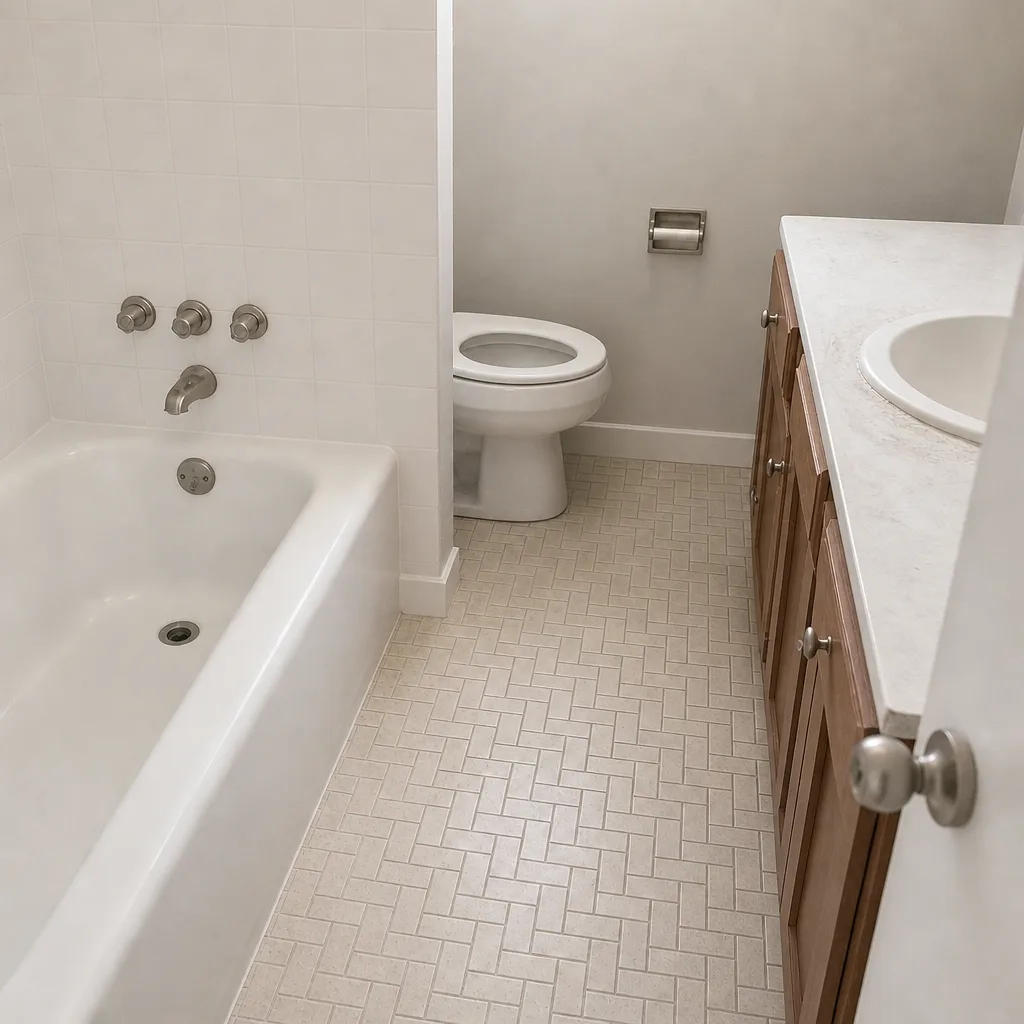 After
Common Mistakes to Avoid
- Hiring on price alone. A bid that’s thousands below the others usually has a thinner scope, not a better deal. Ask what’s excluded before you compare numbers.
- Skipping the license check. It takes three minutes on the state board’s website, and it’s the cheapest insurance you’ll ever buy on a remodel.
- Ignoring the permit question. A contractor who says permits are optional for small jobs is telling you he doesn’t want an inspector on site.
- Taking a verbal change order. If it isn’t in writing and signed, it didn’t happen. This is how surprise invoices get born.
- Underestimating bathroom ventilation. A fan that vents into the attic instead of outside is a slow-motion problem. In Paradise’s dry air, people assume humidity isn’t an issue, but a wet room is a wet room.
- Not asking who’s doing the plumbing and electrical. The trades on a bathroom remodel each need a licensed hand. “We’ve got a guy” isn’t a license number.
- Paying too much upfront. A large deposit shifts the risk to you. A reasonable deposit covers materials and scheduling, not the whole job.
When to Call a Professional
Some bathroom work is a weekend project, and some of it can hurt you. If your remodel involves moving plumbing, changing electrical, removing a bearing wall, or reworking a shower pan or waterproofing system, that’s not a do-it-yourself job. Waterproofing failures hide for months and show up as rot or mold behind a wall you just paid to finish. Electrical work in a wet room carries real risk. A fan vented wrong is a mold nursery. And if you’re already mid-project and something on this list looks familiar, calling a professional now is cheaper than calling one later.
Barrett & Sons Construction Paradise offers free estimates in Paradise. Call (855) 596-7029 to schedule yours. If you already have a written estimate from another contractor, we’ll give you a free second opinion on it, no strings attached.
Frequently Asked Questions
A verbal-only change order policy, or no written scope and allowances at all. If the contractor won’t put the details on paper before you sign, he’s keeping room to move the price after the work starts. Ask for a written, line-item scope and walk away if you don’t get one. Call (855) 596-7029 if you want a free second opinion on an estimate you’re unsure about.
Most do, especially anything involving plumbing, electrical, or structural changes, and the permit should be pulled before work starts. Nevada code and local inspection requirements apply to the work, not to the contractor’s convenience. If a contractor says permits are optional for small jobs, treat it as a red flag. We pull permits and get inspections signed on every eligible job.
Ask for the license number in writing, then search it on the Nevada State Contractors Board website. You’ll see the license status, classifications, and any complaints or disciplinary actions on record. It takes about three minutes.
Because a fan has to vent moisture to the exterior, not into your attic or ceiling cavity. A fan ducted into the roof space dumps humid air where it can cause mold and rot over time. Ask the contractor where the fan duct exhausts before the ceiling goes back in.
A deposit should cover materials and scheduling, not most of the project. If you’re asked for a very large upfront payment, ask why, and get the payment schedule written into the contract with the completion dates attached. Call (855) 596-7029 to talk through a fair payment structure for your job.
A full bathroom remodel with plumbing and electrical work takes weeks, not days, because permits, inspections, and cure times are part of the job. A guarantee of a very fast finish with no inspections usually means something is being skipped. Ask for a written schedule with inspection points before you sign.
The Bottom Line
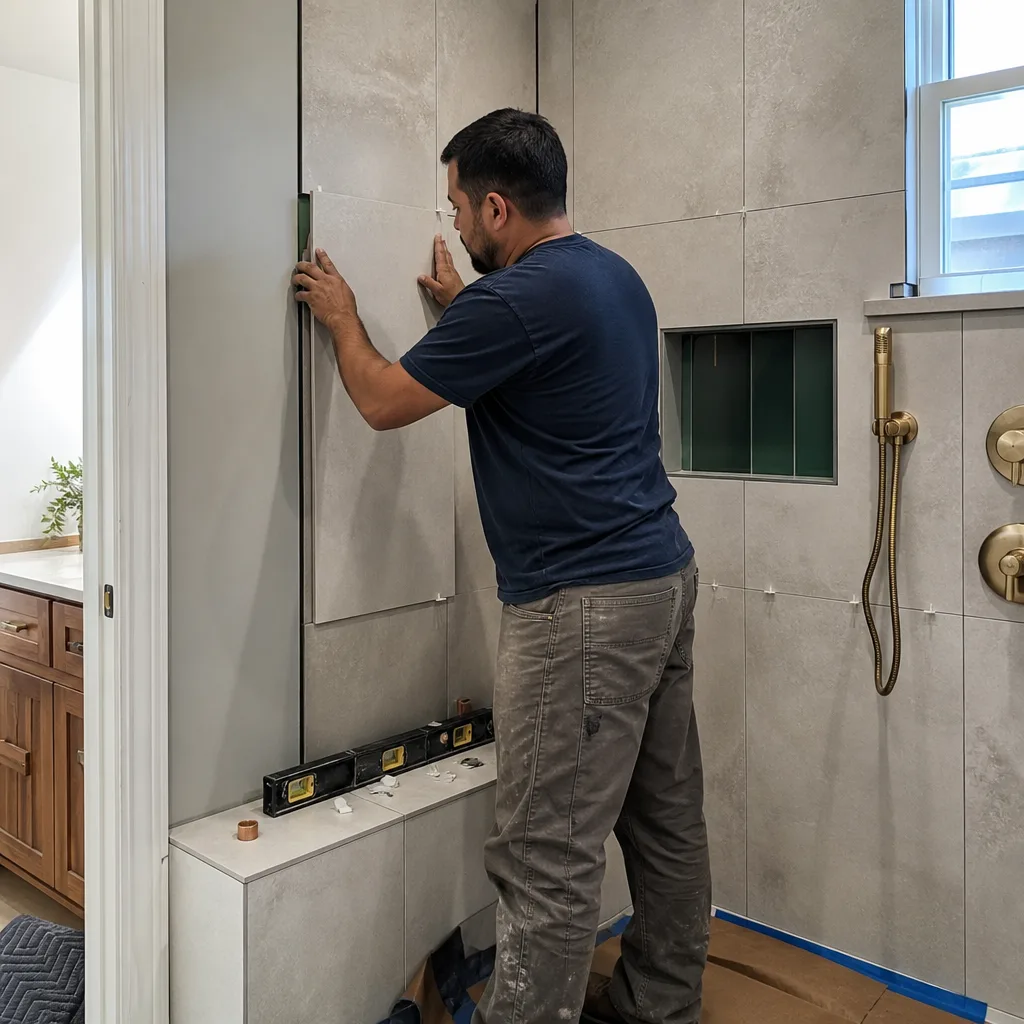
Most bathroom remodel disasters start in the sales conversation, not on demo day. The phrases that should make you pause are “we don’t pull permits for small jobs,” “we’ll work out the details later,” and any change order that lives only in a handshake. Check the license, ask who’s licensed for each trade, confirm the moisture barrier and the fan duct before the tile goes up, and insist on everything in writing: scope, allowances, schedule, and change orders. A contractor who resists any of that is telling you what the job will feel like. A contractor who publishes his name and license number expects to be checked, and welcomes it. If you’re ready to get a straight answer on your bathroom project, call (855) 596-7029 for a free estimate from Barrett & Sons Construction Paradise. Current customers can also take $40 off any repair over $200, and seniors and veterans always get 10% off.
Written by the team at Barrett & Sons Construction Paradise.