Last updated November 18, 2026
Free written scope consultation - allowances, timeline, and change-order rules on paper before a single trade is scheduled
Choosing the Right Construction Brand: A Buyer’s Guide for Paradise
A Trex deck installed with the wrong fastener spacing will fail in Paradise heat just like a bargain-bin composite will. The premium name doesn’t rescue a bad install. That warning is on page four of the Trex manual, and it’s the whole point of this guide: brand names only pay off when the contractor installing them follows the manufacturer’s specs, works in the right conditions, and hands you a warranty that survives installation day. We’ve watched Paradise homeowners overpay for premium products installed wrong, and we’ve watched them save money on materials that were never built for the Mojave. Here’s how to tell the difference before you sign anything.
Quick Answer
In Paradise, choosing the right construction brand means picking products rated for sustained UV exposure and 100-plus degree heat, then confirming the installer is authorized to install that specific product line so the manufacturer warranty stays valid. A premium brand is only worth the premium when three things line up: the material suits the desert, the contractor follows install specs, and you hold both a manufacturer warranty and a written workmanship warranty before work starts.
Styles & brands we work with
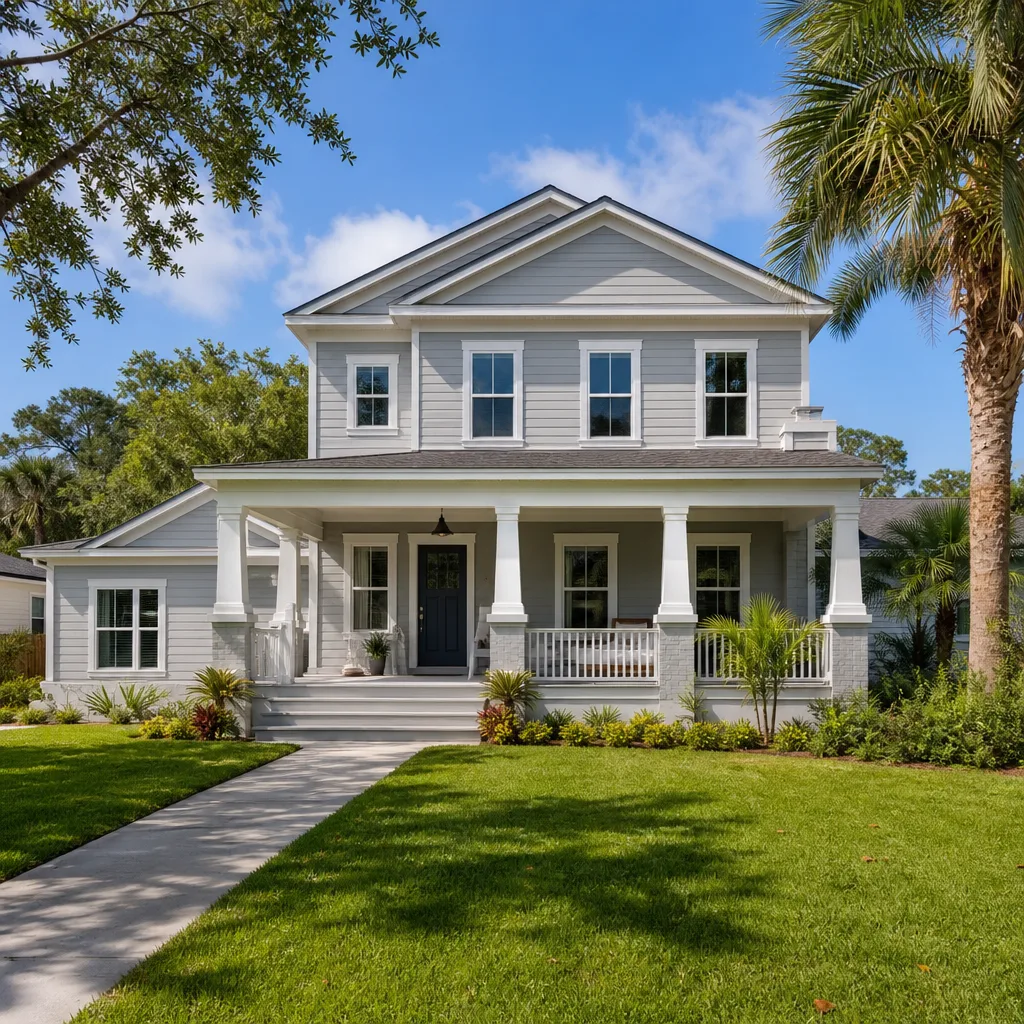
- Kitchen remodeling
- Bathroom remodeling
- Home additions & ADU
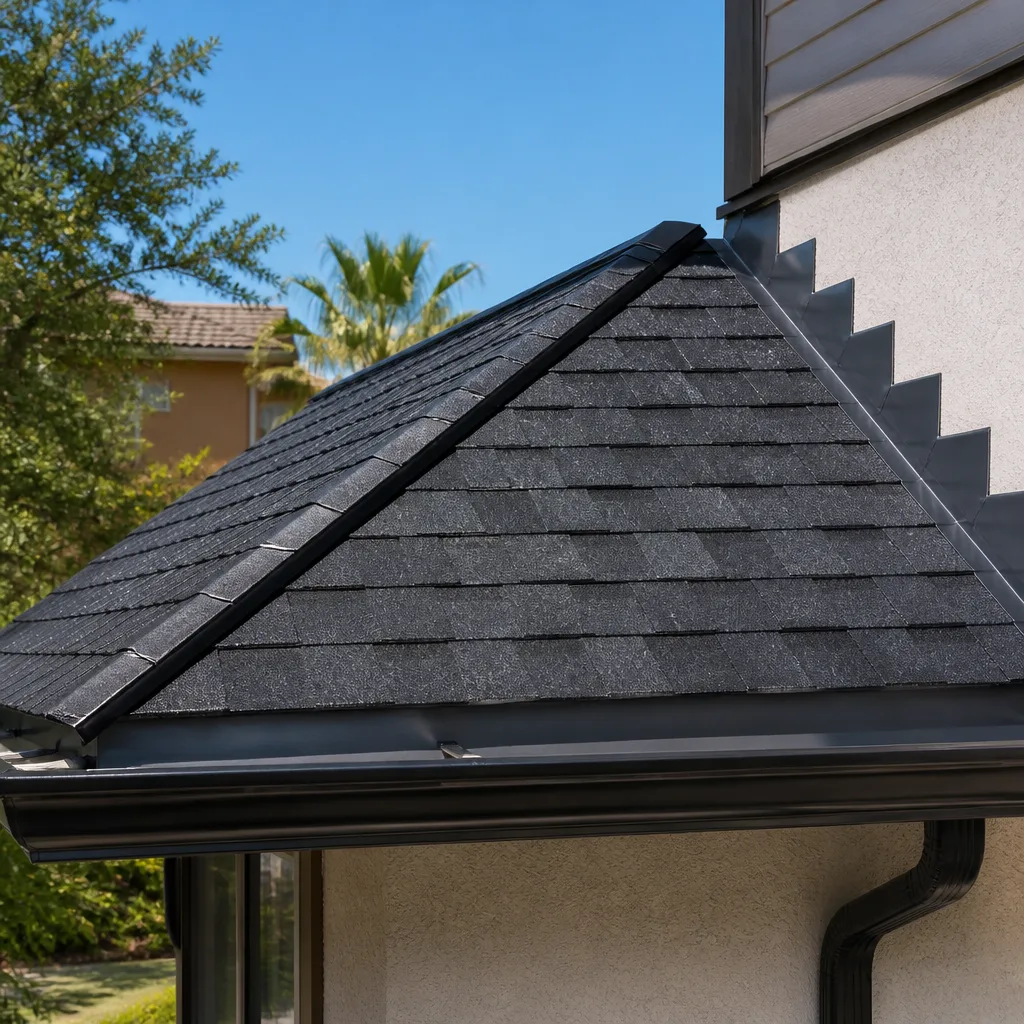
- Roofing
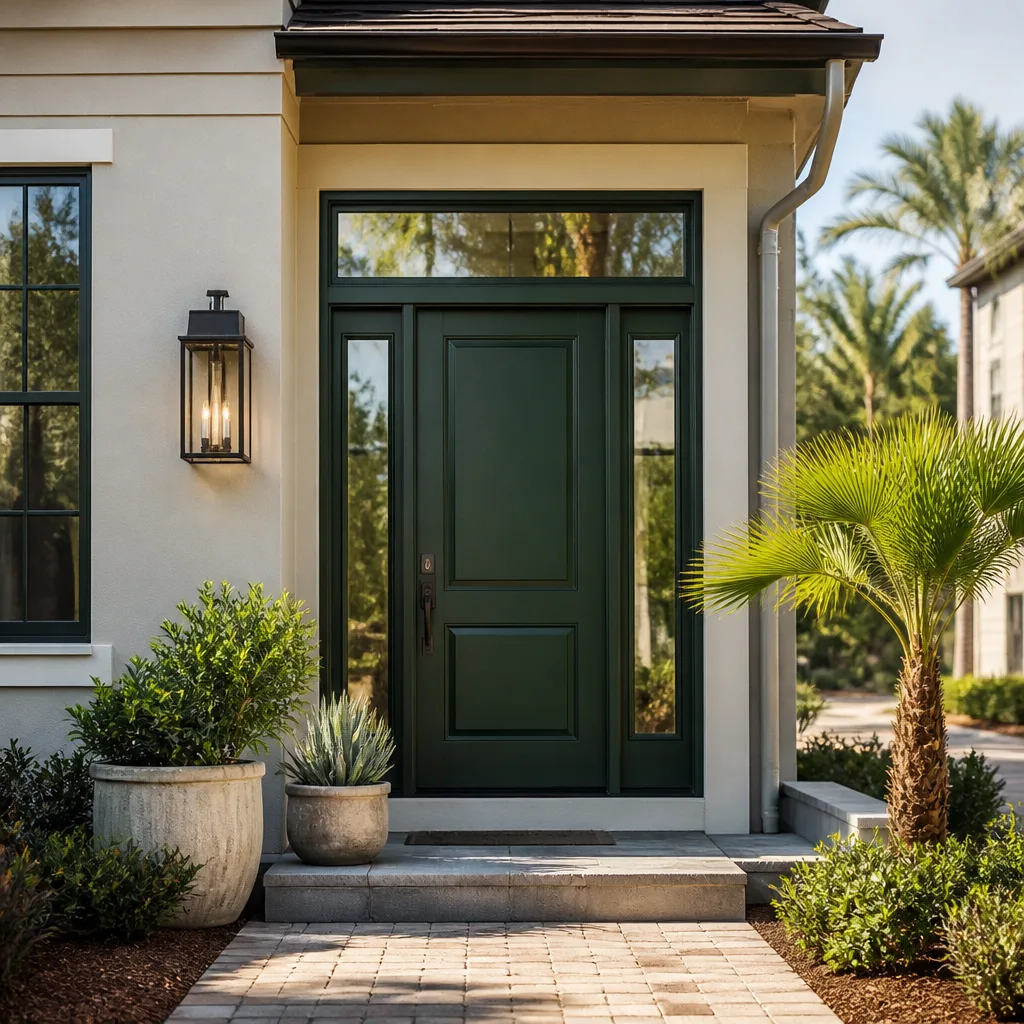
- Windows & doors
- Driveway & pavers
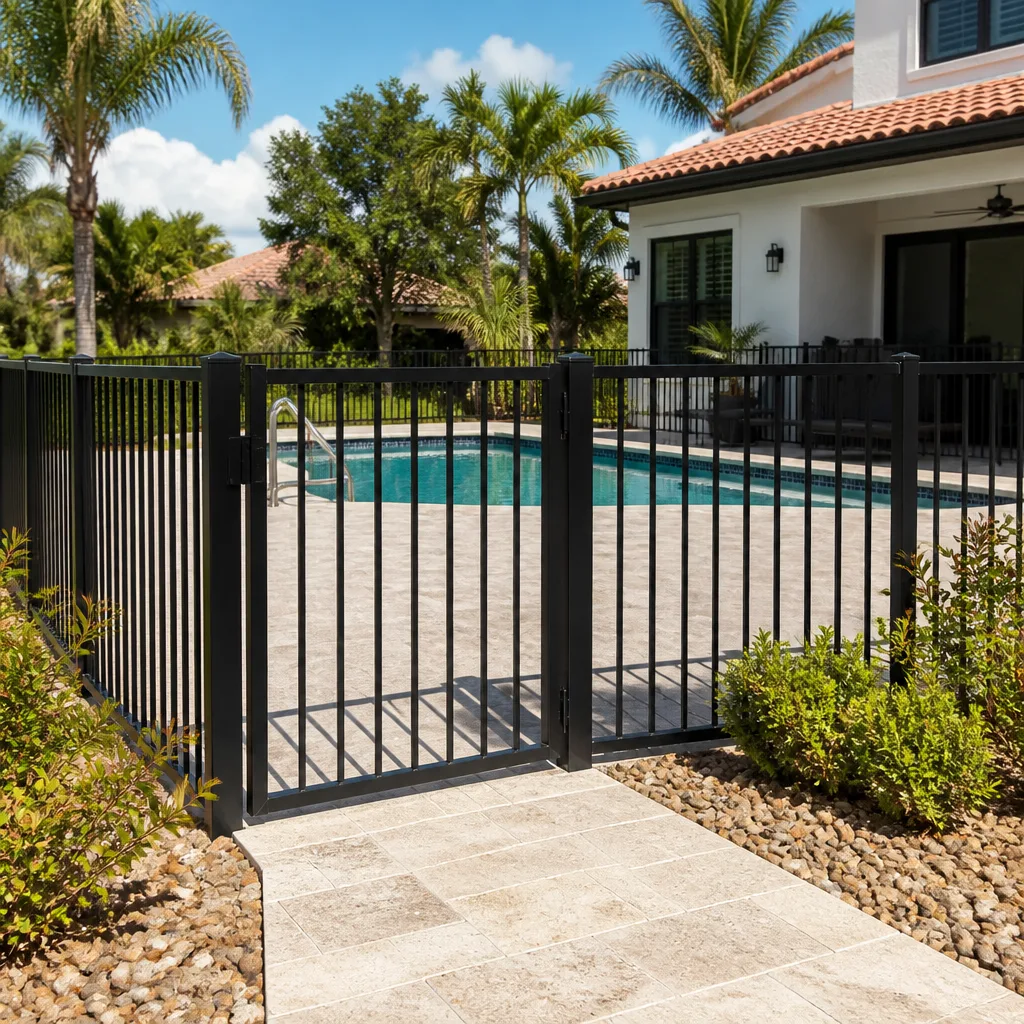
- Fence
Table of Contents
- Why “Brand” Means Something Different in Construction
- How to Verify a Contractor Is an Authorized Installer
- Desert-Specific Brand Considerations
- Manufacturer Warranty vs. Workmanship Warranty
- Comparing Two Bids That Use Different Brands
- Red Flags in Brand Selection
- Step-by-Step: Vet a Brand Before You Buy
- Common Mistakes to Avoid
Why “Brand” Means Something Different in Construction
At Best Buy, a brand name is a promise made to you by the manufacturer alone. In construction, it’s a three-way deal: the manufacturer, the installer, and the homeowner. Break any leg and the promise collapses. We’ve pulled up composite decks in Paradise where the boards were top-shelf and the fasteners were spaced for a wet climate, and the whole surface had cupped within three summers.
The reason is simple. Almost every premium building product comes with installation instructions that are conditions of the warranty. Roofing systems specify underlayment type, nailing pattern, and temperature range at install. Window lines specify flashing details and sealant brand. Hardscape pavers specify base depth and compaction. Ignore those and the manufacturer can walk away from the claim, leaving you with a product that’s technically “premium” and legally unsupported.
So the real question in Paradise isn’t “which brand is best?” It’s “which brand, installed by whom, under what written terms?” That’s a harder question than most showrooms want to answer. It’s also the only one that matters when a monsoon rolls through and a jobsite-tested brand is suddenly a leak in your ceiling. The Barrett & Sons Construction Paradise home page lays out how we approach that three-way deal on every job we take.
How to Verify a Contractor Is an Authorized Installer
Manufacturer warranties often depend on certified installation, not just certified materials. That means a GAF roof installed by an uncertified crew may not carry the strongest GAF warranty tier even if every shingle came from a sealed GAF bundle. Same story with premium window lines and certain composite decking systems. You want paperwork that proves the installer is on the manufacturer’s approved list.
Here’s how to check, in order:
- Ask for the manufacturer’s certification in writing. A legitimate authorized installer can produce a current certificate or a listing on the manufacturer’s own website. “We use their products” is not the same as “we’re certified to install them.”
- Look up the contractor on the manufacturer’s locator. GAF, Andersen, Marvin, and most premium brands publish approved-installer directories. If your contractor isn’t on it, ask why.
- Confirm the crew, not just the company. Some certifications are held by the owner but the actual crew is subcontract labor with no training on that system. Ask who’ll be on your roof.
- Get the warranty terms in writing before contract signing. You want to see the exact tier, the length, what voids it, and whether the manufacturer requires registration after install. Paradise sun and wind are noted exclusions on more warranties than homeowners realize.
- Check the license. Nevada requires a State Contractor’s License for most work. Any contractor worth hiring publishes that number so you can look it up before you sign.
This is the same discipline you’d apply to buying a used car. Verify, don’t assume. A name on a brochure is not a certification.
Desert-Specific Brand Considerations
Paradise sits in a climate that eats buildings. Sustained summer temperatures above 100°F, intense UV, low humidity for most of the year, and then a monsoon season that dumps an inch of rain in an hour. Products built for the Pacific Northwest or the Gulf Coast often fail here in ways the manufacturer never designed for. That doesn’t mean they’re bad brands; it means they’re the wrong brand for this zip code.
What we look at when we spec a Paradise job:
- Roofing: GAF and CertainTeed both make systems rated for high-heat exposure, but you need to specify the right underlayment and ventilation for a desert attic. Cool-roof rated shingles and reflective granules genuinely extend lifespan here. A standard architectural shingle installed without heat-rated underlayment can shave five to ten years off its life in Paradise.
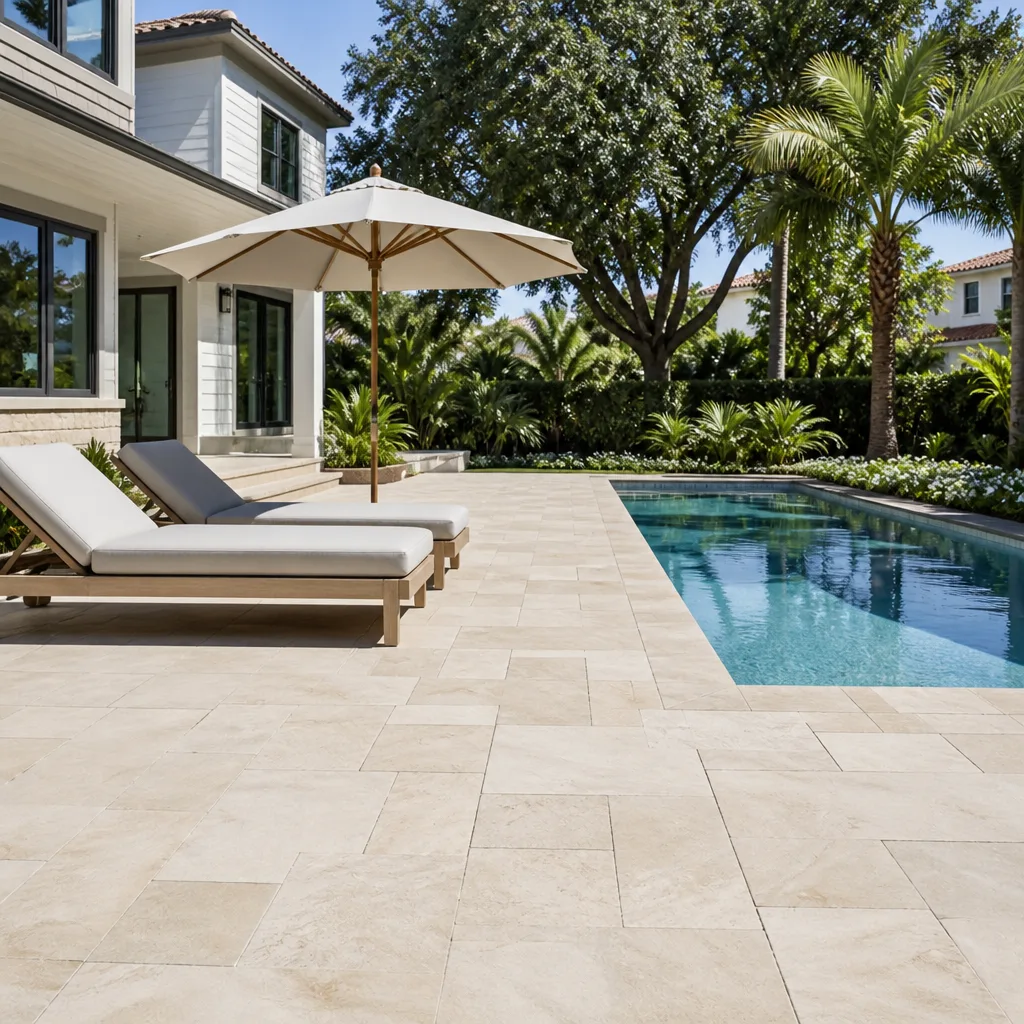
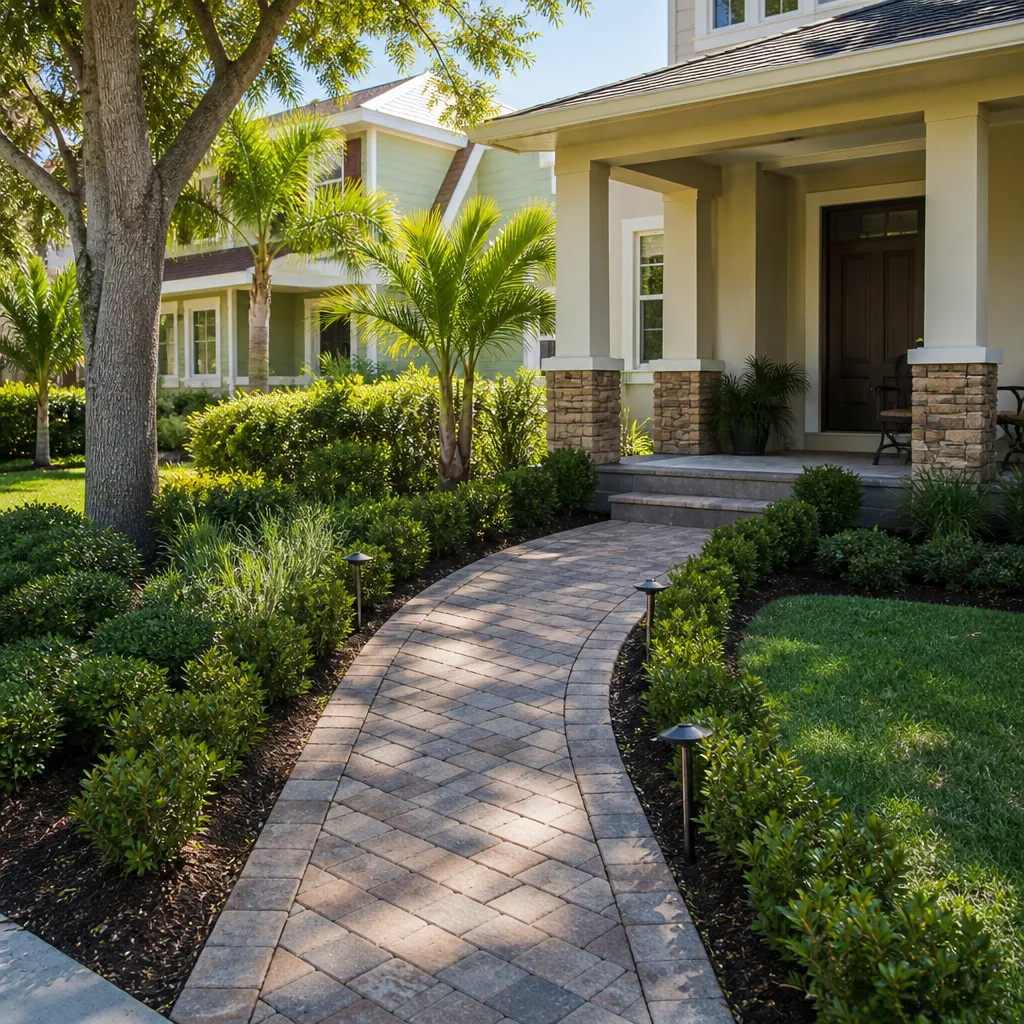
- Concrete and pavers: Belgard and Techo-Bloc both carry desert-rated lines with the color-fastness and salt-and-sun resistance that hold up in this market. Thin, low-density pavers crack under summer expansion. Ask about the density and the joint sand spec.
- Exterior paint and coatings: Elastomeric coatings and 100% acrylic exterior paints are the standard here. Oil-based products chalk and peel faster in UV. Elastomeric is what we use on stucco walls that face west in Paradise, because the surface temp on those walls can exceed 160°F in July.
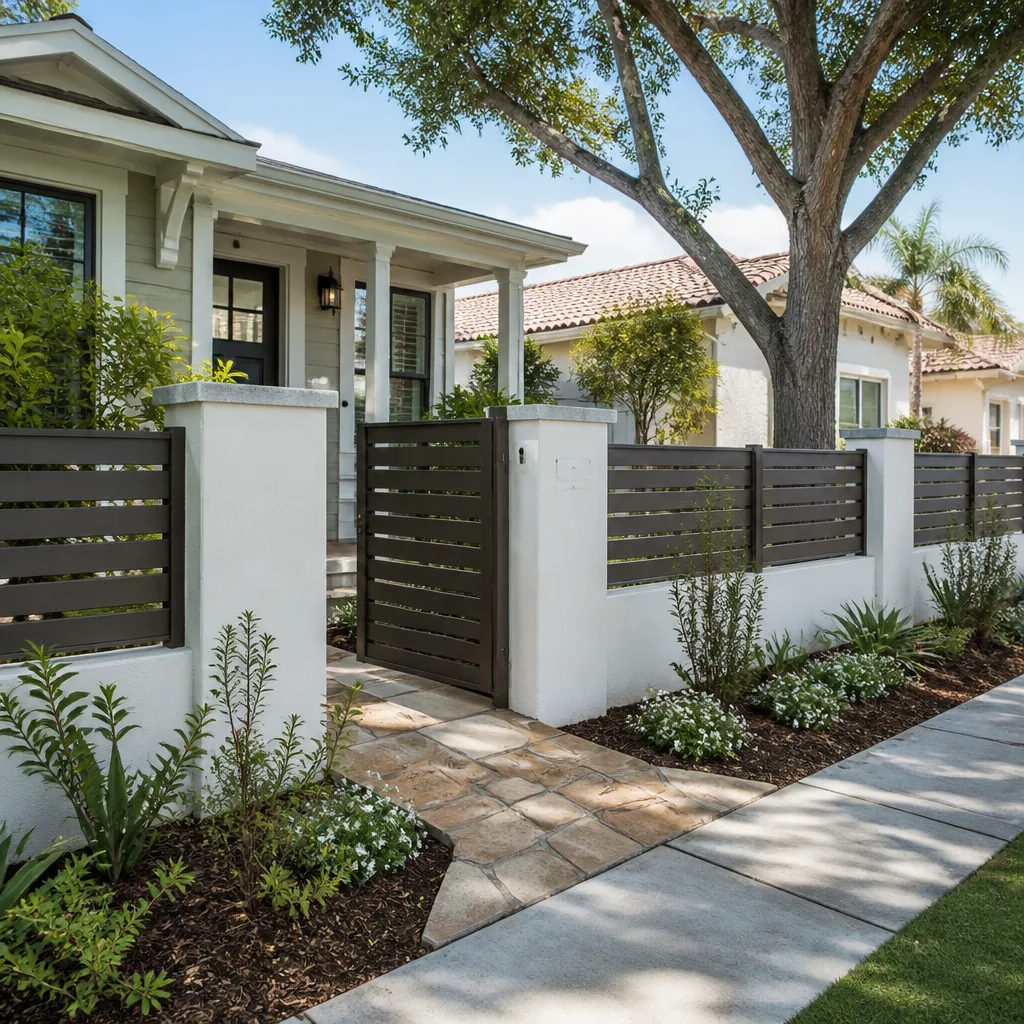
- Fencing: Master Halco and Ameristar both make steel and ornamental systems that hold up to sun and wind, but powder-coat quality varies by product line. Cheap powder coat chalks and peels within three to four years in Paradise. The good coat holds a decade or more. For a deeper look at fence options, see our page on Fence Installation in Paradise.
- Windows: Andersen and Marvin both offer Low-E glass packages and heat-rated frames. The frame material matters more in Paradise than the glass does. Vinyl can warp on a west-facing wall. Fiberglass or aluminum-clad hold the line.
Regional brands that sell well in cooler climates simply aren’t built for this. So when a national outfit quotes you a name you recognize but can’t find a desert rating for, that’s your cue to ask questions.
Manufacturer Warranty vs. Workmanship Warranty
These are two different promises and you need both in writing. The manufacturer warranty covers the product itself: defects in the shingles, failures in the window seal, cracking in the pavers. The workmanship warranty covers the installation: the nailing pattern, the flashing, the base prep, the caulk joints, the things that cause most failures in the first place.
Here’s why that distinction matters in Paradise. A GAF shingle that fails because of a manufacturing defect is a GAF claim. The same shingle that fails because it was nailed in the wrong spot or installed over wet decking is a contractor claim, and if there’s no workmanship warranty, you’re holding the bag. Manufacturers know this; that’s why most warranties require certified installation to stay valid. Skip the certified installer and you’ve voided the manufacturer side without realizing it, and you may not have a workmanship side to fall back on.
At Barrett & Sons Construction Paradise, every completed job is backed by our written 90-Day Done Right Promise: if something isn’t done right, one call brings us back to make it right. That’s not a substitute for the manufacturer warranty; it’s the layer underneath it, the one that covers the work the manufacturer never touched.
When you sign, you should have in hand:
- The manufacturer warranty document (not a summary, the actual terms)
- The contractor’s written workmanship warranty with length and exclusions spelled out
- A signed contract that names the exact product line and model (not “premium shingles,” but the actual product name)
- The proof of authorized installer status from the manufacturer
- The permit number for the job
If any of that is missing, the job isn’t ready to start. An allowance that isn’t on paper is a surprise waiting for a date, and a warranty that isn’t in writing is just a handshake that didn’t happen.
Comparing Two Bids That Use Different Brands
This is where most Paradise homeowners get stuck. One bid says $18,000 for a premium brand roof. Another says $12,000 for “architectural shingles.” Are those numbers really apples to apples? Rarely. To compare them honestly, you need to look past the brand name to lifespan, maintenance cost, and warranty coverage in this specific climate.
A workable framework:
- Get the exact product line from both bids. “Premium shingle” is not a product line. Ask for the model number and warranty tier.
- Look up the manufacturer’s published lifespan for this climate. Most manufacturers publish climate-adjusted life expectancy. A 30-year shingle in Ohio is often a 20-year shingle in Paradise. Ask for the desert-adjusted number.
- Estimate maintenance cost over the next 15 years. A mid-tier paver that needs re-sanding every three years in the desert adds up. A premium paver with the right joint system might need resanding every six to eight years. Do the math.
- Compare total cost of ownership, not just install price. Cheaper upfront rarely wins once you factor in replacements and repairs.
- Confirm the warranty is available to you at that bid level. Sometimes a bid is cheaper because it uses a product tier that voids the strongest manufacturer warranty.
- Check local code. Paradise and Clark County have wind and fire-rated product requirements for roofing and fencing in certain zones. A bid that doesn’t address those is a bid that may not pass inspection.
For a deeper look at how we approach outdoor hardscape materials, see Driveway & Pavers in Paradise.
Red Flags in Brand Selection
Most brand problems show up in the sales process, well before the install. When we look at bids a homeowner has already received, these are the patterns we see:
- They won’t name the product line. “Premium composite” or “high-end shingles” isn’t a brand. If they can’t name the model, they can substitute anything.
- “Contractor-grade” the consumer brand sells at the box store. Big-box versions of national brands are often a lower spec than the pro line of the same brand. That’s not a scam, but it needs to be disclosed, and the price should reflect it.
- Substitution after signing. A contract that says “or equivalent” without your written approval on a substitution is an open door. Every change should arrive in writing before materials move.
- No permit pulled. If the job requires a permit and they’re skipping it, the inspector never sees the flashing detail or the nailing pattern. That’s the whole reason the permit exists.
- No manufacturer certification proof. You asked, they dodged. That’s the answer.
- Warranty terms in fine print only. The 90-day workmanship or the manufacturer’s registration requirement should be on the front page, not buried.
- Regional product on a desert job. A paver built for a wet climate will look great on install day and terrible in three years. Ask for the desert rating.
Step-by-Step: Vet a Brand Before You Buy
Any homeowner can run this checklist in an afternoon. It’s how contractors evaluate brands for their own homes.
- Get the product model number and manufacturer name in writing. On the bid. Not over the phone.
- Look up the manufacturer’s desert or heat-rating spec sheet. Every premium brand publishes one. If they don’t, that’s information.
- Check the warranty registration process. Some warranties must be registered within a certain window after install. Miss it, lose it.
- Verify the installer’s authorization on the manufacturer’s website. Not just “we use their products” – actually on the list.
- Ask for two prior jobs of the same product in the Paradise area. Then drive past one.
- Confirm the exact product will be delivered to your job and stored properly. Composite decking stored in direct sun before install can warp. Roofing underlayment has storage requirements.
- Get the workmanship warranty in writing before work starts. The manufacturer warranty is the easier one to secure; the workmanship warranty is the one most outfits don’t offer.
If a contractor bristles at that list, that’s a signal, not a speed bump. A name you can verify is worth more than a discount you can’t.
Where Brand and Installation Meet on a Bigger Job
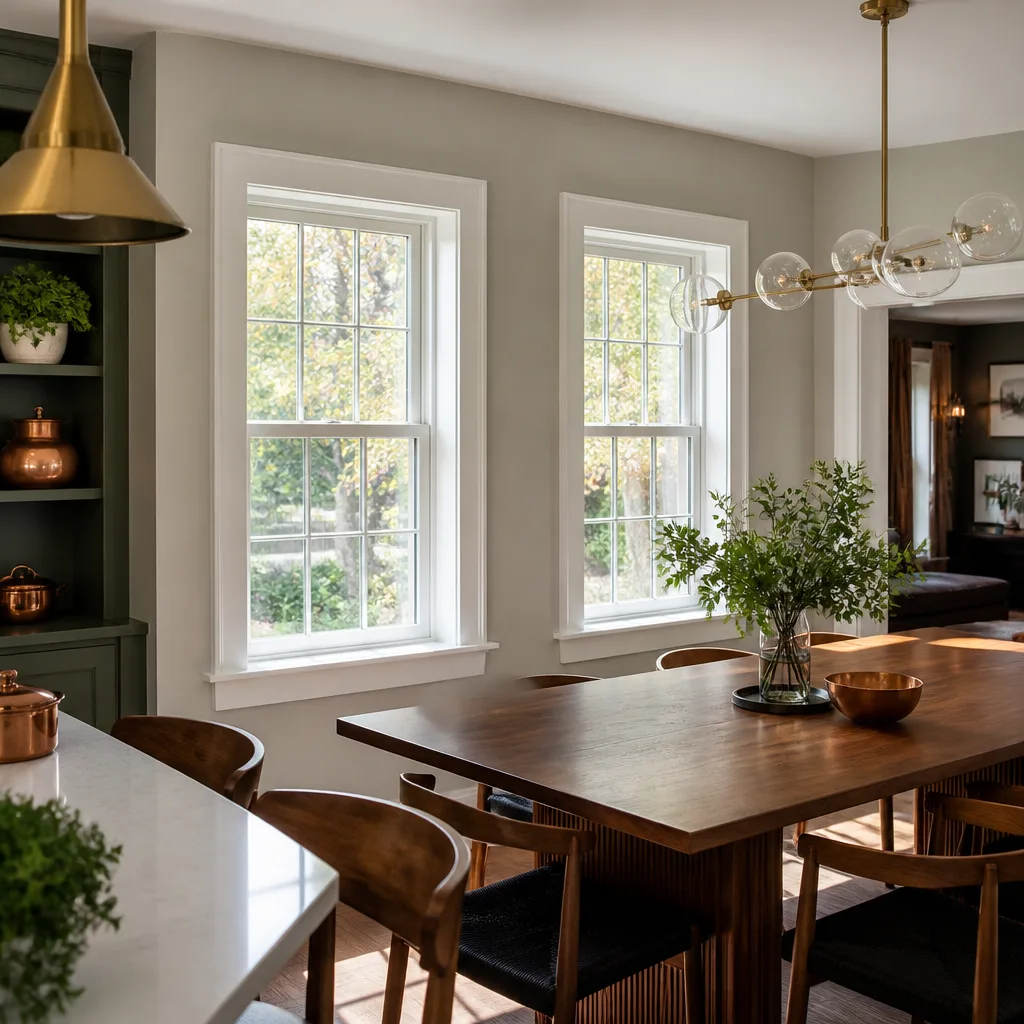
On additions, ADUs, and larger remodels, brand decisions stack. A roof over an ADU uses a different shingle spec than a main house. Windows on a west-facing addition need a different glass package than north-facing windows. Kitchen cabinetry lines like KraftMaid have to be specified per run, not just per room. The brand question is never a single answer; it’s a series of them, and each one has to be matched to what the structure actually faces in Paradise.
That’s why we walk the site before we quote on bigger work. A brand guide written for a subdivision lot isn’t the right guide for a rural Paradise property with a west wall that gets full afternoon sun. For a sense of how that plays out on larger projects, see Home Additions & ADU in Paradise. Our background-checked crew members work with up to 28 years of experience on installations where this matters, and we carry premium brands across every trade we touch because that’s how warranties stay intact.
Common Mistakes to Avoid
- Buying the brand and ignoring the installer. A premium brand installed by an uncertified crew is often worse than a mid-tier brand installed properly, because the warranty is gone and the specs are wrong.
- Assuming “30-year shingle” means 30 years in Paradise. UV exposure cuts most published lifespans by a quarter or more here. Ask for the desert-adjusted number.
- Accepting “or equivalent” without approval rights. Substitution after signing is common. Insist on written approval for any product swap before it ships.
- Skipping the manufacturing certification check. The single biggest warranty void in Paradise is an uncertified installer on a premium roof. Verify on the manufacturer’s site, not the contractor’s brochure.
- Not asking for the workmanship warranty. Manufacturer warranties cover products. Only the contractor warranty covers the install. You need both, in writing.
- Trusting a phone quote without seeing the paper. If the price on the phone and the price on the bid don’t match, that gap is the “contractor grade” substitution showing up in the numbers.
- Choosing the bundle over the spec sheet. A brand name on a wrapped bundle looks premium. Open the spec sheet and check the rating for high heat and UV. What’s on the wrapper isn’t what’s on the wall in ten years.
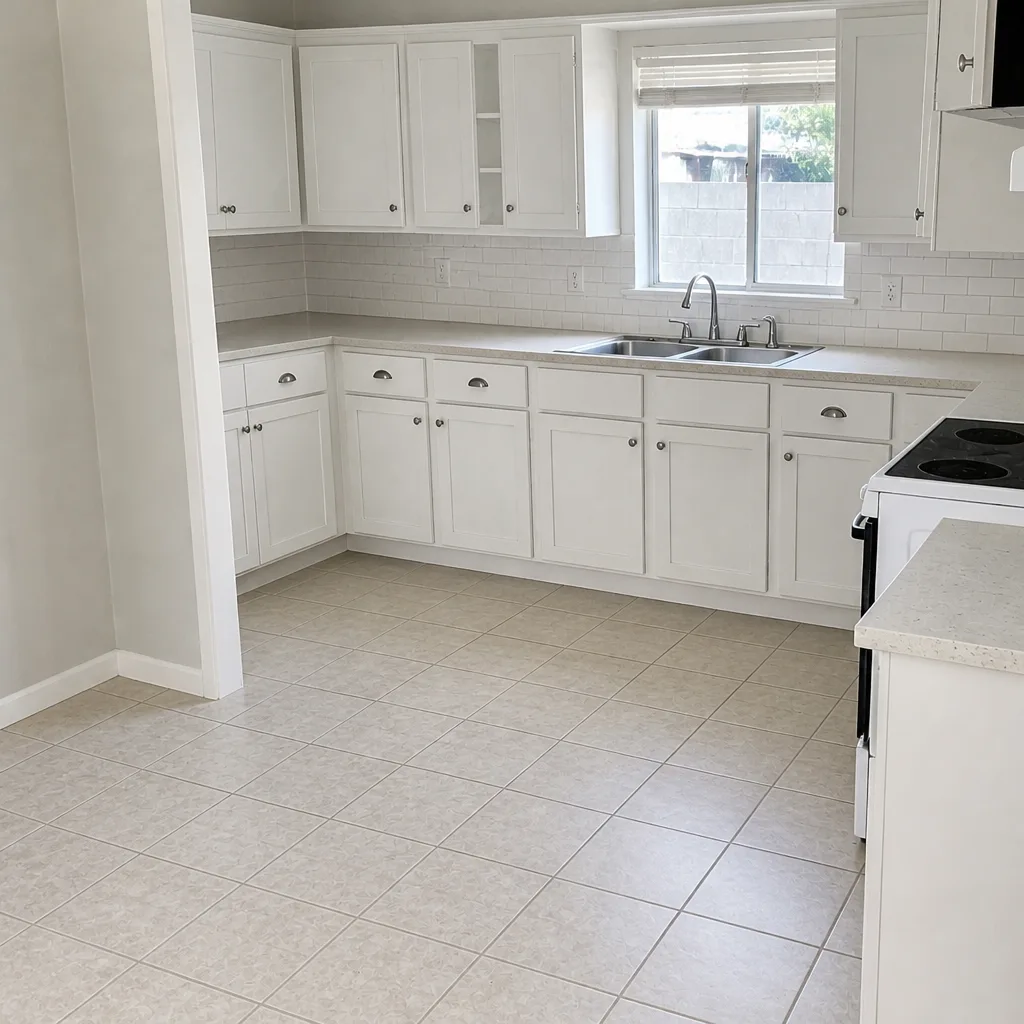
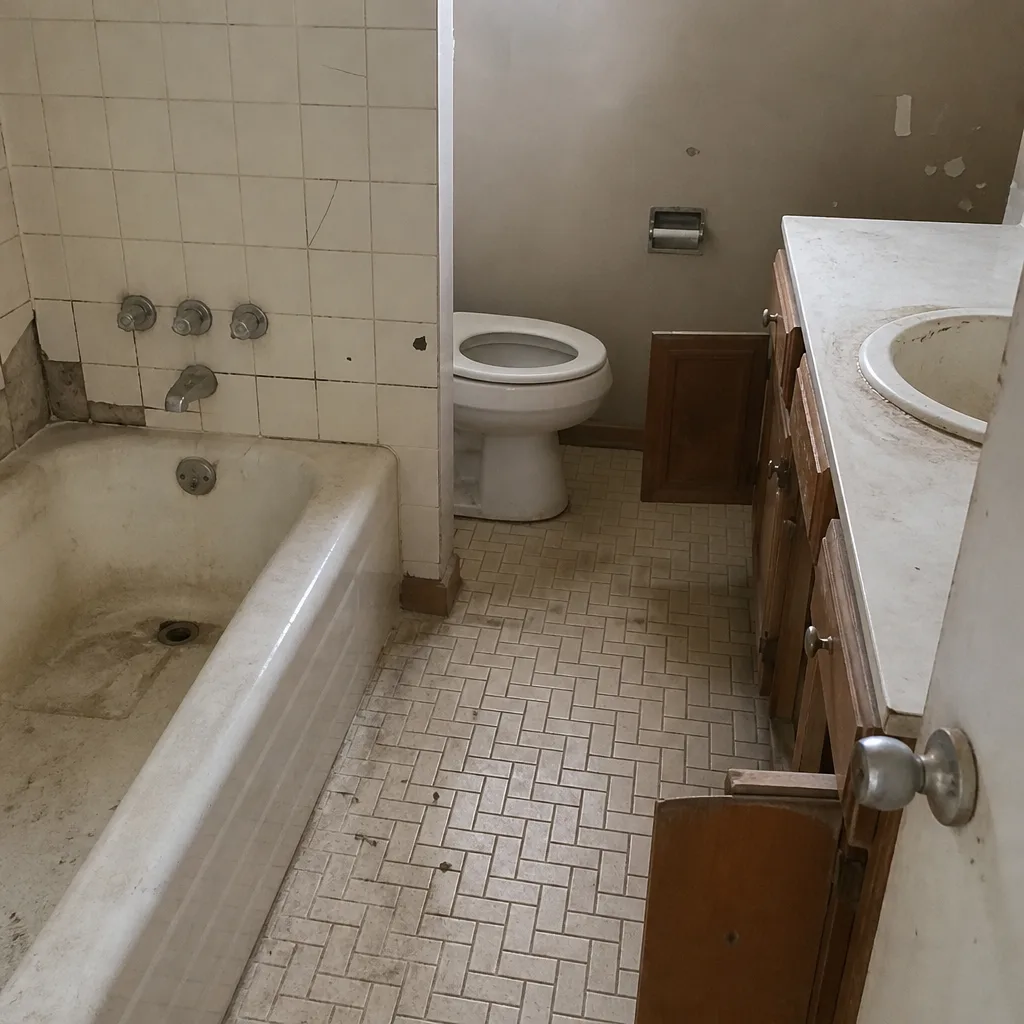
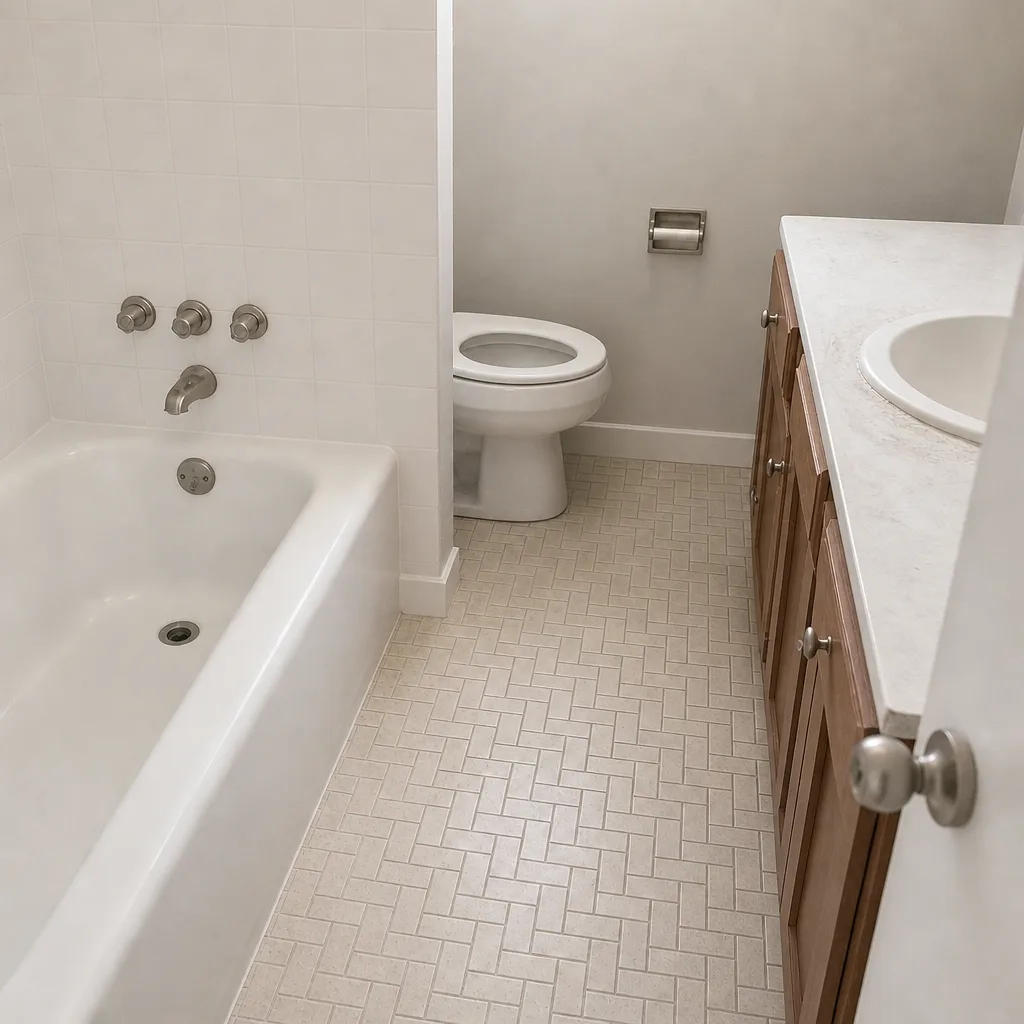
See the difference
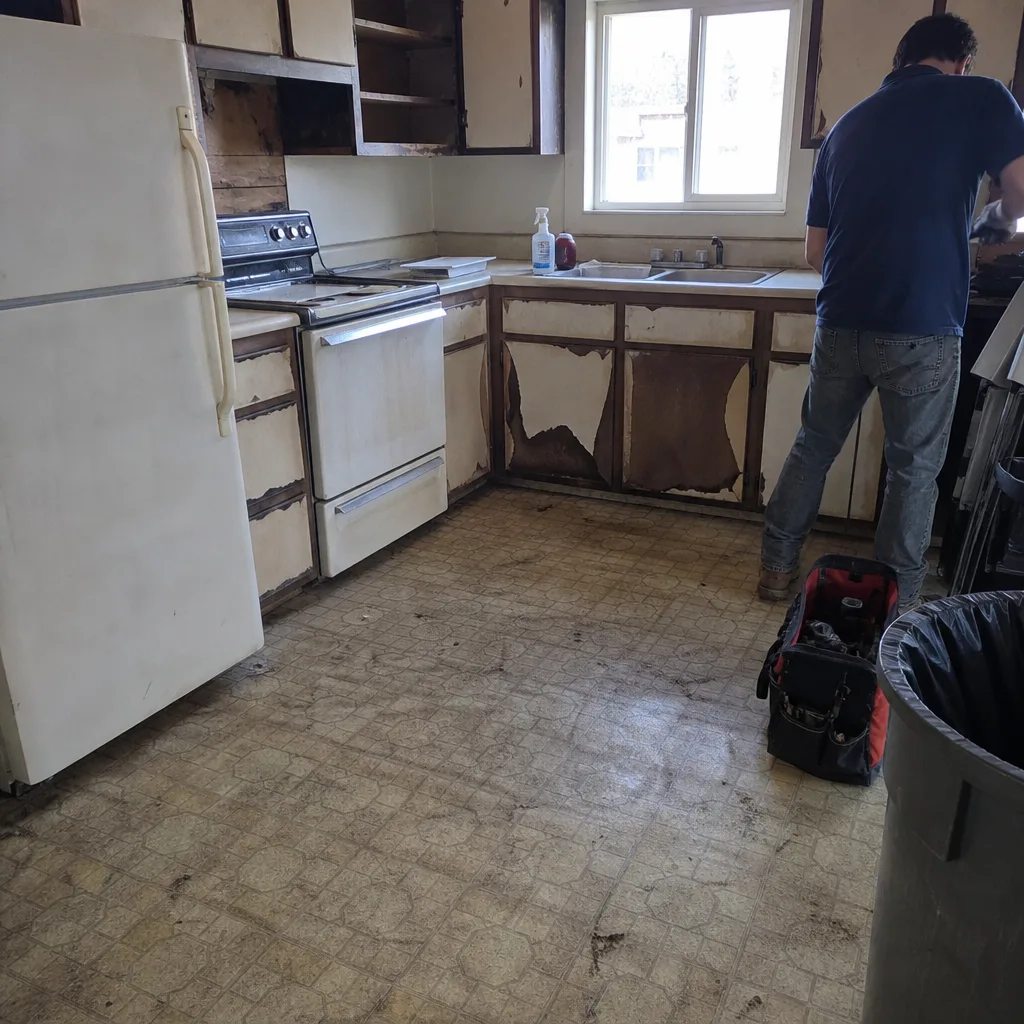 Before
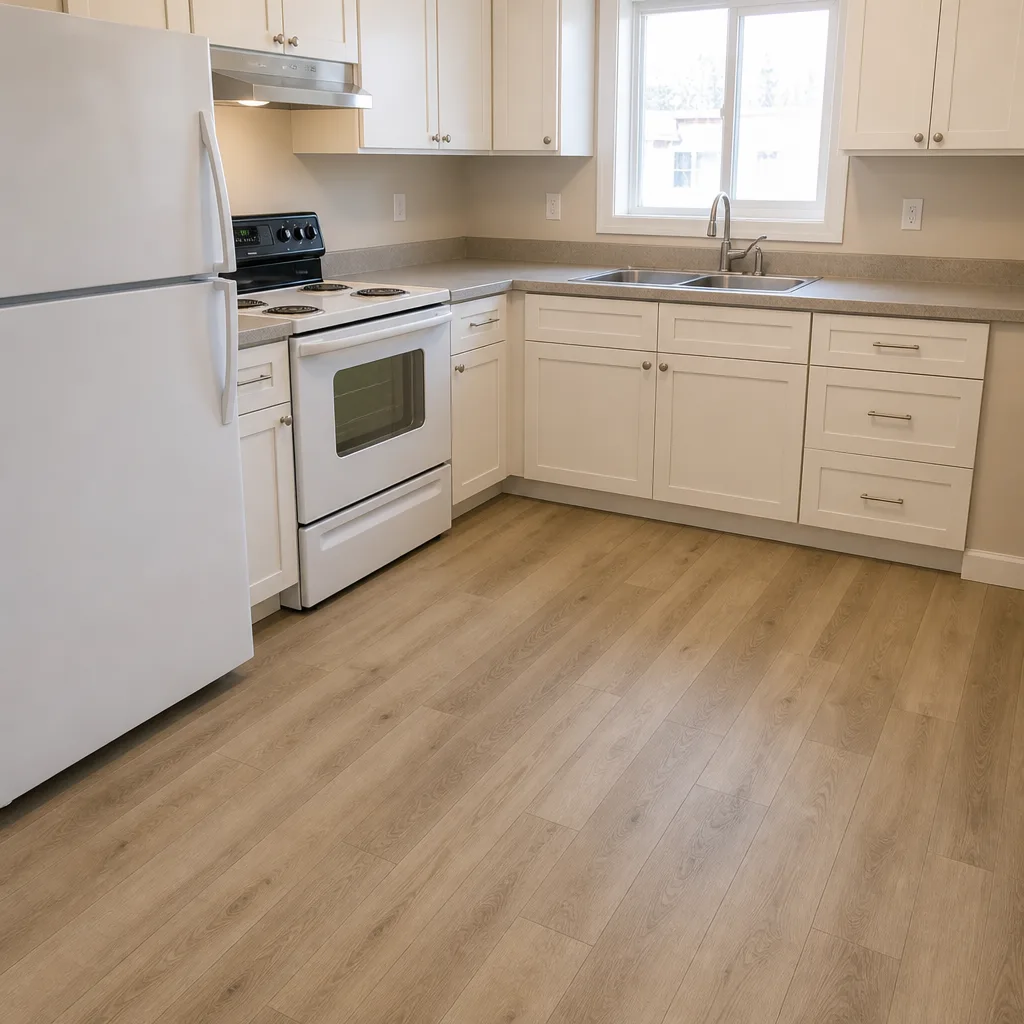 After
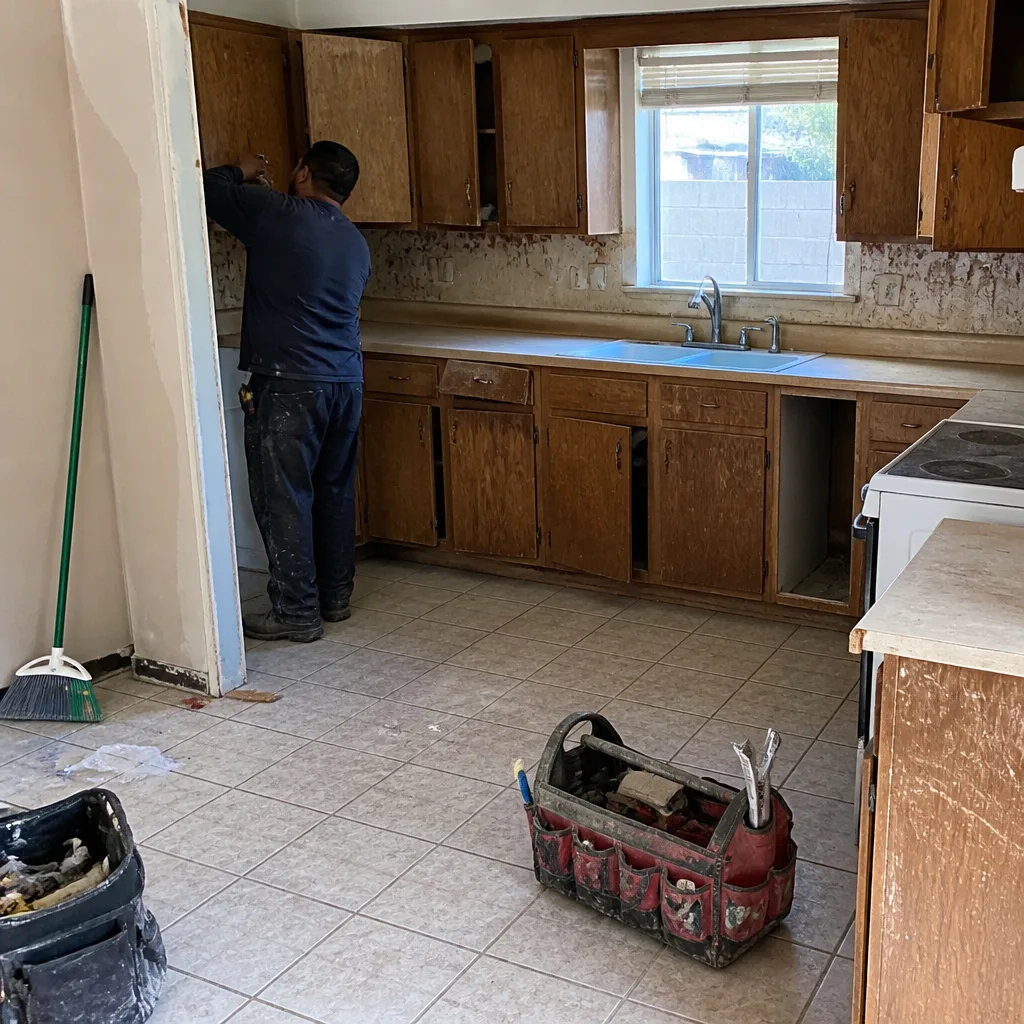 Before
 After
 Before
 After
When to Call a Professional
Some things you can check on your own: the manufacturer’s certification list, the model number on a bid, the warranty terms. Call a professional when the answer involves sizing a heat-rated roof system for a Paradise summer, matching a window spec to the direction of the sun, or confirming whether your ADU’s product choices will pass inspection. Those are the decisions that go wrong quietly and get expensive later. We pull permits on every eligible job because the inspector works for you; that’s why we like him. If you’re staring down a bid and everything on this list is missing, call us. Barrett & Sons Construction Paradise offers free estimates in Paradise and we’ll talk through any bid you’re holding, even if you didn’t get it from us. Call (855) 596-7029.
Frequently Asked Questions
GAF and CertainTeed both make systems rated for desert heat, and the right answer depends on which underlayment and ventilation system is paired with the shingle. A premium shingle installed over the wrong underlayment won’t hit its rated lifespan in Paradise. Ask for the desert-adjusted rating and the full system spec, not just the shingle name. Call (855) 596-7029 for a quote with the exact product line named on the bid.
Yes, because the manufacturer warranty is tied to the product line, not the installer’s skill. A great installer can make a mid-tier product last longer than spec, but they can’t convert a product rated for a wet climate into a desert-rated one. Both matter: the right brand and the right installer.
Look them up on the manufacturer’s website. GAF, Andersen, Marvin, and most premium brands publish approved-installer directories you can search by name and location. If your contractor isn’t listed, ask them for a current certification document. A contractor worth hiring will have one.
Not if the contract is written properly. Every scope change, allowance adjustment, and product substitution should arrive as a written change order before the work happens, so the number on your final invoice matches the number you agreed to. Call (855) 596-7029 for a written line-item quote.
Often yes, but only when the product is desert-rated and installed by an authorized installer. Premium products built for this climate last longer and need less maintenance, which usually wins on total cost of ownership over 15 years. Premium products built for a wet climate are worse than mid-tier desert-rated products.
Yes, every eligible job includes permits pulled and inspections signed. The permit exists so the inspector can verify the installation details that fail silently: flashing, nailing pattern, base preparation. Skipping the permit means skipping the verification. Call (855) 596-7029 for a free estimate on your Paradise project.
That’s a written change order situation. No substitution should happen without your approval in writing before the materials ship. If it does happen without approval, you have grounds to stop the job. Standing offers include a free second opinion on any written estimate, so call (855) 596-7029 if you need one.
The Bottom Line
Brand in construction is a three-way deal between the manufacturer, the installer, and you. In Paradise, that deal only holds when the product is rated for 100-plus degree heat and heavy UV, the installer is certified by the manufacturer, and you walk away with both a manufacturer warranty and a written workmanship warranty. Verify the product line, verify the installer, get everything in writing before work starts, and remember that no brand name saves a job installed against spec. If you want a second set of eyes on a bid you’re holding, call (855) 596-7029. Barrett & Sons Construction Paradise offers free estimates in Paradise, and every eligible job gets permits pulled, inspections signed, and a written 90-Day Done Right Promise on the contract. Senior and veteran homeowners get a permanent 10% discount, and every repair over $200 gets $40 off.
Written by the team at Barrett & Sons Construction Paradise.