Last updated November 18, 2026






Free written scope consultation - allowances, timeline, and change-order rules on paper before a single trade is scheduled
Fence Installation Warning Signs Every Homeowner Should Know
A contractor who can’t tell you the post-hole depth Clark County code requires for your fence height isn’t guessing. They’re planning to skip it. That’s the uncomfortable truth about fence work: the bids that look cleanest on paper are often the ones where the corners get cut where you can’t see them – below grade, behind a rail, under a bag of concrete. We’ve walked plenty of Paradise properties where a fence looked fine from the street and was leaning six months later. This guide teaches you to read contractor behavior, not Yelp stars: the writing, the permits, the materials, and the marks on the ground before any equipment moves.
Quick Answer
The biggest fence installation warning signs are a verbal price with no written change-order process, a contractor who brushes off permits with “we handle all that,” and a salesperson who disappears the day a subcontractor you’ve never met shows up. If a bid isn’t on paper line by line, if nobody filed a permit you can verify, or if the person who quoted the job won’t be around when it’s built, that’s your signal to walk. In Paradise, where caliche soil and triple-digit summers punish shortcuts, these signs show up fast.
Styles & brands we work with
- Kitchen remodeling
- Bathroom remodeling
- Home additions & ADU
- Roofing
- Windows & doors
- Driveway & pavers
- Fence
Table of Contents
- Why a Verbal Price Is the Biggest Budget Killer
- What a Real Permit Pull Looks Like (and the Brush-Off That Isn’t)
- The Disappearing Sub Pattern
- Material Red Flags: Connectors, Concrete, and Lumber Ratings
- What a Proper Pre-Dig Utility Mark Looks Like
- Why Paradise Conditions Expose Bad Fence Work
- How to Read a Fence Bid Line by Line
- Questions That Separate Real Contractors From Talkers
Why a Verbal Price Is the Biggest Budget Killer
A verbal price with no written change-order process is the single strongest predictor of a blown fence budget. Here’s the mechanism: the number you agreed to on the phone covers a scope that lives only in the contractor’s head. When the ground turns out to be caliche, or the gate needs a different hinge, or the property line sits two feet over from where someone assumed, there’s no paper to point to. You pay what you’re told at the end, and you have no leverage.
How far do costs drift? In our experience around Paradise, a fence job quoted verbally at, say, $4,200 can land at $5,600 to $6,800 by final invoice once “extras” get added – rock breaking, haul-off, stain, a gate upgrade nobody priced. That’s a 30% to 60% overrun, and it almost always traces back to one thing: no written scope and no change-order process. When a price change arrives in writing before the work happens, you get to say yes or no. When it arrives on the final invoice, you just get to pay.
What a legitimate bid includes:
- Line items, not a lump sum. Posts, panels, rails, gates, concrete, haul-off, and stain priced separately.
- Allowances spelled out. If a material might vary, the allowance is written down. An allowance that isn’t on paper is a surprise waiting for a date.
- A stated change-order process. Anything that changes scope gets a written order signed before the nail goes in.
- Linear footage and height stated. “About 120 feet” is not a measurement. 118 linear feet at 6 feet is.
If your contractor hands you a number on a napkin and a handshake, that’s not a deal. It’s an opening bid for the invoice you’ll see in eight weeks. Ask for scope in writing, allowances in writing, and change orders in writing. For a closer look at how we structure fence work, see our Fence Installation in Paradise page.
What a Real Permit Pull Looks Like (and the Brush-Off That Isn’t)
“We handle all that” is the phrase that usually means no permit was ever filed. A real permit pull leaves a paper trail you can check. Clark County and the City of Henderson issue fence permits for most residential installations over a certain height, and the process creates an inspection record tied to your address. If a contractor can’t produce a permit number, or waves off your question with a friendly “don’t worry about it,” worry about it.
Here’s what a legitimate permit pull actually looks like, step by step:
- You get a permit number. Not a promise to get one. An actual number you can look up with the county.
- The permit lists the fence height and location. It matches what you agreed to, on the correct property line.
- An inspection is scheduled. Someone from the jurisdiction comes out to check post depth, footing, and setbacks.
- You receive a signed inspection card. The job passes or it doesn’t. The record follows your address.
The permit inspector works for you, not for the contractor. That inspection is the one independent set of eyes on the part of the job you’ll never see – the buried posts and footings. A contractor who avoids permits is avoiding that inspection, and there’s only one reason to avoid it.
We pull permits and get inspections signed on every eligible job, because the last contractor most customers used told them permits were optional. They aren’t, and skipping them can come back to bite you at resale or when a neighbor disputes a property line. If you want to understand how permits fit into a bigger project, our Home Additions & ADU in Paradise page walks through the same discipline applied to structures.
The Disappearing Sub Pattern
Here’s a pattern we’ve seen more times than we’d like. A polished salesperson closes the deal at your kitchen table. Two weeks later, a truck you’ve never seen pulls up, and a crew you’ve never met builds your fence. The salesperson is gone. The company name on the contract may not match the license of the people doing the work. And nobody is bonded under the original company’s license.
This matters because the bond and insurance that protect you are attached to a specific licensed entity. When the work gets handed to a subcontractor who isn’t covered under that license, your recourse if something goes wrong shrinks to nothing. A gate that fails, a fence that leans, a crew member injured on your property – you want the licensed, insured company on the contract to actually be the one building it.
Warning signs of the disappearing-sub pattern:
- The person who quoted the job won’t be on site. Ask directly: “Who builds this, and will you be there?”
- No names, just “the crew.” You should know who’s showing up and under whose license.
- The contract names one company, the truck says another. That mismatch is your cue to ask questions before work starts.
- No proof of insurance tied to the entity on the contract. Ask to see it.
Our crews are the owner’s sons and their teams – background-checked people who carry the Barrett & Sons name, not dispatched labor from a stranger’s truck. When you hire a fence company in Paradise, you should be able to point at the crew and know whose name is on the paperwork they’re working under.
Material Red Flags: Connectors, Concrete, and Lumber Ratings
Bad materials don’t announce themselves either. They hide in three specific places, and once you know what to look for, you can spot them on the ground before the fence goes up.
Unbranded rail connectors. A proper rail bracket or connector carries a manufacturer’s stamp. Unbranded hardware off a bulk bin fails faster under desert heat cycling – metal expands and contracts daily here, and cheap connectors loosen within a season. Ask what brand of hardware is going in, and expect a real answer.
Undersized concrete bags per post. This is the quiet one. A fence post needs enough concrete to hold it plumb through soil movement and heat. When a crew pours one skimpy bag per hole instead of a properly sized footing, the post stays straight for a few months and then starts leaning. You can’t see the footing after it’s buried, which is exactly why it’s the shortcut of choice. Post-hole depth and footing size are also what the permit inspection checks, which is why a contractor who skips permits is often the same one skimping on concrete.
Pressure-treated lumber with the wrong treatment rating for ground contact. In desert heat and soil, the rating printed on the lumber matters. Lumber rated for above-ground use will rot at the base when it’s buried or touching soil. Ground-contact-rated material costs more and lasts longer. Ask to see the end tag or the stamp on the boards going into the ground. If the crew shrugs, that’s a sign.
We install premium, nameable materials – the kind you can look up, not mystery brands off a van. On the hardscape side of our work, that means brands like Techo-Bloc and Tremron; on fences, it means hardware and lumber you can verify. If you’re also planning a driveway or patio, our Driveway & Pavers in Paradise page shows the same brand-first approach.
What a Proper Pre-Dig Utility Mark Looks Like
Before any equipment turns a shovel of dirt, the utilities should already be marked. In Nevada, that happens through the 811 call-before-you-dig system, and it’s free. A contractor who wants to “just get started” without a mark is gambling with your water line, gas line, and electrical service – and losing that gamble means a repair bill and a stopped job.
A proper utility mark looks like this:
- Colored paint or flags on the ground. Different colors for different utilities – yellow for gas, blue for water, red for electric, orange for communications.
- Flags placed along the trench line. The path where the fence will go should be clearly marked before digging.
- A ticket or confirmation. The 811 service issues a locate request with a ticket number. Ask to see it, or ask when the mark was done.
If you look out your window and see fresh paint and flags along the fence line before equipment moves, that’s a good sign. If the crew is digging and there’s no mark on the ground, stop them. It’s your property and your utility lines. No mark, no dig – that’s the rule we work by, and it’s one you can hold any contractor to.
Why Paradise Conditions Expose Bad Fence Work
Fence work that would survive a mild climate for years falls apart fast in Paradise. Our summers push past 110 degrees, the ground swings between sun-baked and monsoon-soaked, and the soil in a lot of Paradise neighborhoods is heavy with caliche – a cemented layer that’s brutal to dig through and unforgiving to a poorly set post.
What that means for you: shortcuts fail faster here. A footing that’s a little light holds up for a season in a wet climate; here it leans by the second summer. A connector that’s a little loose works fine in moderate temperatures; here the daily heat cycle works it loose in months. A post with the wrong treatment rating rots at the base once the monsoon moisture gets into the soil. The desert is a stress test, and bad fence work flunks it on a schedule.
This is why the permit inspection and the footing matter so much in Paradise specifically. What’s buried under your fence line is doing the real work, and the desert finds out whether it was done right. We’ve watched fences in Paradise go from plumb to leaning within a single year because the footings were skimped. The fix costs more than doing it right the first time – by a lot.
How to Read a Fence Bid Line by Line
A fence bid tells you everything if you know where to look. Here’s how to read one before you sign anything.
- Is there a scope section? It should list linear footage, height, post spacing, gate count, and material type. Vague language (“standard cedar fence”) without a spec is a red flag.
- Is the concrete priced? Concrete, footings, and post depth should be described. If you can’t find how deep the posts go, ask.
- Is there an allowance line? If the bid has allowances, they should be itemized with a dollar figure. A blank allowance is a future change order.
- Is there a change-order clause? It should state that any scope change gets written approval before work proceeds. No clause means no protection.
- Is the permit line there? Permits and inspection fees should show up on the bid, not appear later as a surprise.
- Is there a warranty in writing? A real guarantee is printed on the contract, not spoken at the kitchen table.
Every project we do carries a written promise: the 90-Day Done Right Promise, printed on the contract. If it’s not done right, one call brings us back. That’s the standard we’d want on our own bid, so it’s the standard we hold ourselves to on yours.
Questions That Separate Real Contractors From Talkers
You can learn a lot in five minutes on the phone. Ask these questions and listen for specific answers, not friendly ones.
- “What post-hole depth does the code require for my fence height?” A real contractor knows. A talker changes the subject.
- “Will you pull the permit, and can I see the number?” The answer should be yes, and yes.
- “Who will physically build this, and will the person who quoted it be there?” Listen for a name and a yes.
- “What’s your change-order process?” The answer should be a written order signed before work, every time.
- “What brand of hardware and what lumber rating goes into the ground?” A paid professional can name both.
- “Will you have the utilities marked before you dig?” Yes, through 811, with a ticket. No exceptions.
If you get shifty answers to three or more of these, that’s your answer. Keep calling. Your fence is going to stand in Paradise heat for a decade or more – it’s worth finding someone who’ll answer the hard questions without flinching. Our free second opinion on any written estimate is a good way to put a bid through this filter; bring us the paperwork and we’ll read it with you.
Common Mistakes to Avoid
- Accepting a phone price as a real quote. A number on a call isn’t a bid. It’s a starting point for the invoice you’ll see later. Get it in writing, line by line.
- Believing “we handle all that” on permits. If there’s no permit number, there’s no permit. In Paradise, that inspection is your only check on the buried work.
- Not asking who’s on the crew. When the salesperson vanishes and a stranger’s truck shows up, your recourse shrinks. The licensed, insured company on the contract should be the one building.
- Ignoring the concrete. You can’t see the footings after they’re poured, which is exactly where the shortcut hides. Ask about post depth and footing size before work starts.
- Skipping the utility mark. No flags, no paint, no dig. A utility strike in Paradise costs more than the whole fence. Wait for the 811 mark.
- Taking the wrong lumber rating into desert soil. Above-ground-rated boards in the ground rot at the base. Ask for ground-contact rating and check the stamp.
- Signing without a change-order clause. No written process means every surprise is on you. Scope in writing, allowances in writing, change orders in writing.
See the difference
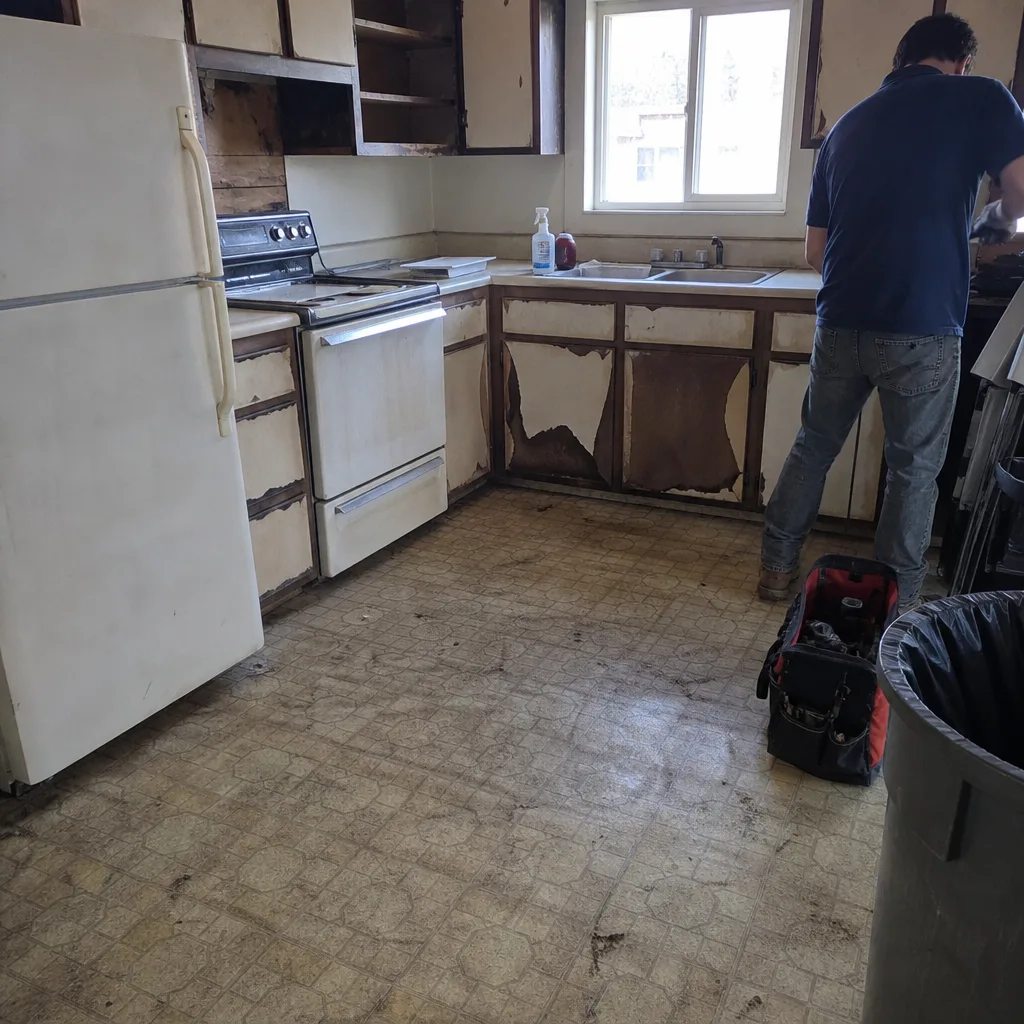 Before
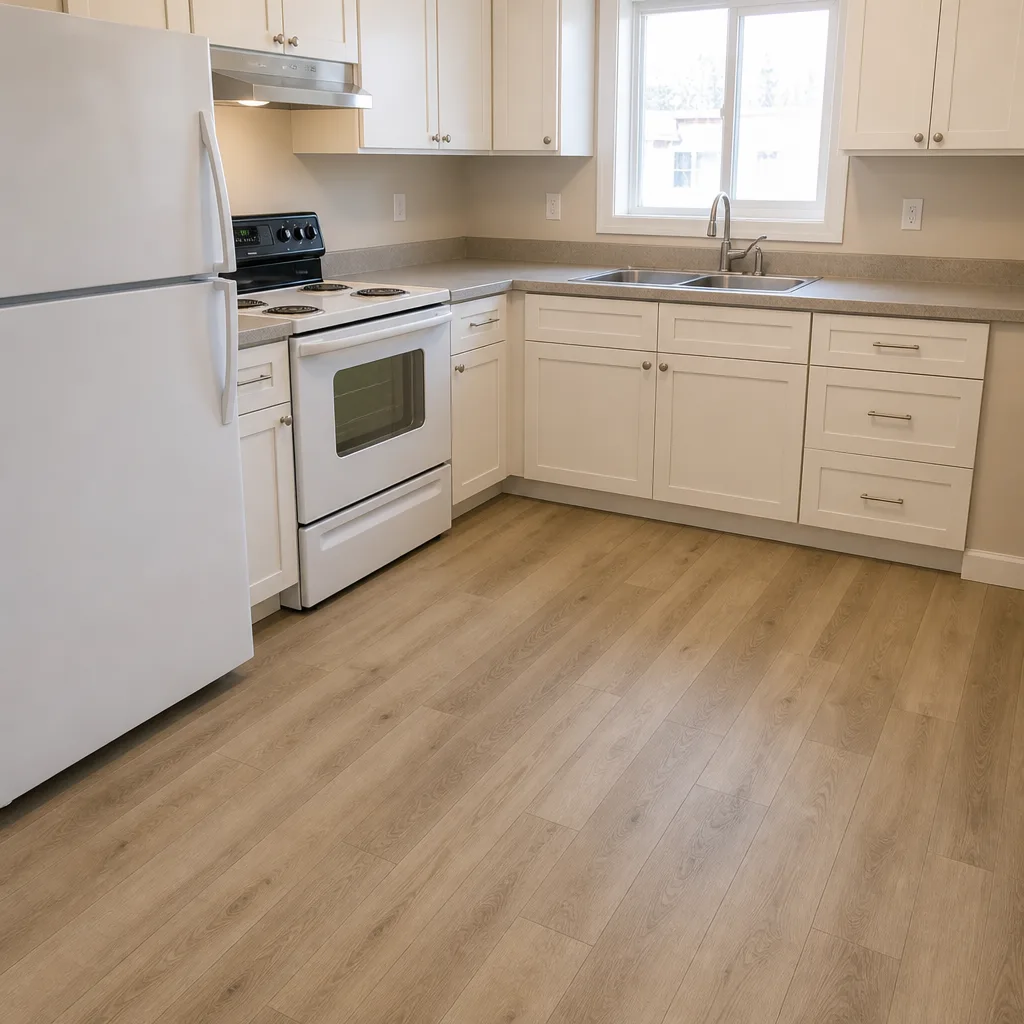 After
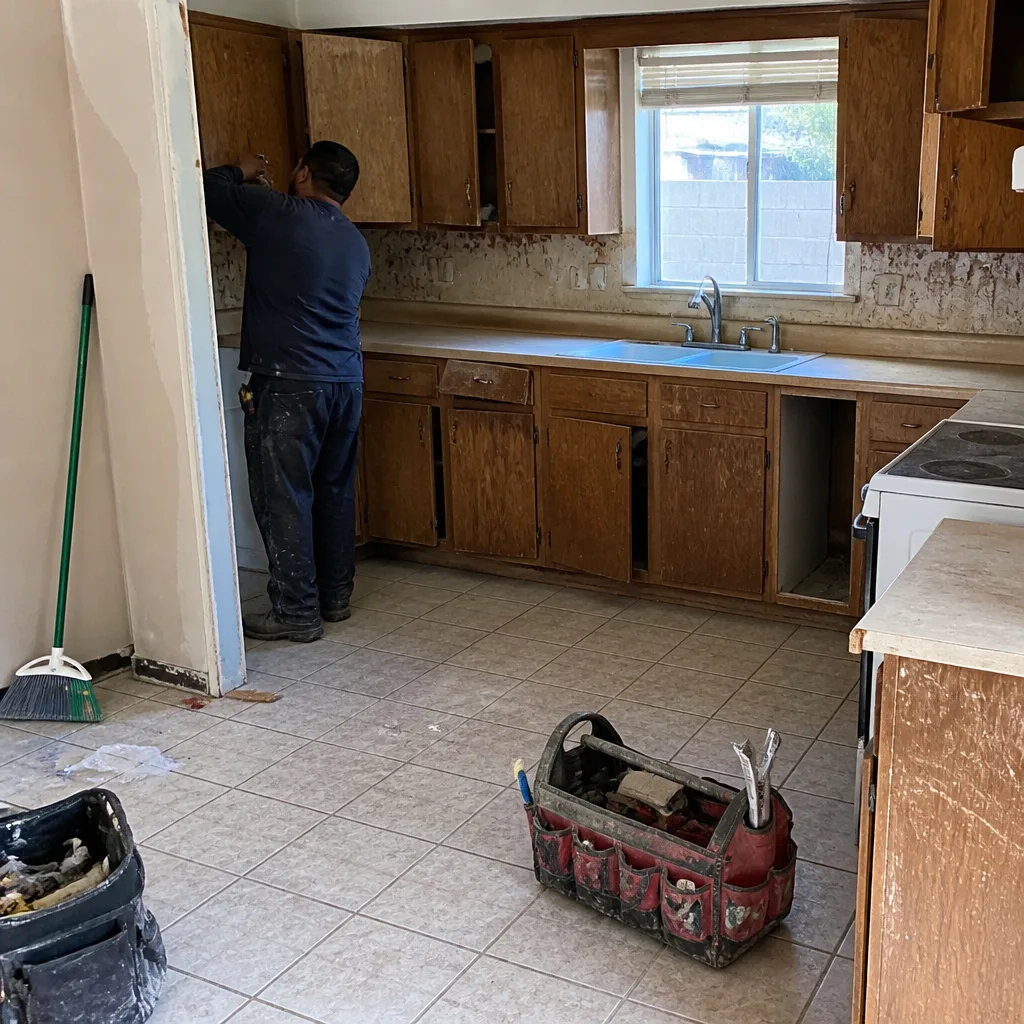 Before
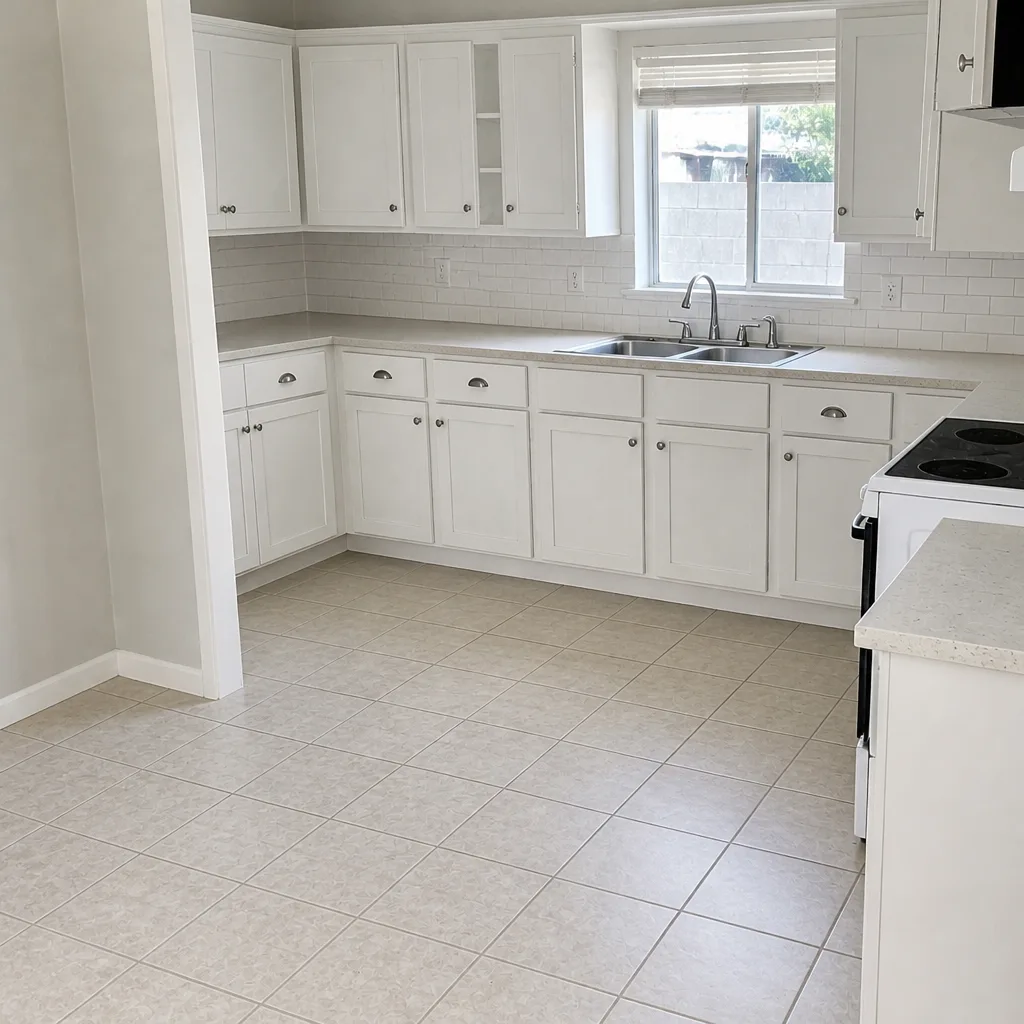 After
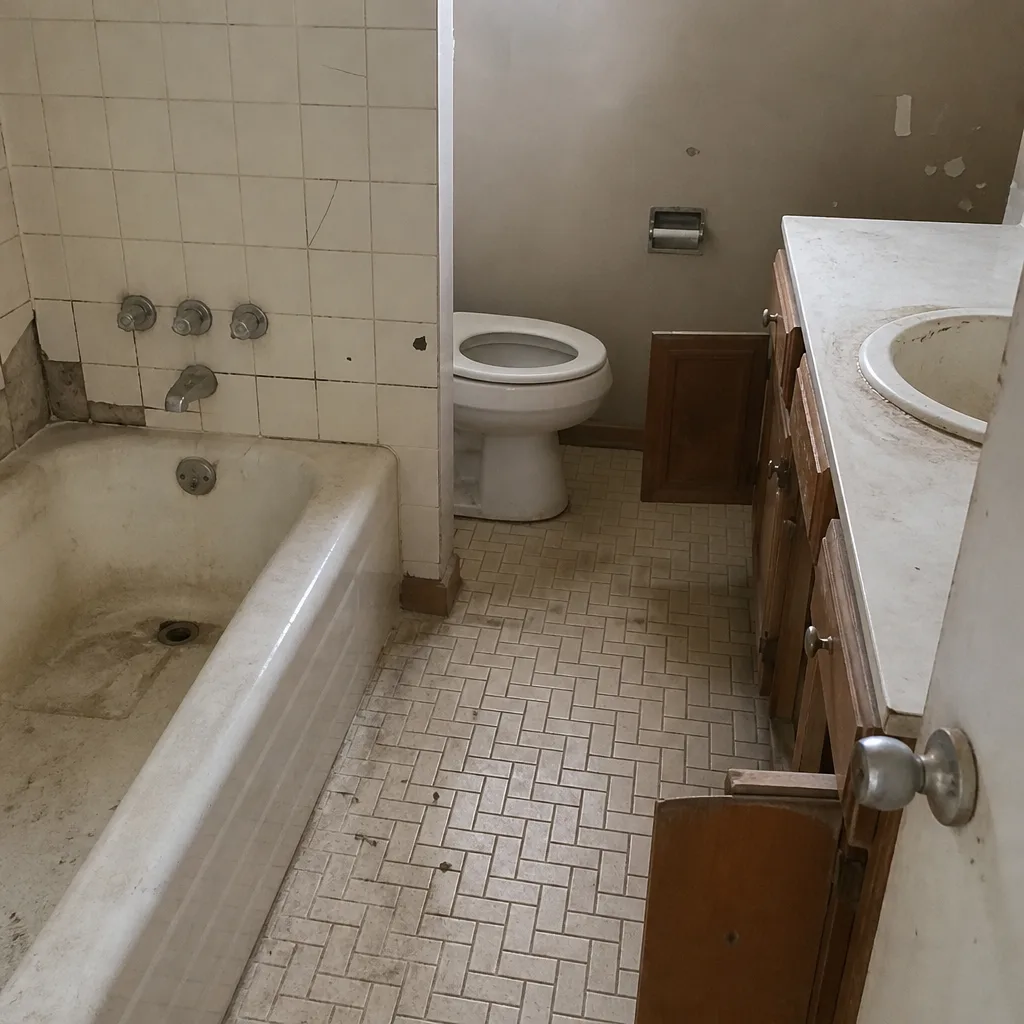 Before
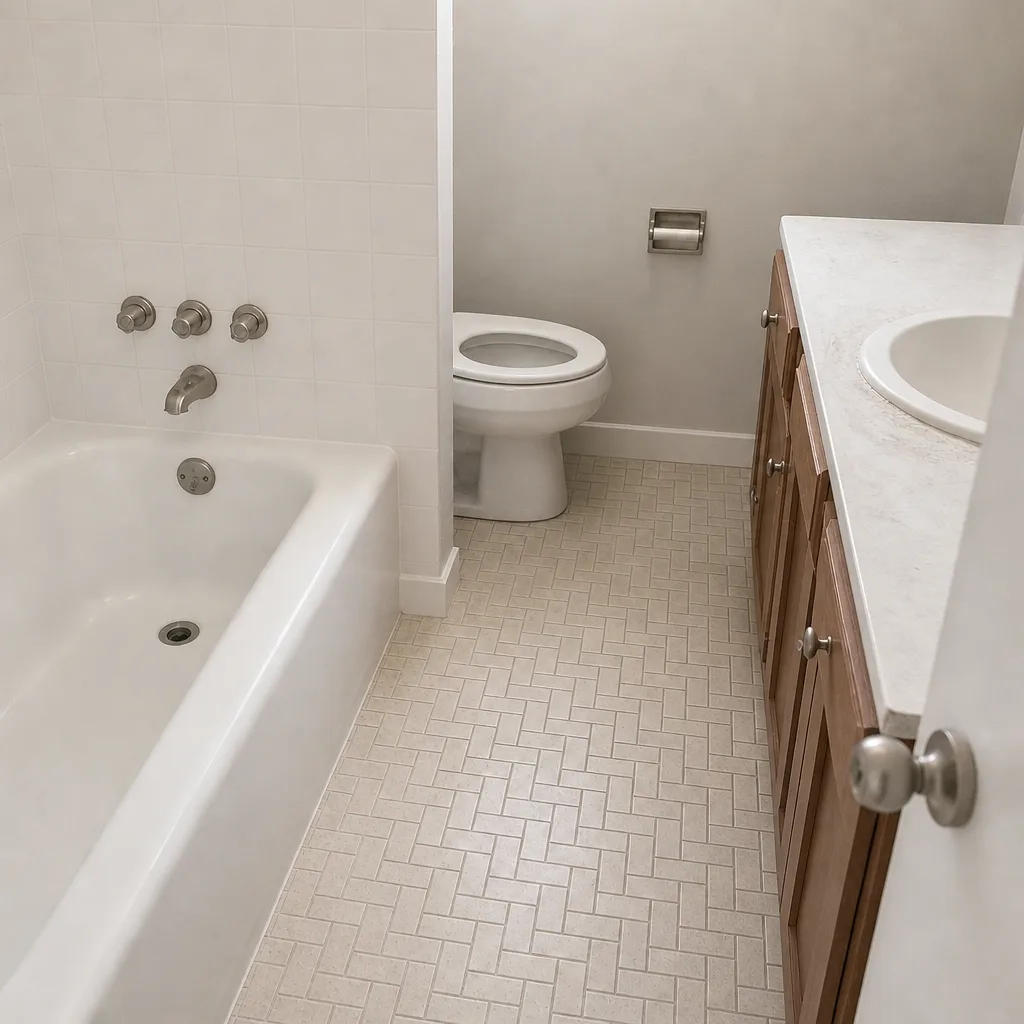 After
When to Call a Professional
Some fence problems you can live with. Others need a real contractor. If your posts are leaning, your footings are exposed, a gate won’t latch through the seasons, or you’re staring at a bid that reads like a riddle, that’s when to call. Property-line fences, anything over a certain height, and any job that needs a permit are not weekend projects – and utility strikes near your buried lines are a genuine safety concern, not a chore. A trained crew with the right equipment handles all of it correctly the first time. Barrett & Sons Construction Paradise offers free estimates in Paradise – call (855) 596-7029. We pull permits, mark utilities, and put every scope and change in writing.
Frequently Asked Questions
A verbal price with no written change-order process is the single biggest predictor of a blown budget. When the price lives only in the contractor’s head, every surprise becomes your problem. Ask for scope, allowances, and change orders in writing before you sign. Call (855) 596-7029 for a free written estimate – no verbal pricing, ever.
Most residential fences in Paradise and greater Clark County need a permit when they exceed the local height threshold, and the permit creates an inspection record tied to your address. Ask to see the permit number before work starts. If your contractor says “we handle all that” without a number, that’s a warning sign. We pull permits and get inspections signed on every eligible job – call (855) 596-7029 to talk it through.
In our experience around Paradise, a verbally quoted job can balloon 30% to 60% by final invoice once rock breaking, haul-off, stain, and gate upgrades get added. A written scope with change orders signed before work happens is what keeps that number honest. For an exact quote on your property, call (855) 596-7029 – estimates are free.
Ask for proof of insurance tied to the entity named on the contract, and ask who will physically be on site. When the salesperson disappears and a subcontractor you’ve never met shows up, the original company’s bond may not cover the work. Our crews are background-checked and work under our name – no strangers from a different truck. Call (855) 596-7029 with questions.
You should see colored paint or flags along the fence line and a locate ticket confirming the 811 utility mark was done. No mark means no dig. A utility strike on your property is a real safety and cost hazard. When we take on a fence in Paradise, the mark comes first, always. Call (855) 596-7029 to schedule a free estimate.
Summer heat above 110 degrees, monsoon moisture, and caliche-heavy soil stress every part of a fence, so shortcuts show up within a year or two instead of ten. Skimpy footings lean, cheap connectors loosen, and wrong-rated lumber rots at the base. It’s why the buried work and the material spec matter so much here. Call (855) 596-7029 to get a free estimate built for Paradise conditions.
The Bottom Line
The worst fence contractors look fine on the phone and reveal themselves only in writing – or in the absence of it. A verbal price with no change-order process, a brush-off on permits, a salesperson who vanishes when the crew arrives, and the wrong materials in the ground are all the same story: corners cut where you can’t see them. Your defense is paper. Scope in writing, allowances in writing, a permit number you can look up, utilities marked before the first shovel. Hold a fence contractor in Paradise to that standard and the shortcuts have nowhere to hide. Read our Barrett & Sons Construction Paradise home page to see how we work.
Ready for a free estimate with all of it in writing? Call (855) 596-7029 and talk to a live person today.
Written by the team at Barrett & Sons Construction Paradise.