Last updated November 18, 2026

Free written scope consultation - allowances, timeline, and change-order rules on paper before a single trade is scheduled
Driveway & Pavers Maintenance Schedule: What to Do and When
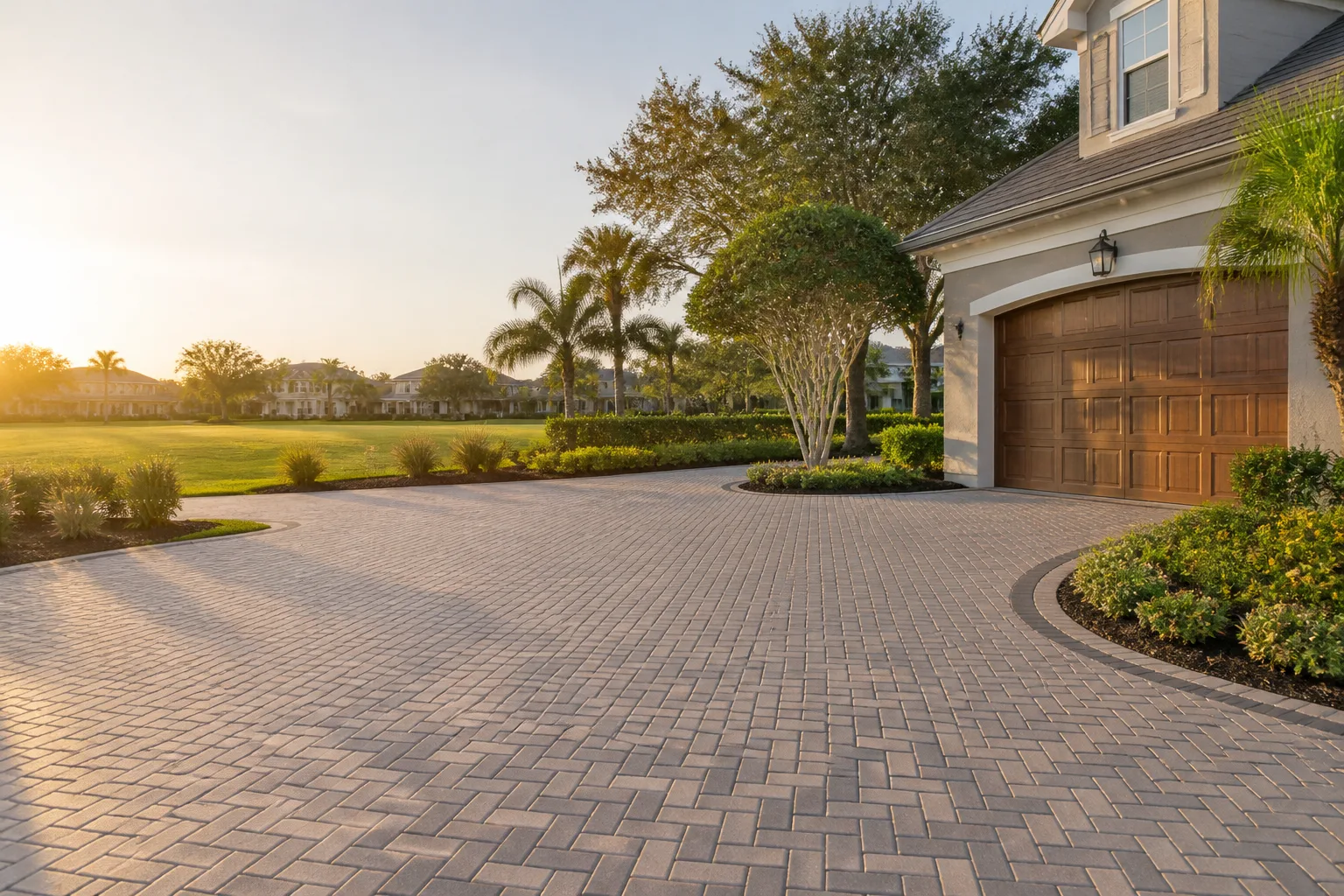
Sealing your pavers in July in Paradise is one of the worst things you can do. The sealer skins over on the surface while the desert sun bakes the substrate, and what should last five years peels off in one. Most paver care guides are written for a national audience with four mild seasons and regular rain. Paradise doesn’t have that. We have a UV index that climbs past 11 for weeks at a time, a monsoon window that arrives with fifty-mile-an-hour dust storms and sideways rain in the same afternoon, and a temperature swing in March and October that can hit 45 degrees between dawn and mid-afternoon. Pavers move in that. Joint sand shifts. Edge restraints crawl. A maintenance calendar built for Ohio will fail you here. This guide is the one for how the desert actually behaves.
Quick Answer
Paver driveway maintenance in Paradise follows a desert calendar: inspect joint sand and edge restraints in May before the monsoon, clean up displaced sand and debris in October after the rains, seal only between late October and early April when overnight temperatures stay above the sealer’s cure minimum, top-dress joints with polymeric sand every one to two years, and schedule a full base assessment at the five-year and ten-year marks. The single biggest mistake is sealing during summer heat.
Styles & brands we work with
- Kitchen remodeling
- Bathroom remodeling
- Home additions & ADU
- Roofing
- Windows & doors
- Driveway & pavers
- Fence
Table of Contents
- Why a Paradise Paver Driveway Needs Its Own Calendar
- May: The Pre-Monsoon Inspection Checklist
- June Through September: What to Watch and What Not to Do
- October: Post-Monsoon Cleanup and Repair
- The Only Correct Sealing Window in Paradise
- Annual Re-Sanding: Topping Versus Full Replacement
- The Five-Year and Ten-Year Milestones
- November Through April: The Off-Season Work That Matters
Why a Paradise Paver Driveway Needs Its Own Calendar
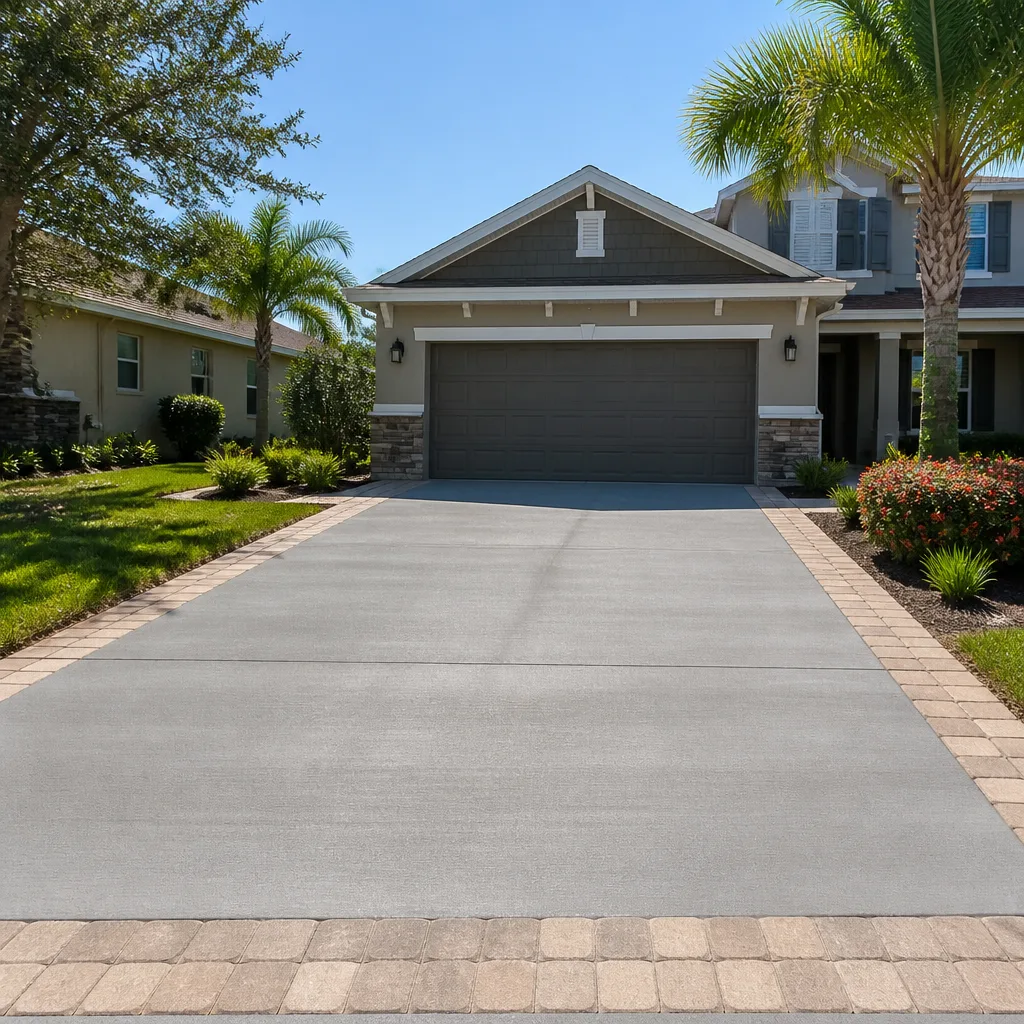
The maintenance schedule most homeowners find online was written somewhere with regular rainfall and mild summers. Paradise is the opposite. Our dominant stress isn’t water – it’s heat. A paver surface in direct July sun in Paradise routinely measures 140 to 160 degrees. The bricks themselves handle that fine if they’re properly installed Belgard or Techo-Bloc hardscape product. What doesn’t handle it well is everything holding the pavers together: the joint sand, the sealer, and the edge restraint adhesive.
Then the monsoon arrives. Between roughly late June and the end of September, storm cells drop an inch of rain in under an hour, often after weeks of nothing. That water hits ground that has baked hard and sheds it fast. It runs across the pavers, finds the weak joints, and pulls sand out through the gaps. It also piles debris against the edge restraints and lifts pavers where the base wasn’t compacted properly in the first place.
We’ve seen Paradise driveways that looked flawless in April and had three-quarters of an inch of joint sand missing by August. It’s not because anything was done wrong. It’s because the schedule was wrong. When we install a driveway in Paradise, we hand over a care sheet with the same calendar that’s in this guide. The install is half the job. The maintenance is what makes it last 25 years instead of 12.
May: The Pre-Monsoon Inspection Checklist
May is the highest-value maintenance month on the whole calendar. This is the last calm window before the monsoon, when the heat is climbing but overnight temperatures are still workable for repair products, and when any weakness in your joints or restraint system can still be fixed cheaply. Here’s the checklist we walk every year on driveways we’ve installed, and the one we recommend to any Paradise homeowner:
- Walk the whole driveway and look at the joint lines. Anywhere the sand has dropped a quarter-inch or more below the paver face, mark it with a piece of chalk. Those are the joints the monsoon will attack first.
- Check the edge restraints. Stand on the driveway edge and try to move the border pavers by hand. If any of them rock, the restraint spike or adhesive has failed. That’s the single most common pre-monsoon failure we find in Paradise.
- Look for settling or ponding. After ten minutes with a hose on the lowest spot, you should see water moving off the driveway within minutes. If it pools, the base has settled underneath.
- Pull weeds from joints by hand. Roots from a mature weed will loosen an entire paver when the rain comes. Don’t spray herbicide on polymeric sand – it breaks down the binding polymer.
- Inspect for efflorescence. That white chalky haze on the paver surface is salt migrating out. In Paradise it’s usually triggered by overwatering the lawn next to the driveway. A dry brush in May usually clears it before it sets.
- Clear all landscape overflow paths. If your driveway catches water off a neighbor’s slope or a landscape berm, make sure the intended path is clear before the storm season, not during it.
Any rocking edge paver, any sunken corner, any joint over half an inch missing sand – those are the things to fix in May. The cost of doing it now is a fraction of what it costs after the monsoon finishes the work for you.
June Through September: What to Watch and What Not to Do
During the monsoon, your maintenance job is observation, not action. Do not seal. Do not re-sand. Do not pressure wash. Summer in Paradise is when pavers should be left alone to expand and shift with the heat. What you can do is spot problems early.
- After each storm, look at the driveway. Notice where sand has washed out. That pattern tells you exactly where the grade is working against you.
- Clear debris from edge restraints. The monsoon pushes silt, leaves and gravel against the border pavers. That debris holds moisture, and moisture sitting against a restraint for months is what breaks the adhesive bond.
- Do not pressure wash. A pressure washer strips the joint sand out in direct proportion to how hard you push it. A garden hose and a stiff brush is enough for dust and monsoon mud.
- Watch for heaving after a storm. Any paver that rises above its neighbors during the monsoon is telling you the base beneath it has shifted. Mark it and address it in October.
- Skip the seal entirely. July and August in Paradise are the number-one months we get called to strip a peeling sealer that someone applied in the wrong window.
We keep this short for a reason. The monsoon work is patience. The real maintenance happens in the shoulder seasons, and if you jump the gun in July you’ll spend double what you saved.
October: Post-Monsoon Cleanup and Repair
October is when the driveway pays for itself. The monsoon has tested every joint and every restraint, the ground is still warm, and you have a six-to-eight week window before the nights get cold enough to interfere with polymeric sand and sealer cure. Use it.
- Do a full joint sand survey. Walk the driveway with chalk and mark every joint where sand is missing or below the paver chamfer. You’ll find more now than you did in May, and that’s normal.
- Clear all debris from the joints and the border. A stiff brush and a leaf blower, no washing. The joint needs to be dry and clean before new sand goes in.
- Clean the paver faces. A garden hose and a mild paver cleaner, applied with a soft brush, removes monsoon silt and the seasonal dust film that would otherwise trap under sealer.
- Repair any failed edge restraints. Failed adhesive, loose spikes, or creeping border pavers should be reset with fresh restraint adhesive and re-spiked. This is the single most important October task for a Paradise driveway.
- Address efflorescence now. If the monsoon left a white haze, an efflorescence remover applied with a soft brush and rinsed clean works while the weather is still mild. Don’t wait for winter.
- Check that water still runs off the driveway. Any low spot that collected water during the monsoon gets marked for a re-level in the winter window.
If you do one thing on this whole calendar, do this: get the post-monsoon joint sand survey done in October, not in March. The winter weather in Paradise won’t ruin a joint with thin sand. But the two thousand cycles of overnight expansion and daytime contraction over winter will loosen it further if the joint isn’t full. Top it up now and you avoid a full re-sand in the spring.
The Only Correct Sealing Window in Paradise
Late October through early April is the only reliable application season for paver sealer in Paradise. That’s a tighter window than most sealer labels suggest, and there’s a specific reason.
Every sealer has a “cure temperature” printed on the label. That’s the range of surface and air temperatures within which the sealer molecules cross-link properly. Too cold and the product stays tacky for days. Too hot and the sealer skins over before it bonds into the paver, which is why a driveway sealed in July looks glossy for a month and then flakes across the surface. On top of temperature, the surface itself has to be under about 90 degrees when the sealer goes down. A paver surface in direct July sun in Paradise reads 140 to 160. Even at six in the morning that surface is often still over 100.
The late-October-to-April window solves all of it:
- Air temperatures typically sit between 55 and 85 during the day, well inside most sealer cure ranges.
- Overnight lows in Paradise usually stay above the minimum cure temperature from October into early April.
- No monsoon storms in the forecast to wash a half-cured sealer out of the joints.
- Low UV intensity means the sealer doesn’t flash-cure on the surface.
Two details matter more than most people realize. First, the paver must be bone dry before sealer goes down – twenty-four to forty-eight hours of dry weather before application. Second, the joint sand must be full and stable before sealing. Sealing over a starving joint is worse than not sealing, because the sealer hardens the top of the joint while leaving a hollow underneath that the next monsoon will pull out. If your joints need re-sanding, do that first and let it cure for at least a week in dry weather before sealing.
If you hire this out, ask what the current surface temperature reads before the sealer comes off the truck. A crew that can’t answer that question shouldn’t be sealing a driveway in Paradise.
Annual Re-Sanding: Topping Versus Full Replacement
Not all re-sanding is the same job. Most Paradise driveways only need a top-dress every one to two years. Full joint replacement is a bigger job and only happens when the sand has reached the point where the joint can’t hold new material.
Here’s how to tell the difference:
- Top-dress (annual or every other year): joints are mostly full, but a quarter to a third of the joints have lost visible sand. No joints are more than half an inch empty. The sand that’s still there is firm to the touch.
- Full replacement (every five to seven years in Paradise, or after a failed sealer or a bad monsoon): most joints are missing sand, the sand still present crumbles between your fingers, or the sealer has peeled and taken the top of the joint with it.
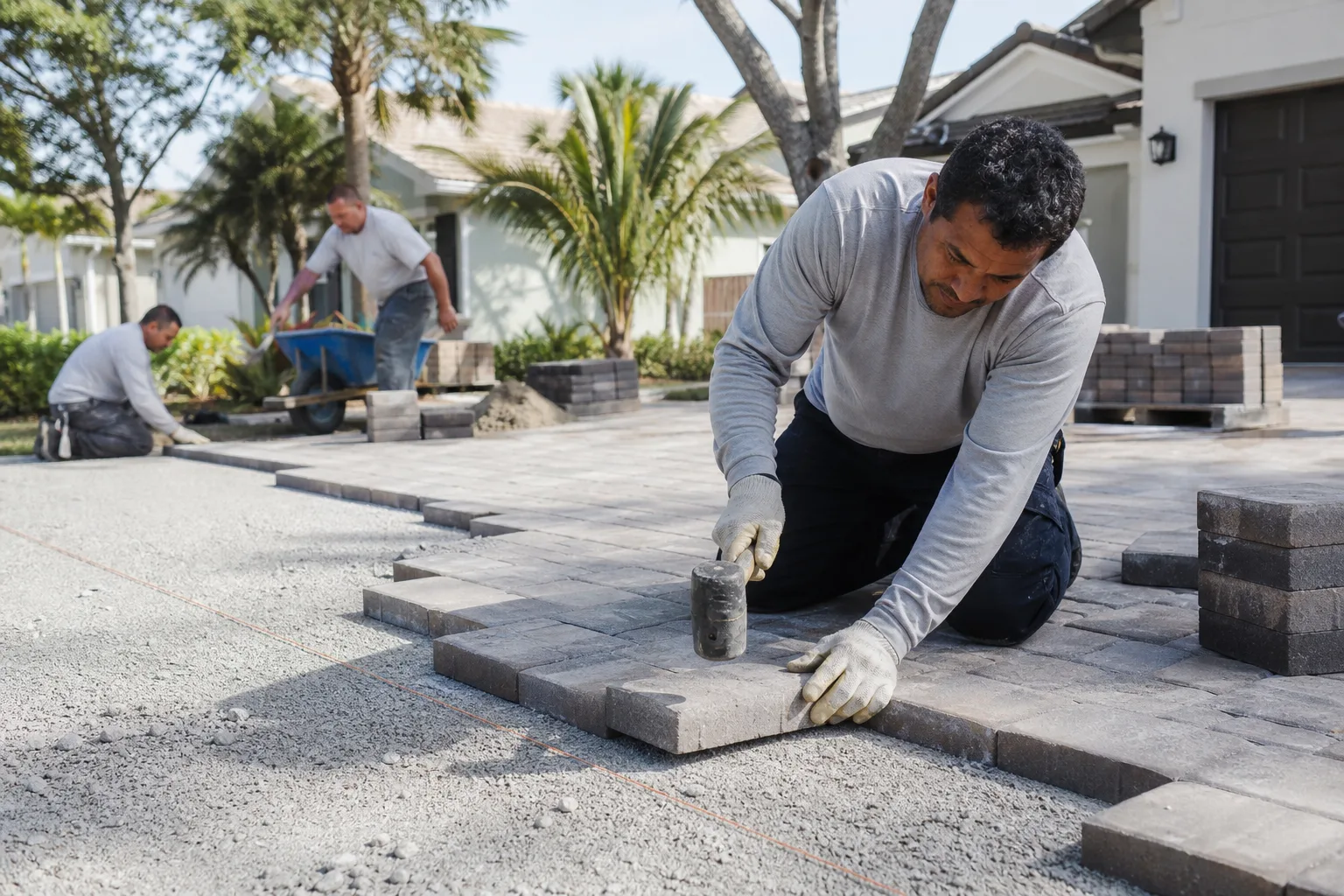
Topping is simple work if you do it right. Spread polymeric sand across the driveway surface with a hard-bristle push broom, working it into the joints at a low angle. Sweep the excess off the paver faces thoroughly before you wet it, because once cured on a paver face, polymeric sand is a chisel job. Then mist the joints gently with a hose – not a pressure stream – until the sand sets. Let it cure for at least twenty-four hours without foot traffic, and forty-eight before any vehicle drives over it.
The trick that keeps pavers from lifting during a re-sand is to work the sand into the joints with the broom and not force it under an edge. If a paver is rocking before you start, settle it first. Sand going under a lifted paver is how pavers get pushed up higher and start to trip feet.
For any driveway installed with a proper polymeric joint and sealed in the correct window, we usually see top-dress needs every eighteen months in Paradise. If you’re topping every spring, look at the underlying issue: either the joint sand is the wrong kind, the driveway isn’t sealed, or water is running through the driveway rather than across it. Our Driveway & Pavers in Paradise installation page covers what a base built for our soil should look like, if you want to know what to compare your driveway against.
The Five-Year and Ten-Year Milestones
Most Paradise paver driveways need two professional checkups in their life: one around the five-year mark, and one around the ten-year mark. These aren’t emergency calls. They’re planned inspections that catch small problems before they become replacement decisions.
The Five-Year Inspection
- Edge restraint assessment. The restraint adhesive and spikes have usually weathered five monsoon seasons and five summers of extreme thermal cycling. Any loose segments get re-adhered and re-spiked.
- Full joint evaluation. A five-year mark is typically the first full joint replacement, especially if the driveway hasn’t been topped annually. Old polymeric sand gets broken out, joints refilled and re-sealed in the correct window.
- Base probe at low points. If any area has settled, we probe the base with a steel rod to check compaction. Minor settling can be corrected by lifting individual pavers and re-bedding on fresh base material.
- Restraint and drainage review. Confirm that water still sheets off the driveway and doesn’t pond against the garage apron or a low corner.
The Ten-Year Inspection
- Full base assessment. At ten years in Paradise, we expect to find some base settlement that isn’t worth chasing paver by paver. The realistic options are (a) lift a small area and re-bed, or (b) start planning for a full re-level.
- Decide whether a professional re-level pays for itself. A re-level – lifting, re-grading the base, and resetting pavers – costs a fraction of a new driveway and resets the clock. If the pavers themselves are still solid (Belgard and Techo-Bloc product will easily go 25 to 30 years), re-level beats replacement almost every time. If more than about 15 percent of the pavers are cracked, chipped or worn through, replacement is the better spend.
- Restraint and drainage re-evaluation. At ten years, we check whether the driveway has settled relative to the street, whether the garage apron has shifted, and whether monsoon runoff is still getting away cleanly.
The five-year inspection typically costs a few hundred dollars. A full replacement on a standard three-car Paradise driveway runs five figures. Spending the first to avoid the second is the easiest math in the whole guide.
November Through April: The Off-Season Work That Matters
Winter in Paradise is the working season for pavers. The nights are cool, the afternoons are mild, and the sealer and polymeric sand cure reliably. If you’ve been putting off sealing, re-sanding or a small re-level, this is when it happens.
- Sealing window: any dry stretch between late October and early April, with overnight lows above the product’s cure minimum and no rain forecast for seventy-two hours.
- Full re-sanding window: same range, but wait at least a week after re-sanding before sealing to let the polymeric sand cure into the joints.
- Small re-leveling: ideal from November through February, when a localized settlement issue can be addressed without fighting the summer heat.
- Restraint repair: any time in the cooler months. Restraint adhesive and spikes set best when the temperature sits between 55 and 85.
- Spring prep in March: do a walk-through and mark any joint that’s drifted or any paver that’s shifted before the heat comes. This is your dry run for May.
We do most of our driveways and paver work in Paradise in this window, and there’s a reason: it’s the only window where every step of the process – polymeric sand, sealer, restraint adhesive – behaves the way the manufacturer designed it to. Homeowners often assume spring is the best time to seal because it feels like the season of renewal. Late winter is better. Spring is the catch-up window.
Common Mistakes to Avoid
- Sealing in summer. This is the number-one mistake we see in Paradise. A driveway sealed in July or August looks good for about a month and then peels off in sheets. The paver surface is simply too hot for any sealer to bond.
- Pressure washing the joints. A pressure washer strips polymeric sand out of the joint in seconds. The cost of a cheap pressure wash is a full re-sand job later.
- Topping with plain mason sand instead of polymeric. Plain sand washes out with the first monsoon. Polymeric sand locks in place and stands up to the way Paradise rain actually arrives.
- Ignoring loose edge pavers. One rocking border paver in May becomes a chain of them by October, because the monsoon gets behind the restraint and works the whole edge. Fix the edge in May, not after the damage.
- Skipping the post-monsoon joint sand survey. Every year we get called out to a “suddenly failing” driveway that just needed a top-dress in October. The failure wasn’t sudden; it was a winter of expansion cycles working on joints that were already empty.
- Assuming all pavers need replacing at ten years. Most don’t. A Belgard or Techo-Bloc driveway that was installed right and maintained on this calendar will comfortably go 25 to 30 years in Paradise. A re-level at ten years is usually the correct answer, not a new driveway.
- Treating efflorescence like a stain. That white haze is salt, not dirt. Scrubbing it harder makes it worse. Use an efflorescence remover and address the water source that’s causing it – often landscape irrigation overshooting the driveway.
Most of the driveway and paver problems we get called about in Paradise trace back to one of these seven. If you avoid them, you’re ahead of ninety percent of the driveways in the neighborhood. If you’re also planning fence or landscape work around the driveway, our Fence Installation in Paradise page covers how restraint and drainage lines up with fence footings at the property boundary.
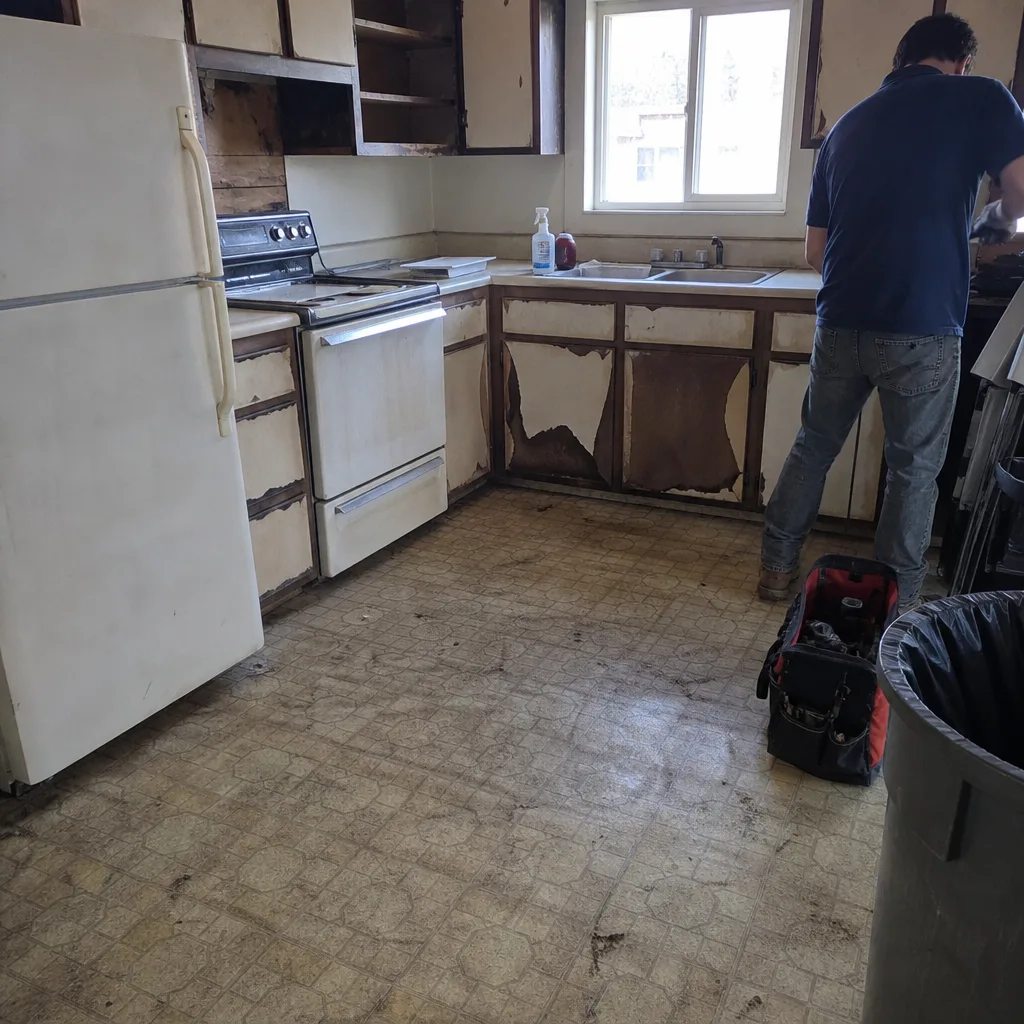
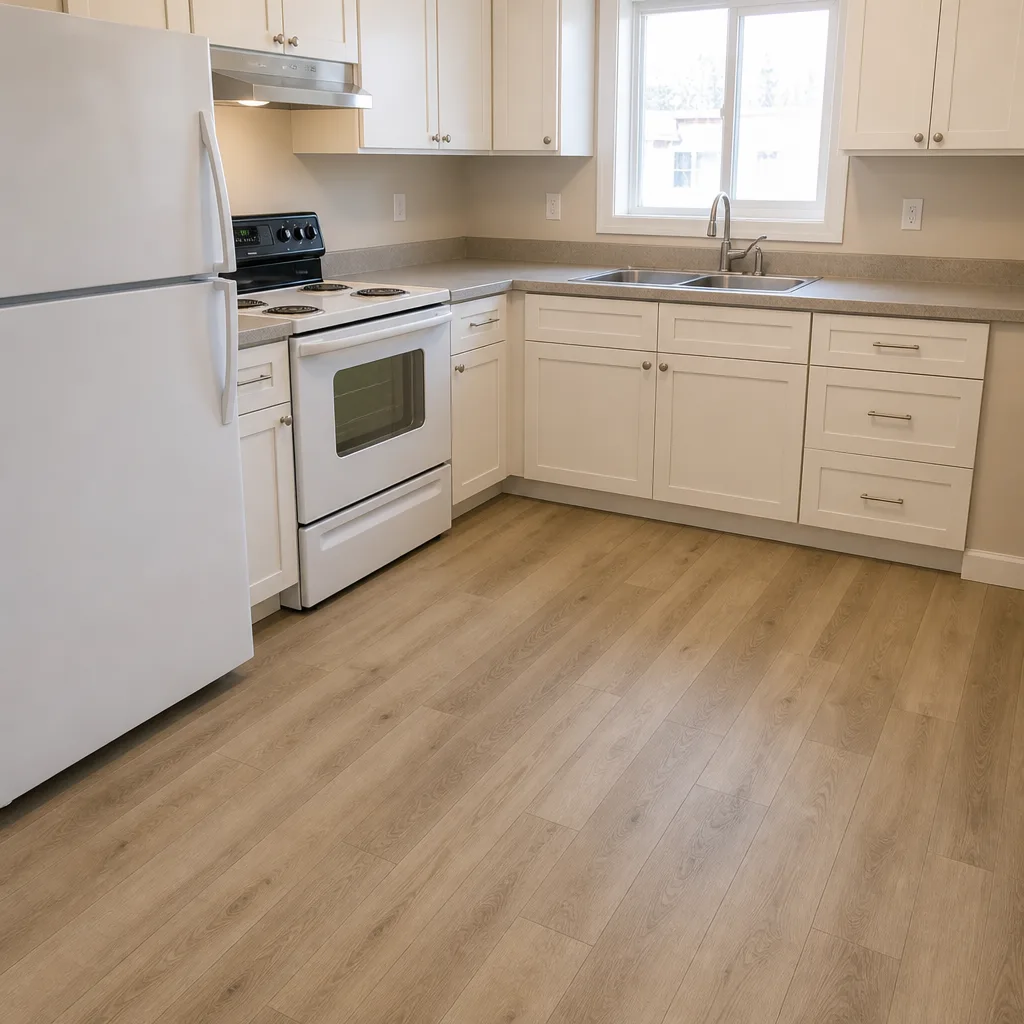
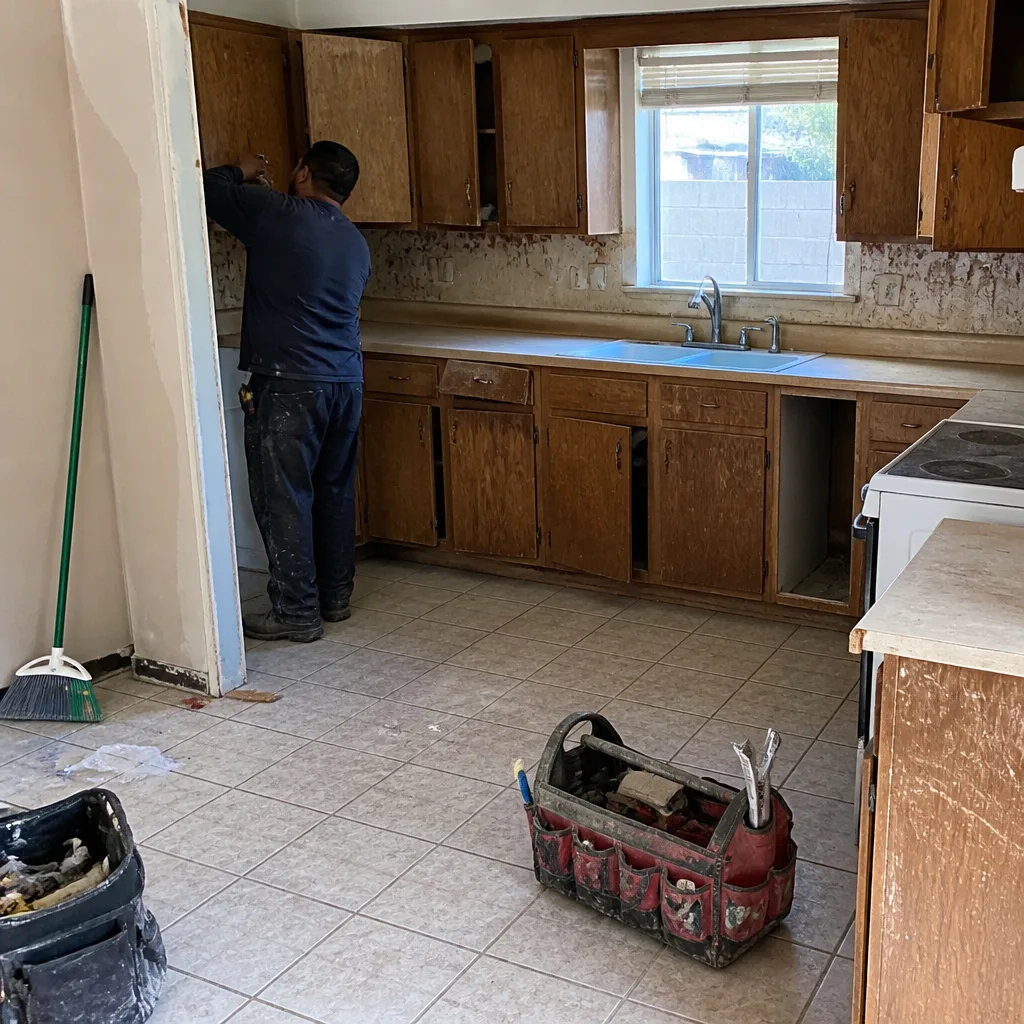
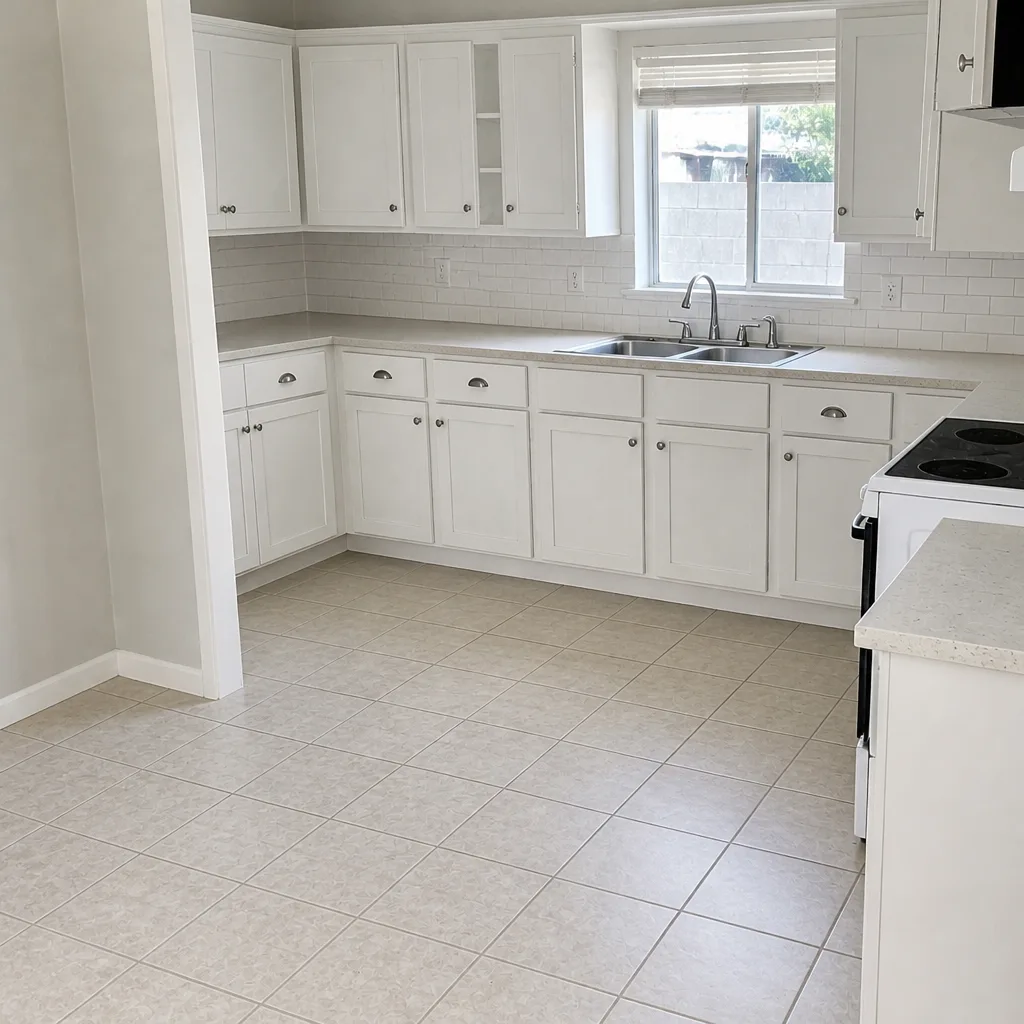
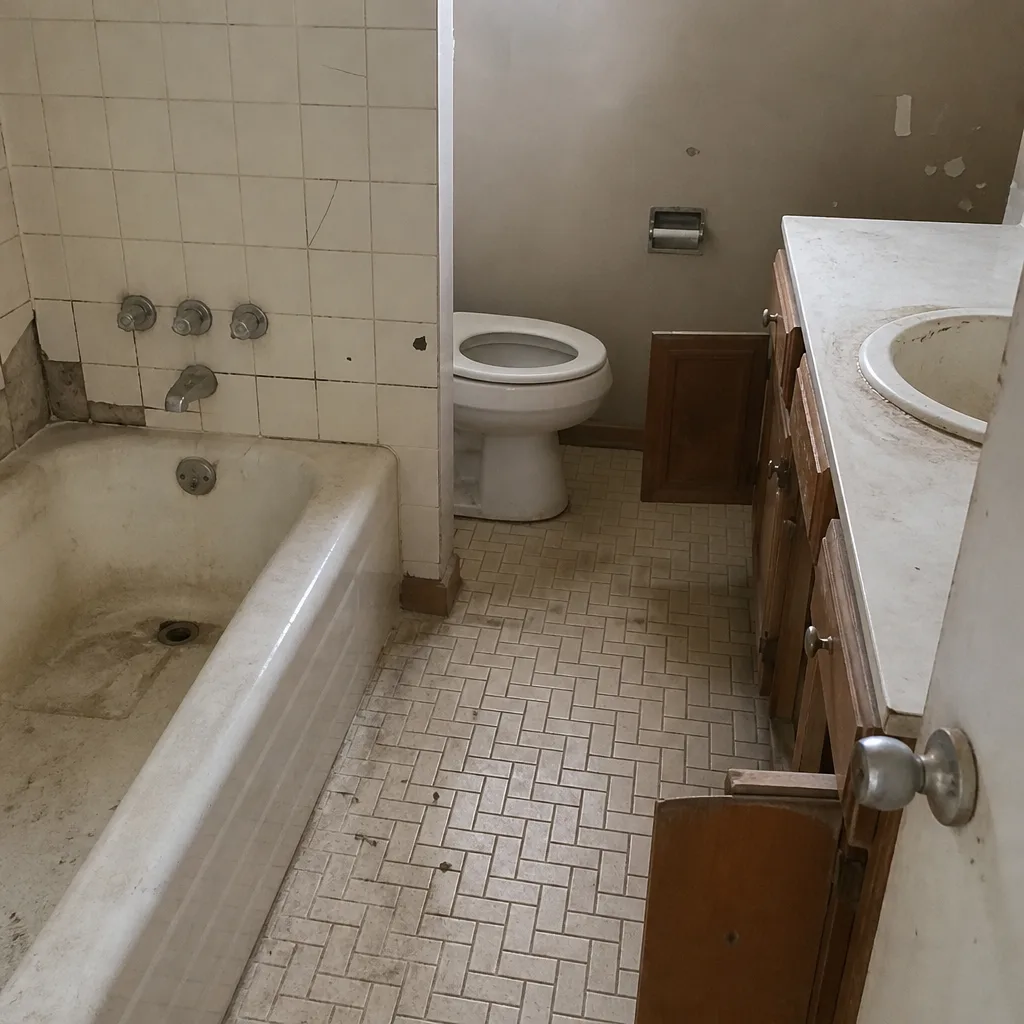
See the difference
 Before
 After
 Before
 After
 Before
 After
When to Call a Professional
Most of this calendar is homeowner work. Marking joints, sweeping in polymeric sand, and hosing off monsoon dust are all tasks a homeowner can do well. Call a professional for a few specific things: any paver that rocks underfoot or has lifted above its neighbors, any edge restraint that fails the hand test, any low spot that ponded water during the monsoon, any full joint replacement (breaking out old polymeric sand is a slow job and easy to get wrong), and any sealing (the surface temperature question matters more than the sealer brand). Barrett & Sons Construction Paradise installs pavers from Belgard and Techo-Bloc and backs the work with our written 90-Day Done Right Promise – if something isn’t right after we finish, Tom comes back and makes it right. Free estimates in Paradise – call (855) 596-7029. You can also see how our hardscape work reads alongside the rest of our exterior trades on our Barrett & Sons Construction Paradise home page.
Frequently Asked Questions
Every three to five years, and only in the late October through early April window. Sealer life in Paradise is driven by UV exposure more than anything else. A sealer applied in the correct season with the joint sand full and the paver dry typically holds for four years. If you sealed in the wrong month, expect to strip and reseal within eighteen months.
Late October or November, right after the monsoon and before the winter cool. That’s when the joints are at their driest and the polymeric sand has the full cure window before the next storm season. Any month from October through March works if the forecast is dry for seventy-two hours. Never re-sand in summer.
Not on the joints, and not at pressure that will strip the paver surface. A light pressure wash across a sealed paver face is fine once a year at low pressure. On the joints, no. Pressure washing is the single fastest way to empty a polymeric joint in Paradise, and a monsoon will finish what the pressure washer starts.
Stand on the boundary paver and rock it with your foot. Any movement means the restraint adhesive or spikes have failed. The five-year mark is when most Paradise driveways need the first repair, especially on the sun-facing edge. Fix the restraint before the monsoon, not after.
Usually at the ten-year mark, sometimes at five. If more than ten percent of the driveway has settled, if water is ponding against the garage, or if individual pavers are rocking across the whole driveway, re-leveling pays for itself. Barrett & Sons Construction Paradise quotes re-leveling against replacement side by side, so you can see the math on paper. Call (855) 596-7029 for a free estimate.
Twenty-five to thirty years on a properly installed base with the maintenance calendar followed. Paradise actually gets more years out of pavers than wetter climates, because there’s no freeze-thaw cycling and no salt on the roads. The failure mode here is UV fade and joint sand loss, not the pavers themselves. Keep the joints full and the surface sealed, and the driveway will outlast your roof. If you’re planning to add covered parking or an ADU in Paradise, driveway maintenance still matters – paver access and parking load capacity are worth planning before the build starts.
The Bottom Line
The right paver driveway calendar for Paradise looks nothing like the national one. Seal in summer and you’ll peel. Skip the May inspection and the monsoon will find every weak joint. Skip the October survey and a full re-sand turns into a full replacement. Get the season right and the driveway goes twenty-five years; get it wrong and you’re paying for a re-level at eight. The three highest-value tasks are the May inspection, the October post-monsoon survey, and the winter sealing window. Everything else is patience and upkeep. If you want a professional eye on any of it, that’s what we’re here for.
Barrett & Sons Construction Paradise pulls permits, writes change orders before any scope shifts, and backs every job with the written 90-Day Done Right Promise. Tom Barrett publishes his name, address and license number – look it up before you sign anything. Call (855) 596-7029 for a free estimate – estimates are free, and we answer the phone with a live person.
Written by the team at Barrett & Sons Construction Paradise.