Last updated November 18, 2026
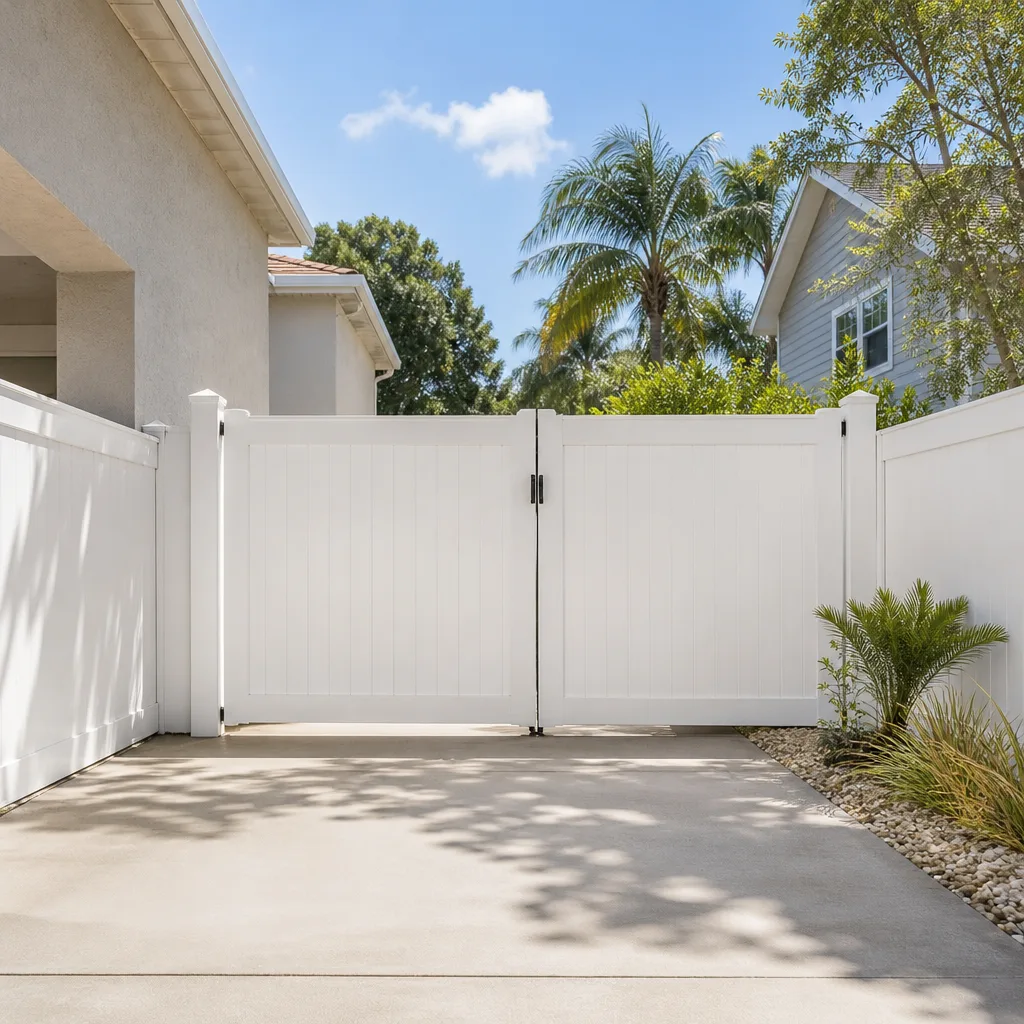





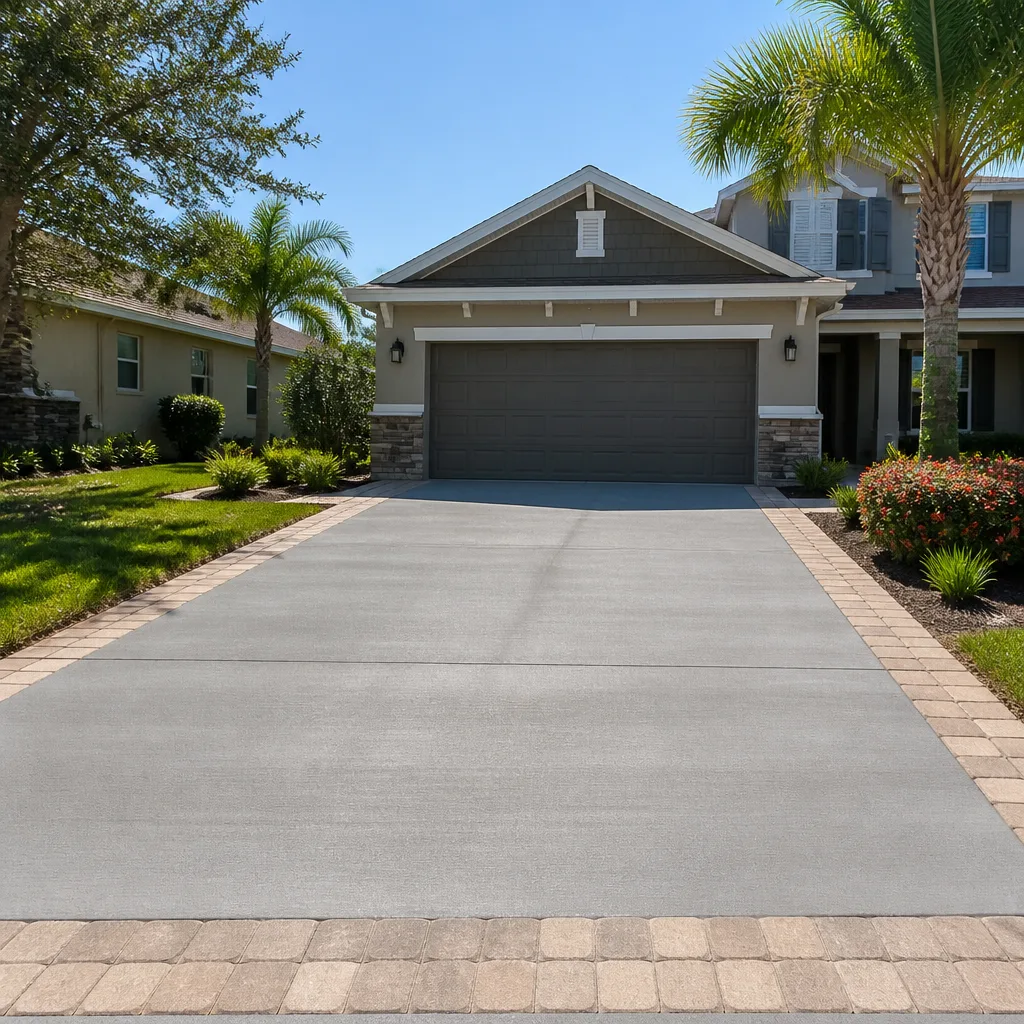
Free written scope consultation - allowances, timeline, and change-order rules on paper before a single trade is scheduled
Fence Installation Maintenance Schedule: What to Do and When
If you’re doing fence maintenance in June in Paradise, you’re already behind. The prep work that keeps a fence standing through summer should happen in March, before UV and heat do their worst. Here’s the part most homeowners miss: a fence in Paradise doesn’t follow a spring/fall calendar borrowed from wetter climates. It follows two desert events, peak UV summer and monsoon season, and everything else works backward from those. This guide walks you through the year month by month, explains why wood sealing in the desert is a different job than it is in Ohio, and shows you how to test post integrity without digging anything up.
Quick Answer
A desert fence maintenance schedule runs on two anchors: a March-April pre-summer inspection (tighten, seal, treat before the 110-degree stretch) and a September post-monsoon assessment (check soil erosion around posts, catch moisture damage before fall). Wood needs UV-blocking sealant every year minimum. Vinyl and aluminum need far less than most salespeople claim. Every few years, test post integrity at grade.
Styles & brands we work with
- Kitchen remodeling
- Bathroom remodeling
- Home additions & ADU
- Roofing
- Windows & doors
- Driveway & pavers
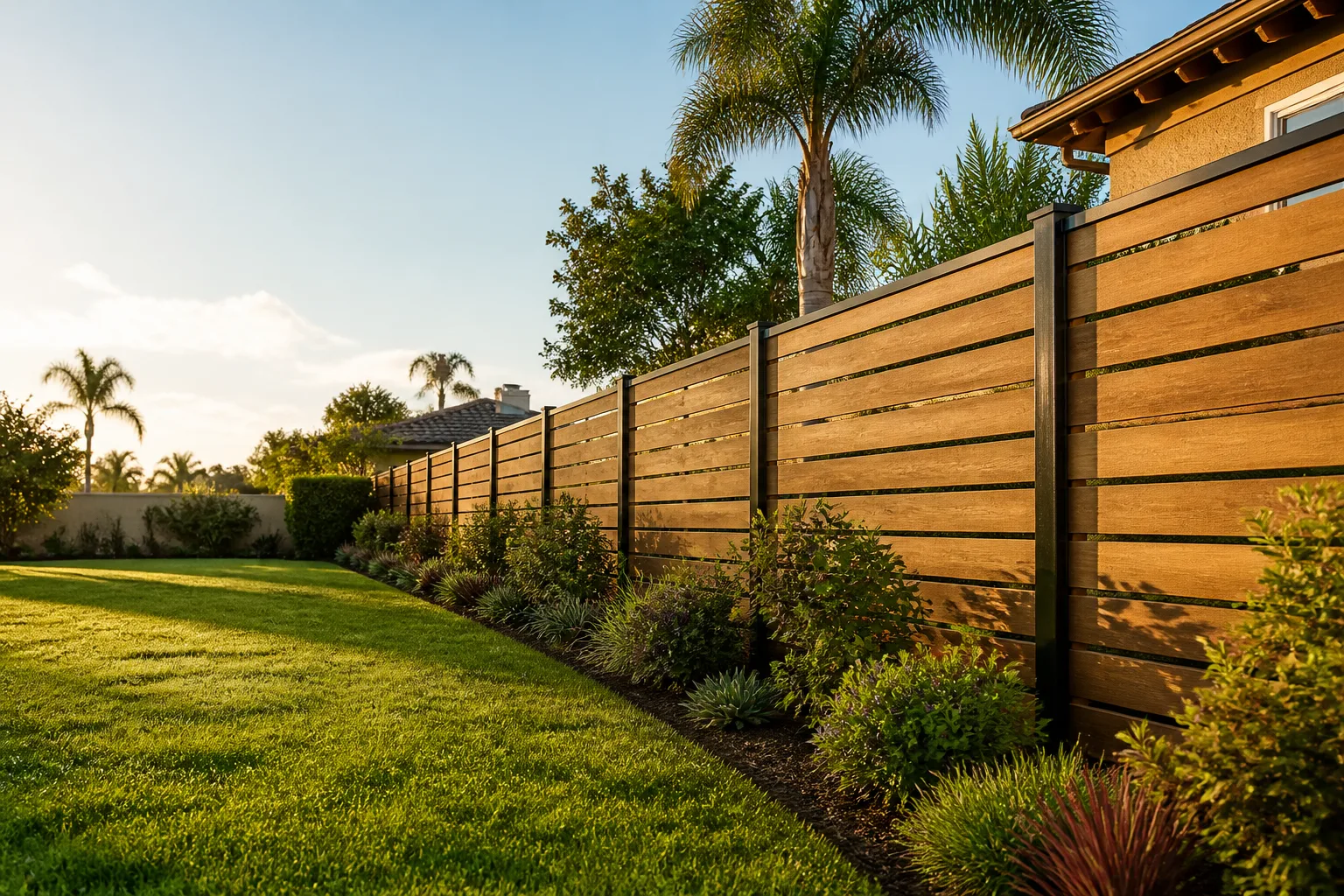
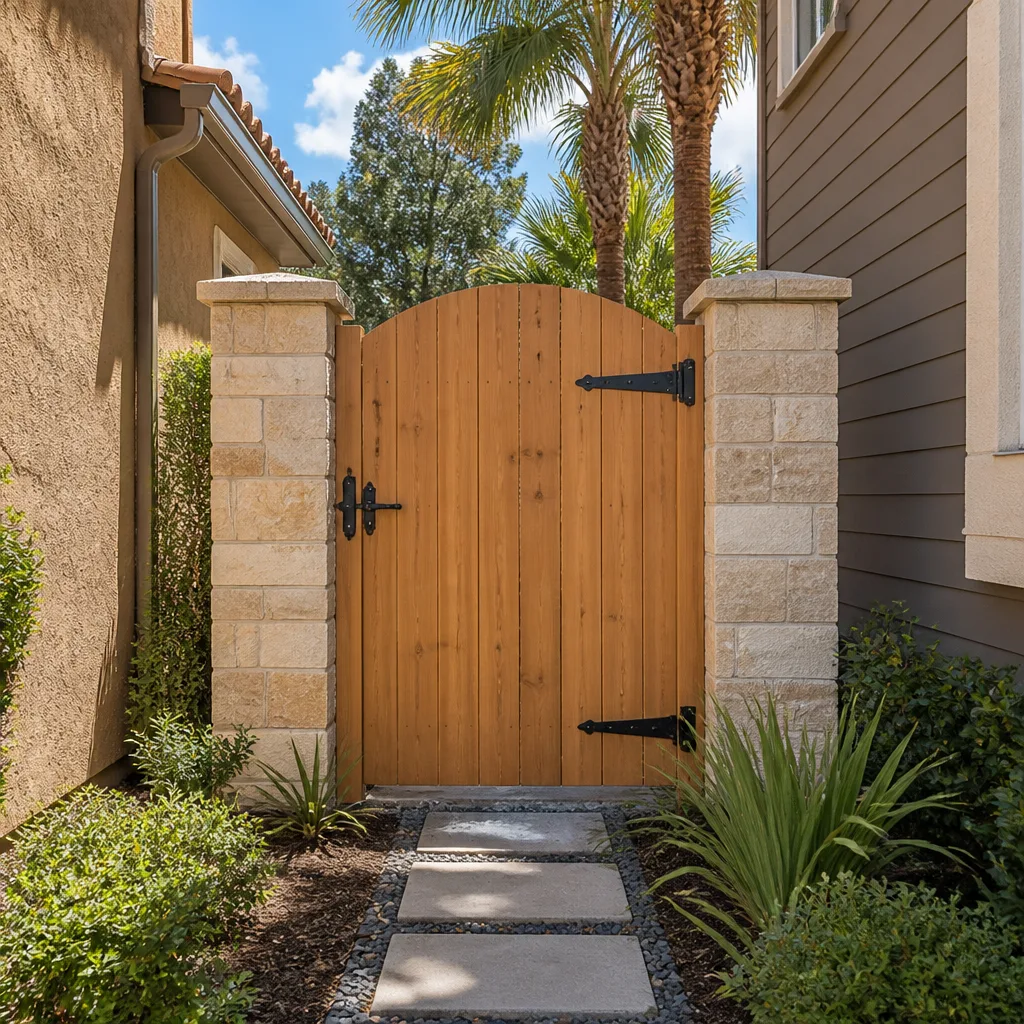
- Fence
Table of Contents
- Why a Paradise Fence Follows a Different Calendar
- The March-April Pre-Summer Inspection Checklist
- Wood Fence Sealing in Desert Climates: Annual Is the Minimum
- Vinyl and Aluminum Seasonal Care: What Actually Needs Attention
- The September Post-Monsoon Assessment
- The 5-Year Structural Check: Testing Posts Without Digging Them Up
- A Month-by-Month Desert Fence Calendar
- Common Mistakes to Avoid
Why a Paradise Fence Follows a Different Calendar
A fence in Paradise lives in a climate that punishes it in two distinct ways, months apart. From roughly May through September, surface temperatures on west-facing wood and vinyl routinely climb well past the ambient air reading, and every expansion joint, fastener, and board does its own slow cycle of swell-and-shrink every single day. Then, in July and August, the monsoon arrives and delivers weeks of rain in concentrated bursts. That rain hits soil that has baked hard and lost its ability to absorb water, so it runs, puddles, and scours.
Those two events call for different maintenance. The summer heat stress is a UV and drying problem. The monsoon is a water, soil, and drainage problem. A generic schedule built around “spring cleanup and fall cleanup” doesn’t line up with either one, which is why fences around here fail at predictable seams and post bottoms rather than gradually everywhere.
We’ve watched this play out across the valley, and it’s consistent enough that we plan around it. The homeowner who seals in March and inspects their post bases in September keeps a fence twenty years. The one who does a single “spring cleanup” in June is usually replacing boards by the third summer. If you’re adding a new fence rather than maintaining one, see our guide to Fence Installation in Paradise for how material choice and post-setting affect the whole timeline.
The March-April Pre-Summer Inspection Checklist
March and April are your last comfortable window before the heat sets in, and they’re the best months to catch problems while they’re still cheap. Do this circuit before the first 100-degree day and you’ll head off most of what summer would otherwise break.
- Walk the full line and push on every post. A solid post doesn’t move more than a hair when you lean your weight into it at hip height. Wobble is the first warning, and it’s much easier to fix in April than after the ground bakes.
- Tighten fasteners and check for backed-out screws. Heat cycling loosens gate hardware and rail brackets. A screw that’s working loose now will strip its hole by August.
- Check the gate for sag and square. Gates take the most punishment. Open and close it fully, look at the gap at the latch, and confirm the diagonal brace isn’t cracking.
- Look for wood splitting, checking, and grayed surface. Surface checking is normal. Splitting that runs deep along a board means water is getting in and the board should be watched or replaced.
- Apply sealant or treatment (see the next section). Do this before the heat, not during it. Sealer applied in June can cure unevenly and lock in moisture.
- Clear vegetation and debris from the base of the fence. Anything touching the wood holds moisture and hides termite activity.
- Confirm drainage falls away from the fence line. The soil should slope away, not toward, the base of your posts.
One more thing specific to Paradise: our late-winter and early-spring winds can snap a weak top rail or stress a post that was already marginal. The March inspection is your chance to catch wind damage before the heat arrives to finish the job.
Wood Fence Sealing in Desert Climates: Annual Is the Minimum
If you’ve been told to seal a wood fence “every two to three years,” that advice was written for a place with four mild seasons. In Paradise, annual sealing isn’t the upsell, it’s the floor. The UV load alone breaks down the lignin in wood, which is why an unsealed cedar or pine fence goes gray and starts splintering within a couple of summers. Add the daily swell-shrink cycle and you get boards that check, cup, and pull away from fasteners far faster than in a wet, cooler climate.
Here’s where most homeowners get sold the wrong product. A standard penetrating oil soaks into the wood, feeds it, and gives it a water-resistant surface, but it offers little to no UV protection. It looks good for a season and then the sun starts working again. A UV-blocking sealant leaves a protective film that actually absorbs or reflects the sun’s rays and holds up much longer under the desert sun. For a Paradise fence, we specify a UV-blocking product, not a plain oil. The cost difference is modest. The lifespan difference is years.
The right sequence matters too:
- Clean the wood (a light wash, let it dry fully).
- Make any repairs first, because sealer won’t fix a split board.
- Apply the UV-blocking sealant in mild weather, ideally March or April, when it will cure evenly.
- Re-check coverage at the south- and west-facing sections, which take the most sun, and touch up those boards first.
We won’t name a favorite brand for sealer the way we would a James Hardie siding panel, because the honest answer is that the product matters less than the timing and the prep. Seal it in March, not June, and it’ll do its job.
Vinyl and Aluminum Seasonal Care: What Actually Needs Attention
Vinyl and aluminum fences are sold as maintenance-free, and to be fair, they’re a fraction of the work a wood fence needs. But “maintenance-free” isn’t “maintenance-never,” and the sales pitch often includes scheduled maintenance contracts you don’t actually need.
What vinyl genuinely needs:
- A wash once a year, ideally in spring, with a garden hose and mild soap. Desert dust and sunscreen residue build up and can dull the finish.
- A check for loose or popped rails after a monsoon. Vinyl expands and contracts with temperature, and a hot afternoon can work a rail loose.
- A look at the bottom of posts, where a hard-driving rain can undermine soil and leave a post’s base exposed.
What aluminum definitely needs:
- Tightening gate hardware and checking post caps, which heat can cause to loosen.
- A quick touch-up on any scratched paint, which protects against corrosion.
- The same post-base check as vinyl after monsoon rain.
What neither needs: annual sealing of any kind, despite what a maintenance contract might suggest. Vinyl can’t be sealed, and aluminum only needs touch-up on damage. If a contractor is pitching you a yearly sealing plan for a vinyl fence, that’s a product you don’t have a need for. We’d rather tell you the truth than sell you a service.
The September Post-Monsoon Assessment
September is the second anchor of the Paradise schedule, and it’s the one homeowners most often skip. The monsoon isn’t just rain: it’s concentrated water hitting ground that’s baked hard and slow to absorb. That water moves soil. Where it moves soil away from a post or a rail footer, it leaves a void, and the post starts relying on fasteners and framing instead of the ground. That’s the beginning of the wobble you’d otherwise find in spring.
Do this in September, before cooler weather sets in:
- Walk the line and look for erosion around every post base. Sunken pockets, exposed concrete, and channels running away from posts are all red flags.
- Check for moisture damage on wood, especially the bottom foot of the fence. Water-soaked wood that hasn’t dried is prone to rot and termite attention.
- Re-check the gate and every rail for movement. A post that shifted during the monsoon will show up as a crooked gate or a sagging rail.
- Refill and re-grade any eroded soil. Rebuild the ground so it slopes away from the post, not into it. Compact as you go.
- Cut back any new weed or vine growth that sprung up with the rain. Monsoon season is also weed season.
If the erosion is significant or a post has clearly shifted, catch it in September. By the following spring, the same problem has had six months to work loose, and what was a soil-and-fill job becomes a post-replacement job.
The 5-Year Structural Check: Testing Posts Without Digging Them Up
Every five years or so, it’s worth doing a more serious structural check on posts, especially on a fence that’s been up for a while. You don’t need to dig them out to know whether the concrete collar is still holding. Here’s how it shows from above grade:
- Do the push test at several points along the line. A post should resist firm pressure without wiggle at the base. Movement at the base (not the top) points to collar or soil failure.
- Look for a gap between the post and its collar or surrounding soil. As the ground settles or a collar cracks, you’ll often see a dark gap or a crack line at grade.
- Check for cracks radiating out from the base. Concrete collars in a desert climate can crack as they expand and contract. A visible radial crack at grade is an early sign the collar is failing.
- Look for post rot right at the soil line. Wood posts fail first where air and moisture meet the ground. A soft spot at grade is the most reliable warning.
- Test a few posts that have taken the most sun or the most rain. West- and south-facing posts age fastest. Prioritize those.
Early concrete collar failure shows as movement at the base, a quiet gap opening at grade, or cracking where the collar meets the soil. Catch it while the post itself is still sound and the repair is a collar and soil fix. Miss it and the whole post, and often the whole panel, has to come out.
We’ve seen this pattern often enough in Paradise that we’d recommend a five-year check as standard practice, not an optional luxury. It’s cheaper than a replacement every time.
A Month-by-Month Desert Fence Calendar
Here’s the whole year on one page. Adjust for the specific fence material and the shade pattern in your yard, but the anchors stay in place.
- March. Full pre-summer inspection. Tighten fasteners, test posts, repair boards. This is the main event.
- April. Apply UV-blocking sealant to wood. Clean vinyl and aluminum. Clear vegetation.
- May. Do a light gate check before the heat peaks. Confirm drainage still falls away from posts.
- June through August. Monitor. Watch for wind damage, popped rails, or a sagging gate. Don’t seal during peak heat.
- September. Post-monsoon assessment. Check soil erosion at every post, refill and re-grade, check for moisture damage.
- October. Touch up any damage found in September. Re-secure any loose rails. Repair a scratched aluminum fence.
- November through February. The quiet months. Watch for late-season wind and keep debris away from the base.
- Every five years. Full structural post check, above grade, with a push test and a look at collar condition.
This calendar pairs naturally with the other exterior work around your property. If you’re planning hardscape or a new walk this year, coordinating it with the fence line makes the most of the same pre-summer window. Our Driveway & Pavers in Paradise page covers that timing, and our Barrett & Sons Construction Paradise home page ties the whole exterior together.
Common Mistakes to Avoid
- Sealing wood in June or July. The sealer can cure unevenly in peak heat and trap moisture. Do it in March or April.
- Using a cheap penetrating oil instead of a UV-blocking sealant. It looks fine for one season and then the sun goes back to work. In Paradise, that’s a mistake that costs you a board replacement sooner.
- Skipping the September post-monsoon check. The erosion is invisible until a post is already loose. Catch it in September and a repair stays a repair.
- Buying a maintenance contract for a vinyl fence. Vinyl doesn’t need annual sealing. You’re buying something you don’t need.
- Letting weeds and vines stay against the base of the fence. They hold moisture and hide termite activity. Keep the base clear, especially after the monsoon.
- Doing a full “spring cleanup” in a single weekend and calling it done. The desert calendar calls for two anchor events, March/April and September, not one frantic cleanup.
- Ignoring a wobbling post because it “still stands.” By the time a post visibly leans, a soil fix has become a post replacement.
See the difference
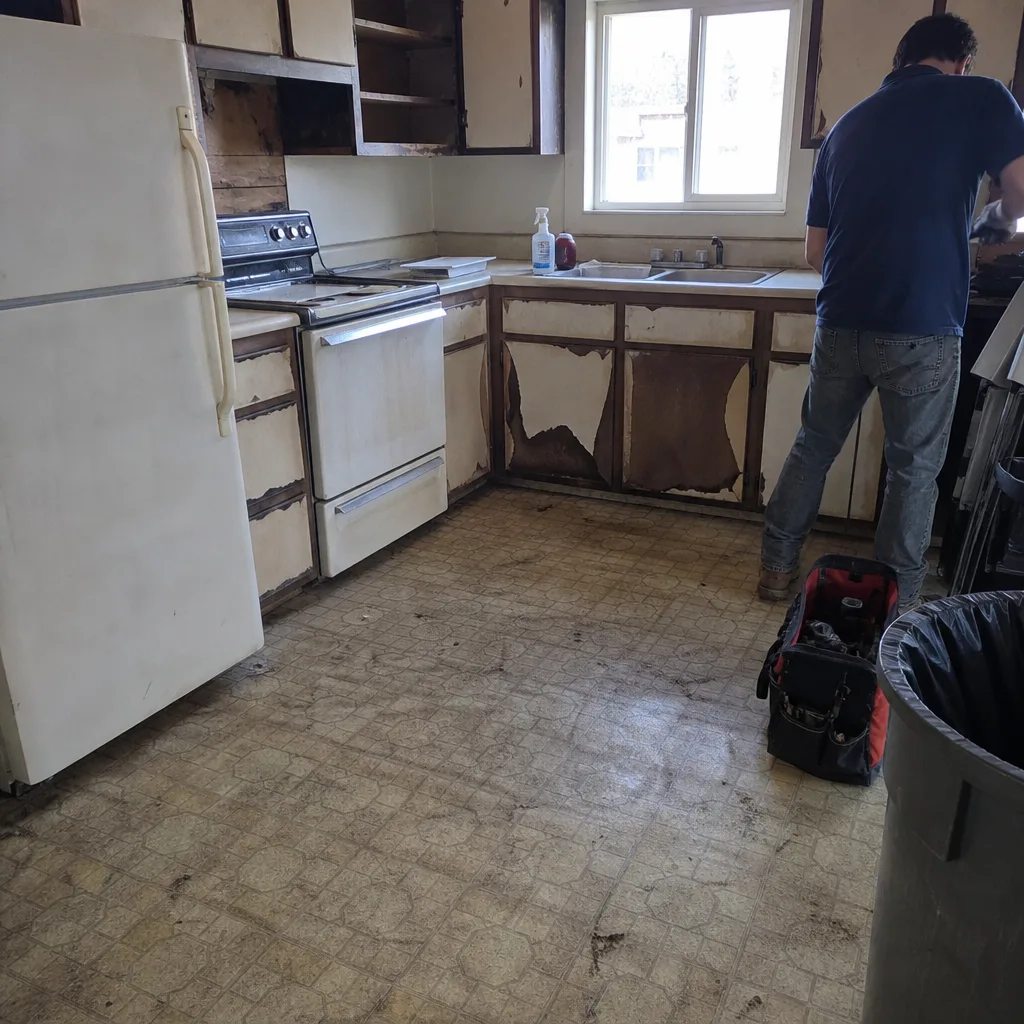 Before
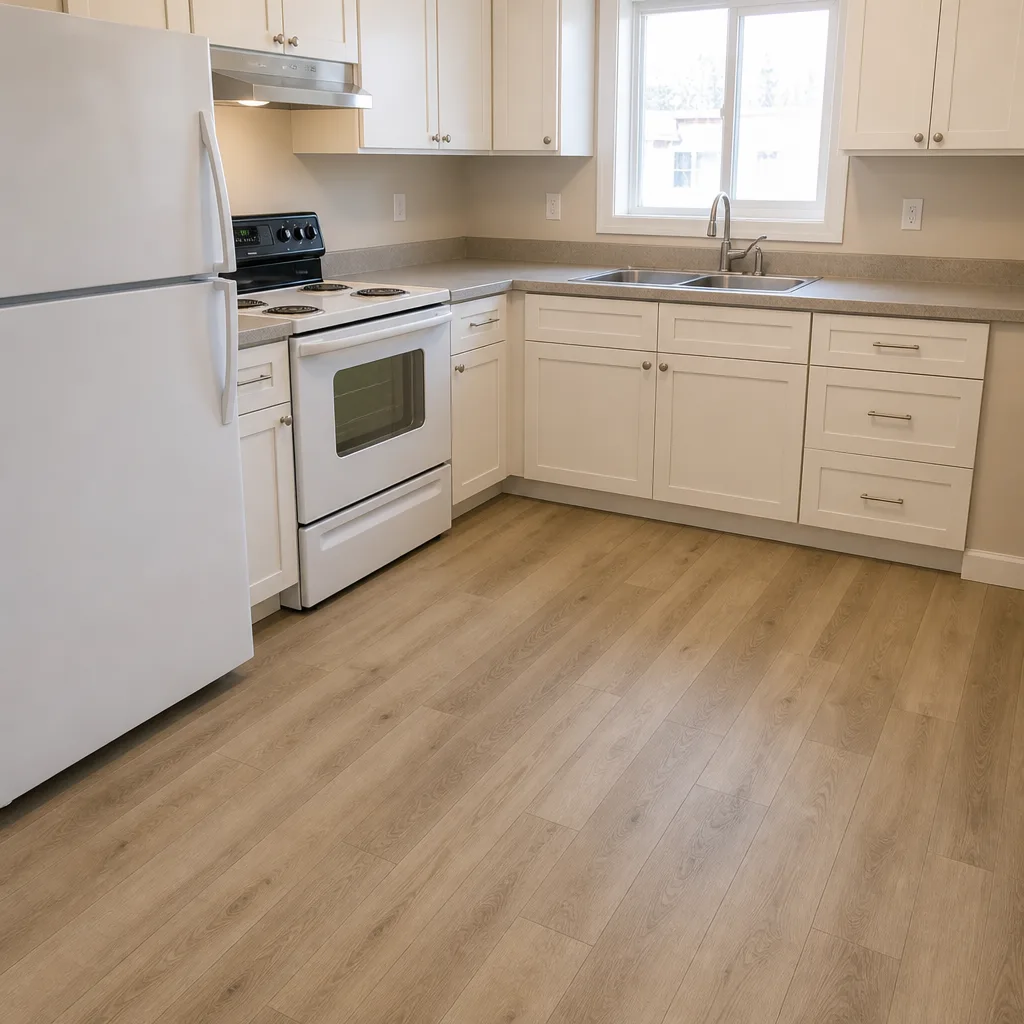 After
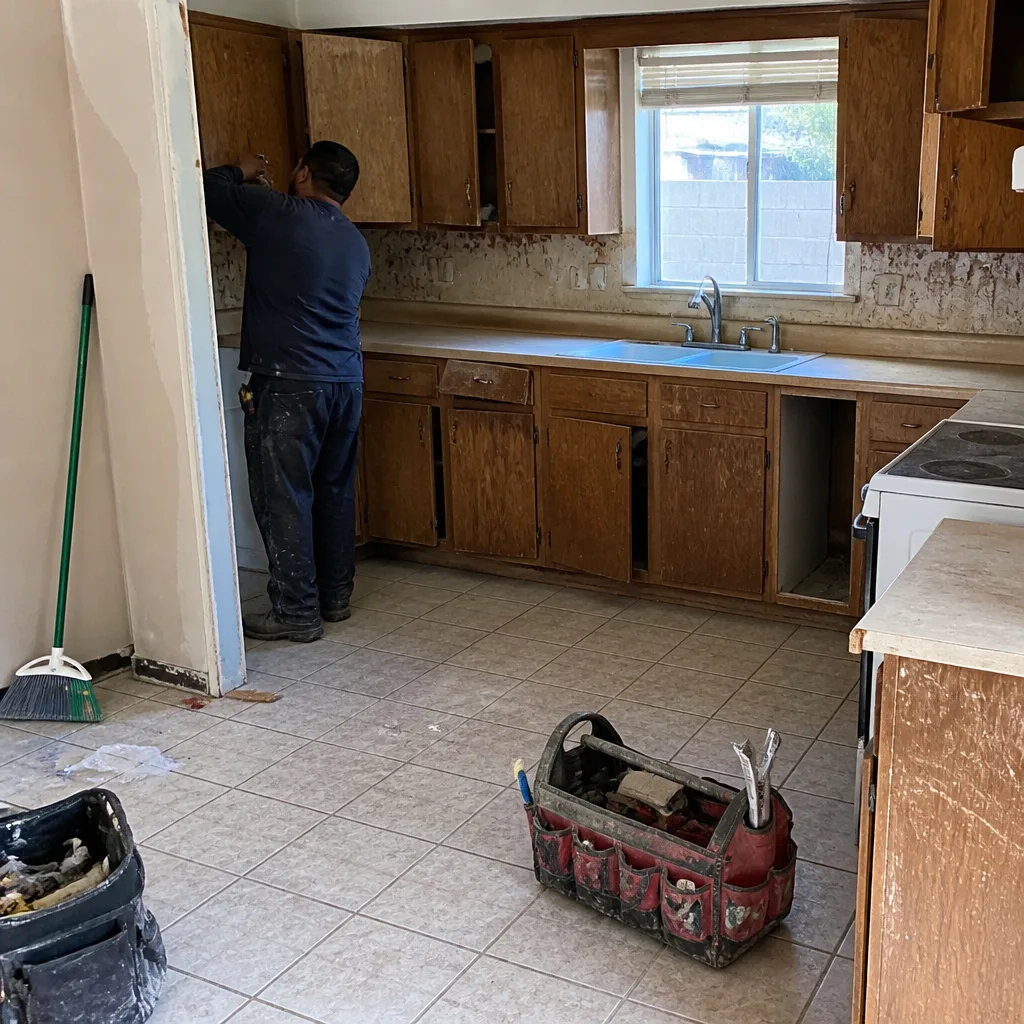 Before
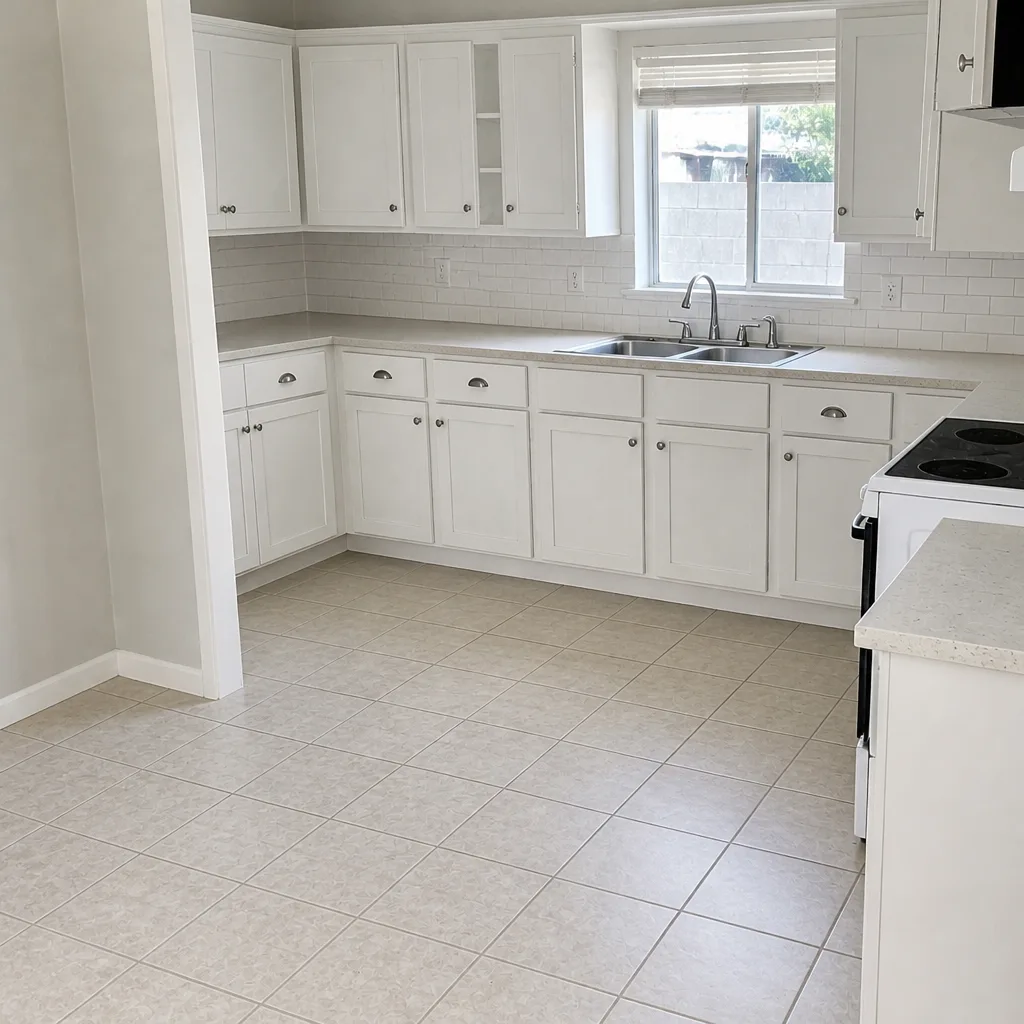 After
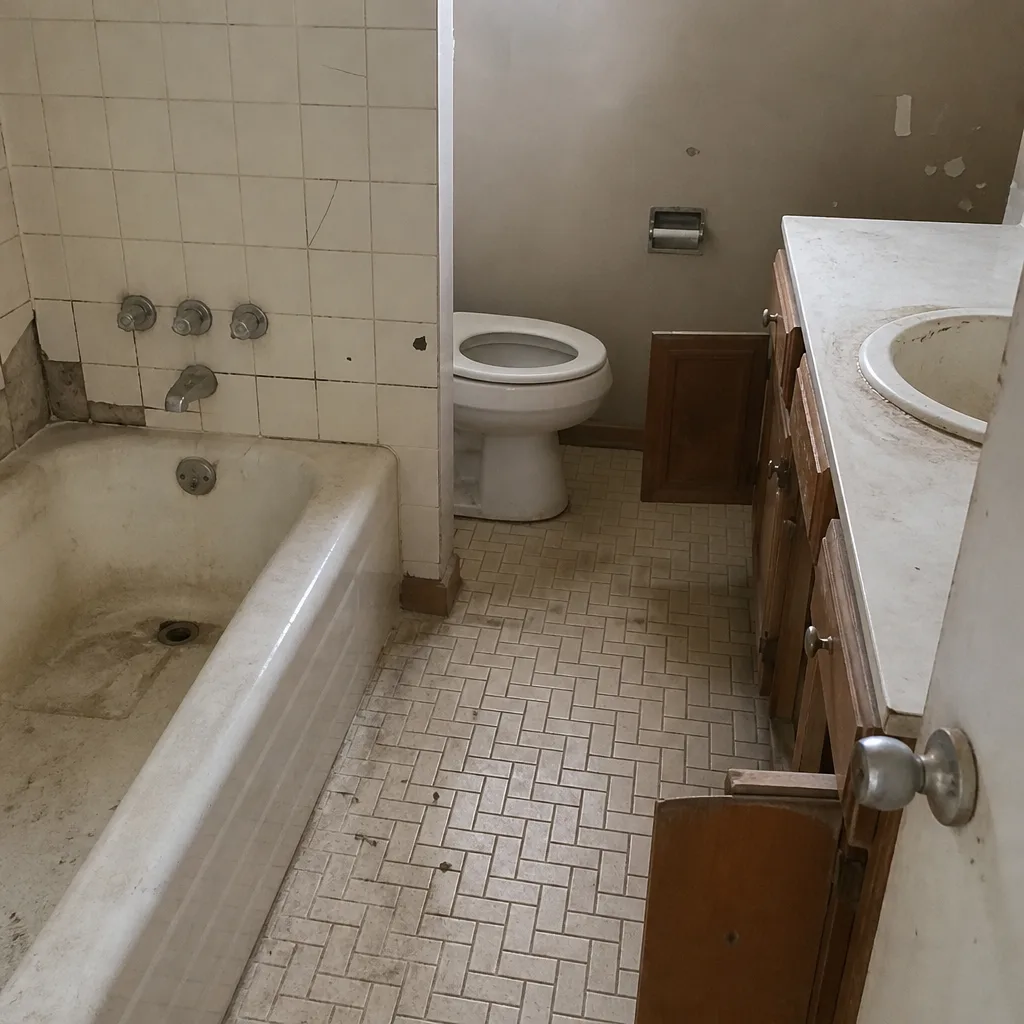 Before
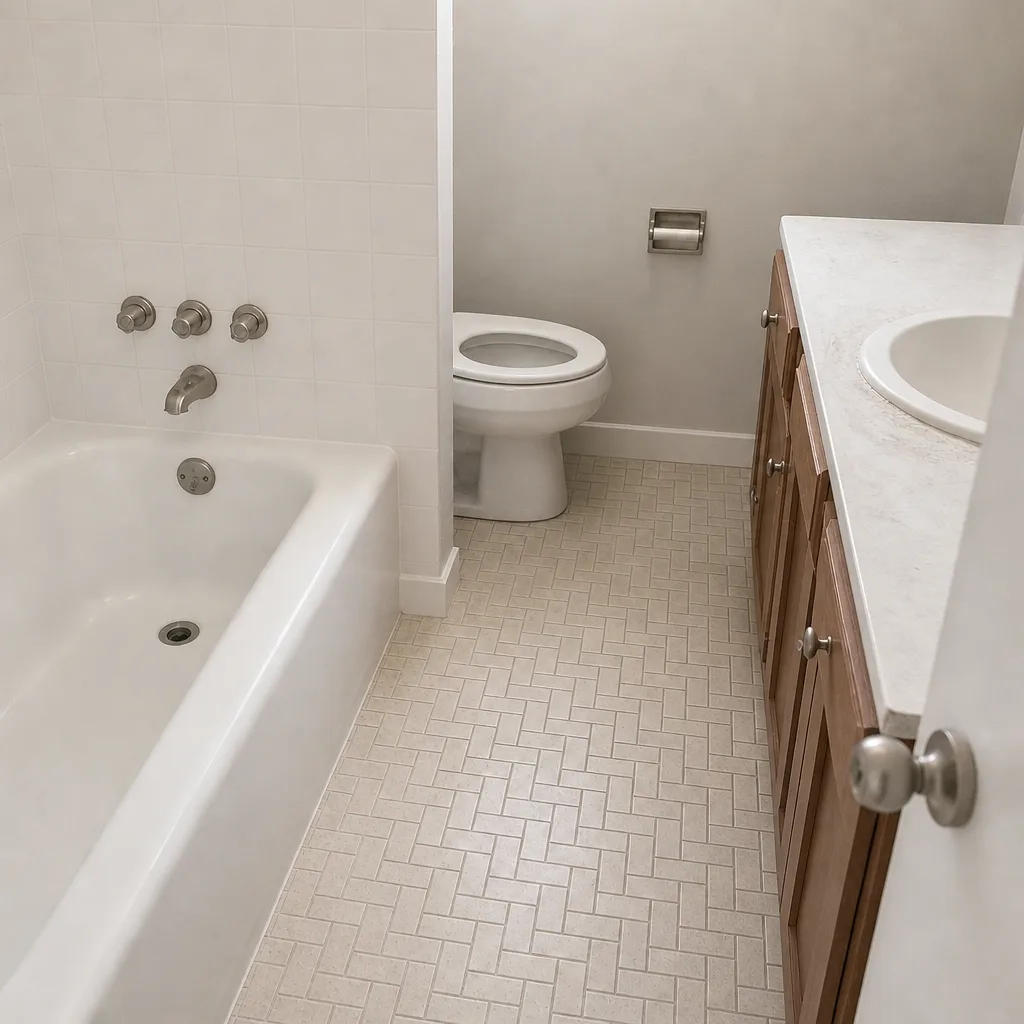 After
When to Call a Professional
Most of this guide is work a careful homeowner can do with a walk-around, a hose, and a brush. But some situations call for a professional: a post that moves at the base or has a visible gap or radial crack at grade, any fence section that’s sustained structural movement during a monsoon, a stubborn wobble that keeps coming back, and any repair that requires pulling a post. Fence installs that touch property lines, block walls, or require permits are also better handled by a licensed contractor. Barrett & Sons Construction Paradise offers free estimates in Paradise. Call (855) 596-7029 to schedule an inspection or to talk through a repair before it becomes a replacement.
Frequently Asked Questions
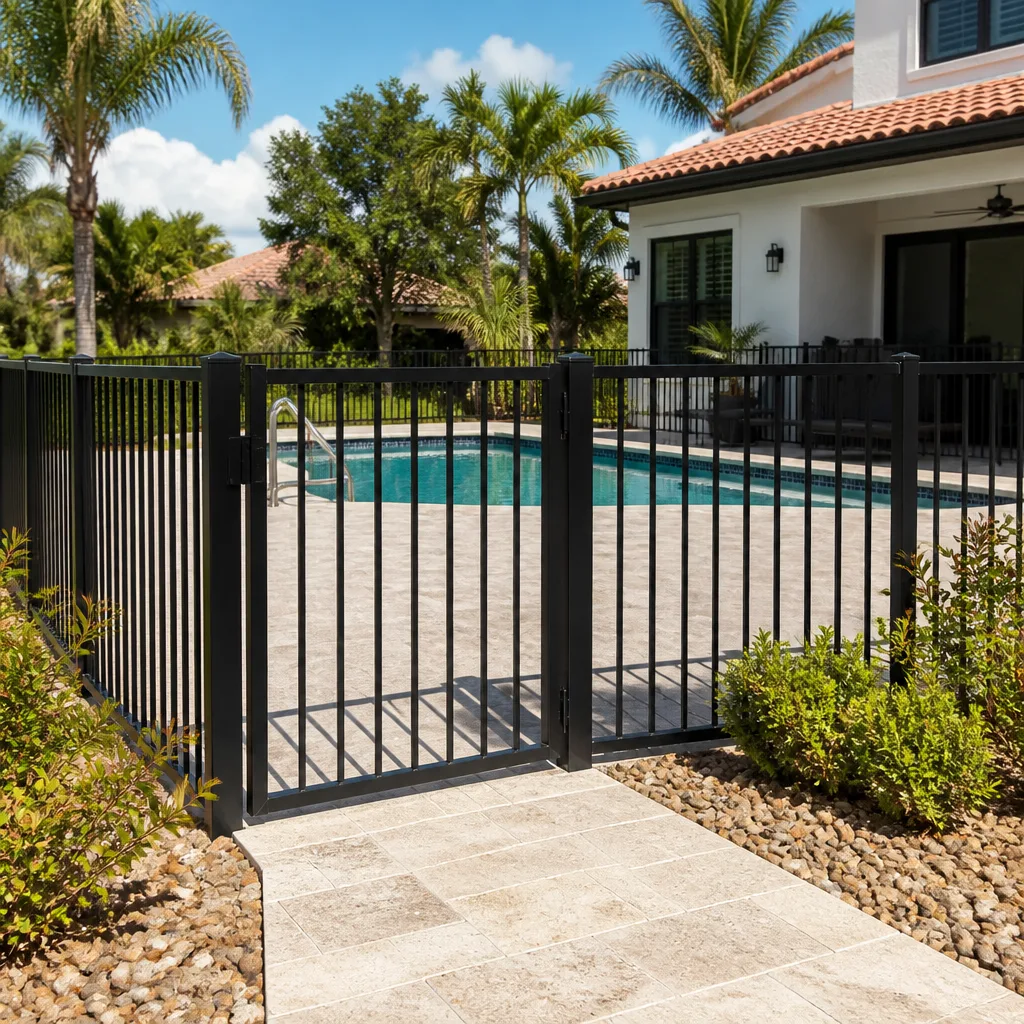
At least once a year, ideally in March or April, using a UV-blocking sealant. In Paradise’s climate, an annual minimum keeps a wood fence from graying, checking, and splintering under the summer sun. Standard penetrating oils don’t give you real UV protection, so we recommend a UV-blocking sealant instead. Call (855) 596-7029 for a free estimate if you’d like us to assess your fence.
The best inspection happens twice a year: March or April, before peak summer heat, and September, after monsoon season. The spring inspection catches heat stress before it starts. The fall inspection catches soil erosion and moisture damage from the monsoons. Both are equally important. Call (855) 596-7029 to schedule a free estimate.
No, not annual sealing, despite what some maintenance contracts suggest. Vinyl fences need a yearly wash and a check for loose rails after monsoon rains, but they don’t need sealing. Aluminum needs a check on gate hardware and touch-up paint for scratches. Skip the annual sealing contract. Call (855) 596-7029 for a free estimate if you’re unsure what your fence needs.
Push firmly on each post at hip height. Movement at the base, a gap or dark line where the post meets the soil, or a radial crack at grade all point to collar or soil failure. Check the wood at the soil line for softness. If you find movement, call (855) 596-7029 for a free estimate before the problem grows.
Yes. The concentrated rain hits soil that’s baked hard, so it runs and erodes rather than absorbing. That erosion can leave voids at post bases and start a wobble you won’t see until spring. Check for erosion around every post in September, refill, and re-grade so water falls away from the base. Call (855) 596-7029 for a free estimate if erosion looks serious.
Yes, especially every five years for a structural post check and after any big monsoon. A fence that looks fine can have a post that’s already shifted at the base, and catching that early is much cheaper than a post replacement. Call (855) 596-7029 for a free estimate. Our technicians have up to 28 years of experience and can tell you in a walk-around what needs attention now and what can wait.
The Bottom Line
Fence maintenance in Paradise runs on two anchors, not four seasons. Inspect and seal in March and April, before UV and heat stress every joint and board. Then check for soil erosion, moisture damage, and post movement in September after the monsoon. Wood needs UV-blocking sealant every year minimum. Vinyl needs a wash and a rail check, not an annual sealing contract. And every five years, do a structural check on your posts from above grade, so you catch collar failure before it takes a panel with it. Do those things and your fence will outlast the one across the street by years.
If you’d like a fresh set of eyes on your fence, or you’re planning a replacement or an addition that touches the property line, our team at Barrett & Sons Construction Paradise is here. We’ll walk the line with you, put the scope in writing, and stand behind the work with our 90-Day Done Right Promise. Call (855) 596-7029 for a free estimate.
Written by the team at Barrett & Sons Construction Paradise.