Last updated November 18, 2026
Free written scope consultation - allowances, timeline, and change-order rules on paper before a single trade is scheduled
DIY vs Professional Home Additions & ADU: What’s Safe to Do Yourself
Here’s the part most DIY guides leave out. Nevada’s homeowner-builder permit is real, and it’s legitimate. A homeowner can pull one and legally build on their own property. But the moment you hire anyone for labor on that permit, the ground shifts under you. You may have voided your general liability coverage, and you’ve likely taken on contractor-level legal responsibility for every person who swings a hammer on your job. We’ve watched Paradise homeowners learn this the hard way after a framing sub gets hurt on a homeowner-builder job. This guide lays out what you can safely self-perform, what never should be DIY, and how a phased contract lets you finish the work yourself without wrecking anyone’s warranty.
Quick Answer
A skilled DIYer can legally self-perform finish work in Clark County under a homeowner-builder permit: painting, cabinet installation, flooring, and landscaping. Structural work, foundation, load-bearing wall changes, roof-to-structure connections, and all licensed trades (electrical, plumbing, gas, HVAC) should go to licensed professionals regardless of your skill level. The bigger risk isn’t craftsmanship. It’s permit liability, insurance exposure, and what unpermitted square footage does to your resale and your claim.
Styles & brands we work with
- Kitchen remodeling
- Bathroom remodeling
- Home additions & ADU
- Roofing
- Windows & doors
- Driveway & pavers
- Fence
Table of Contents
- What the Nevada homeowner-builder permit actually allows
- How unpermitted additions hit your insurance, appraisal, and title
- The DIY finish work that’s safe and worth real money
- Three structural scopes you should never DIY
- The phased approach: GC for structure, you for finish
- How to structure the contract so the warranty survives
- What’s different about building an addition in Paradise
What the Nevada Homeowner-Builder Permit Actually Allows
Clark County issues homeowner-builder permits to owners who plan to do the work on their primary residence themselves. It’s a legitimate path, and plenty of careful homeowners use it well. The permit is tied to you personally, not to a business, and it assumes you’re the one doing the labor.
Here’s where it gets thorny. Under a homeowner-builder permit, you can self-perform general construction tasks. But certain trades require a licensed subcontractor no matter what:
- Electrical beyond simple fixture swaps – panel work, new circuits, and anything requiring a permit sign-off must be a licensed electrician.
- Plumbing for new supply lines, drains, and gas piping – licensed plumber required.
- Gas work of any kind – licensed, always, no exceptions.
- HVAC installation and refrigerant lines – licensed mechanical contractor.
- Structural engineering sign-off for load paths, beams, and connections – a licensed engineer or architect, not a permit clerk.
The moment you hire a framer or a laborer under that homeowner-builder permit, you’ve stepped into the role of general contractor. That means workers’ comp exposure, liability for their safety, and the legal weight of being the responsible party on the job. Most homeowner insurance policies exclude that. If you’re building in Paradise and thinking about hiring labor under your own permit, talk to your insurance agent first. In our experience, most homeowners decide to hire a licensed GC once they understand what they’re actually signing up for.
How Unpermitted Additions Hit Your Insurance, Appraisal, and Title
This is the part that costs Paradise homeowners the most money, and it’s the part almost nobody talks about before the concrete gets poured. Unpermitted square footage is invisible to the county, but it’s very visible to your insurance company the day you file a claim.
Here are the scenarios we see play out:
- Claim denial. A fire or water loss in an unpermitted addition is often excluded from coverage because the structure wasn’t on the policy as permitted square footage. A $60,000 addition could be a total loss with a denial letter attached.
- Appraisal gap. When you sell, the appraiser measures permitted square footage. An unpermitted 400-square-foot addition frequently appraises at $0 added value, sometimes triggering a lower valuation that forces a price cut or kills the sale.
- Title issue. Title insurance doesn’t cover unpermitted improvements. A buyer’s lender can require the addition be permitted (retroactively, at your cost) or demolished before closing.
- Retroactive permit cost. Getting a permit after the fact in Clark County means opening walls for inspection, paying penalty fees, and sometimes re-doing work that fails current code. We’ve seen this run $8,000 to $15,000 on a mid-size addition before a single new board goes up.
None of these are hypothetical. In Paradise, where a lot of homes were built in the 1980s and 1990s and then added on to over the years, we regularly run into unpermitted work during a sale. It’s a slow leak in your equity that shows up all at once. The fix is simple: pull the permit, every time, on every eligible job. The permit inspector works for you, not for us. That’s why we like him.
The DIY Finish Work That’s Safe and Worth Real Money
Once the structure is up and inspected, the finish work is yours to take. This is where DIY actually saves real money, and where the risk is low. Here’s what we typically see homeowners take on, with realistic labor savings against a licensed crew’s quote:
- Interior painting. A 400-square-foot addition’s interior runs about $2,500 to $4,500 in labor. DIY saves most of that in a weekend or two. Prep work matters more than the paint brand.
- Cabinet installation. Kitchen or wet-bar cabinets in an ADU – if the rough-in is inspected, hanging boxes and doors is genuinely DIY-friendly. Saves $1,200 to $2,800 in labor. We install KraftMaid in the kitchens we build, so if you’re finishing yourself, spec the same cabinet line and it’ll match the rest of the house.
- Flooring. Luxury vinyl plank and glue-down engineered wood are forgiving. A 400-square-foot room saves $1,500 to $3,500 in labor. Leave tile to a pro unless you’ve done it before.
- Landscaping around the addition. Grading, sod, planting beds, irrigation. Saves $2,000 to $6,000 on a typical addition footprint. Just make sure drainage slopes away from the new foundation, not toward it.
- Trim, baseboards, and door casing. Saves $800 to $1,500, and it’s the kind of work that rewards patience. Miter cuts on inside corners take a couple of tries. That’s normal.
Add those up and a homeowner with reasonable skills and a few weekends can shave $8,000 to $18,000 off a mid-size addition in Paradise. That’s real money. It’s also only safe because the structure underneath was permitted and inspected first.
Three Structural Scopes You Should Never DIY, No Matter Your Skill
We don’t care if you’ve framed barns for thirty years. These three scopes carry failure modes that hurt people, and they’re not worth the savings.
- Foundation work. Slab prep, footings, stem walls, rebar placement. A foundation that fails on a Paradise lot – and we have expansive clay soils in parts of the valley – moves the entire structure with it. There’s no “fix it later” for a foundation. The structural engineer’s stamp isn’t paperwork, it’s the thing that keeps the addition from separating from the house.
- Load-bearing wall modifications. Removing or altering a load-bearing wall without an engineered beam and proper load path can cause a roof sag, a cracked slab, or worse. This one seems simple on YouTube and goes wrong quietly. The work you can’t see is the work that matters.
- Roof-to-existing-structure connections. The tie-in where a new roof meets the old one is where water gets in, and where the structure either works as one building or fights itself. Flashing, valley work, and the structural connection all need to be done to code with an inspection. If that tie-in fails, you’re looking at rotted sheathing within a couple of seasons.
We’ve seen homeowners try all three. The cost of correcting a failed foundation or a bad load path is usually two to three times the cost of having done it right the first time, and none of it is covered by the 90-Day Done Right Promise on the original crew’s work, because there’s no original crew. If you’re building an addition in Paradise and you want a straight answer on which scopes are truly structural, call us and we’ll tell you over the phone. No charge for a second opinion.
The Phased Approach: GC for Structure, You for Finish
This is the approach we recommend to most homeowners who ask the DIY-vs-professional question honestly. Hire a licensed general contractor for the structure, the rough-ins, and the permit. Take over the finish work yourself, on a written scope.
Here’s what the phased split typically looks like on an addition in Paradise:
- Phase 1 – GC and licensed subs: Foundation, framing, roof-to-structure connection, electrical rough-in, plumbing rough-in, HVAC, insulation, drywall. All permitted and inspected.
- Phase 2 – Homeowner finish (with GC sign-off): Interior paint, cabinet install, interior doors and trim, flooring, final landscaping. All under the same permit.
- Phase 3 – Final inspection: The GC typically schedules this and walks it with you. It’s the sign-off that makes the square footage real, insurable, and appraisable.
The savings here are real. On a 600-square-foot addition in Paradise, a phased split regularly saves $10,000 to $20,000 in finish labor compared to a full turnkey build. You keep the permit and the insurance exposure on a licensed GC, and you keep the finish money in your pocket. The Home Additions & ADU in Paradise page walks through what a full-scope build looks like if you decide to hand the whole thing over.
How to Structure the Contract So the Warranty Survives
Phasing only works if the contract is written for it. The mistake we see is a homeowner who verbally agrees to “finish it themselves” and then finds out the GC’s workmanship warranty excludes any portion the homeowner touched. That’s fair, but it’s avoidable if you set it up correctly from day one.
Here’s what a well-structured phased contract should contain:
- A written scope split. Every item the GC performs, and every item you agree to perform, listed line by line. No verbal side deals.
- A warranty carve-out that’s specific. The GC’s warranty covers the GC’s work. Your work is yours. The contract should say this in plain language, not bury it.
- Inspection schedule for both phases. The GC’s scope is inspected before you start finish work. The final inspection is scheduled by the GC after your finish is complete.
- Written change orders for anything that moves. If you decide halfway through drywall that you want the GC to hang the cabinets too, that’s a written change order – price, scope, and a signature before the work happens.
- Allowances in writing. Any materials the GC is supplying on an allowance basis need a stated number. An allowance that isn’t on paper is a surprise waiting for a date.
When we do phased builds in Paradise, every scope change, allowance, and price adjustment arrives in writing before work proceeds. That’s not paperwork for paperwork’s sake. It’s how the warranty stays intact and how nobody gets a surprise invoice at the end. Ask anyone on your street, or look up the license number yourself before you sign anything with any contractor.
What’s Different About Building an Addition in Paradise
A few things are specific to building here that a generic how-to guide won’t tell you.
First, our summer heat isn’t a comfort issue, it’s a code issue. Attic ventilation, insulation R-values, and HVAC sizing for additions in Paradise have to account for 110-degree afternoons in July. Undersized equipment means an addition that never feels cool no matter how big the unit. Second, parts of Paradise sit on expansive clay soils, which is why engineered foundations matter more here than in other parts of the valley. Third, anything touching a fence line or an exterior hardscape around the addition is its own scope – so if you’re upgrading the driveway or the fence installation in Paradise at the same time, plan it as a separate permit and schedule.
We build premium materials into every scope we touch – GAF and CertainTeed on roofs, Andersen and Marvin on windows, Belgard and Techo-Bloc on hardscape. We also install Ameristar fencing on the perimeter work that comes up, which is worth knowing if you’re already planning a fence around the addition footprint. If you want the whole picture of what we build in Paradise, the Driveway & Pavers in Paradise page shows how exterior work ties into a phased addition schedule, and the Barrett & Sons Construction Paradise home page has the full menu.
Common Mistakes to Avoid
- Pulling a homeowner-builder permit and then hiring a framer. This is the single most common mistake we see, and it can void your liability coverage and drop the whole job’s legal weight onto you. If any paid labor is involved, hire a licensed GC.
- Finishing before inspecting. Drywall goes up, paint goes on, and then the inspector flags an electrical box. Now you’re pulling drywall off a finished wall. Always wait for the rough-in inspection before you start finish work.
- Assuming your homeowner policy covers the addition. It doesn’t until the square footage is permitted and reported to your carrier. Call your agent the week you pull the permit, not after.
- Skipping the engineered beam to save $3,000. Removing a load-bearing wall without an engineered load path is a $3,000 savings against a $30,000 corrective repair. It’s never worth it.
- Verbal scope changes with a GC. “Just finish the trim while you’re in there” without a change order can void your warranty carve-out and add an invoice you didn’t expect. Everything in writing, every time.
- Forgetting the grading around the addition. In Paradise, a flat lot with poor grade means water pools against the new foundation within one monsoon season. Landscape the slope, not just the look.
- Hiring based on the phone quote. We hear this every week: the national company quoted one number on the call and handed a different bill at the door. Get a written line-item quote with the brand names on it before anyone shows up.
See the difference
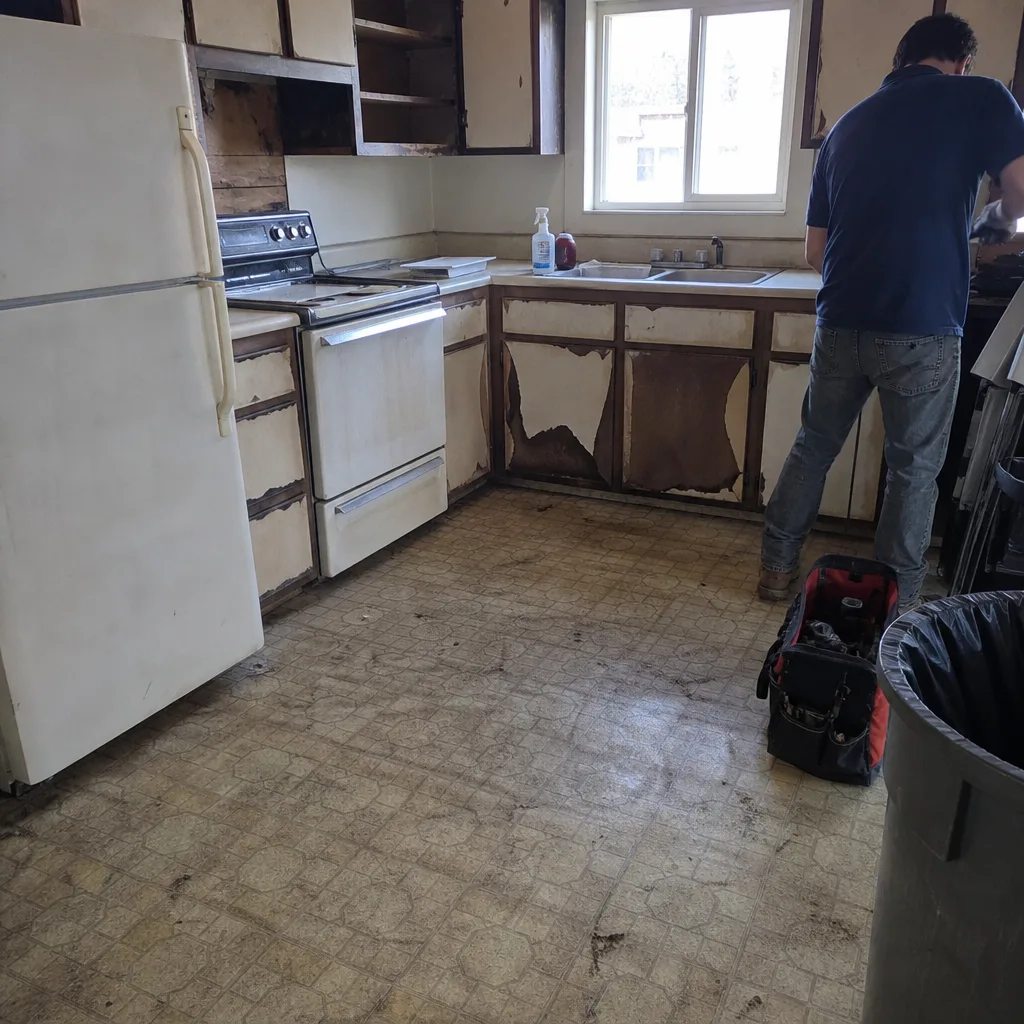 Before
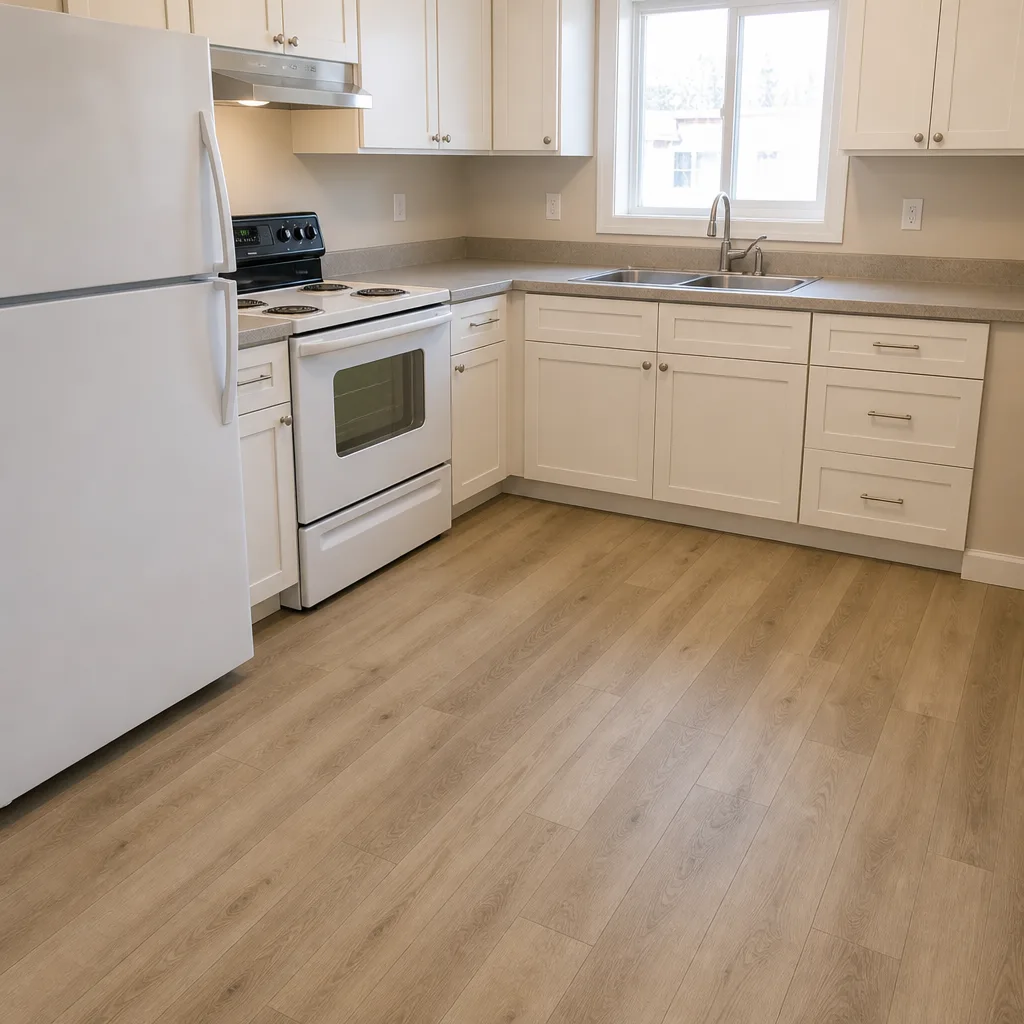 After
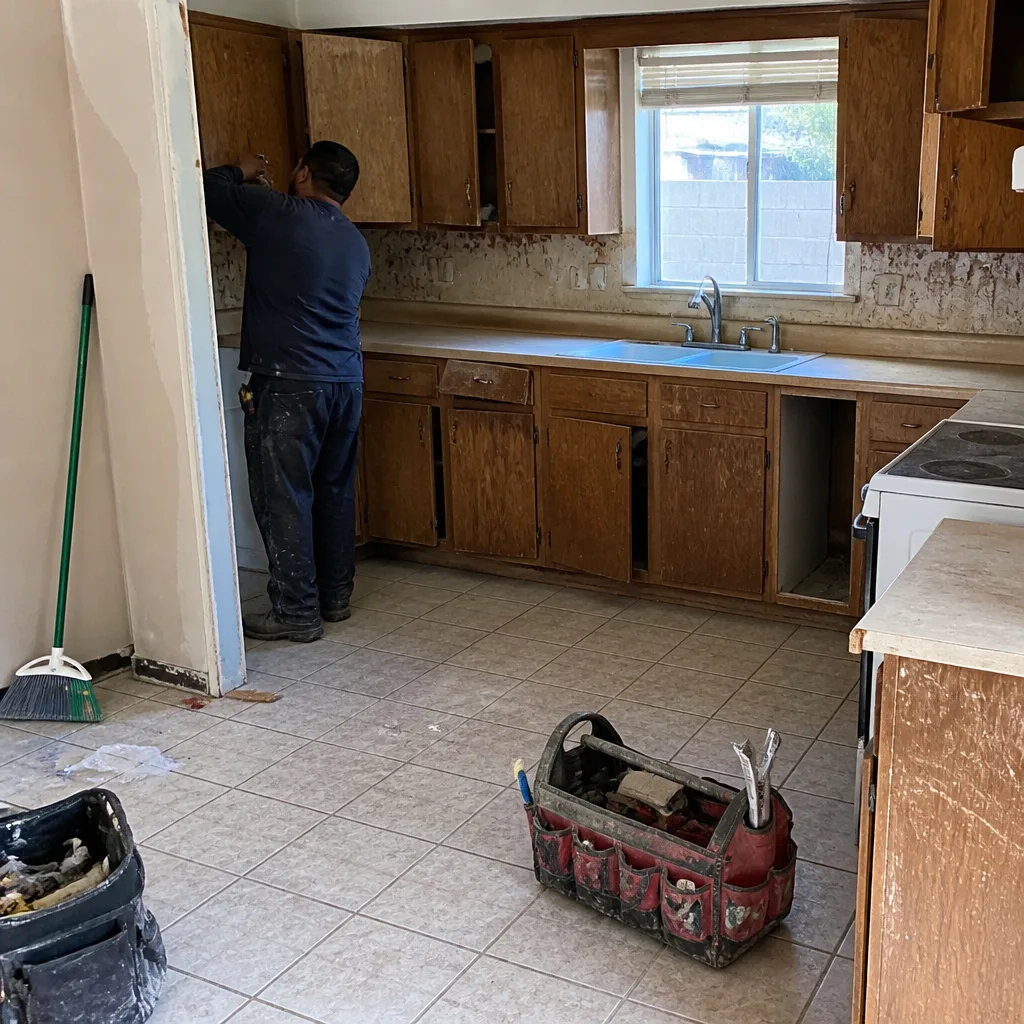 Before
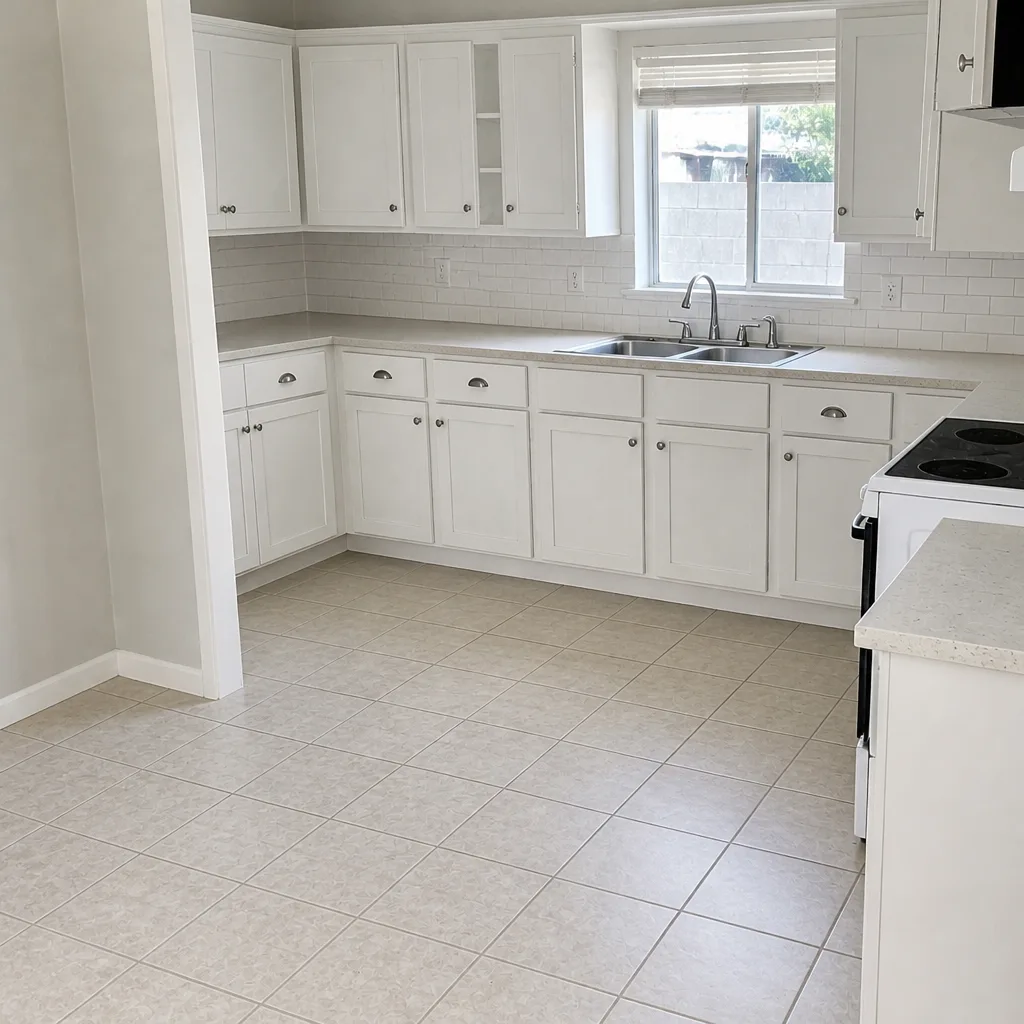 After
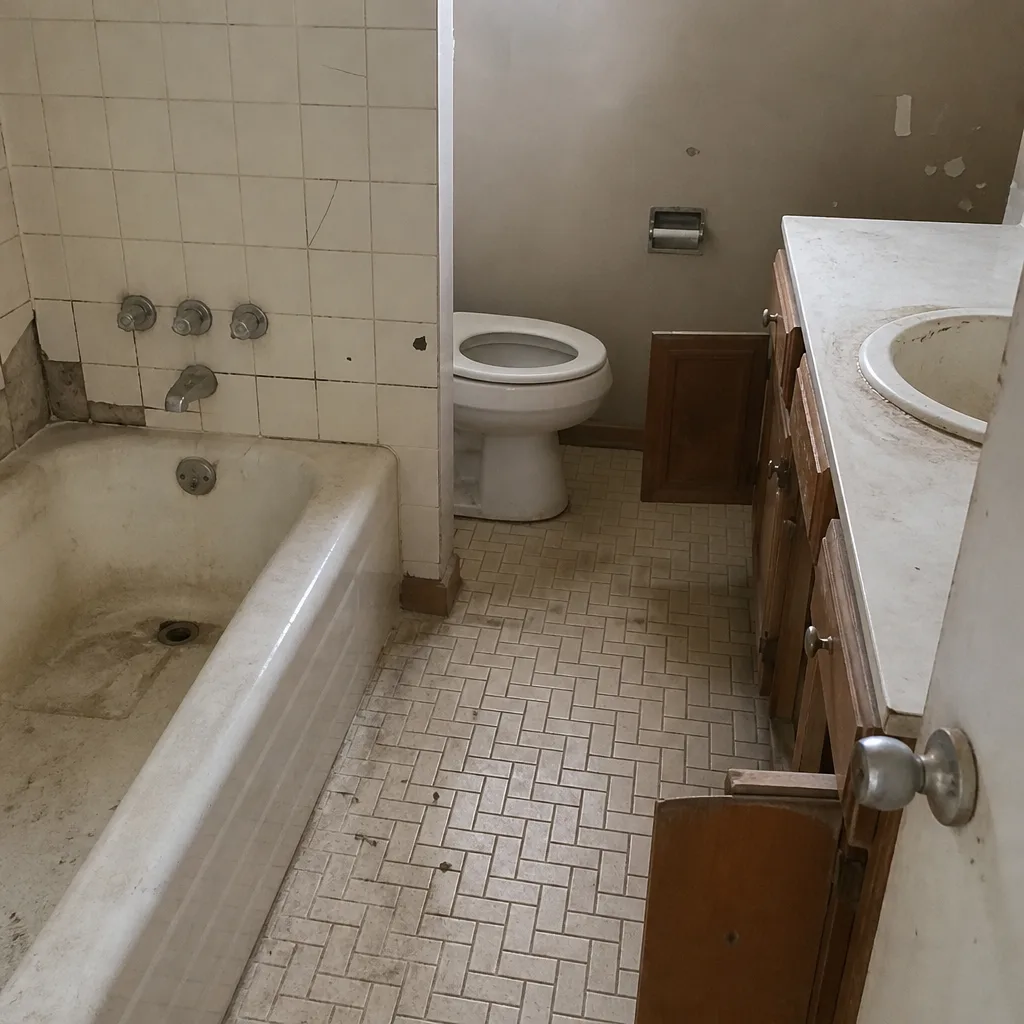 Before
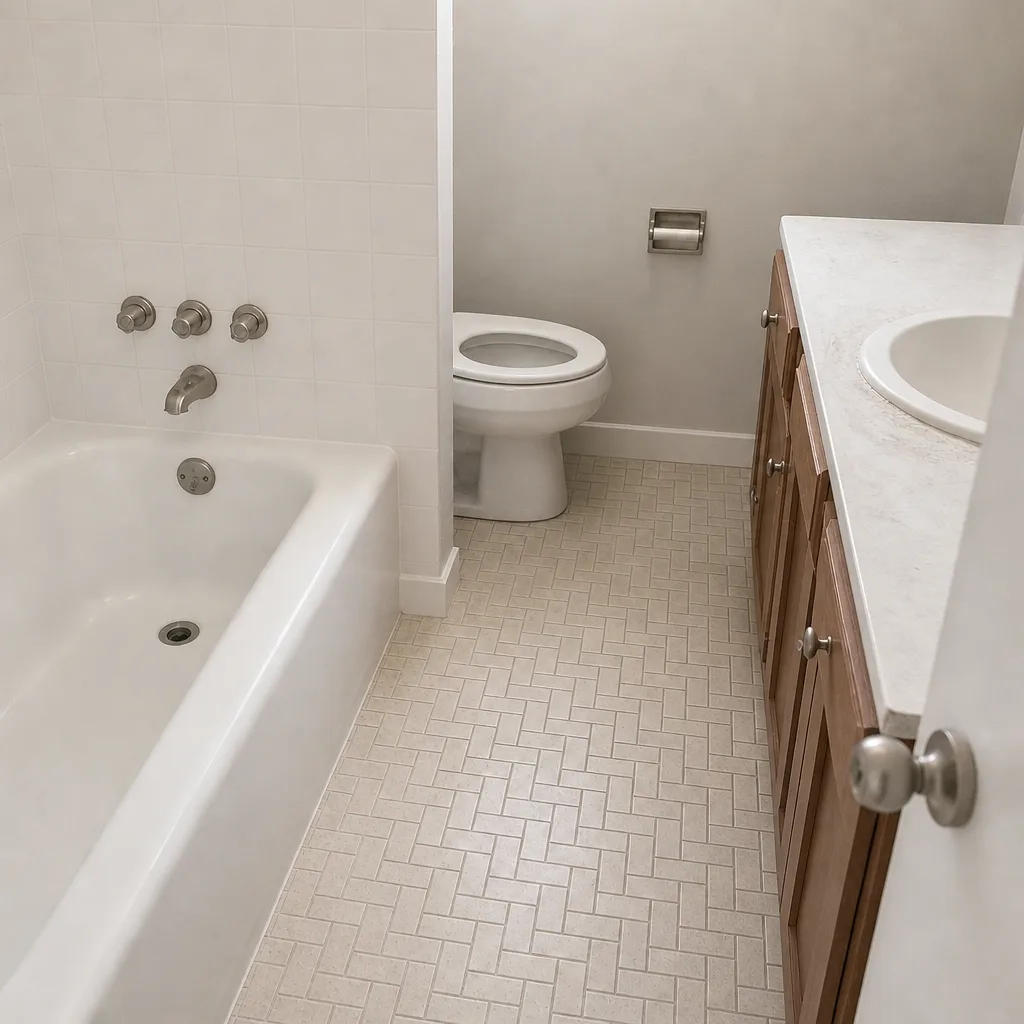 After
When to Call a Professional
Call a professional the moment the scope involves any of the following: a new foundation, a load-bearing wall change, roof-to-structure tie-in, any electrical or plumbing rough-in, gas work of any kind, or HVAC for a new conditioned space. Call us before you pull a homeowner-builder permit and plan to hire labor – the coverage conversation alone is worth the call. If you’ve already started the project and someone told you permits were optional, call us and we’ll help you sort out what needs to happen next. Barrett & Sons Construction Paradise offers free estimates in Paradise – call (855) 596-7029, and we’ll walk your scope with you before anything gets signed.
Frequently Asked Questions
Yes, if you own the home and live in it, Clark County will issue a homeowner-builder permit for work you personally perform. The permit assumes you’re the one doing the labor. The moment you hire anyone else for paid labor, you’ve effectively become the general contractor on the job, which carries its own liability and insurance exposure.
Electrical work beyond fixture swaps, plumbing and gas piping, HVAC installation, and any structural engineering sign-off require a licensed professional, regardless of the permit type. These are the scopes where a mistake means a fire, a gas leak, a code violation, or a failed inspection that opens finished walls. Call (855) 596-7029 if you want a straight answer on a specific scope before you start.
Typically $8,000 to $15,000 in retroactive permit and corrective work, and sometimes much more if the addition has to be opened up for inspection. On top of that, an unpermitted addition often appraises at $0 added value and can cause an insurance claim to be denied. Pulling the permit up front costs far less than fixing it later.
Phasing is usually cheaper if you’re willing to do finish work – typically $10,000 to $20,000 in savings on a 600-square-foot addition in Paradise. Hiring a GC turnkey costs more but removes the permit liability and the finish-work risk from your plate. The right answer depends on how much weekend time you have and how comfortable you are with the finish trades. Call us for a free second opinion on any written estimate you’ve received.
Not if the contract is written correctly. The GC’s warranty should cover the GC’s work; your work is your responsibility. What kills a warranty is verbal side-agreements and unspecified scope changes. A written scope split, clear warranty language, and change orders for anything that moves keep the warranty intact. Every scope change, allowance, and price adjustment in writing before work proceeds – that’s the rule.
Interior painting, cabinet installation, flooring, trim, and final landscaping are the highest-value DIY scopes. Together they typically save $8,000 to $18,000 on a mid-size addition in Paradise. All of them require the structure and rough-ins to be permitted and inspected first, because no amount of finish work saves you if the framing fails inspection later.
The Bottom Line
The DIY-vs-hire question for a home addition in Paradise isn’t really a skill question. The structure, the foundation, the load paths, the roof tie-in, and all licensed trades belong with a licensed professional and a pulled permit. The finish work – paint, cabinets, flooring, trim, landscaping – is yours to take, and taking it saves real money. Get a written scope, keep the permit real, report the square footage to your insurance carrier, and use a written change order for every price change. Do that, and you keep the savings and the warranty at the same time.
If you’d like a free estimate on the structural side of an addition or ADU in Paradise, or a free second opinion on a written estimate from another contractor, call Barrett & Sons Construction Paradise at (855) 596-7029. A live person answers the phone, day or night, and every job we take on is backed by our 90-Day Done Right Promise in writing.
Written by the team at Barrett & Sons Construction Paradise.