Last updated November 18, 2026
Free written scope consultation - allowances, timeline, and change-order rules on paper before a single trade is scheduled
DIY vs Professional Fence Installation: What’s Safe to Do Yourself
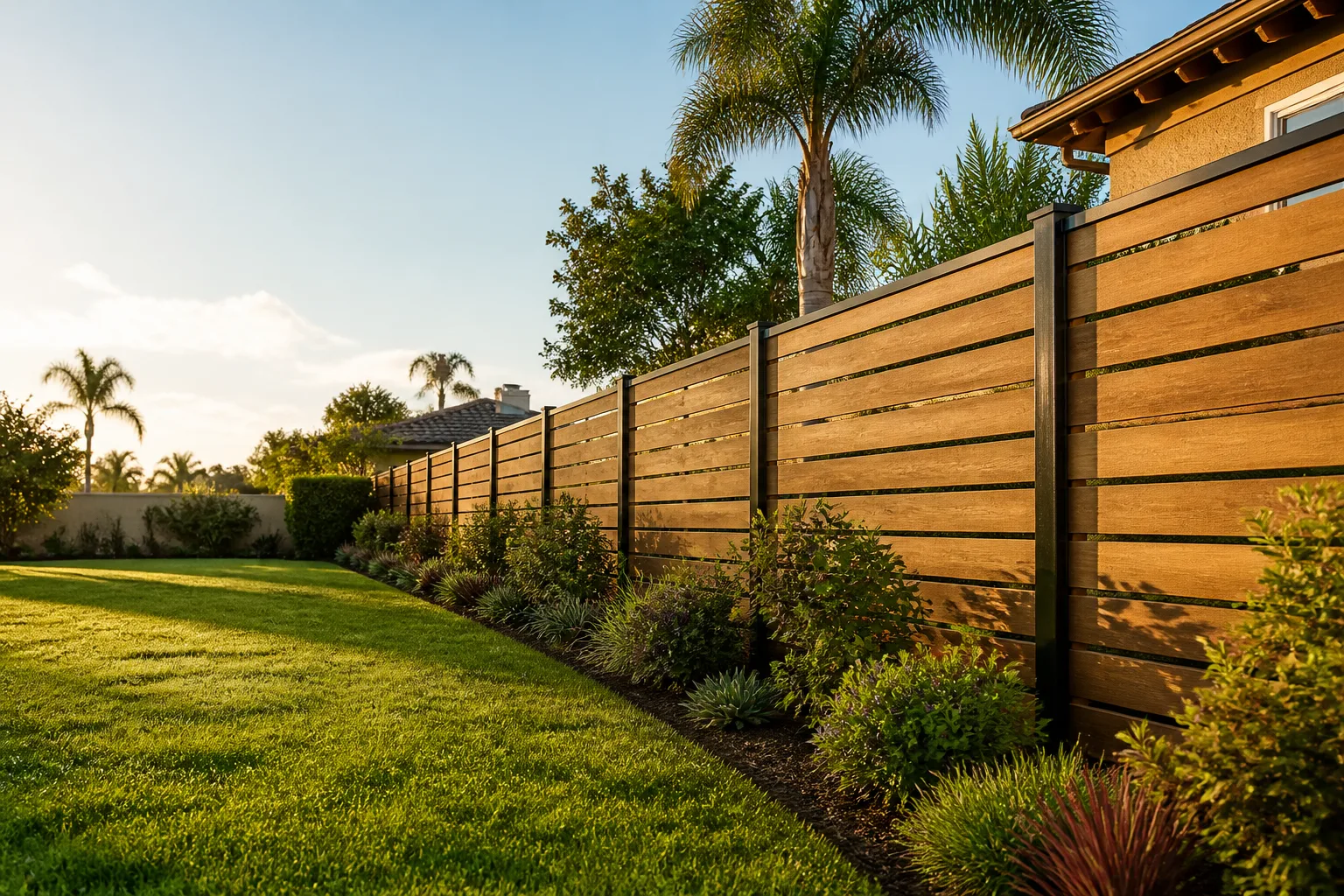
You can hang fence panels yourself all day long. The part that decides whether the whole thing is still standing in five years is the post-setting, and that’s where desert soil makes all the difference. In Paradise, Nevada, we’ve watched homeowners sink a perfect Saturday into a fence that leans by the next monsoon season. The panels were fine. The posts were the problem. Caliche doesn’t care how strong your back is. This guide walks through the job task by task – what you can genuinely handle, what Clark County expects from you on permits, and where a pro’s equipment and experience pay for themselves before the first bag of concrete sets.
Quick Answer
Most fence installation tasks are learnable for a careful homeowner: layout, string lines, panel hanging, and even gate hardware. The two that aren’t a fair fight are post-hole digging in Paradise’s caliche and getting the permit and property-line rules right in Clark County. If your soil digs like beach sand and your fence is nowhere near a property line, DIY is realistic. If neither is true, the post-setting is where professional help earns its cost.
Styles & brands we work with
- Kitchen remodeling
- Bathroom remodeling
- Home additions & ADU
- Roofing
- Windows & doors
- Driveway & pavers
- Fence
Table of Contents
- Task-by-Task: What’s DIY and What Isn’t
- What “Digging in Caliche” Actually Means
- Clark County Permits: Who Can Pull One
- The Honest Material Cost Comparison
- How to Spot a Desert-Savvy Fence Contractor
- Timing and Weather: Why Spring Matters in Paradise
- Common Mistakes to Avoid
- When to Call a Professional
Task-by-Task: What’s DIY and What Isn’t
Fence building breaks into five jobs, and they don’t carry the same risk. Here’s the honest split, based on what we’ve seen work and what we’ve seen fail across Paradise neighborhoods.
- Layout and string lines – DIY-friendly. A tape measure, string, marking paint, and a helper get you there. Stake the corners, run a string between them, mark post centers every 6 to 8 feet. If your fence line is straight, this part is satisfying.
- Permit application – DIY-doable, but you have to read the form carefully. Homeowners can pull their own fence permits in Clark County. The trap is not knowing when your fence crosses into permit territory at all.
- Post-hole digging in caliche – the real dividing line. More on this below. A rented auger from the hardware store on Highway 447 typically gives up 18 inches down when it hits a caliche layer.
- Panel hanging – learnable. Pickets and panels go up with rails, screws, and patience. This is a weekend you can win.
- Gate hanging and hardware alignment – patience-intensive but DIY-doable. Gates sag when the post moves, not when the hinge fails. If your post is solid, the gate hangs clean.
Four out of five tasks are within reach. The post-setting is the one that decides everything else.
What “Digging in Caliche” Actually Means
Caliche is a naturally cemented layer of soil – calcium carbonate fused into something closer to soft limestone than dirt. In parts of Paradise, it sits 12 to 30 inches below the surface. A standard post-hole digger bounces off it. A rented one-man auger spins, chatters, and stalls out. If you’ve never fought caliche, you’ve never spent $80 on a rental and two hours getting six inches deeper.
Getting through it usually requires one of three things:
- A demolition hammer or rotary hammer drill with a carbide bit, worked around the perimeter of the hole to break up the caliche band
- A heavy digging bar (tamping bar), which many experienced crews keep on the truck as their first tool, not their last
- A skid steer with an auger attachment for dense bands the handheld tools can’t move
Once you’re through the caliche, the hole still has to be the right diameter and depth – typically 24 to 36 inches deep for a 6-foot fence panel, deeper for 8-foot. And the concrete has to be the right mix for whatever soil water expects. In Paradise, we pour slightly drier mixes than you’d use anywhere with rain. Desert soil doesn’t drain the same way.
The other thing caliche does to DIY fences: it pushes. A post set in a hole only as wide as the post itself will heave when the caliche layer expands in summer. A slightly bell-shaped hole with a wider base resists that. If you’ve never watched a post heave, you won’t plan for it. A contractor who’s built fences here for years plans for it without thinking.
Clark County Permits: Who Can Pull One
Clark County allows a homeowner to pull a fence permit themselves, and that’s genuinely good news. The permit process isn’t a gatekeeper. But there are real rules that apply, and missing them costs more than the permit fee.
- Height limits vary by zone. Most residential zones cap front-yard fences around 42 to 48 inches and side/back-yard fences around 72 to 96 inches. Check your specific zone – they aren’t uniform across Paradise.
- Sight triangle rules apply near corners and driveways. A fence too tall or too close to a driveway apron can block visibility and get flagged at inspection.
- Property line placement matters. A fence built exactly on the line can create an encroachment issue if your survey is even a few inches off. Fence set back from the line is safer for everyone.
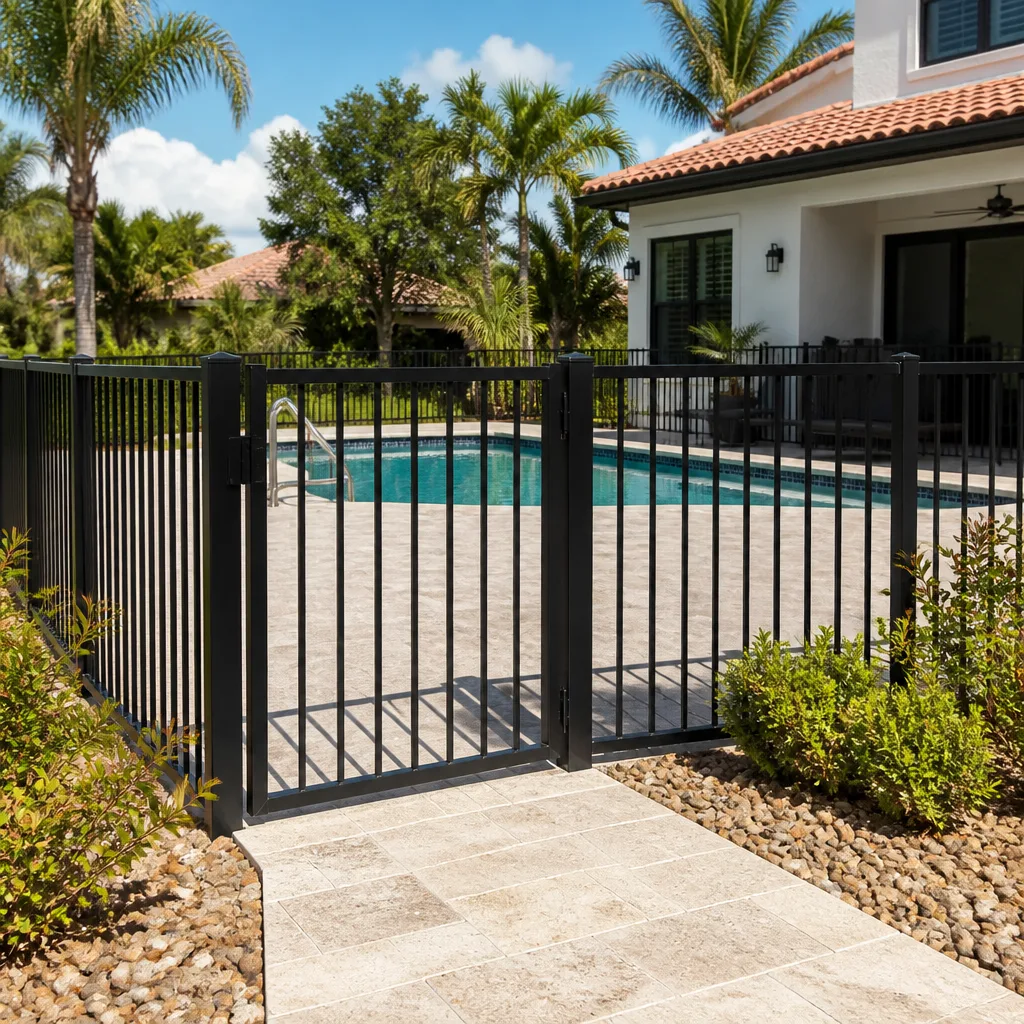
- Pool fencing has additional rules under Nevada law. Self-closing gates, latch heights, and non-climbable design are inspected separately from the general fence permit.
Here’s the honest part – the permit inspector works for you, not for us. Every inspection that fails costs you time, not just money. When we pull and manage permits, the inspections pass because we know the checklist before the first post goes in. When a homeowner manages it themselves, an inspection is a learning curve, and that’s fine – as long as you know what you’re signing up for.
Look at the Fence Installation in Paradise page for how we handle permits on professional jobs, and compare that to what your DIY plan covers.
The Honest Material Cost Comparison
DIY fence supply costs and contractor supply costs aren’t the same number. That’s a place most DIY guides gloss over.
- Standard pressure-treated panels and posts: homeowners can source these at the big-box stores on Highway 447 or any lumber yard in the area. Contractor pricing gets a small discount but the material is the same grade. DIY saves roughly 10 to 15 percent on these.
- Premium wood, composite, and metal systems: here’s where the gap widens. Commercial supply houses won’t sell retail. A contractor with a commercial account can source fence brands that homeowners can’t easily buy – and the material grade for those brands is genuinely different from what’s on the shelf. It’s the same principle as anything labeled “contractor grade.”
- Concrete, hardware, and fasteners: roughly identical. You’re buying the same 80-pound bags anyone buys.
- Waste factor: this is the one most DIY budget sheets miss. A first-time builder typically wastes 10 to 20 percent on miscuts, damaged panels, and broken posts. Experienced crews work closer to 3 to 5. On a 150-foot fence, that’s real money.
- Tools: if you don’t already own a rotary hammer and a digging bar, renting for a weekend runs $150 to $250. Buying runs $400 and up. On one fence job, rental makes sense. On two, you own them.
The gap between DIY-as-a-project and hiring a crew usually narrows more than people expect once the tool rental, waste factor, and permit management time are counted. It doesn’t disappear. But it shrinks – especially if your fence runs into a caliche band. This same math shows up on our Driveway & Pavers in Paradise page for a related project type, and the underlying logic holds for both.
How to Spot a Desert-Savvy Fence Contractor
Most fence contractors learn the trade somewhere with real topsoil. Shipping them into Paradise with an auger and a standard set of habits is where fences start failing around year three. The questions below reveal the difference in five minutes of conversation, and they’re the ones we’d want to be asked.
- “How do you handle caliche when you hit it?” A desert-savvy answer mentions specific tooling – rotary hammer, digging bar, compaction, bell-shaped hole. If the answer is “we dig through it,” that’s not an answer.
- “What concrete mix do you use in this soil?” Desert installation calls for slightly drier, stronger mixes than you’d see elsewhere. If they don’t think about it, they’ve built one fence in Paradise and it happened to hold.
- “Do you set every post in concrete or just the corners?” Full concrete-set posts are the standard for wind-rated fencing. Corner-only is a shortcut.
- “What’s the summer wind plan?” Paradise gets wind events that knock over fences set at the standard depth for softer soil. Deeper posts, wider holes, or cross-bracing are the answers.
- “What’s your permit process and who files?” A pro should be able to describe the checklist in their sleep. “The homeowner handles it” is a red flag if you’re paying them to build the fence.
- “What’s the warranty and what does it cover?” “Workmanship” is too vague. Get specifics: heaving, gate sag, panel alignment. Written, not verbal.
The other thing to ask: “Can I look up your license?” Anyone worth hiring says yes on the first try. If they hesitate, end the call. Our license, name, and address are public and easy to verify – we’d rather you check than take our word for it.
Timing and Weather: Why Spring Matters in Paradise
Fence installation in Paradise has a window most of the country doesn’t. Summer ground temperatures regularly push past 130 degrees at a few inches depth, and concrete poured into soil that hot cures too fast – which means weak posts. Fall and early spring are the sweet spots. Winter is fine for post-setting but slows paint and stain curing.
Spring is also when we see the failures. A fence installed in late summer often reveals its problems by the following March: heaving posts, snapped rails, sagging gates. If you’re planning a DIY fence, run it in the cooler months, ideally starting February or early March. That gives the concrete a full cure before the summer heat cycle hits.
Monsoon season usually arrives July through September, and wind gusts during those storms are the real test of a fence. If you set posts in June or later, you’re racing the weather. That’s not a safety issue – it’s a durability one. The same principle applies to outdoor builds like the ones listed on our Home Additions & ADU in Paradise page.
Common Mistakes to Avoid
- Building without checking your property line. A fence a few inches onto a neighbor’s property can create an encroachment headache that costs more to fix than the fence cost to build. Verify your survey before you dig.
- Setting posts only as wide as the post. In caliche-heavy soil, that hole will heave within a couple of seasons. Hole diameter matters as much as depth.
- Skipping the permit because “it’s just a fence.” Clark County permits are easy to get and cheap. The penalties for skipping one – when it’s discovered later, usually at a home sale inspection – cost far more.
- Buying panels before confirming post spacing. Different manufacturers specify different post centers. We’ve seen homeowners buy a truckload of panels at 8-foot spacing then realize their posts were set for 6-foot centers.
- Setting every post in the same depth regardless of fence line. Gate posts carry more load. Corner posts take more wind. Uniform post depth is a shortcut that shows up as gate sag within a year.
- Pouring concrete in 100-degree heat without adjusting water. Too much water in the mix in Paradise summer heat means weak concrete. Slump test matters here more than it does on softer ground.
- Trusting a quote without a written scope. Every allowance, every brand, every price change should arrive in writing before work starts. An allowance that isn’t on paper is a surprise waiting for a date.
When to Call a Professional
Some fences are genuinely DIY-friendly, and some aren’t. Call a pro when any of these apply: your property line placement is uncertain, your fence line crosses a caliche band, your project requires a permit and you aren’t comfortable managing Clark County’s inspection schedule, your fence includes a pool barrier (nevada pool code is inspected separately), or you’re installing a gate on a driveway or high-traffic entry. Also call a pro if the fence attaches to a structure – additions, ADU boundary fences, and other tied-in work around your Paradise home need structure-aware planning.
Barrett & Sons Construction Paradise offers free estimates in Paradise – call (855) 596-7029. We’ll walk the line with you, tell you honestly which parts you can handle yourself, and quote the parts that need us. Estimates are written, line-item, and yours to keep whether you hire us or not.
See the difference
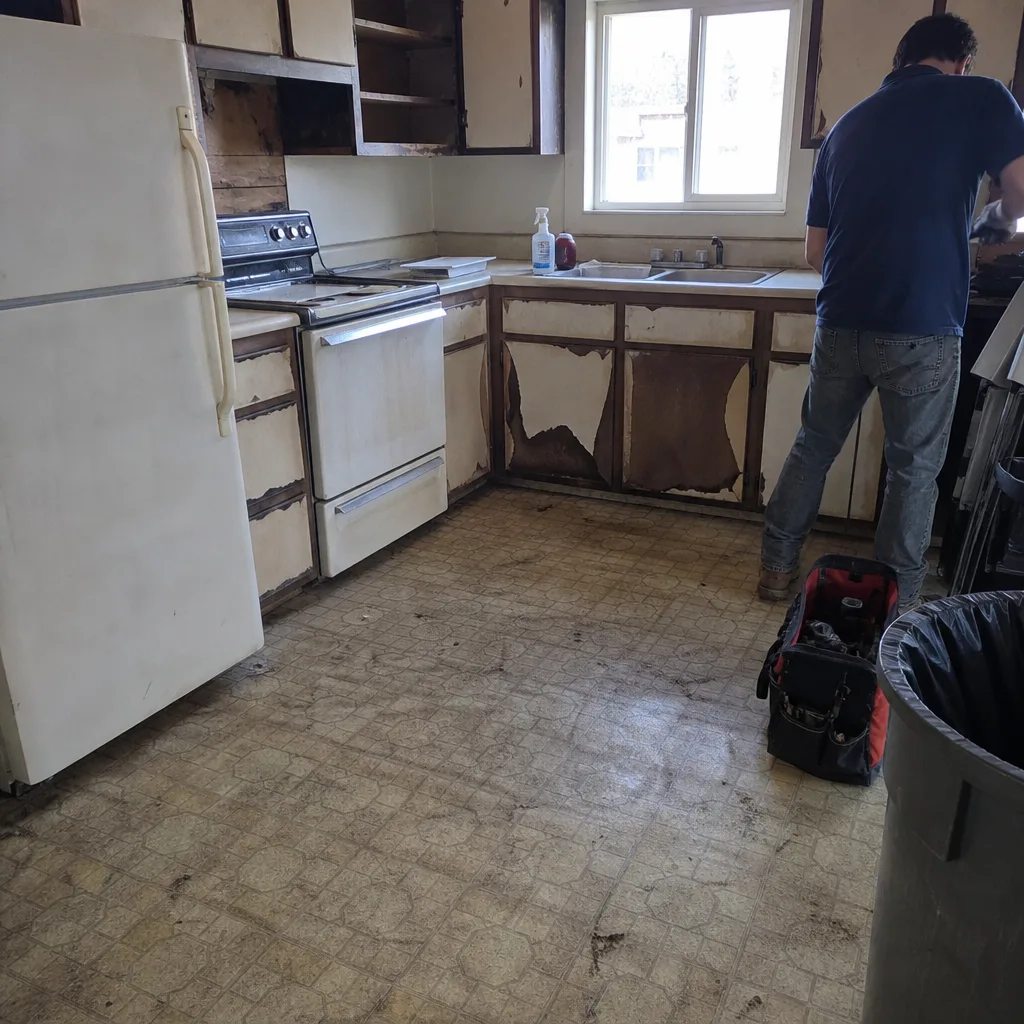 Before
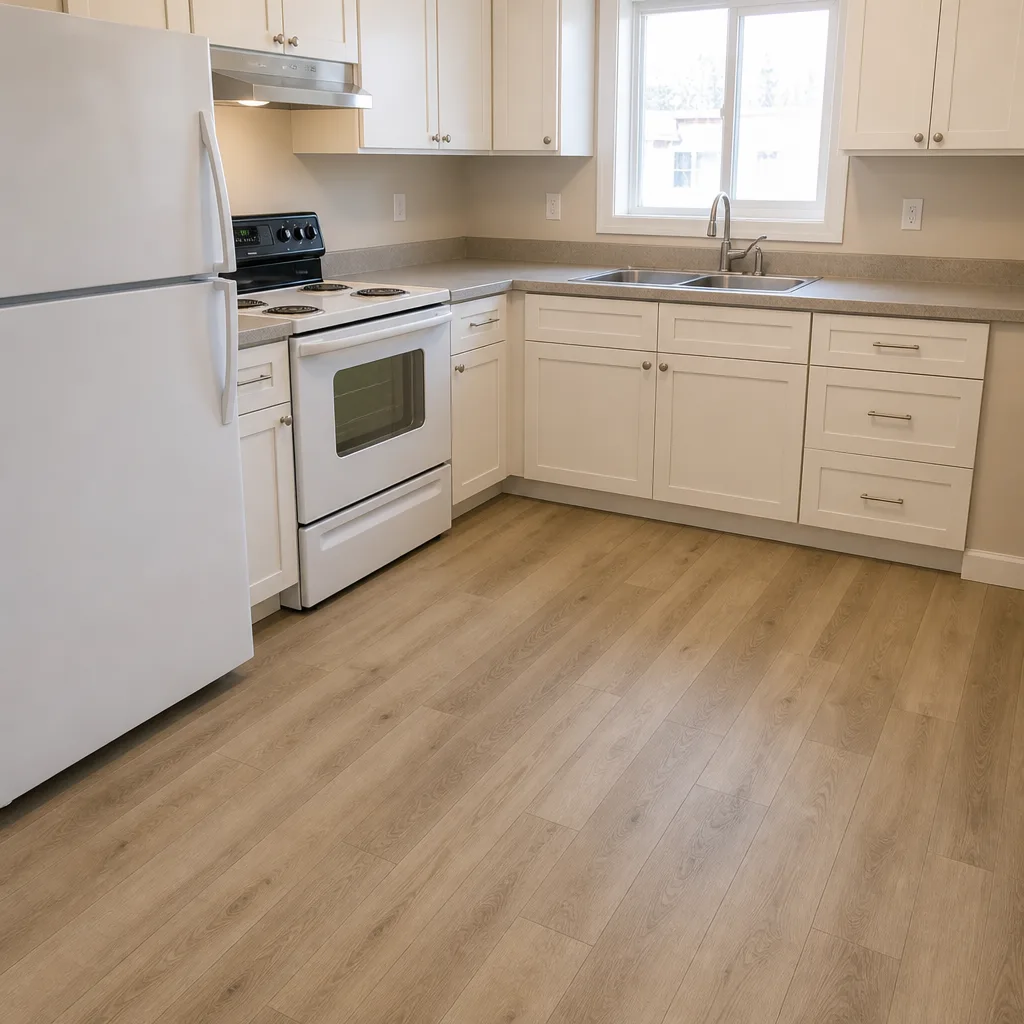 After
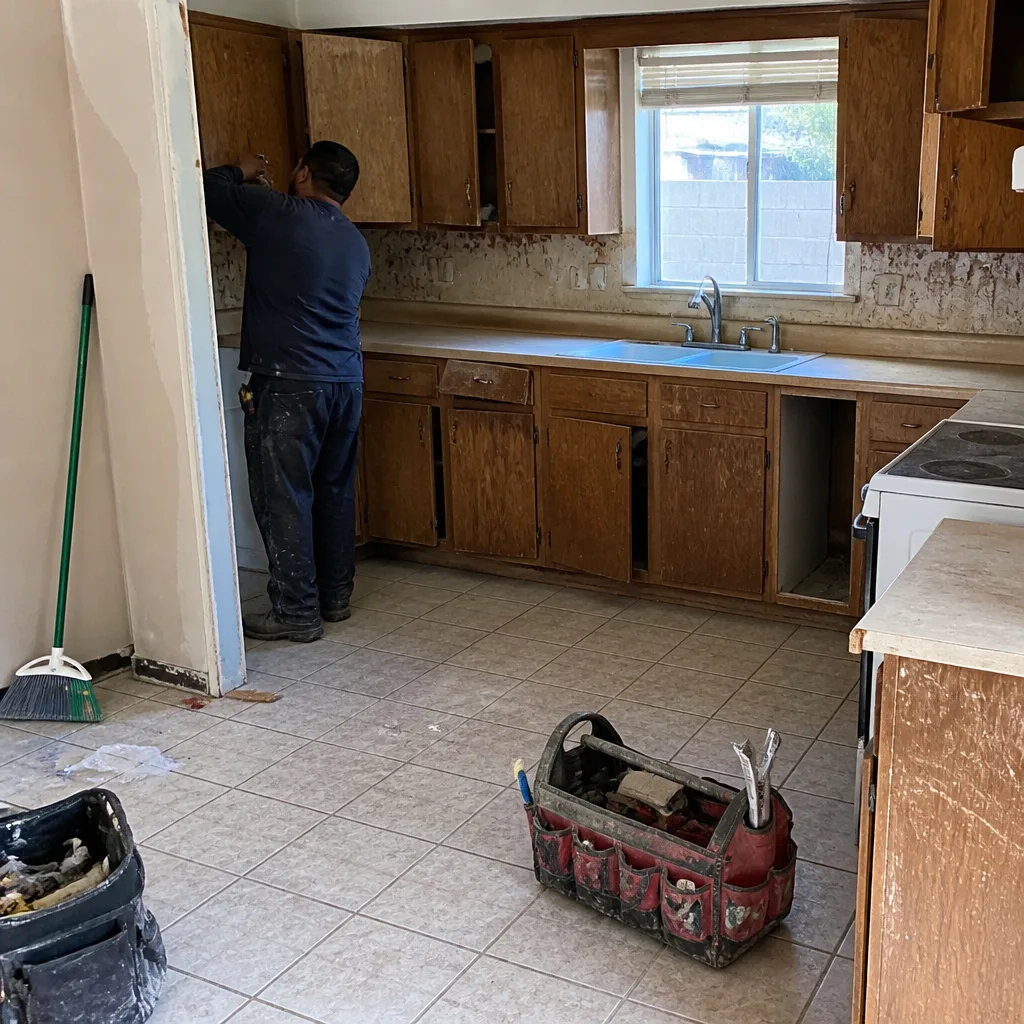 Before
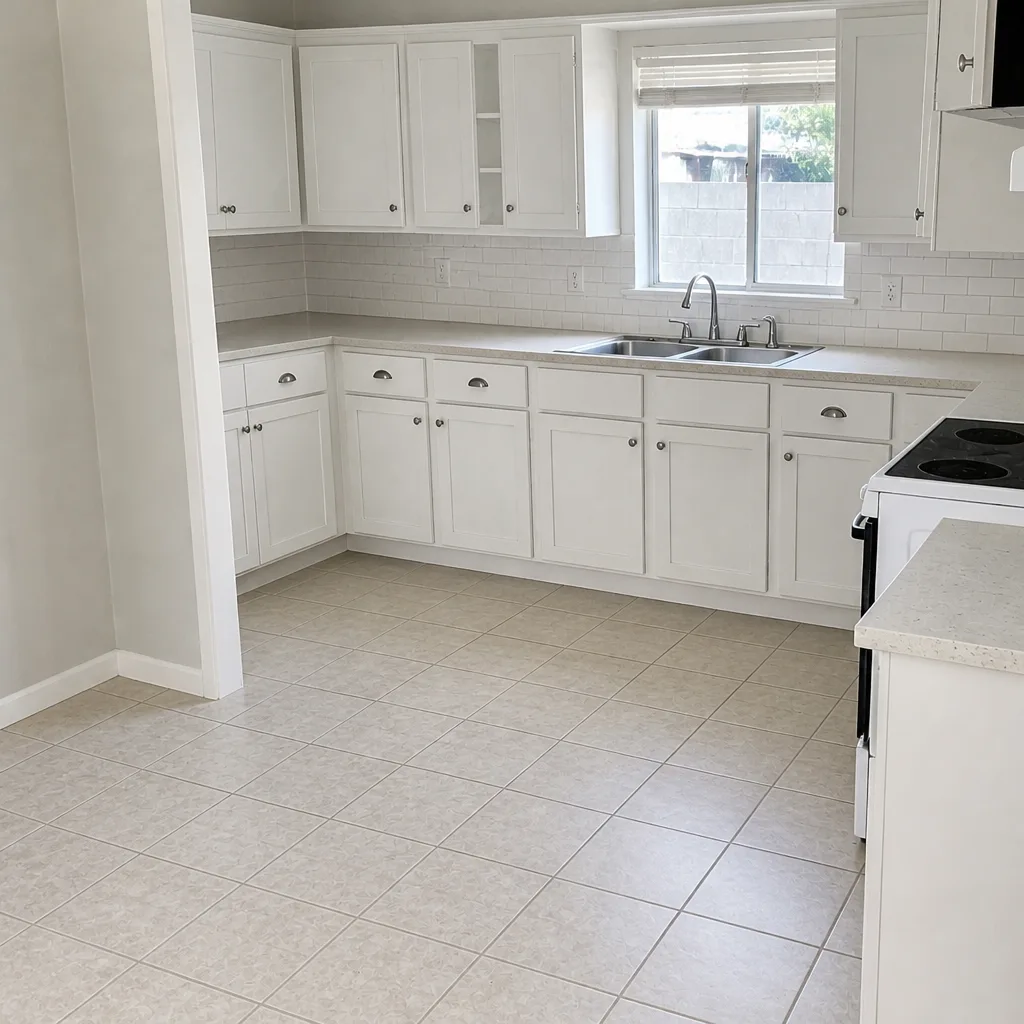 After
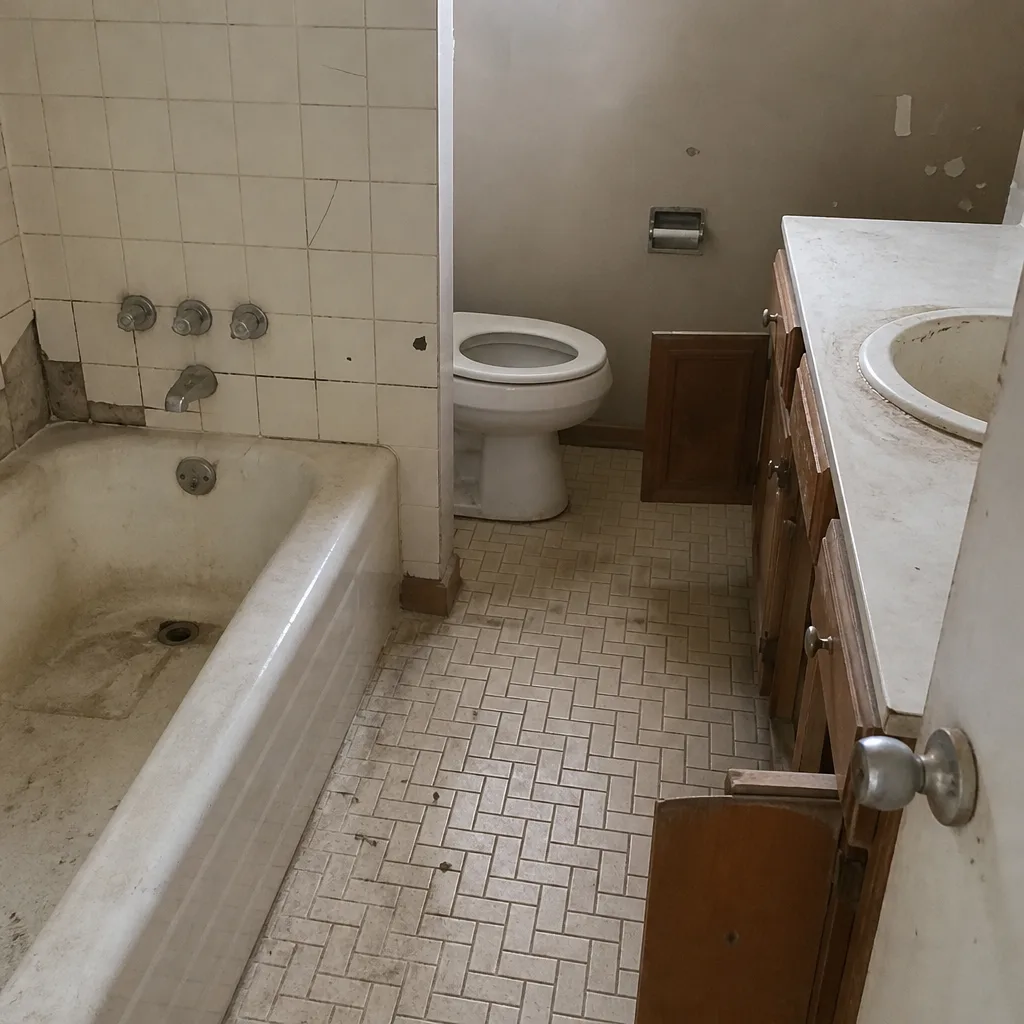 Before
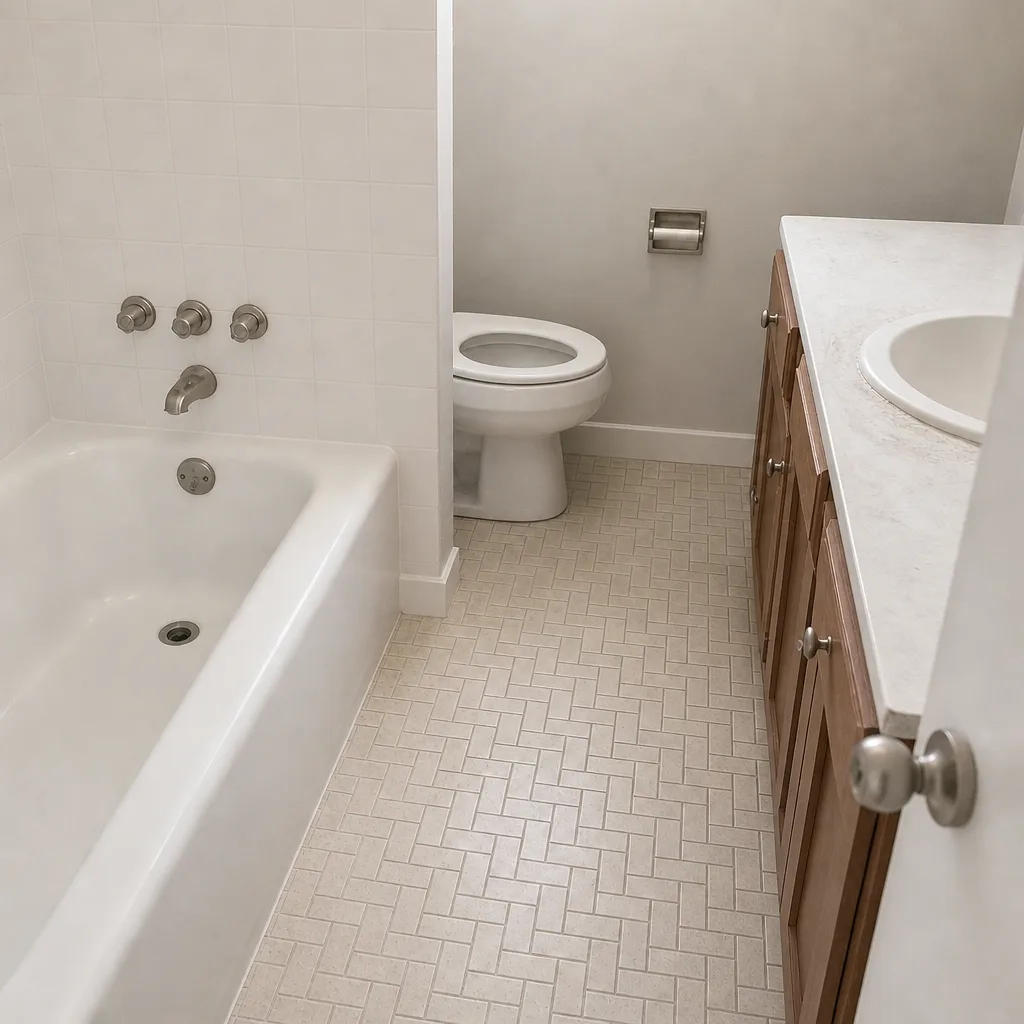 After
Frequently Asked Questions
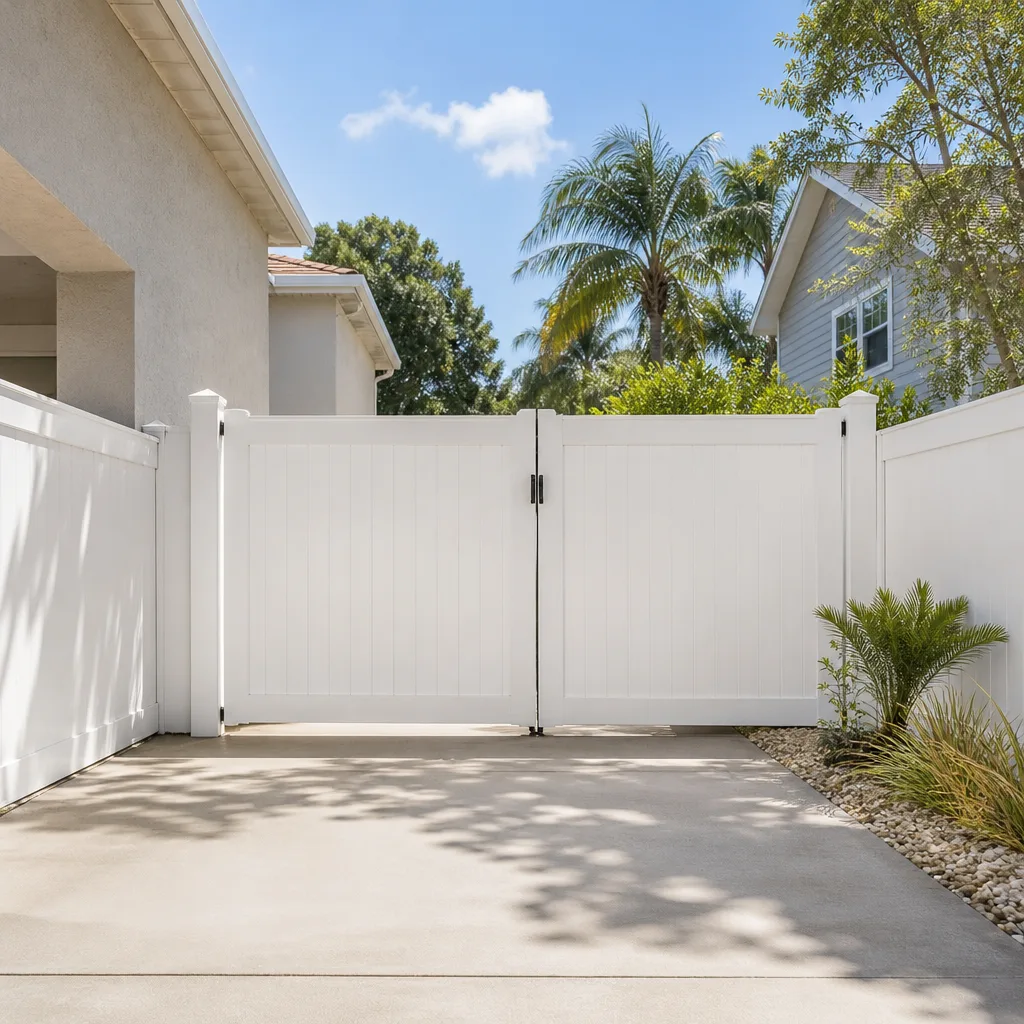
Yes. Clark County allows homeowners to pull their own fence permits, and the process is straightforward. What trips people up isn’t the permit application itself – it’s knowing whether a permit is required at all. Front-yard height limits, sight triangle rules near driveways, and property line set-back rules all vary by zone, so call the county before you dig. If you’re unsure, that’s the moment to call (855) 596-7029 for a second opinion.
DIY runs roughly 40 to 60 percent less than a pro job on standard materials, but that gap shrinks once tool rental, waste factor, and permit management time are counted. On a 150-foot fence with a caliche band, DIY savings often sit closer to 25 to 35 percent. Pro installation buys you permit management, a written scope, and a workmanship warranty. Call (855) 596-7029 for a free written line-item quote on your specific fence.
Caliche is a cemented soil layer that resists digging and expands with seasonal moisture changes. A post set in a hole too narrow for the caliche band will heave as the layer moves, and once a post heaves, the panel and gate above it move with it. Proper post-setting in caliche soil requires a wider base and correct concrete mix. Paradise fences built without that planning typically fail around year three.
A standard 100 to 150-foot residential fence takes two to four days for a crew, depending on soil conditions and permit inspections. Caliche slows the post-setting day significantly. DIY timelines usually run 5 to 10 days for the same project, spread across weekends, plus the time you spend on the permit. Scheduling in February or early March gets you ahead of the summer heat. Call (855) 596-7029 to get a realistic timeline on your property.
It shouldn’t, and a reputable contractor will guarantee that in writing. Every scope, allowance, and price change should arrive as a written change order before any work proceeds. Our jobs include written change orders on every scope change – no surprise invoices at the end. If a contractor won’t put the scope in writing up front, that’s the moment to walk away. Call (855) 596-7029 to see what a written line-item quote looks like.
It depends on your zone and location on the property. In Clark County, front-yard fences usually cap lower than side and back-yard fences, and corner lots trigger sight triangle rules regardless of height. A fence under 6 feet in the back yard is often permit-exempt; the same fence in a front yard may not be. When in doubt, call the county – or call us at (855) 596-7029 and we’ll walk through the checklist with you. The permit is a lot cheaper than getting flagged later.
The Bottom Line
Most fence installation is DIY-doable: layout, string lines, panel hanging, gate hardware. The post-setting in caliche and the Clark County permit rules are the two spots where DIY becomes costly – not because you can’t learn, but because the tools and the local experience take longer to acquire than the fence takes to build. If your soil digs easy and your fence sits well off a property line, take the weekend. If caliche shows up, or if you’re near a lot corner or pool barrier code, get a professional estimate before you rent the auger. Get the quote in writing either way. For the full scope of what we offer in Paradise, see fence installation in Paradise.
Call (855) 596-7029 to schedule your free estimate. Barrett & Sons Construction Paradise – licensed, insured, and 90-Day Done Right Promise on every job. A live person answers, day or night.
Written by the team at Barrett & Sons Construction Paradise.