Last updated November 18, 2026

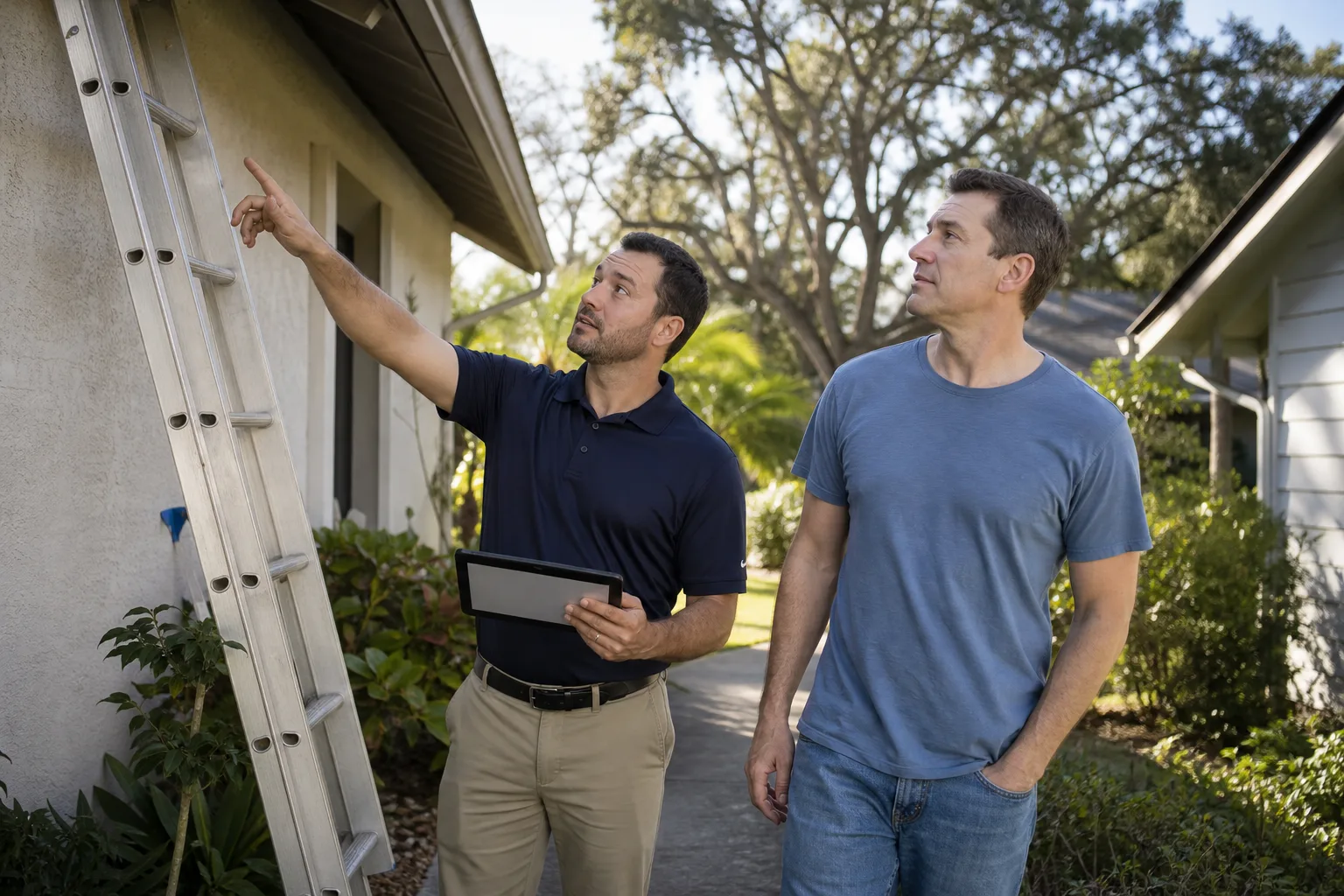
Free written scope consultation - allowances, timeline, and change-order rules on paper before a single trade is scheduled
DIY vs Professional Construction: The Paradise Homeowner’s Decision Guide
YouTube will teach you how to lay pavers. What YouTube won’t tell you is that in Paradise, the base compaction depth needs to be roughly two inches deeper than the standard tutorial because of expansive soil, and if you skip that, your new patio can be shifting within eighteen months. That gap between the video and the ground is where most homeowner projects run into trouble. This guide isn’t here to talk you out of picking up a hammer. Some jobs you should absolutely do yourself, and we’ll tell you which ones. What we want to hand you is a straight way to sort the projects that save you real money from the ones that quietly cost you more than you saved.
Quick Answer
In Paradise, the DIY-versus-professional question comes down to three things, not skill: whether the job needs a permit and inspection, whether getting it wrong voids a warranty or complicates a future sale, and whether the desert climate adds a twist that standard tutorials don’t cover. Cosmetic work and demo are usually fine to handle yourself. Anything structural, anything tied to your roof, electrical, or gas, and anything where expansive soil changes the rules belongs with a licensed crew who pulls the permit. When in doubt, the permit is the dividing line.
Styles & brands we work with
- Kitchen remodeling
- Bathroom remodeling
- Home additions & ADU
- Roofing
- Windows & doors
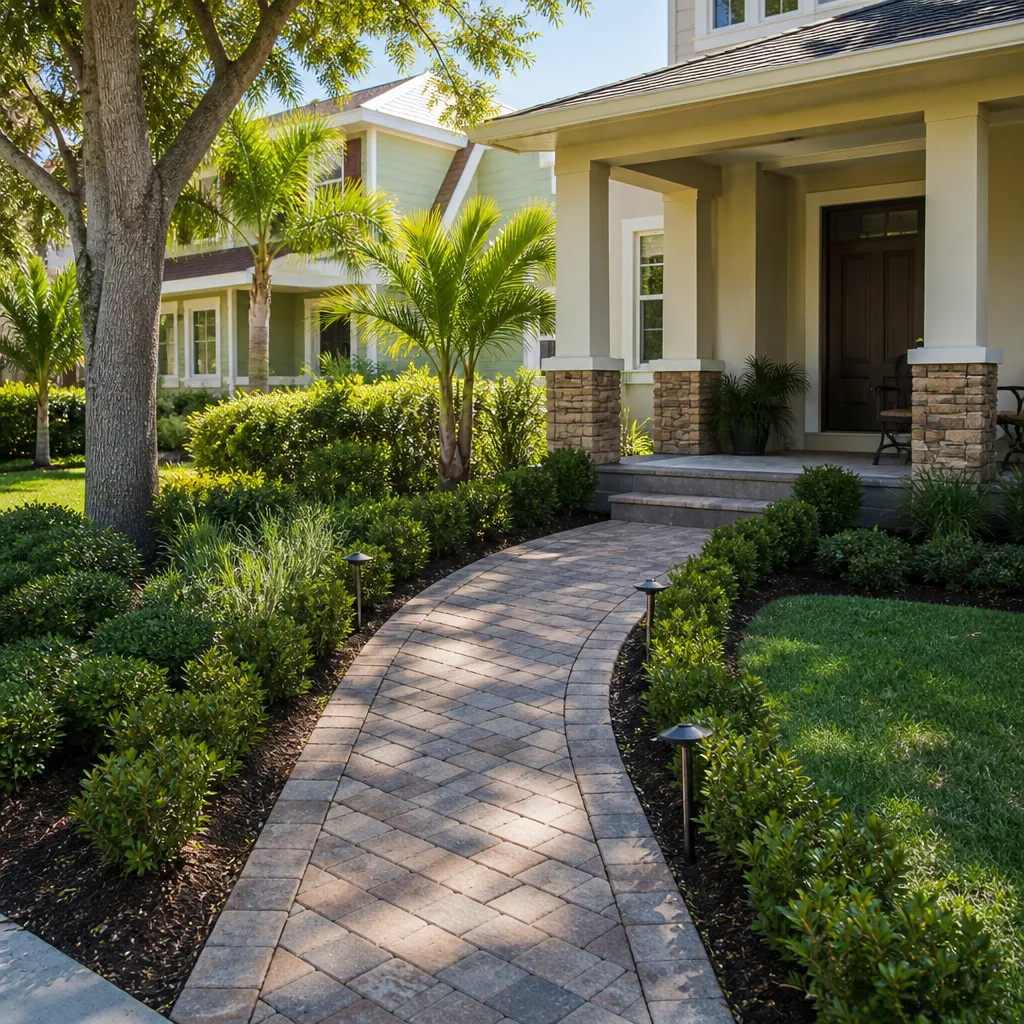
- Driveway & pavers
- Fence
Table of Contents
- What Nevada’s Owner-Builder Rule Actually Lets You Do
- The Decision Matrix: DIY Saves vs. DIY Costs More
- Why Paradise Soil and Sun Break the Standard Tutorial
- “I’ll Demo, You Build”: What Hybrid Projects Really Save
- Having an Honest Talk With Your Contractor
- Common Mistakes to Avoid
- When to Call a Professional
- Frequently Asked Questions
What Nevada’s Owner-Builder Rule Actually Lets You Do
Nevada allows a homeowner to act as their own “owner-builder” on a home they live in, which means you can take out a permit in your own name and do certain work yourself without holding a contractor’s license. That sounds like a green light to skip the contractor, and for some projects it is. But the owner-builder exemption comes with conditions that most people don’t read closely, and the consequences of getting it wrong show up years later.
The short version: owner-builder status is meant for a home you occupy, not for a property you plan to flip or rent. If you sell within a certain window after doing permitted work as an owner-builder, you generally have to disclose that the work was self-performed, and some buyers and lenders treat that disclosure as a red flag. That’s the part nobody mentions in the comments section.
Here’s what the owner-builder route realistically covers:
- Cosmetic work: paint, flooring, trim, cabinet swaps, tile in low-moisture areas. Usually no permit, no inspection, low risk.
- Non-structural demo: pulling old cabinets, tearing out carpet, removing a non-load-bearing partition after you’ve confirmed it’s not carrying anything. Fine to own.
- Landscaping and fencing within height and setback limits: often doable, but check the covenant rules for your subdivision before you dig a single post.
And here’s what the exemption does not protect you from: personal liability if a helper gets hurt on your property, the loss of a manufacturer warranty when a product is installed outside its spec, and the resale headache of an unpermitted addition that a future buyer’s inspector flags. On any eligible job, we pull the permits and get the inspections signed, because the last contractor many Paradise customers used convinced them permits were optional. They aren’t. The permit inspector works for you, not for us, and that’s exactly why we like them.
The Decision Matrix: DIY Saves vs. DIY Costs More
This is the part to screenshot. We’ve sorted the common Paradise projects into two columns based on what actually happens on the ground, not what a how-to channel hopes will happen.
Where DIY saves real money with manageable risk:
- Interior paint and trim
- Swapping light fixtures (with the breaker off, on a circuit you understand)
- Cabinet refacing and hardware
- Pulling up old flooring and carpet
- Pressure-washing and resealing a fence you already own
- Planting, mulching, and small garden borders
Where the desert, the permit, or the liability makes professional work the rational call:
- Anything on the roof, including “just a few shingles” – the fall risk and the decking moisture issues out here are real
- Paver patios and driveways, where base compaction is the whole ballgame
- Window and door replacement, where a bad seal leaks heat and dust
- Electrical panel work and any new circuit
- Gas lines, water heaters, and anything that needs a shutoff you don’t control
- Additions, ADUs, and any structural change
The pattern is simple. If the failure mode is “it looks a little off,” DIY it. If the failure mode is “it leaks, it shifts, it floods, or somebody gets hurt,” that’s a professional’s job. We say that as people who would happily sell you the work on the left column too, but you don’t need us for paint.
Why Paradise Soil and Sun Break the Standard Tutorial
Most DIY construction content is written for a Midwest lawn or a coastal climate. Paradise is neither. The soil across much of the valley is expansive clay that swells when it takes on water and contracts when it dries out, and the sun does its shrinking for it. A tutorial that tells you to compact a paver base to four inches was written for stable ground. Here you want more, and you want it compacted in lifts of two inches with a plate compactor, not a hand tamper, or the base never actually gets dense.
The heat changes the chemistry too. Concrete poured on a 105-degree afternoon cures too fast, which means it’s weaker than the mix design promised. Professional pours happen early, get shaded or misted, and account for the cure window. Mortar for brick and block needs the same respect or it loses bond strength. And sealant timing on pavers or a fence isn’t a suggestion: apply it in the wrong temperature range and it either flashes off before it penetrates or never cures at all.
We stock and stand behind brands you can look up by name, so you know what’s going in the ground. Quikrete and Sakrete mixes follow a published spec, not a guess. When you call us about a driveway and paver project in Paradise, the conversation starts with your soil and your grade, because that’s what decides whether the job lasts. That’s the two-inch difference the video skipped.
“I’ll Demo, You Build”: What Hybrid Projects Really Save
Plenty of homeowners want to save a few thousand by doing the tear-out themselves and handing a clean slate to the builder. It’s a reasonable instinct, and sometimes it works. Sometimes it creates a mess that costs more to fix than the demo was worth. Here’s the honest math.
Demo labor is the least skilled, lowest-value work on most jobs, which is why contractors price it cheaply. If you spend three weekends pulling out a kitchen and hauling debris to the transfer station, you’ve saved maybe the cost of the hauling and a couple of days of labor, but you’ve stretched the timeline and the builder is now waiting on you. Meanwhile the rest of the project is on hold, and if you damaged a subfloor or nicked a pipe you didn’t know was there, that’s a repair bill and a conversation.
Where the hybrid actually saves money:
- Debris hauling. You rent the dumpster, you fill it. Genuinely worth it.
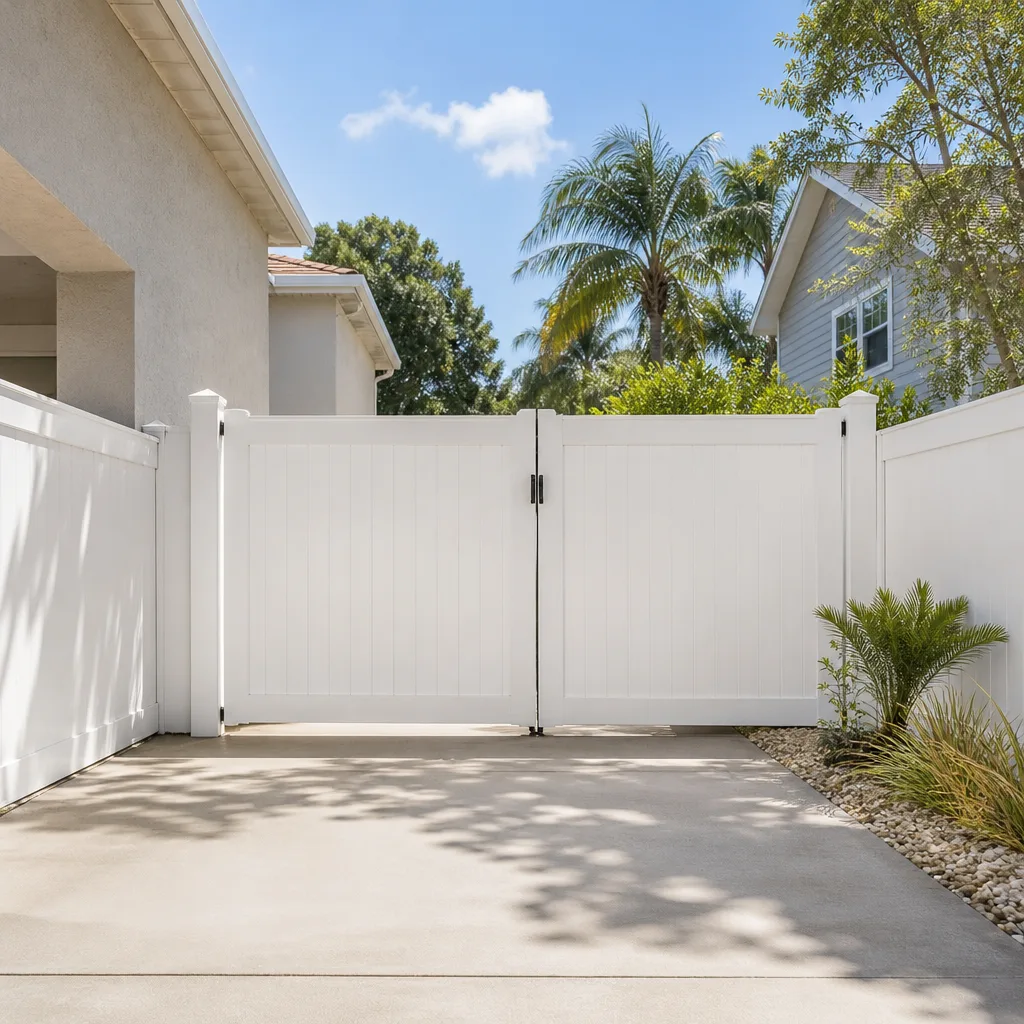
- Fencing. If you want to pull old posts yourself, and the new install is in a fence installation in Paradise, we’ll quote the build without the demo and you keep the savings.
- Finish work you enjoy. Painting, staining, landscaping at the end of a big job.
Where it usually backfires: demo on anything with hidden utilities, and demo that touches structure. If you tear out drywall and find a wiring run you can’t identify, the safe move is to stop and call. That’s not a warranty dodge. It’s how you keep a project from turning into an emergency.
Having an Honest Talk With Your Contractor
The homeowners who get the most out of a project are the ones who say up front what they plan to handle themselves. This isn’t a negotiation trick. It’s how you avoid arguments later. A good contractor will tell you plainly what they’ll allow, what they won’t, and why, and a bad one will either say yes to everything or get cagey.
Here’s how to have the conversation in a way that gets you a straight answer:
- Say what you want to do before the estimate, not after. “I’d like to handle the interior paint and the landscaping; can we scope it that way?” gets you a real quote. Saying it mid-job gets you a change order, and it should.
- Ask which parts void the warranty or the inspection. If you do the electrical rough-in yourself and it fails inspection, the whole job stalls. A contractor who’ll let you do that isn’t protecting you.
- Get the division of labor in writing. Who pulls the permit, who’s responsible for debris, who calls for the inspection. Written down, it’s a plan. Verbal, it’s a future argument.
At Barrett & Sons Construction Paradise, every scope, allowance, and price change arrives in writing before the work happens, including the parts you’re doing yourself, because an allowance that isn’t on paper is a surprise waiting for a date. If you want to see the full range of what we build, start at the Barrett & Sons Construction Paradise home page, or look at the home additions and ADU in Paradise work if you’re weighing a bigger lift. We’re the owner-operated choice, and we’ll tell you honestly when a job is one you should just take on yourself.
Common Mistakes to Avoid
- Skipping the permit to save a hundred bucks. It looks like a small savings until a buyer’s inspector catches the unpermitted work and you’re tearing it out at your own cost. Pull the permit or hire someone who will.
- Compacting the paver base to a YouTube depth. In Paradise’s expansive soil, too shallow a base is the number one reason patios and driveways settle. Two extra inches of properly compacted base is cheap insurance.
- Pouring concrete in the heat of the afternoon. A 105-degree pour cures too fast and comes out weak. The old-timers pour at dawn for a reason, and the cure window matters more than the mix.
- Sealing a fence or paver surface in the wrong temperature. Too hot and the sealant flashes off before it soaks in. Too cold and it never cures. Read the label, then check the forecast for your actual install day.
- Assuming your subdivision’s covenant rules match the county code. Many Paradise neighborhoods have stricter fence heights and setbacks than the county does. Check both before you build.
- Doing structural demo yourself to save on labor. Removing a wall is easy until it turns out to be load-bearing. That’s a conversation for a professional with a plan and a permit.
- Hiring on the phone price and getting a surprise invoice. Any contractor who quotes a firm number over the phone without seeing the job hasn’t seen the job. Get a written, line-item estimate with an allowance schedule.
When to Call a Professional
Call us when a project crosses into any of these territories: it needs a permit and inspection, it touches the roof, the electrical panel, gas, or structure, it involves the base and grading for a paver or driveway project, or it’s large enough that the timeline and coordination would eat your weekends. Those are the cases where the honest cost of DIY runs higher than the invoice. Barrett & Sons Construction Paradise offers free estimates in Paradise – call (855) 596-7029 to schedule yours. We answer the phone with a live person, not a voicemail box. And if your project includes a window replacement or a roof repair, tell us up front; we install Andersen and Marvin on windows and GAF and CertainTeed on roofs, and those are materials you can look up rather than mystery brands off a van.
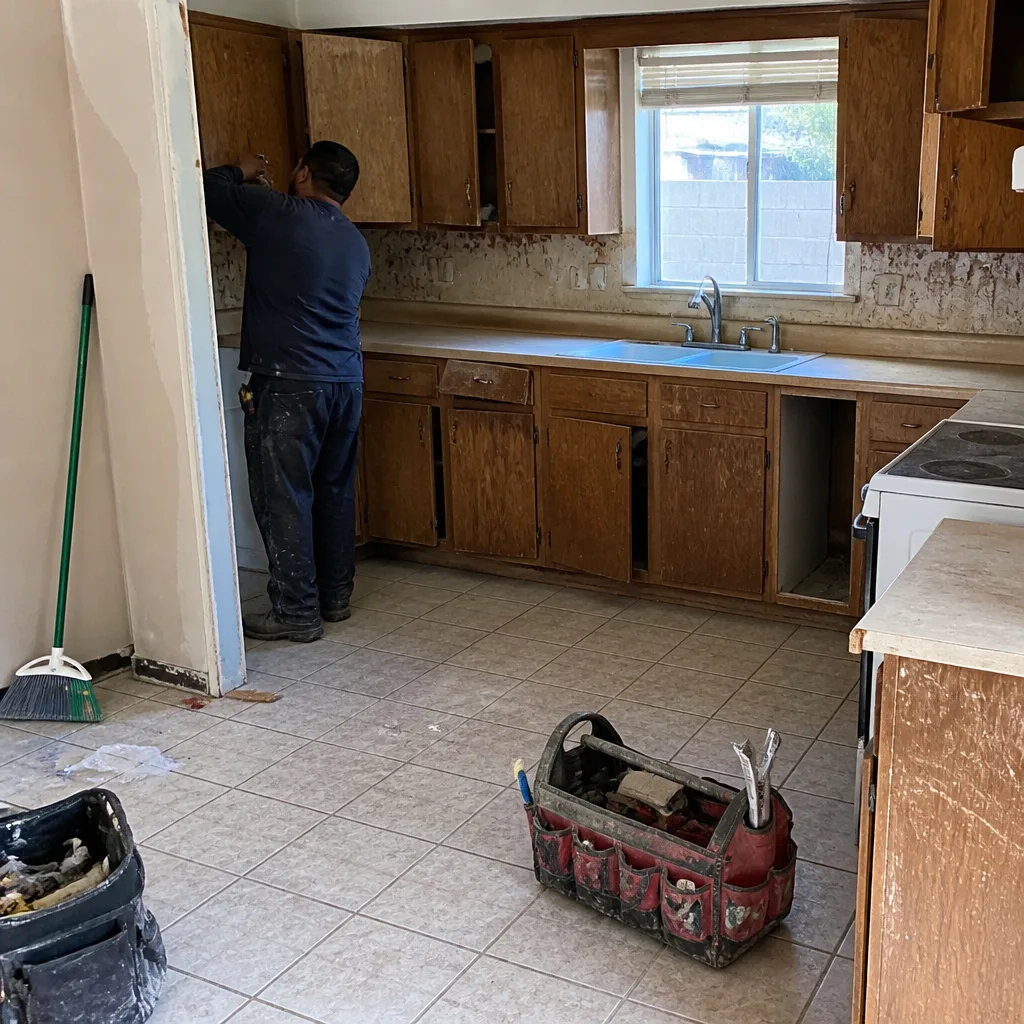
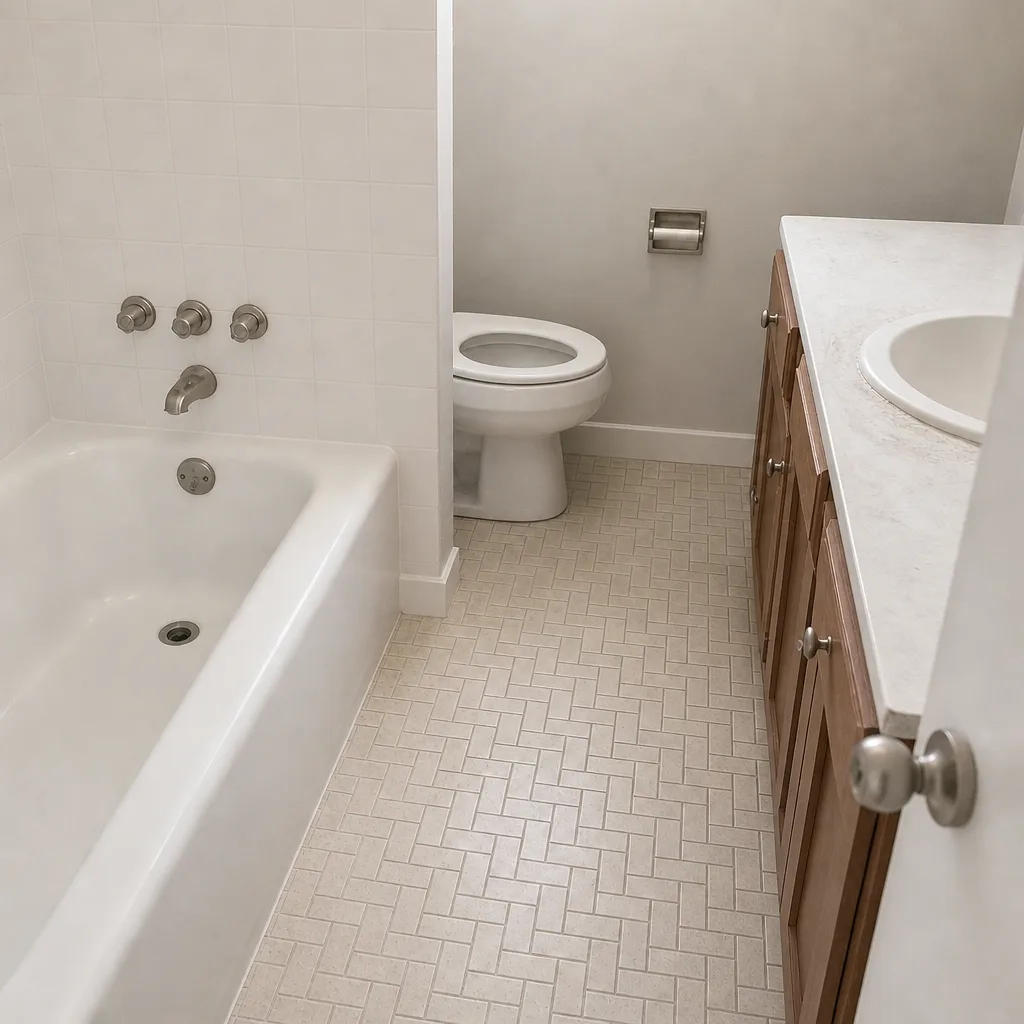
See the difference
 Before
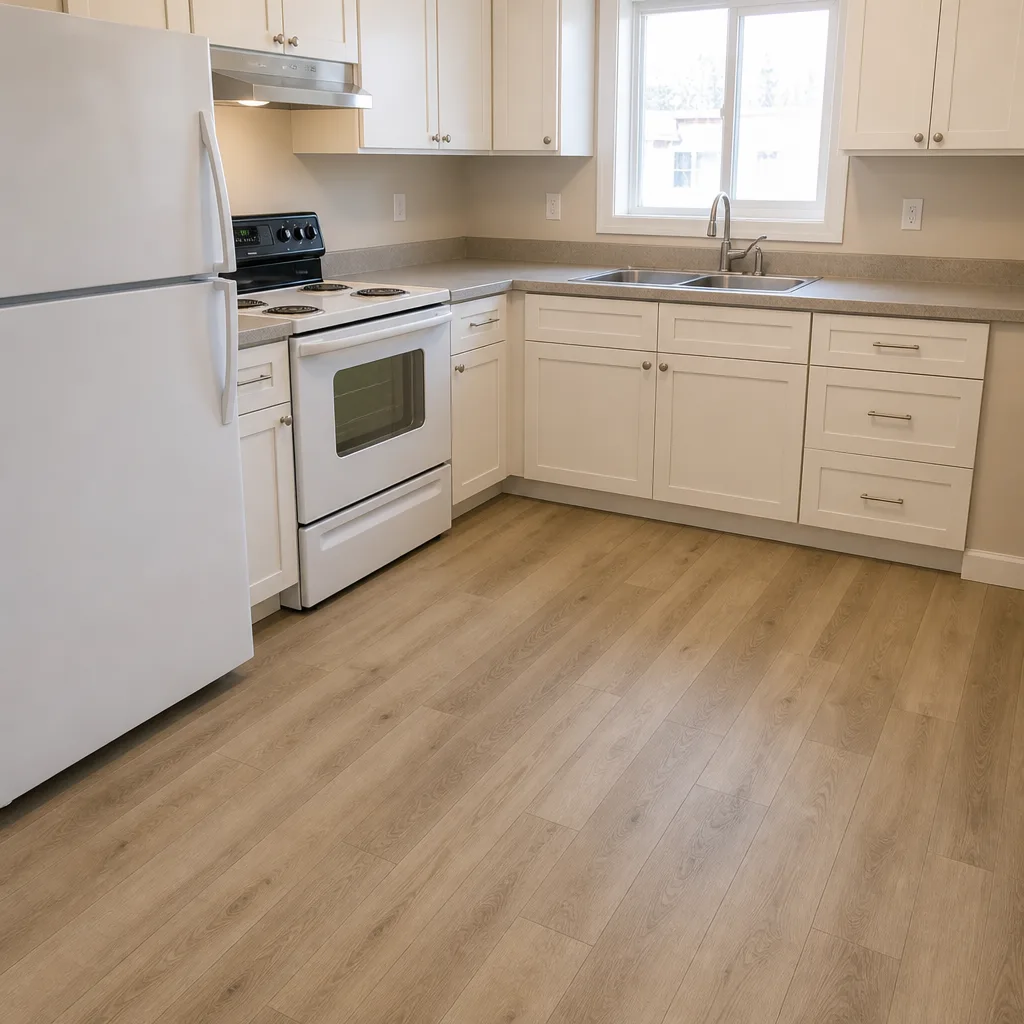 After
 Before
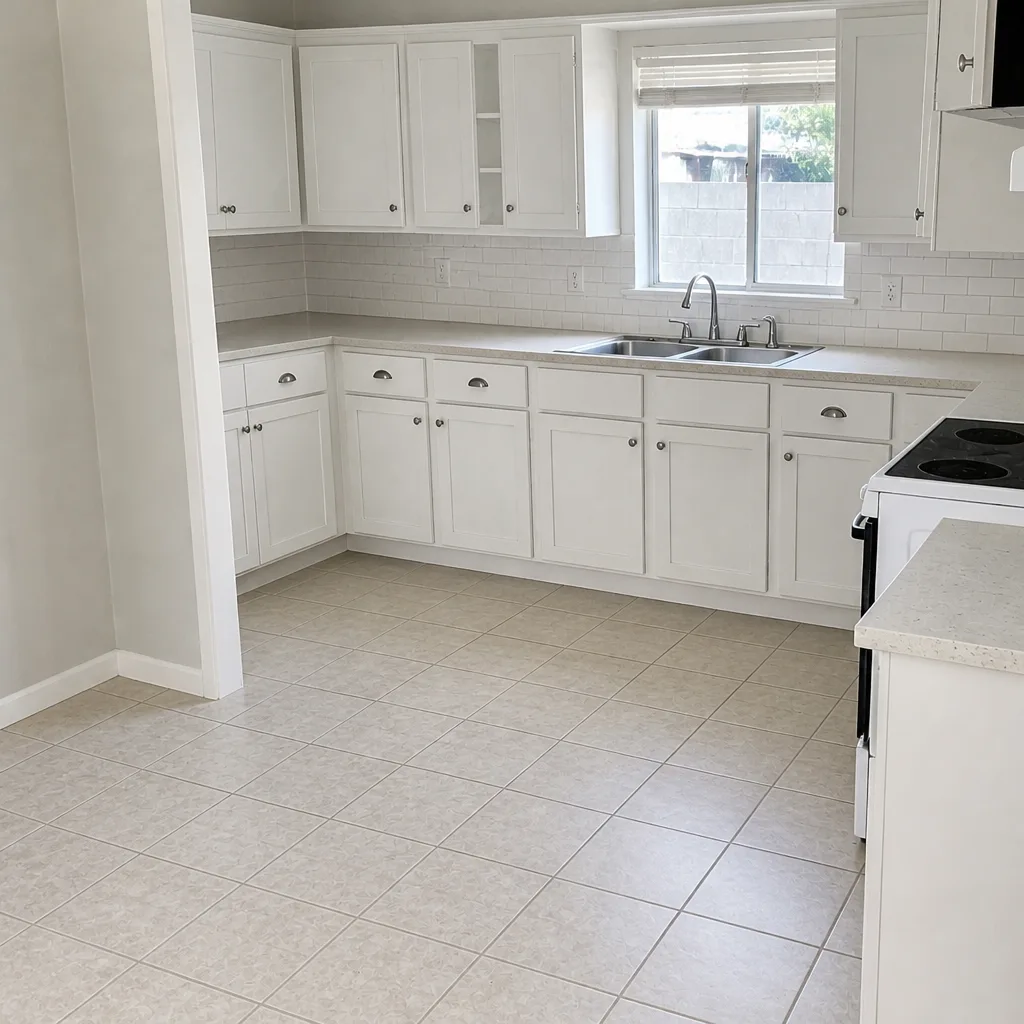 After
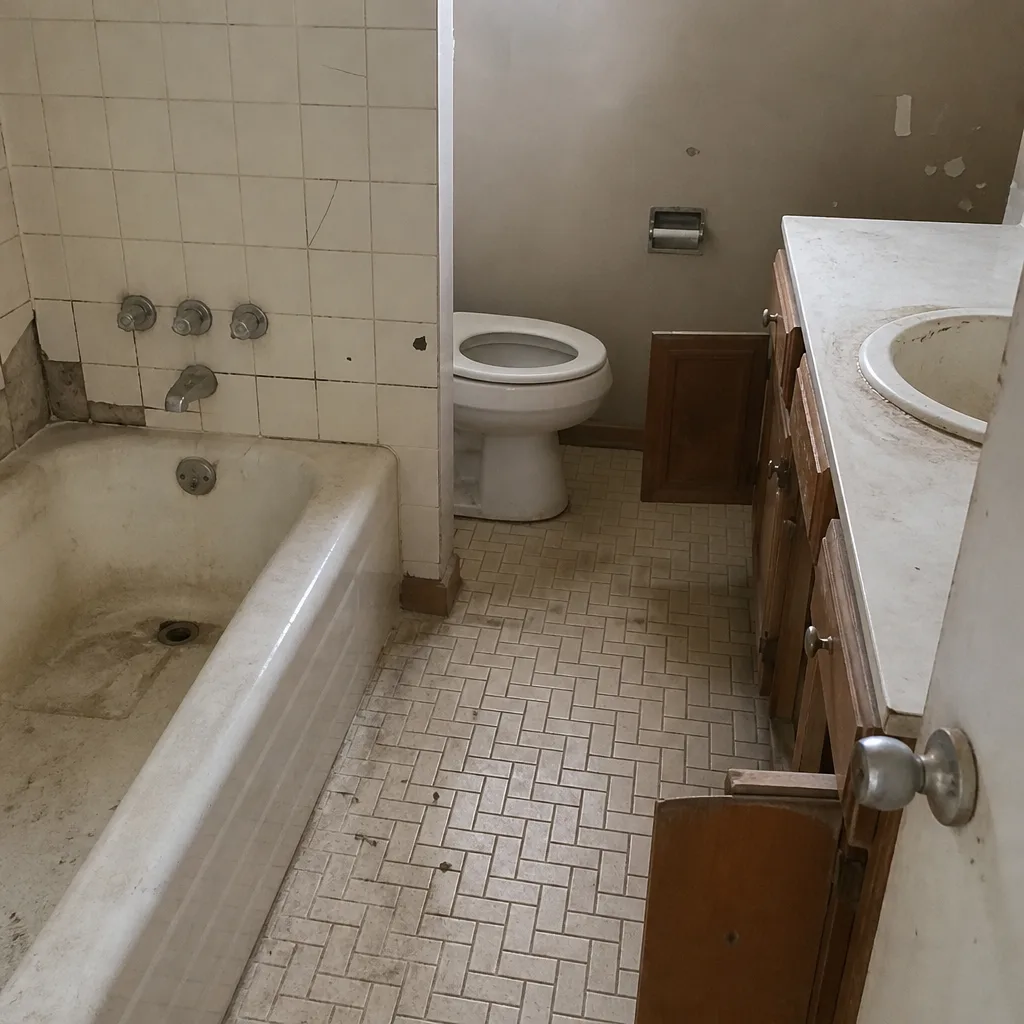 Before
 After
Frequently Asked Questions
Yes, in many cases. Nevada allows a homeowner to act as an owner-builder on a home they occupy, so you can pull a permit in your own name for certain projects and do the work yourself. The limits are that it must be your residence, not a rental or flip, and you’re taking on the liability and the disclosure obligations that come with it. For anything structural or to do with gas or electrical, hire a licensed crew.
It can. If you do work that requires a permit and you skip it, or an uninsured helper gets hurt on your property, your policy may not cover the resulting damage or liability. That’s the risk most DIY videos never mention. Call your insurance agent before you start anything more involved than paint.
You’ll usually save the cost of debris hauling and a day or two of unskilled labor. That’s real money, but it’s also the cheapest labor on the job. The savings evaporate if you damage a subfloor or hit a hidden pipe. Ask your contractor to quote the job with and without demo so you can see the actual number before you commit.
Yes. Much of the valley sits on expansive clay that swells and shrinks with moisture, and that movement transfers straight up through a shallow base. Standard tutorials call for less base depth than you want here. Two extra inches of properly compacted base is the single biggest thing you can do to keep a patio or driveway from settling.
As a rule of thumb: paint, flooring, and cosmetic swaps don’t. Additions, structural changes, electrical, plumbing, gas, roofing replacements, and most exterior hardscape above a certain size do. When you’re not sure, call the county building department and ask. A five-minute phone call saves a lot of future trouble.
Often, yes. We’ll scope the division of labor in writing, tell you which parts affect the warranty or inspection, and quote the job around what you’re handling. What we won’t do is let self-performed work put the whole project’s inspection at risk. Call (855) 596-7029 for a free estimate and we’ll get into the actual plan.
The Bottom Line
DIY construction in Paradise isn’t a test of your skill. It’s a question of permit liability, warranty protection, and whether the specific job carries a desert-climate variable that changes the margin for error. Paint, trim, demo, and landscaping save you real money with little risk. Roofs, paving, electrical, gas, windows, and structural work carry consequences that a standard tutorial was never written to warn you about. Sort your project by which side of the line it lands on, get the division of labor in writing, and get a free estimate before you commit either way.
Contact
If your project belongs on the professional side of the line, we’re glad to give you a straight answer and a written, line-item estimate with no surprises at the end. Barrett & Sons Construction Paradise is owner-operated, every eligible job gets its permits pulled and inspections signed, and every completed job is covered by our written 90-Day Done Right Promise. We stand behind a name you can look up and a phone a live person answers. Call (855) 596-7029 to schedule your free estimate.
Written by the team at Barrett & Sons Construction Paradise.